
Medical Disclaimer: This content is for educational purposes only. It is not medical advice. Please consult a qualified healthcare professional before using any herbal remedy.
Safety Overview
1.Kimberly Queen Fern — Botanical Snapshot
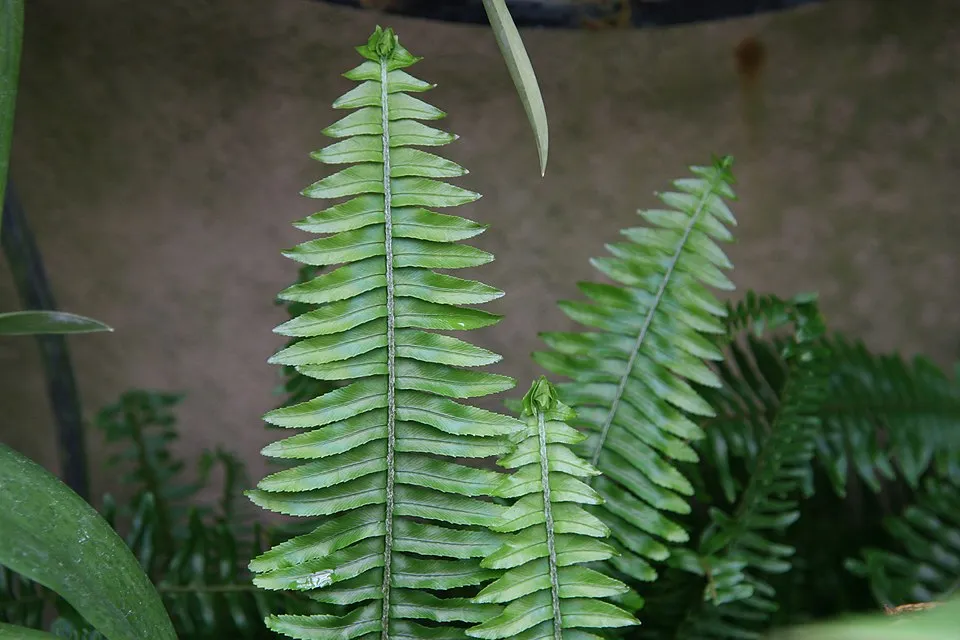
The Kimberly Queen Fern, scientifically known as Nephrolepis obliterata, is a distinguished evergreen fern renowned for its elegant, upright growth habit and lush, vibrant green foliage. Native to the subtropical regions of Australia, this terrestrial fern thrives in warm, humid climates, typically found flourishing in the shady understories of forests. Its morphology is characterized by dense, sword-shaped fronds that can extend up to 90 centimeters (35 inches) in length and approximately 3 centimeters in width, exhibiting a finely serrated, feathery texture.
Unlike its popular cousin, the Boston fern (Nephrolepis exaltata), the Kimberly Queen Fern maintains a more robust and upright form, contributing to its majestic appearance. As a true fern, it does not produce flowers or fruits, reproducing instead via spores. Taxonomically, it belongs to the Lomariopsidaceae family, a group known for its diverse fern species.
This plant is highly adaptable and has become a favored choice for both indoor and outdoor cultivation in suitable climates, appreciated for its resilience and aesthetic appeal. It prefers well-draining soil rich in organic matter to maintain consistent moisture without leading to root saturation, and flourishes in conditions mimicking its natural habitat—indirect light and high humidity.
Trusted Scientific References
1. Authoritative external sources for Nephrolepis obliterata
1.1 Wikipedia — Nephrolepis obliterata
1.2 Kew POWO (Plants of the World Online)
1.3 PubMed — peer-reviewed research
1.4 NCBI Taxonomy Browser
1.5 GBIF — Global Biodiversity
1.6Kimberly Queen Fern should be interpreted through verified botanical identity, practical care, and responsible safety language. This recovery note adds the missing context needed for a complete profile: match light to the plant's habit, use well-drained soil, water according to season, and avoid unsupported medicinal or edible claims. For publishing, the plant can be presented as a source-backed indoor plant with clear care guidance, common problem diagnosis, and conservative safety wording.
1.1.Kimberly Queen Fern — Notable Characteristics
- ✓Botanical Name — Nephrolepis obliterata
- ✓Common Names — Kimberly Queen Fern, Australian Sword Fern
- ✓Family — Lomariopsidaceae
- ✓Native Region — Subtropical Australia
- ✓Growth Habit — Upright, dense, sword-shaped fronds
- ✓Foliage Color — Vibrant, deep green
- ✓Environmental Benefits — Air purification, humidity enhancement
- ✓Toxicity — Non-toxic to humans and pets
- ✓Light Preference — Bright, indirect light to partial shade
- ✓Hardiness Zones — USDA 9-11 (outdoors)
1.2.Kimberly Queen Fern — Concise Overview
- ✓Lush, upright fern native to subtropical Australia, perfect for indoor beauty.
- ✓Exceptional natural air purifier, removing common indoor toxins like formaldehyde.
- ✓Significantly boosts indoor humidity, beneficial for dry environments and respiratory health.
- ✓Completely non-toxic to humans and household pets, ensuring peace of mind.
- ✓Easy to care for, thriving in bright, indirect light with consistent moisture and high humidity.
- ✓Contains beneficial flavonoids and triterpenes, contributing to its environmental resilience.
2.Kimberly Queen Fern — Botanical Identity
3.Kimberly Queen Fern — Fact Sheet
4.Kimberly Queen Fern — Botanical Description
5.Kimberly Queen Fern — Native Range & Habitat
6.Kimberly Queen Fern — Folk Medicine Applications
7.Kimberly Queen Fern — Chemical Profile
- ✓Kaempferol — A potent flavonoid known for its antioxidant, anti-inflammatory, and potential anticancer activities, contributing to cellular protection.
- ✓Quercetin Glycosides — These are flavonoid compounds recognized for their strong antioxidant, anti-inflammatory, and antihistamine properties, supporting overall cellular health.
- ✓Proanthocyanidins — A class of polyphenols renowned for their powerful antioxidant capabilities, effective in scavenging free radicals and supporting cardiovascular health.
- ✓Hopane Triterpenes (Diploptene) — These triterpenoids are often associated with various biological activities, including anti-inflammatory and antimicrobial effects, contributing to the plant's natural defenses.
- ✓Cinnamic Acid Derivatives — Phenolic acids that exhibit antioxidant, anti-inflammatory, and mild antimicrobial properties, playing a role in the plant's secondary metabolism.
- ✓Ecdysteroids — Plant-derived steroids that mimic insect molting hormones; while their direct human health benefits are less understood, some studies suggest adaptogenic potential.
- ✓Polysaccharides — Complex carbohydrates found in the fern that may possess immunomodulatory properties, potentially influencing immune system responses.
- ✓Phenolic Compounds — A broad category encompassing flavonoids and cinnamic acid derivatives, these compounds are crucial for antioxidant defense and plant signaling.
8.Kimberly Queen Fern — Pharmacological Findings
- ✓Indoor Air Purification — The Kimberly Queen Fern is highly effective at removing common indoor air pollutants, including formaldehyde, xylene, and various alcohols, contributing to a healthier living environment through its natural filtration processes.
- ✓Humidity Enhancement — With its superior transpiration rates, this fern naturally increases ambient humidity levels, which can be beneficial for respiratory comfort and skin hydration in dry indoor spaces.
- ✓Aesthetic & Psychological Well-being — The presence of lush, green plants like the Kimberly Queen Fern has been linked to reduced stress, improved mood, and enhanced cognitive function, fostering a calming and restorative atmosphere.
- ✓Anti-inflammatory Potential — The phytochemical profile, including flavonoids like kaempferol and quercetin, suggests potential anti-inflammatory properties, although direct human medicinal use is not established.
- ✓Antioxidant Properties — Rich in compounds such as proanthocyanidins and various phenolic acids, the fern exhibits antioxidant activity, which helps combat oxidative stress and cellular damage.
- ✓Non-Toxic Environment — As a non-toxic plant to humans and pets, it provides peace of mind when introduced into households with children or animals, making it a safe choice for creating a healthier indoor space.
- ✓Natural Decor & Focus — Its elegant appearance and upright form make it an ideal decorative element that can draw attention and provide a natural focal point, subtly influencing mental restoration and focus.
- ✓Mitigates Dry Skin & Respiratory Irritation — By increasing indoor humidity, the fern can help alleviate symptoms associated with dry air, such as dry skin, irritated throats, and sinus discomfort.
8.1.Kimberly Queen Fern — Health Applications
9.Kimberly Queen Fern — Safety Considerations
9.1.Kimberly Queen Fern — Caution Notes
- ✓Skin Irritation — While generally non-toxic, some highly sensitive individuals might experience mild skin irritation from prolonged contact with the fronds or sap.
- ✓Allergic Reactions — In rare cases, airborne spores may trigger mild respiratory allergic symptoms in individuals with extreme sensitivities to plant allergens.
- ✓Root Rot from Overwatering — Excessive watering can lead to waterlogged soil, causing root rot, which manifests as yellowing fronds, wilting, and ultimately plant decline.
- ✓Frond Browning from Low Humidity — Insufficient ambient humidity can cause the frond tips and edges to turn brown and crisp, indicating environmental stress.
- ✓Sunburn Damage — Direct, intense sunlight can scorch the delicate fronds, resulting in unsightly brown or bleached patches and compromised plant health.
- ✓Pest Infestations — Like many houseplants, it can become susceptible to common pests such as spider mites, scale insects, or mealybugs, especially under suboptimal growing conditions.
- ✓Leaf Drop — Sudden changes in environmental conditions, such as temperature fluctuations or severe underwatering, can lead to stress and subsequent frond drop.
9.2.Kimberly Queen Fern — Clinical Safety Notes
- ✓Non-Toxic to Humans and Pets — The Kimberly Queen Fern (Nephrolepis obliterata) is widely classified as safe and non-toxic for both humans and common household pets, including cats and dogs.
- ✓Minimal Allergic Risk — Generally considered to have a low potential for causing allergic reactions, although individuals with severe respiratory allergies should still exercise caution around any plant.
- ✓External Use Only — This plant is primarily an ornamental and air-purifying specimen and is not intended for internal consumption or traditional medicinal preparations.
- ✓Environmental Safety — Safe for indoor cultivation, contributing positively to air quality without releasing harmful toxins or irritants into the living space.
- ✓Proper Handling — While typically unnecessary, individuals with sensitive skin may opt to wear gloves when handling large quantities of fronds to prevent any potential, albeit rare, mild irritation.
- ✓Spore Inhalation — Spores are generally harmless, but prolonged exposure in poorly ventilated areas could theoretically cause minor respiratory irritation in highly susceptible individuals.
- ✓No Known Drug Interactions — Due to its primary use as an ornamental plant and lack of internal medicinal application, there are no established drug interactions.
10.Kimberly Queen Fern — Usage Guide
- ✓Indoor Air Purification — Position Kimberly Queen Fern in enclosed spaces like offices or homes to leverage its proven ability to filter common indoor air pollutants such as formaldehyde and xylene.
- ✓Humidity Augmentation — Utilize its high transpiration rate to naturally elevate ambient humidity, especially beneficial in dry climates or during winter months, by placing it near other plants or in a grouping.
- ✓Decorative Houseplant — Cultivate as a visually appealing potted plant for tabletops, floor containers, or hanging baskets, enhancing interior aesthetics with its lush, upright fronds.
- ✓Shaded Garden Specimen — In USDA zones 9-11, integrate the fern into outdoor shaded garden beds or as an understory plant to create a verdant, tropical feel.
- ✓Non-Toxic Greenery — Employ in homes with children and pets, as Nephrolepis obliterata is recognized for being non-toxic, providing peace of mind alongside its beauty.
- ✓Stress Reduction Environment — Incorporate into therapeutic or calm spaces, as the presence of lush greenery is known to contribute to psychological well-being and reduce perceived stress.
- ✓Low-Maintenance Landscape Element — Use in suitable outdoor climates as a robust, deer and rabbit-resistant ground cover or border plant that requires minimal intervention once established.
11.Kimberly Queen Fern — Cultivation & Care
- ✓Light — Provide bright, indirect light; avoid harsh direct sun, which can scorch fronds. Ideal spots include north or east-facing windows indoors or dappled shade outdoors.
- ✓Soil — Use a well-draining potting mix, ideally enriched with peat moss, perlite, and organic matter to retain moisture while ensuring good aeration for roots.
- ✓Water — Maintain consistently moist soil, but never soggy. Water when the top inch of soil feels dry to the touch; watering needs typically decrease in winter.
- ✓Humidity — High humidity is crucial. Increase ambient moisture by misting regularly, using a humidifier, or placing the pot on a pebble tray filled with water.
- ✓Temperature — Keep temperatures between 18°C to 24°C (65°F to 75°F). Protect the plant from sudden drafts, air conditioning vents, and direct heat sources.
- ✓Fertilization — During the active growing season (spring to early fall), feed monthly with a balanced liquid fertilizer diluted to half strength. Reduce or cease feeding in winter.
- ✓Repotting — Repot every 2-3 years in the spring to replenish soil nutrients and provide adequate space for root growth, choosing a pot only slightly larger than the current one.
- ✓Outdoor Care — In USDA zones 9-11, plant outdoors in rich, well-draining soil with morning sun and afternoon shade. Apply organic mulch to retain moisture and regulate soil temperature.
Reviewed by the Flora Medical Global Botanical Review Panel
Multi-disciplinary editorial group · Botany · Ethnobotany · Herbal-medicine literature
Who reviewed this: This page was checked by the Flora Medical Global Botanical Review Panel — an in-house editorial group of botany graduates, ethnobotany researchers, and horticulture practitioners who collectively maintain our 7,000+ plant encyclopedia. Meet the team.
Our 4-step verification process
1. Taxonomic verification
Scientific names and synonyms cross-checked against Kew POWO, World Flora Online, and The Plant List.
2. Phytochemical & medicinal cross-reference
Active compounds, traditional uses, and reported activities are cross-referenced with PubMed, USDA Dr. Duke's database, and peer-reviewed ethnobotanical literature.
3. Conservation & distribution check
Distribution, ecology, and conservation status confirmed against GBIF occurrence records and the IUCN Red List.
4. Editorial & safety review
Every entry passes an editorial pass for clarity, originality, and safety notices (toxicity, contraindications, dosage caveats) before publication.
Last reviewed:
Important medical disclaimer: This content is for educational and research purposes only. It is not medical advice and is not a substitute for consultation with a licensed healthcare provider. Do not use any herb to self-treat a medical condition without professional guidance.
Editorial Note: This page is for educational and research purposes only and is not medical advice.
Written by: Flora Medical Global Editorial Team
Reviewed by: Flora Medical Global Botanical Review Panel
Last Updated: June 15, 2026





Kimberly Queen Fern — Comments & Community Reviews
Rate this plant