
Medical Disclaimer: This content is for educational purposes only. It is not medical advice. Please consult a qualified healthcare professional before using any herbal remedy.
Safety Overview
1.King of Bitters — At a Glance
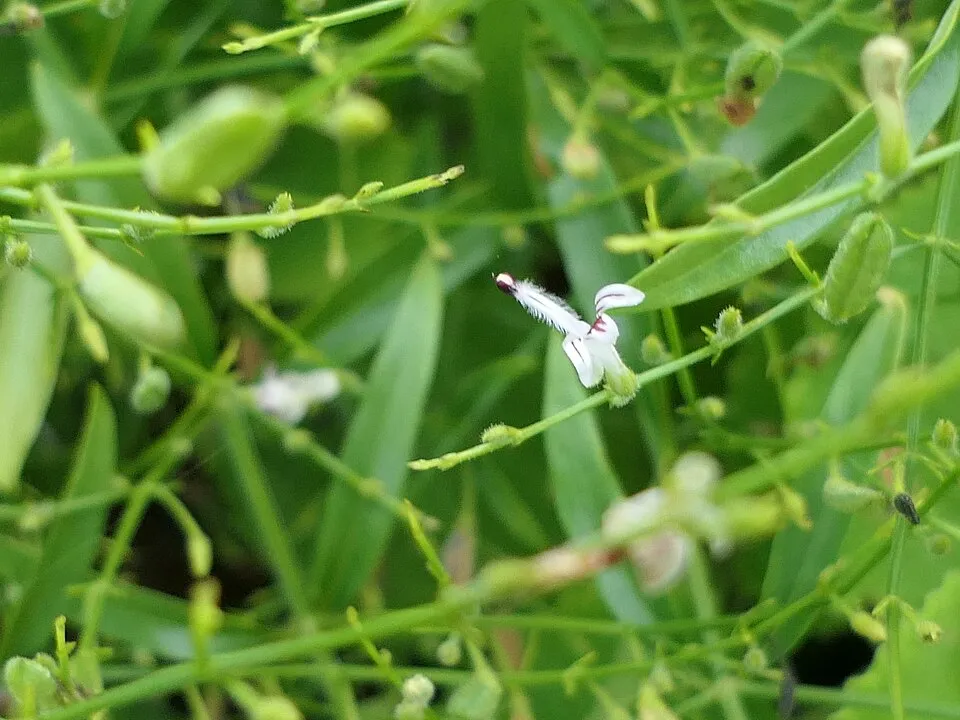
King of Bitters, formally known as Andrographis paniculata (Burm.f.) Nees, is an esteemed herbaceous perennial plant thriving in the tropical and subtropical belts of India and Southeast Asia. This member of the Acanthaceae family typically stands between 30 and 110 cm tall, characterized by a slender yet robust stem that is green and often subtly hairy. Its leaves are distinctively lanceolate to oblong, measuring approximately 4 to 10 cm in length and 1 to 3 cm in width, featuring a glossy green surface and a sharply pointed apex. The plant's delicate flowers are arranged in axillary racemes, displaying hues from white to pale violet, often adorned with intricate purple streaks, each bloom possessing a tubular, five-petaled structure.
Following successful pollination, King of Bitters yields small, elongated capsule fruits that encase numerous tiny seeds, primarily dispersed by wind. Andrographis paniculata demonstrates remarkable adaptability, flourishing in moist, well-drained soils across diverse settings such as cultivated fields, unassuming roadsides, and sun-dappled forest clearings. It thrives in regions blessed with warm climates and benefits from partial sunlight, comfortably growing at elevations reaching up to 2,000 meters above sea level. Taxonomically, it is classified within the Plantae kingdom, Angiosperms clade, Eudicots clade, and belongs to the Acanthaceae family.
Historically and culturally, Andrographis paniculata holds profound significance, particularly known as 'Kalmegh' in Sanskrit, where it is a cornerstone herb in Ayurvedic medicine. Its traditional applications extend across various Asian healing systems, including Unani, Siddha, and Traditional Chinese Medicine (TCM), where it has been revered for centuries as a potent remedy for a spectrum of ailments, from common fevers and digestive issues to liver complaints and immune challenges. Its widespread use underscores its deep-rooted ethnobotanical importance in global health traditions.
Trusted Scientific References
1. Authoritative external sources for Andrographis paniculata (Burm.f.) Nees
1.1 Wikipedia — Andrographis paniculata (Burm.f.) Nees
1.2 Kew POWO (Plants of the World Online)
1.3 PubMed — peer-reviewed research
1.4 NCBI Taxonomy Browser
1.5 GBIF — Global Biodiversity
1.1.King of Bitters — Highlights
- ✓Herbaceous perennial plant — Herbaceous perennial plant native to tropical and subtropical Asia.
- ✓Belongs to the — Belongs to the Acanthaceae family.
- ✓Known for its — Known for its extremely bitter taste, earning it the name 'King of Bitters'.
- ✓Key herb in — Key herb in Ayurvedic, Unani, and Traditional Chinese Medicine (TCM).
- ✓Contains primary active — Contains primary active compounds called diterpenoid lactones, especially Andrographolide.
- ✓Exhibits strong immunomodulatory — Exhibits strong immunomodulatory and immunostimulatory effects.
- ✓Possesses significant anti — inflammatory and antioxidant properties.
- ✓Renowned for its hepatoprotective (liver — protective) benefits.
- ✓Effective against common — Effective against common cold and upper respiratory tract infections.
- ✓Demonstrates broad — spectrum antimicrobial (antibacterial, antiviral, antifungal) activity.
- ✓Traditionally used for — Traditionally used for fever reduction and digestive complaints like diarrhea.
- ✓Adaptable plant, growing — Adaptable plant, growing in diverse habitats up to 2,000 meters elevation.
- ✓Cultivated for its — Cultivated for its medicinal leaves and aerial parts.
- ✓Available in various — Available in various forms including powders, extracts, capsules, and tinctures.
- ✓Requires careful usage — Requires careful usage due to potential side effects and drug interactions.
1.2.King of Bitters — In Brief
- ✓Andrographis paniculata, or King of Bitters, is a highly valued medicinal herb from India and Southeast Asia.
- ✓It is a cornerstone in Ayurvedic and Traditional Chinese Medicine, known as Kalmegh.
- ✓Its primary active compounds are diterpenoid lactones, notably andrographolide.
- ✓Renowned for potent immune-boosting, anti-inflammatory, and hepatoprotective properties.
- ✓Traditionally used for common colds, fevers, digestive issues, and liver support.
- ✓Characterized by an intensely bitter taste, which is indicative of its medicinal potency.
- ✓Modern research supports many of its traditional uses, validating its therapeutic potential.
- ✓Crucial to observe safety warnings, especially regarding pregnancy, bleeding disorders, and autoimmune conditions.
2.King of Bitters — Botanical Identity
3.King of Bitters — Key Data
4.King of Bitters — Physical Description
5.King of Bitters — Ecological Habitat
6.King of Bitters — Folk Medicine Applications
7.King of Bitters — Phytochemistry
- ✓Diterpenoid Lactones — This is the most significant class of compounds, including Andrographolide, Neoandrographolide, Deoxyandrographolide, and Andrograpanin. Andrographolide is considered the primary active ingredient, responsible for many of the plant's anti-inflammatory, immunostimulatory, hepatoprotective, and anticancer activities.
- ✓Flavonoids — Compounds like Apigenin, Luteolin, Oroxylin A, and their glycosides are present. These contribute to the plant's antioxidant, anti-inflammatory, and hepatoprotective properties, often working synergistically with diterpenoids.
- ✓Quinic Acids — These derivatives, such as caffeoylquinic acids, are known for their antioxidant and anti-inflammatory actions, further enhancing the plant's protective effects against oxidative stress and inflammation.
- ✓Xanthones — A small group of xanthones has been identified, which may contribute to the plant's diverse pharmacological activities, including potential antimicrobial and antioxidant properties.
- ✓Noriridoids — Rare noriridoid compounds have been isolated, though their specific pharmacological roles are less extensively studied compared to diterpenoids, they add to the plant's phytochemical complexity.
- ✓Alkaloids — While less prominent than diterpenoids, certain alkaloids may be present in trace amounts, potentially contributing to various subtle physiological effects.
- ✓Saponins — These glycosides can have a range of biological activities, including immunomodulatory and cholesterol-lowering effects, though their concentration in Andrographis paniculata is typically low.
- ✓Phenolic Acids — Beyond quinic acids, other phenolic acids such as ferulic acid and p-coumaric acid are found, augmenting the plant's overall antioxidant capacity and protective effects.
- ✓Volatile Oils — Although not a dominant feature, trace amounts of volatile compounds contribute to the plant's characteristic aroma and may possess minor antimicrobial or insect-repellent properties.
- ✓Sterols — Plant sterols like beta-sitosterol are present, which are known for their anti-inflammatory and cholesterol-lowering potential, contributing to the plant's overall health benefits.
- ✓Sugars and Polysaccharides — These basic carbohydrates provide structural support and can play a role in immune modulation and overall plant physiology.
8.King of Bitters — Pharmacological Findings
- ✓Immune System Support — Andrographis paniculata is renowned for its immunostimulatory properties, primarily attributed to diterpenoid lactones like andrographolide. These compounds enhance the activity of immune cells such as macrophages and natural killer cells, bolstering the body's natural defenses against pathogens.
- ✓Anti-inflammatory Action — The plant exhibits significant anti-inflammatory effects by modulating various inflammatory pathways, including the inhibition of NF-κB activation and the reduction of pro-inflammatory cytokines like TNF-α and IL-6. This makes King of Bitters beneficial in conditions characterized by chronic inflammation.
- ✓Antioxidant Protection — Rich in flavonoids and other phenolic compounds, Andrographis paniculata acts as a potent antioxidant, scavenging harmful free radicals and reducing oxidative stress. This protective action helps prevent cellular damage and supports overall cellular health.
- ✓Liver Health (Hepatoprotective) — Traditionally used for liver ailments, modern research supports its hepatoprotective qualities. Andrographolide aids in detoxifying the liver, protecting it from toxin-induced damage, and supporting its regenerative capacity, making it valuable for conditions like jaundice and hepatitis.
- ✓Digestive Health — King of Bitters has been traditionally employed to address various digestive complaints, including diarrhea and dysentery. Its antimicrobial and anti-inflammatory properties can help soothe gut inflammation and combat pathogenic microorganisms responsible for gastrointestinal disturbances.
- ✓Fever Reduction (Antipyretic) — The herb is a traditional remedy for fevers, particularly those associated with the common cold and other infections. Its compounds help to lower body temperature by influencing thermoregulatory mechanisms and reducing systemic inflammation.
- ✓Antimicrobial Properties — Extracts of Andrographis paniculata demonstrate broad-spectrum antimicrobial activity against bacteria, viruses, and fungi. This action contributes to its effectiveness in treating various infectious diseases, including respiratory tract infections and certain skin conditions.
- ✓Antimalarial Activity — Historically, King of Bitters has been used in endemic regions to combat malaria. While not a standalone treatment, its compounds have shown antiplasmodial activity in preclinical studies, suggesting a role in adjunct therapy or prophylaxis.
- ✓Cardiovascular Support — Some studies indicate that Andrographis paniculata may support cardiovascular health by exhibiting anticoagulant and antiplatelet effects, potentially improving blood flow and reducing the risk of clot formation. It may also help manage blood pressure.
- ✓Antidiabetic Potential — Traditional uses and some contemporary research suggest its role in managing blood sugar levels. Compounds in the plant may enhance insulin sensitivity and reduce glucose absorption, offering potential benefits for individuals with hyperglycemia.
- ✓Respiratory Tract Infection Relief — Widely used for the common cold, flu, and upper respiratory tract infections, King of Bitters can reduce the severity and duration of symptoms like sore throat, cough, and nasal congestion. Its immune-boosting and anti-inflammatory actions are key here.
- ✓Antiviral Effects — Beyond its general antimicrobial action, specific compounds in Andrographis paniculata have demonstrated antiviral activity against various viruses, including those causing influenza and potentially others, by inhibiting viral replication and enhancing host immunity.
- ✓Potential Anticancer Activity — Preliminary research indicates that andrographolide and other diterpenoids may possess antiproliferative and cytotoxic effects against various cancer cell lines. This area requires further extensive research before clinical application.
- ✓Skin Health and Wound Healing — Applied topically, it has been used traditionally for insect bites and skin infections due to its anti-inflammatory and antimicrobial properties, promoting healing and reducing irritation.
- ✓Anti-allergenic Effects — Some components of King of Bitters may help to modulate allergic responses by stabilizing mast cells and reducing histamine release, which could be beneficial in managing allergic conditions.
8.1.King of Bitters — Health Applications
9.King of Bitters — Safety & Side Effects
9.1.King of Bitters — Caution Notes
- ✓Gastrointestinal Upset — Common side effects include nausea, vomiting, stomach discomfort, and diarrhea, especially when taken in high doses or on an empty stomach due to its intense bitterness.
- ✓Allergic Reactions — Individuals may experience allergic responses such as skin rashes, itching, or hives, particularly those sensitive to the Acanthaceae family.
- ✓Headache and Fatigue — Some users report mild headaches, dizziness, or a general feeling of fatigue, though these are typically transient and dose-dependent.
- ✓Loss of Appetite — The extreme bitter taste can sometimes lead to a temporary loss of appetite or an aversion to food in sensitive individuals.
- ✓Liver Enzyme Elevation — While generally hepatoprotective, very high doses or prolonged use in susceptible individuals has been rarely linked to elevated liver enzymes.
- ✓Hypotension — Due to its potential cardiovascular effects, it may cause a slight drop in blood pressure, which could be problematic for individuals already on hypotensive medication or with low blood pressure.
- ✓Palpitation — A rare but reported side effect includes heart palpitations or an irregular heartbeat in sensitive individuals.
- ✓Bitter Aftertaste — The most characteristic side effect is its overwhelming bitterness, which can linger and be unpleasant for many users, impacting compliance.
9.2.King of Bitters — Clinical Safety Notes
- ✓Pregnancy and Breastfeeding — Strictly contraindicated during pregnancy due to traditional abortifacient claims and potential effects on fetal development; also advised against during breastfeeding due to lack of safety data.
- ✓Autoimmune Diseases — Use with caution in individuals with autoimmune conditions (e.g., lupus, rheumatoid arthritis, multiple sclerosis) as its immunostimulatory effects could theoretically exacerbate symptoms.
- ✓Bleeding Disorders and Anticoagulants — May have antiplatelet and anticoagulant effects, increasing the risk of bleeding. Should be avoided by individuals with bleeding disorders or those taking blood-thinning medications like warfarin or aspirin.
- ✓Hypotension — Individuals with low blood pressure or those on antihypertensive medications should use it cautiously, as it might further lower blood pressure.
- ✓Fertility Concerns — Traditional uses suggest contraceptive properties in high doses, although scientific evidence is limited; individuals trying to conceive should avoid use.
- ✓Drug Interactions — Can interact with immunosuppressants, anticoagulants, antiplatelet drugs, and potentially drugs metabolized by the liver's cytochrome P450 enzymes; consult a healthcare provider.
- ✓Children — Use in children should be under strict medical supervision due to limited safety data and potential for adverse effects, with significantly reduced dosages.
- ✓Pre-existing Conditions — Individuals with chronic medical conditions, especially liver or kidney disease, should consult a healthcare professional before using King of Bitters.
- ✓Allergic Sensitivity — People with known allergies to plants in the Acanthaceae family should avoid Andrographis paniculata.
- ✓Self-Medication — Due to its potent effects and potential interactions, self-medication is discouraged; professional guidance from a qualified herbalist or physician is recommended.
10.King of Bitters — Usage Guide
- ✓Decoctions — Traditionally, dried leaves and aerial parts are boiled in water to create a potent decoction, often consumed for fever, colds, and liver support.
- ✓Infusions — A milder preparation where dried leaves are steeped in hot water, similar to making tea, used for general wellness or mild digestive issues.
- ✓Powders — Dried plant material is ground into a fine powder, which can be encapsulated or mixed with honey or water for direct consumption, a common method in Ayurvedic and Unani medicine.
- ✓Tinctures — Alcoholic extracts of the plant are prepared, providing a concentrated form that can be easily dosed and absorbed, suitable for long-term use.
- ✓Capsules and Tablets — Modern standardized extracts are available in capsule or tablet form, offering precise dosing and convenience, often standardized to andrographolide content.
- ✓External Application (Poultices) — Fresh or dried leaves, crushed and mixed with a carrier, can be applied as a poultice to skin irritations, insect bites, or minor wounds for their anti-inflammatory and antimicrobial effects.
- ✓Juices — Fresh leaves can be crushed to extract juice, which is sometimes consumed directly for its bitter properties and immediate action, particularly for digestive complaints.
- ✓Traditional Syrups — In some cultures, the bitter extracts are combined with sweeteners to create syrups, making them more palatable, especially for children.
- ✓Dosage — Dosage varies significantly based on the form (raw herb, extract, standardized product) and the condition being treated; always consult a qualified herbalist or healthcare professional for personalized guidance.
- ✓Timing of Administration — Often recommended to be taken before meals to maximize absorption, especially for digestive and liver-related benefits, though specific regimens vary.
- ✓Combination Therapy — Frequently used in traditional formulations with other herbs to enhance efficacy or mitigate potential side effects, such as combining with ginger for colds.
11.King of Bitters — Cultivation & Care
- ✓Climate and Location — Thrives in tropical and subtropical climates with warm temperatures and high humidity; prefers regions with distinct wet and dry seasons.
- ✓Soil Requirements — Best grown in well-drained, fertile loamy soils with a neutral to slightly acidic pH (6.0-7.5); heavy clay or waterlogged soils should be avoided.
- ✓Sunlight Exposure — Requires partial shade to full sun; while it tolerates full sun, some afternoon shade in very hot climates can prevent leaf scorching.
- ✓Propagation — Primarily propagated by seeds, which can be sown directly or started in a nursery and then transplanted. Stem cuttings can also be rooted successfully.
- ✓Sowing and Planting — Seeds should be sown shallowly and kept moist. Seedlings are transplanted when they reach a height of 10-15 cm, typically spaced 30-45 cm apart.
- ✓Watering — Needs consistent moisture, especially during the growing season; regular watering is crucial, but ensure good drainage to prevent root rot.
- ✓Fertilization — Benefits from organic compost or well-rotted manure incorporated into the soil before planting, and a balanced organic fertilizer during active growth.
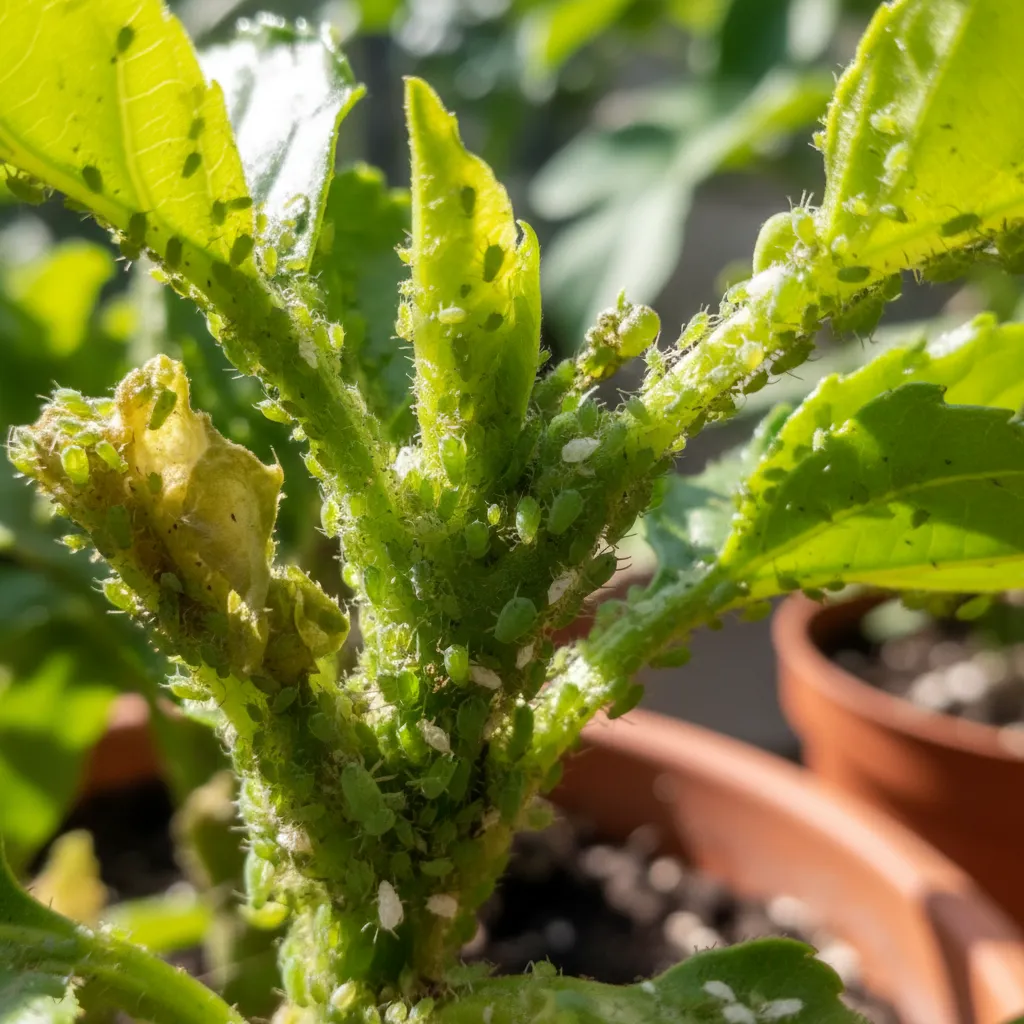
- ✓Pests and Diseases — Generally hardy, but can occasionally be affected by common garden pests like aphids or fungal diseases in overly wet conditions; good air circulation helps.
- ✓Harvesting — Aerial parts (leaves and stems) are typically harvested when the plant is mature but before it flowers extensively, as this is when the concentration of active compounds like andrographolide is highest.
- ✓Post-Harvest Handling — Harvested material should be dried quickly and efficiently in a shaded, well-ventilated area to preserve its medicinal quality and prevent mold growth.
- ✓Temperature Range — Ideal growth occurs at temperatures between 20°C and 30°C (68°F and 86°F); sensitive to frost and prolonged cold temperatures.
- ✓Elevation — Can be cultivated from sea level up to approximately 2,000 meters, showing adaptability to varying altitudes.
Reviewed by the Flora Medical Global Botanical Review Panel
Multi-disciplinary editorial group · Botany · Ethnobotany · Herbal-medicine literature
Who reviewed this: This page was checked by the Flora Medical Global Botanical Review Panel — an in-house editorial group of botany graduates, ethnobotany researchers, and horticulture practitioners who collectively maintain our 7,000+ plant encyclopedia. Meet the team.
Our 4-step verification process
1. Taxonomic verification
Scientific names and synonyms cross-checked against Kew POWO, World Flora Online, and The Plant List.
2. Phytochemical & medicinal cross-reference
Active compounds, traditional uses, and reported activities are cross-referenced with PubMed, USDA Dr. Duke's database, and peer-reviewed ethnobotanical literature.
3. Conservation & distribution check
Distribution, ecology, and conservation status confirmed against GBIF occurrence records and the IUCN Red List.
4. Editorial & safety review
Every entry passes an editorial pass for clarity, originality, and safety notices (toxicity, contraindications, dosage caveats) before publication.
Last reviewed:
Important medical disclaimer: This content is for educational and research purposes only. It is not medical advice and is not a substitute for consultation with a licensed healthcare provider. Do not use any herb to self-treat a medical condition without professional guidance.
Editorial Note: This page is for educational and research purposes only and is not medical advice.
Written by: Flora Medical Global Editorial Team
Reviewed by: Flora Medical Global Botanical Review Panel
Last Updated: June 15, 2026




King of Bitters — Comments & Community Reviews
Rate this plant