
Medical Disclaimer: This content is for educational purposes only. It is not medical advice. Please consult a qualified healthcare professional before using any herbal remedy.
Safety Overview
1.Kiratatikta — At a Glance
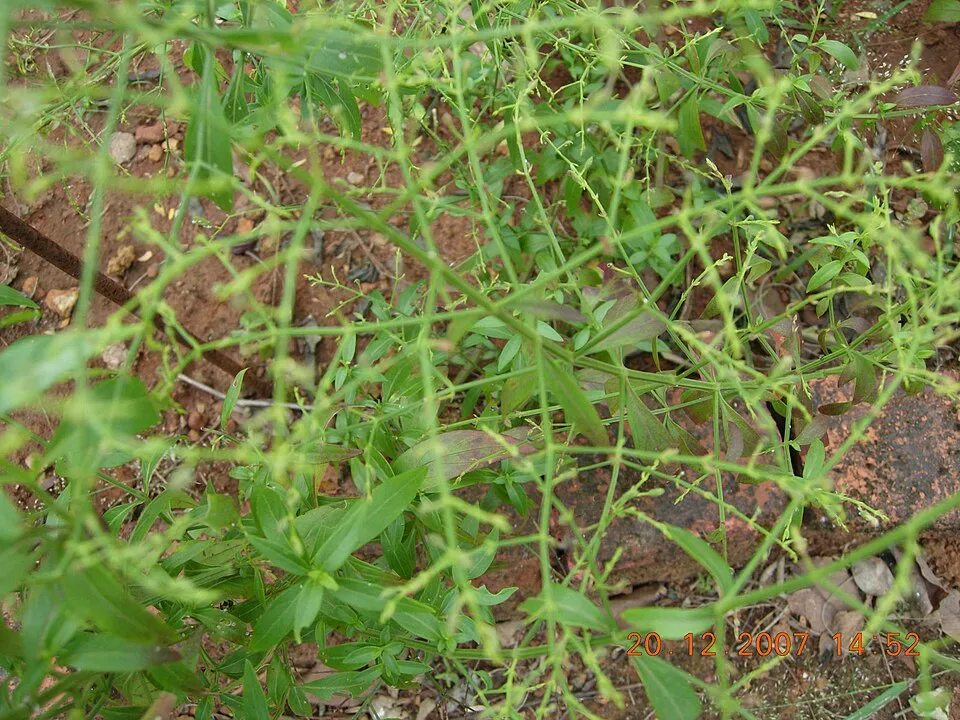
Kiratatikta, known scientifically as Swertia chirata, is a distinguished perennial herbaceous plant belonging to the Gentianaceae family, a group renowned for its diverse floral members often found in demanding environments. This slender herb typically achieves a height of 30 to 120 cm, showcasing a distinctive ridged stem that can range in color from vibrant green to a deep purplish hue. Its leaves are arranged oppositely along the stem, presenting an elegant lanceolate to ovate shape, usually spanning 4 to 10 cm in length. They are characterized by their dark green color, smooth margins, and a subtle glossy sheen that catches the light. The inflorescence of Swertia chirata is particularly captivating, featuring clusters of small, star-shaped flowers. These blooms exhibit a delicate palette of yellowish-green to pale green, often adorned with intricate purple or brown markings, each measuring up to 2 cm across.
Each flower is composed of five lanceolate petals that form a bell-like structure, adding to its unique aesthetic. Following successful pollination, the plant produces a small, ovoid capsule as its fruit, which encases several flattened, minute seeds. Ecologically, Kiratatikta flourishes in the temperate zones of the majestic Himalayan mountain range, thriving in countries such as Nepal, India, and Bhutan. It prefers moist, shaded habitats, frequently found nestled near the banks of streams or within the undergrowth of forests, reflecting its adaptation to specific microclimates. Taxonomically, its placement within the Gentianaceae family underscores its relationship with other bitter-tasting plants, a characteristic central to its medicinal efficacy. Historically, Kiratatikta holds profound significance in various traditional medicinal systems.
It is extensively documented and revered in Ayurveda, Unani, and Siddha medicine for its potent therapeutic properties, primarily attributed to its intensely bitter taste, from which it derives its Sanskrit name, meaning 'utterly bitter'. Ancient texts like Charaka Samhita, Sushruta Samhita, and Ashtangahridayam extensively detail its applications. It is often distinguished from Andrographis paniculata (Kalamegha), though they share some therapeutic overlap and are occasionally confused, with Swertia chirata being particularly noted for its cold potency and efficacy in Kapha and Pitta imbalances. Its widespread recognition across various traditional pharmacopoeias highlights its long-standing role as a ...[CURRENT TEXT EXISTS: 2810 chars]
1.1.Kiratatikta — Distinguishing Points
- ✓Intense Bitter Taste — The defining characteristic, central to its medicinal efficacy.
- ✓Himalayan Origin — Naturally thrives in temperate regions of the Himalayas.
- ✓Gentianaceae Family — Belongs to a family known for bitter medicinal plants.
- ✓Perennial Herb — A herbaceous plant with a life cycle extending over several years.
- ✓Distinctive Morphology — Slender ridged stem, lanceolate leaves, yellowish-green flowers.
- ✓Ayurvedic & Unani Staple — Deeply integrated into traditional Indian medicine systems.
- ✓Broad Therapeutic Spectrum — Addresses fevers, liver, skin, digestion, and more.
- ✓Rich in Xanthones — Contains powerful compounds like Swerchirin and Mangiferin.
- ✓Abundant Iridoid Glycosides — Features Amarogentin and Swertiamarin for bitterness and action.
- ✓Antipyretic Properties — Highly effective in reducing various types of fever.
- ✓Hepatoprotective Action — Supports liver health and aids in detoxification.
- ✓Anti — inflammatory Benefits — Helps reduce inflammation throughout the body.
- ✓Antidiabetic Potential — Contributes to the regulation of blood glucose levels.
- ✓Digestive Aid — Stimulates appetite and improves overall digestion.
- ✓Blood Purifier — Traditionally used to cleanse the blood and improve skin health.
1.2.Kiratatikta — Snapshot Summary
- ✓Kiratatikta (Swertia chirata) is a potent perennial herb from the Himalayas.
- ✓Renowned for its intense bitter taste and broad therapeutic applications.
- ✓A cornerstone in Ayurvedic and Unani medicine for fever, liver, and skin conditions.
- ✓Exhibits antipyretic, hepatoprotective, anti-inflammatory, and digestive stimulant properties.
- ✓Effective in managing blood sugar levels and purifying the blood.
- ✓Key chemical constituents include iridoid glycosides and xanthones.
- ✓Requires careful dosage and medical consultation, especially for specific health conditions.
- ✓Valued for its traditional use in boosting immunity and aiding digestion.
2.Kiratatikta — Nomenclature & Classification
3.Kiratatikta — Vital Statistics
4.Kiratatikta — Botanical Features
5.Kiratatikta — Native Range & Habitat
6.Kiratatikta — Traditional Uses
7.Kiratatikta — Key Phytochemicals
- ✓Iridoid Glycosides — Key compounds include Swertiamarin, Amarogentin, Amaroswerin, and Gentiopicroside. These are primarily responsible for the intense bitterness and exhibit significant anti-inflammatory, hepatoprotective, antidiabetic, and digestive stimulant activities.
- ✓Xanthones — Prominent xanthones found in Swertia chirata include Swerchirin, Mangiferin, Isomangiferin, and Chiratin. These compounds contribute to the herb's antipyretic, anti-malarial, anti-inflammatory, and antioxidant properties, playing a crucial role in its broad therapeutic spectrum.
- ✓Triterpenoids — Ursolic acid and Oleanolic acid are notable triterpenoids present. They possess anti-inflammatory, hepatoprotective, and anticancer activities, contributing to the plant's protective effects on various organ systems.
- ✓Flavonoids — Various flavonoids are found, acting as potent antioxidants and contributing to the plant's anti-inflammatory and vascular protective effects. They help in scavenging free radicals and reducing oxidative stress.
- ✓Alkaloids — Gentianine is an alkaloid present, known for its antipyretic and anti-inflammatory actions. While not as dominant as other classes, alkaloids contribute to the plant's overall pharmacological profile.
- ✓Secoiridoids — Similar to iridoid glycosides, secoiridoids like Secologanin are precursors to many other compounds and contribute to the bitter taste and various medicinal properties, including anti-inflammatory and antimicrobial effects.
- ✓Phenolic Acids — Compounds such as caffeic acid and ferulic acid are present, offering antioxidant and anti-inflammatory benefits. They contribute to the plant's ability to combat oxidative damage.
- ✓Tannins — These astringent compounds contribute to the plant's wound-healing and anti-diarrheal properties. Tannins also have antimicrobial effects, aiding in infection control.
- ✓Volatile Oils — Present in trace amounts, these contribute to the plant's aroma and may possess mild antimicrobial and carminative properties, though not a primary active constituent.
- ✓Resins — These complex mixtures of organic compounds contribute to the plant's overall medicinal properties, often enhancing the effects of other active constituents and providing protective layers.
8.Kiratatikta — Scientific Evidence
- ✓Antipyretic Action — Kiratatikta is highly regarded for its potent fever-reducing properties, particularly effective in intermittent and chronic fevers. Its bitter principles are believed to modulate immune responses and inhibit pro-inflammatory cytokines, helping to bring down body temperature.
- ✓Hepatoprotective Effects — This herb offers significant protection to the liver, aiding in detoxification and supporting liver function. Compounds like swertiamarin and chiratnin help in regenerating liver cells and protecting against toxin-induced damage, making it beneficial for various liver disorders.
- ✓Digestive Stimulant — As a classic bitter tonic, Swertia chirata stimulates digestive enzymes and bile secretion, significantly improving appetite and alleviating dyspepsia. It enhances overall gastrointestinal motility and nutrient absorption.
- ✓Anti-inflammatory Properties — Kiratatikta exhibits strong anti-inflammatory actions, which are beneficial in managing various inflammatory conditions. Its active constituents work by inhibiting inflammatory pathways, reducing swelling and pain throughout the body.
- ✓Anthelmintic Activity — The plant is traditionally used to expel intestinal worms and parasites. Its bitter compounds create an unfavorable environment for parasites, leading to their eradication from the gastrointestinal tract.
- ✓Blood Purifier — In Ayurvedic medicine, Kiratatikta is esteemed as a powerful blood purifier, aiding in the elimination of toxins from the bloodstream. This action contributes to its effectiveness in treating various skin conditions and improving overall systemic health.
- ✓Antidiabetic Potential — Research indicates that Swertia chirata can help in lowering blood sugar levels. It is believed to enhance insulin secretion and improve glucose utilization, making it a valuable herb for managing diabetes.
- ✓Dermatological Support — Due to its anti-inflammatory, antimicrobial, and blood-purifying actions, Kiratatikta is widely used in treating skin conditions such as eczema, acne, itching, and chronic ulcers. It promotes skin healing and reduces inflammation.
- ✓Respiratory Aid — The herb is beneficial in alleviating symptoms of respiratory conditions like cough and asthma. Its expectorant properties help clear congestion, while its anti-inflammatory effects soothe irritated airways.
- ✓Wound Healing Acceleration — Topical application or internal use of Kiratatikta promotes faster healing of wounds and ulcers. Its antimicrobial properties prevent infection, and its regenerative effects aid in tissue repair.
- ✓Anti-malarial Efficacy — Clinical studies and traditional uses highlight its effectiveness against malarial fevers. Extracts have shown anti-plasmodial activity, interfering with the life cycle of the malaria parasite.
- ✓Cholagogue Action — Kiratatikta promotes the flow of bile from the liver, which is crucial for fat digestion and detoxification. This cholagogue effect supports healthy gallbladder function and prevents bile stagnation.
- ✓Immunomodulatory Effects — The plant helps in modulating the immune system, enhancing the body's natural defense mechanisms. This makes it useful in recurrent infections and improving general immunity.
- ✓Relief from Excessive Thirst — In traditional medicine, its cooling potency helps alleviate excessive thirst, particularly in febrile conditions. It balances bodily fluids and reduces internal heat.
- ✓Uterine Tonic — Traditionally, it has been used to manage certain bleeding disorders, such as heavy menstrual periods. It helps regulate blood flow and strengthens uterine tissues.
8.1.Kiratatikta — Therapeutic Indications
9.Kiratatikta — Safety & Side Effects
9.1.Kiratatikta — Possible Adverse Reactions
- ✓Nausea and Vomiting — Due to its intense bitterness, some individuals may experience nausea or even vomiting, especially with higher doses or on an empty stomach.
- ✓Hypoglycemia — Kiratatikta has blood sugar-lowering effects; excessive use or use with antidiabetic medications can lead to hypoglycemia (low blood sugar).
- ✓Gastrointestinal Discomfort — In sensitive individuals, it may cause stomach upset, abdominal pain, or loose stools.
- ✓Allergic Reactions — Though rare, some individuals may experience allergic reactions such as skin rashes or itching.
- ✓Diarrhea — Its laxative properties, particularly when used in high doses, can potentially lead to diarrhea.
- ✓Reduced Sleep (Ayurvedic reference) — Traditional texts mention it can reduce sleep for some individuals, possibly due to its stimulating properties.
- ✓Bitter Taste Persistence — The bitter taste can linger in the mouth for an extended period, which some users find unpleasant.
9.2.Kiratatikta — Safety Overview
- ✓Pregnancy — Not recommended for use during pregnancy without strict medical supervision, as its effects on fetal development are not fully established.
- ✓Lactation — Generally considered safe for lactating mothers in monitored doses, but consultation with a healthcare professional is advisable.
- ✓Children — Can be used in children, but dosage must be significantly reduced and administered under professional guidance due to its potent bitterness and effects.
- ✓Diabetes Management — Individuals with diabetes should use Kiratatikta with caution and under medical supervision, regularly monitoring blood glucose levels due to its hypoglycemic effects.
- ✓Drug Interactions — May interact with antidiabetic medications, blood thinners, and other drugs. Consult a healthcare provider before combining with Western medicines.
- ✓Pre-existing Conditions — Individuals with severe gastrointestinal issues, bleeding disorders, or other chronic health conditions should seek medical advice prior to use.
- ✓Dosage Adherence — Adhere strictly to recommended dosages; excessive intake can exacerbate side effects.
- ✓Quality Sourcing — Ensure the herb is sourced from reputable suppliers to avoid contamination or adulteration, which can impact safety and efficacy.
- ✓Long-term Use — Consult a practitioner for guidance on long-term use, as prolonged high-dose administration may not be suitable for everyone.
10.Kiratatikta — Preparation Methods
- ✓Decoction (Kwatha) — Prepare by boiling 1-3 grams of dried Kiratatikta powder or coarsely crushed plant material in 50-100 ml of water until reduced to half. Consume 20-30 ml, 2-3 times daily, for fevers, liver support, and digestive issues.
- ✓Powder (Churna) — Take 1-3 grams of fine Kiratatikta powder, often mixed with honey or warm water, once or twice daily. This method is effective for anorexia, nausea, and general bitter tonic effects.
- ✓Infusion — Steep 1-2 grams of dried herb in a cup of hot water for 10-15 minutes, then strain. Drink as a bitter tea for mild digestive support or to alleviate thirst.
- ✓Medicated Oil (Taila) — A paste of the fresh plant (approx. 50g) is cooked with 200 ml of sesame or coconut oil until moisture evaporates. This oil is applied topically for eczema, itching, dandruff, and skin lesions.
- ✓Topical Paste — A fine paste made from fresh Kiratatikta leaves can be applied directly to skin conditions like eczema, acne, or chronic ulcers for local anti-inflammatory and antimicrobial effects.
- ✓Combination Decoction for Fevers — Combine Kiratatikta with equal parts ginger and black pepper (3g each) to make a decoction. Administer 20-30 ml, 3-4 times daily, to pacify recurrent fevers and colds.
- ✓Combination Decoction for Skin Diseases — Prepare a decoction from equal amounts of Kiratatikta, Neem, and Triphala. Use internally for diabetes, itching skin diseases, and externally for washing chronic wounds and ulcers.
- ✓Liver Stimulant Formulation — Incorporate Kiratatikta into polyherbal formulations, often with other hepatoprotective herbs, to enhance its liver-stimulating and detoxifying actions.
- ✓Wound Wash — A strong decoction of Kiratatikta can be used as an antiseptic wash for infected wounds, promoting cleanliness and faster healing due to its antimicrobial properties.
- ✓Bitter Tonic for Appetite — A small amount of Kiratatikta powder (e.g., 0.5-1g) mixed with honey and licked before meals can significantly improve appetite and digestive fire.
11.Kiratatikta — How to Grow
- ✓Seed Propagation — Kiratatikta is primarily propagated through seeds, which require specific conditions for germination.
- ✓Soil Requirements — Thrives in well-drained, fertile soil rich in organic matter, with a slightly acidic to neutral pH (6.0-7.0).
- ✓Light Conditions — Prefers partial shade to full shade, mimicking its natural habitat in forest understories; direct harsh sunlight should be avoided.
- ✓Watering — Requires consistent moisture, especially during the growing season; soil should remain damp but not waterlogged.
- ✓Temperature & Humidity — Best suited for temperate climates, tolerating cool temperatures but susceptible to frost. High humidity is beneficial.
- ✓Land Preparation — Prepare beds with good aeration and incorporate compost or well-rotted manure to enhance soil fertility.
- ✓Planting Time — Seeds are typically sown in spring or early summer after the last frost threat has passed.
- ✓Spacing — Allow adequate spacing between plants (e.g., 20-30 cm) to ensure proper air circulation and growth.
- ✓Pest & Disease Management — Generally robust, but monitor for common plant pests and fungal diseases in overly humid conditions. Organic pest control methods are recommended.
- ✓Harvesting — The entire plant, including roots, is typically harvested when it reaches maturity, usually in late autumn, for maximum medicinal potency.
- ✓Post-Harvest Handling — Harvested plants should be thoroughly cleaned, dried in a shaded, well-ventilated area, and stored properly to preserve active constituents.
Reviewed by the Flora Medical Global Botanical Review Panel
Multi-disciplinary editorial group · Botany · Ethnobotany · Herbal-medicine literature
Who reviewed this: This page was checked by the Flora Medical Global Botanical Review Panel — an in-house editorial group of botany graduates, ethnobotany researchers, and horticulture practitioners who collectively maintain our 7,000+ plant encyclopedia. Meet the team.
Our 4-step verification process
1. Taxonomic verification
Scientific names and synonyms cross-checked against Kew POWO, World Flora Online, and The Plant List.
2. Phytochemical & medicinal cross-reference
Active compounds, traditional uses, and reported activities are cross-referenced with PubMed, USDA Dr. Duke's database, and peer-reviewed ethnobotanical literature.
3. Conservation & distribution check
Distribution, ecology, and conservation status confirmed against GBIF occurrence records and the IUCN Red List.
4. Editorial & safety review
Every entry passes an editorial pass for clarity, originality, and safety notices (toxicity, contraindications, dosage caveats) before publication.
Last reviewed:
Important medical disclaimer: This content is for educational and research purposes only. It is not medical advice and is not a substitute for consultation with a licensed healthcare provider. Do not use any herb to self-treat a medical condition without professional guidance.
Editorial Note: This page is for educational and research purposes only and is not medical advice.
Written by: Flora Medical Global Editorial Team
Reviewed by: Flora Medical Global Botanical Review Panel
Last Updated: June 15, 2026





Kiratatikta — Comments & Community Reviews
Rate this plant