

Medical Disclaimer: This content is for educational purposes only. It is not medical advice. Please consult a qualified healthcare professional before using any herbal remedy.
Safety Overview
1.Kniphofia Uvaria — At a Glance
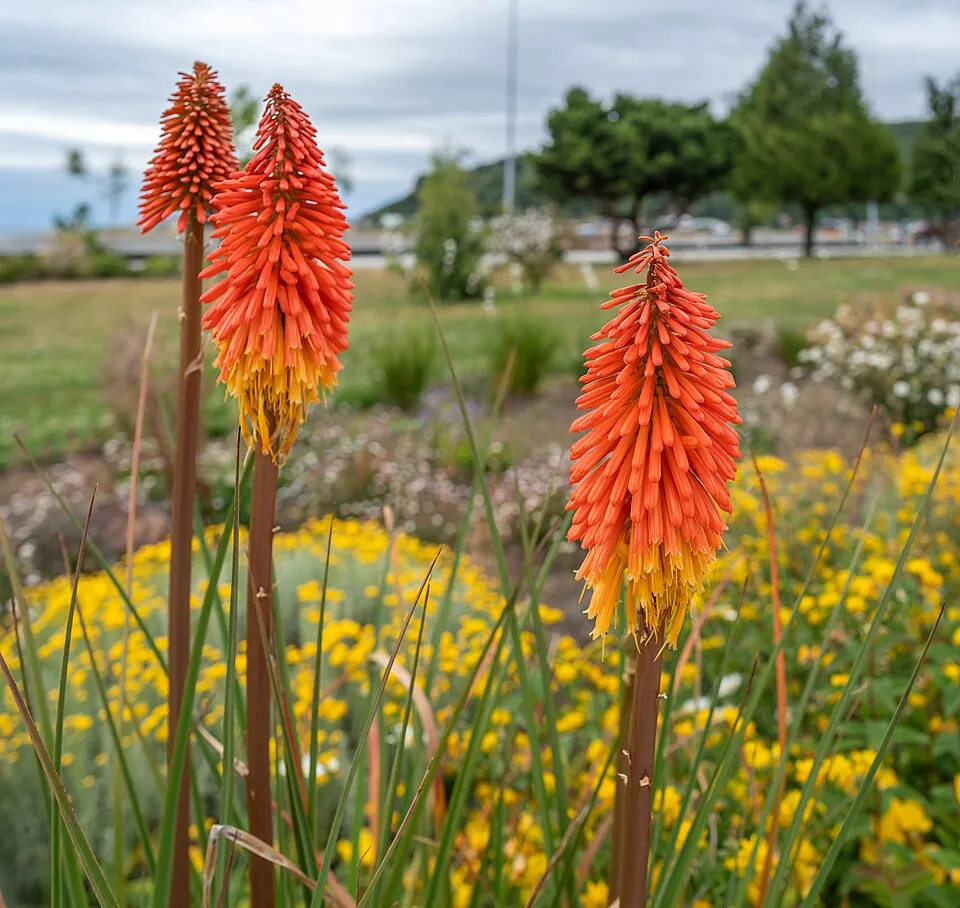
Kniphofia uvaria, commonly known as Red Hot Poker or Torch Lily, is a striking perennial herb native to the grasslands, rocky outcrops, and montane regions of South Africa, particularly the Eastern Cape. This iconic member of the Asphodelaceae family, which also includes aloes and daylilies, is celebrated for its dramatic and vibrant inflorescences.
The plant typically forms robust clumps of long, linear, and somewhat leathery basal leaves, which are often glaucous (bluish-green) and can extend up to 90 cm in length. These evergreen leaves provide a lush, architectural foundation for much of the year, contributing to its appeal even outside of its blooming season.
The most distinctive feature of Kniphofia uvaria is its spectacular flower spikes. Emerging from late spring through late summer, and sometimes into fall, these rigid, upright scapes can reach impressive heights of 1 to 1.5 meters, or even more in optimal conditions. Each scape is topped with a dense, cylindrical to conical raceme composed of numerous tubular florets.
The coloration of these racemes is particularly captivating, typically displaying a gradient from bright scarlet or fiery orange at the apex (where the buds are still developing) to softer shades of yellow or creamy white towards the base (where the flowers are mature). This fiery transition, reminiscent of glowing embers or a burning torch, is the origin of its common names. Individual florets are about 2.5 cm long, featuring prominent stamens and pistils that attract a wide array of pollinators, including bees, butterflies, and hummingbirds.
The plant's rhizomatous root system allows it to form substantial, spreading clumps over time, making it a vigorous and long-lived addition to landscapes. It thrives in full sun and well-drained soil, exhibiting considerable drought tolerance once established.
Trusted Scientific References
1. Authoritative external sources for Kniphofia uvaria
1.1 Wikipedia — Kniphofia uvaria
1.2 Kew POWO (Plants of the World Online)
1.3 PubMed — peer-reviewed research
1.4 NCBI Taxonomy Browser
1.5 GBIF — Global Biodiversity
1.1.Kniphofia Uvaria — Highlights
- ✓Striking Red — Orange-Yellow Gradient Flowers — Unique fiery inflorescences.
- ✓Drought — Tolerant — Low water needs once established.
- ✓Attracts Pollinators — Highly attractive to bees, butterflies, and hummingbirds.
- ✓Deer and Rabbit Resistant — Seldom browsed by wildlife.
- ✓Architectural Form — Provides strong vertical accent in gardens.
- ✓Evergreen to Semi — Evergreen Foliage — Maintains green presence year-round in many climates.
- ✓Low Maintenance — Easy to grow and care for.
- ✓South African Native — Originates from diverse habitats in Southern and Eastern Africa.
- ✓Long Blooming Period — Flowers from late spring through fall.
- ✓Rhizomatous Growth — Forms substantial, spreading clumps over time.
1.2.Kniphofia Uvaria — Quick Summary
- ✓Red Hot Poker is a vibrant perennial from South Africa, known for fiery, gradient flower spikes.
- ✓Traditionally used for anti-inflammatory, wound healing, and mild antiseptic properties.
- ✓Contains flavonoids, saponins, and anthraquinones contributing to its biological activities.
- ✓Requires full sun and well-drained soil; highly drought-tolerant once established.
- ✓Primarily used externally; internal consumption is not recommended due to limited safety data.
- ✓Attracts pollinators like hummingbirds and bees, making it excellent for garden biodiversity.
2.Kniphofia Uvaria — Scientific Identity
3.Kniphofia Uvaria — Fact Sheet
4.Kniphofia Uvaria — Botanical Features
5.Kniphofia Uvaria — Ecological Habitat
6.Kniphofia Uvaria — Heritage Uses
7.Kniphofia Uvaria — Phytochemistry
- ✓Anthraquinones — These compounds, such as aloe-emodin and chrysophanol, are often found in Asphodelaceae and are known for their laxative and antimicrobial properties.
- ✓Flavonoids — Quercetin, kaempferol, and their glycosides contribute to antioxidant, anti-inflammatory, and cardioprotective effects.
- ✓Saponins — Triterpenoid and steroidal saponins are present, which may have expectorant, anti-inflammatory, and hypocholesterolemic activities.
- ✓Phenolic Acids — Caffeic acid and ferulic acid derivatives offer antioxidant and anti-inflammatory benefits.
- ✓Naphthoquinones — Some species in the family contain naphthoquinones, which can exhibit antimicrobial and cytotoxic properties.
- ✓Glycosides — Various glycosidic compounds, including cardiac glycosides in some related species, contribute to biological activity.
- ✓Polysaccharides — Mucilaginous polysaccharides may provide soothing and demulcent effects, particularly for digestive and skin issues.
- ✓Volatile Compounds — Minor amounts of essential oils and volatile organic compounds contribute to the plant's aroma and potential insect-repelling properties.
- ✓Phytosterols — Beta-sitosterol and campesterol are present, known for their cholesterol-lowering and anti-inflammatory actions.
- ✓Triterpenes — Ursolic acid and oleanolic acid derivatives, which possess anti-inflammatory and hepatoprotective properties, can be found.
8.Kniphofia Uvaria — Scientific Evidence
- ✓Anti-inflammatory Properties — Traditionally, extracts have been used to alleviate inflammation, potentially due to the presence of flavonoids and saponins.
- ✓Wound Healing Support — Poultices prepared from leaves or roots have been applied topically to aid in the healing of minor cuts and abrasions.
- ✓Antiseptic Action — Certain compounds within the plant may exhibit mild antiseptic qualities, useful in traditional wound care.
- ✓Diuretic Effects — In some traditional practices, infusions were consumed to promote diuresis and support kidney function.
- ✓Digestive Aid — Historically, parts of the plant were used to soothe digestive discomfort and promote regularity.
- ✓Fever Reduction — Indigenous communities occasionally employed preparations to help reduce fever.
- ✓Pain Relief — Anecdotal evidence suggests its use in traditional medicine for localized pain alleviation.
- ✓Skin Irritation Soother — Extracts have been used topically to calm various skin irritations and insect bites.
- ✓Antioxidant Activity — Phytochemicals present may offer antioxidant benefits, protecting cells from oxidative stress.
- ✓Antimicrobial Potential — Preliminary studies indicate some extracts might possess mild antimicrobial properties against certain pathogens.
- ✓Respiratory Support — In folk medicine, it was sometimes used for minor respiratory complaints like coughs.
- ✓Joint Health — Traditional applications included remedies for joint stiffness and discomfort.
8.1.Kniphofia Uvaria — Therapeutic Indications
9.Kniphofia Uvaria — Safety & Side Effects
9.1.Kniphofia Uvaria — Reported Side Effects
- ✓Skin Irritation — Direct contact with sap or plant parts can cause mild skin irritation or dermatitis in sensitive individuals.
- ✓Gastrointestinal Upset — Ingesting large quantities of raw plant material may lead to nausea, vomiting, or diarrhea.
- ✓Allergic Reactions — Individuals with plant allergies, particularly to members of the Asphodelaceae family, may experience allergic responses.
- ✓Toxicity Concerns — While generally considered low toxicity, internal use without professional guidance is not recommended due to potential unknown compounds.
- ✓Photosensitivity — Some plant compounds can increase skin sensitivity to sunlight, though this is rare with Kniphofia uvaria.
- ✓Interaction with Medications — Potential for interaction with certain medications, especially diuretics or laxatives, if consumed internally.
9.2.Kniphofia Uvaria — Safety Profile
- ✓External Use Only — Primarily recommended for external, topical applications due to limited internal safety data.
- ✓Patch Test Recommended — Always perform a patch test on a small skin area before widespread topical application to check for sensitivity.
- ✓Not for Internal Consumption — Avoid ingesting any part of the plant unless under the direct supervision of a qualified herbalist or medical professional.
- ✓Pregnant/Nursing Women — Should avoid use due to insufficient safety data.
- ✓Children — Keep out of reach of children and pets to prevent accidental ingestion.
- ✓Allergic Individuals — People with known allergies to plants in the Asphodelaceae family should exercise caution.
- ✓Consult a Professional — Always consult with a healthcare provider or qualified herbalist before using for medicinal purposes, especially if on medication.
10.Kniphofia Uvaria — Preparation Methods
- ✓Topical Poultices — Crushed leaves or roots can be applied directly to minor cuts, burns, or insect bites to aid healing and reduce inflammation.
- ✓Infusions for Skin — Dried flowers or leaves steeped in hot water can be used as a wash for skin irritations.
- ✓Decoctions for Internal Use — Roots can be simmered to create a decoction for traditional internal use, though caution is advised due to limited research.
- ✓Floral Arrangements — The striking flower spikes are excellent as cut flowers, adding a vibrant and architectural element to bouquets.
- ✓Garden Specimen — Planted as a focal point in borders, rock gardens, or xeriscapes for its dramatic visual impact.
- ✓Pollinator Garden — Its nectar-rich flowers attract bees, butterflies, and hummingbirds, making it ideal for wildlife gardens.
- ✓Landscaping — Used in mass plantings for bold color or mixed with other drought-tolerant plants for a Mediterranean or tropical effect.
11.Kniphofia Uvaria — How to Grow
- ✓Site Selection — Plant in full sun (at least 6 hours daily) for optimal flowering; tolerates partial shade but with reduced bloom.
- ✓Soil Requirements — Prefers well-drained soil rich in organic matter; avoid waterlogged conditions, especially in winter.
- ✓Watering — Water regularly until established; once mature, it is highly drought-tolerant, requiring minimal irrigation.
- ✓Fertilization — Apply a balanced, all-purpose fertilizer sparingly in spring if soil fertility is low; excessive feeding can reduce flowering.
- ✓Pruning — Deadhead spent flower spikes to encourage reblooming and maintain a tidy appearance; leave foliage through winter for crown protection.
- ✓Division — Divide established clumps every 3-5 years in spring or fall to rejuvenate plants and prevent overcrowding.
- ✓Pest & Disease Management — Generally pest-resistant; watch for thrips and prevent root rot by ensuring good drainage.
- ✓Hardiness — Suitable for USDA Zones 5-9; mulch in colder zones for winter protection.
Reviewed by the Flora Medical Global Botanical Review Panel
Multi-disciplinary editorial group · Botany · Ethnobotany · Herbal-medicine literature
Who reviewed this: This page was checked by the Flora Medical Global Botanical Review Panel — an in-house editorial group of botany graduates, ethnobotany researchers, and horticulture practitioners who collectively maintain our 7,000+ plant encyclopedia. Meet the team.
Our 4-step verification process
1. Taxonomic verification
Scientific names and synonyms cross-checked against Kew POWO, World Flora Online, and The Plant List.
2. Phytochemical & medicinal cross-reference
Active compounds, traditional uses, and reported activities are cross-referenced with PubMed, USDA Dr. Duke's database, and peer-reviewed ethnobotanical literature.
3. Conservation & distribution check
Distribution, ecology, and conservation status confirmed against GBIF occurrence records and the IUCN Red List.
4. Editorial & safety review
Every entry passes an editorial pass for clarity, originality, and safety notices (toxicity, contraindications, dosage caveats) before publication.
Last reviewed:
Important medical disclaimer: This content is for educational and research purposes only. It is not medical advice and is not a substitute for consultation with a licensed healthcare provider. Do not use any herb to self-treat a medical condition without professional guidance.
Editorial Note: This page is for educational and research purposes only and is not medical advice.
Written by: Flora Medical Global Editorial Team
Reviewed by: Flora Medical Global Botanical Review Panel
Last Updated: June 15, 2026





Kniphofia Uvaria — Comments & Community Reviews
Rate this plant