


Medical Disclaimer: This content is for educational purposes only. It is not medical advice. Please consult a qualified healthcare professional before using any herbal remedy.
Safety Overview
1.Kokilaksha (Star Caltrop) — Plant Snapshot
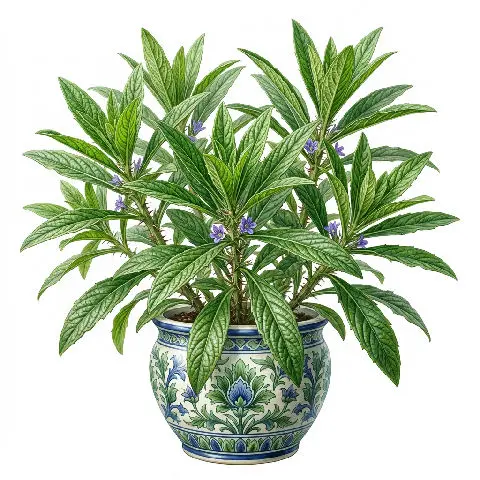
Asteracantha longifolia, widely recognized by its common names Kokilaksha and Star Caltrop, is a fascinating annual herbaceous plant belonging to the Acanthaceae family. Typically reaching a height of 60 to 90 centimeters, this robust species is characterized by its distinctive morphology. Its stems are angular and often exhibit a slightly hairy texture, providing a unique tactile characteristic. The leaves are lanceolate, long, and narrow, measuring between 5 to 15 centimeters in length, arranged oppositely along the stems. They possess a glossy, vibrant green hue that contributes significantly to the plant's visual appeal.
During the summer months, Kokilaksha produces striking, small, tubular flowers, predominantly blue to violet in color, which bloom in dense clusters forming prominent racemes. These inflorescences are known to attract a variety of pollinators, playing an important ecological role. The plant's fruit is a unique capsule, approximately 3 to 4 centimeters long, which, upon maturity, reveals a distinctive star-shaped profile and contains several small seeds. This species is predominantly found flourishing in marshy habitats, along riverbanks, and in other wetland environments across tropical and subtropical regions of Asia, with a significant presence in India. It thrives particularly well in wet, loamy soils, indicating its adaptation to water-rich ecosystems.
Taxonomically, Asteracantha longifolia is sometimes referred to by synonyms such as Hygrophila auriculata or Hygrophila spinosa, underscoring its close botanical relationships within the Acanthaceae family, a group well-known for its numerous medicinally significant herbs. Historically, Kokilaksha has been revered in traditional medicine systems, most notably Ayurveda, for centuries, where it is valued for its comprehensive ability to support various health conditions and promote overall well-being. Its preference for warm climates with ample water makes it an ideal candidate for cultivation in similar wetland or irrigated environments, ensuring its continued availability for both traditional and modern applications.
Trusted Scientific References
1. Authoritative external sources for Asteracantha longifolia
1.1 Wikipedia — Asteracantha longifolia
1.2 Kew POWO (Plants of the World Online)
1.3 PubMed — peer-reviewed research
1.4 NCBI Taxonomy Browser
1.5 GBIF — Global Biodiversity
1.1.Kokilaksha (Star Caltrop) — Standout Qualities
- ✓Botanical Name — Asteracantha longifolia (Nees), also known as Hygrophila auriculata.
- ✓Common Names — Kokilaksha, Star Caltrop, Talimakhana, Ikshura.
- ✓Family — Acanthaceae, a family known for many medicinal herbs.
- ✓Habitat Preference — Thrives in marshy lands, riverbanks, and other wetland environments.
- ✓Geographic Distribution — Predominantly found across tropical and subtropical regions of Asia, especially India.
- ✓Key Phytochemicals — Contains a rich profile of alkaloids (e.g., asteracanthine), flavonoids (e.g., apigenin glucuronide), phytosterols, triterpenes (e.g., lupeol), and glycosides.
- ✓Primary Traditional Uses — Valued as an aphrodisiac, diuretic, hepatoprotective, and anti-inflammatory agent.
- ✓Ayurvedic Indications — Classified as Vrushya (aphrodisiac), Balya (strength-promoting), and Vata-Pitta Shamaka (pacifies Vata and Pitta doshas).
- ✓Plant Morphology — A thorny herbaceous plant, typically 60-90 cm tall, with lanceolate leaves and striking blue to violet tubular flowers.
- ✓Unique Fruit Feature — Produces a distinctive star-shaped fruit capsule containing several seeds.
- ✓Main Parts Used Medicinally — The roots, seeds, and the entire plant are utilized for therapeutic purposes.
- ✓Propagation Method — Primarily grown from seeds, but can also be propagated via stem cuttings.
- ✓Soil Preference — Prefers wet, loamy soils that retain moisture.
- ✓Unique Seed Property — Its seeds swell and become slimy upon contact with water, indicating a high mucilage content, beneficial for demulcent actions.
- ✓Traditional Preparation Forms — Commonly used as decoctions (Kashaya), powders (Choorna), and ashes (Kshara).
1.2.Kokilaksha (Star Caltrop) — In Brief
- ✓Traditional Ayurvedic powerhouse for vitality, detoxification, and reproductive health.
- ✓Renowned for its potent diuretic, hepatoprotective, and aphrodisiac properties.
- ✓Rich in diverse phytochemicals including alkaloids, flavonoids, phytosterols, and triterpenes.
- ✓Thrives naturally in marshy, wetland environments across tropical and subtropical Asia.
- ✓Roots, seeds, and the whole plant are extensively utilized in traditional medicine.
- ✓Supports kidney, liver, urinary, joint, and male reproductive system health.
- ✓Generally considered safe with few reported side effects when used appropriately.
2.Kokilaksha (Star Caltrop) — Scientific Profile
3.Kokilaksha (Star Caltrop) — Botanical Stats
4.Kokilaksha (Star Caltrop) — Plant Morphology
5.Kokilaksha (Star Caltrop) — Geographic Distribution
6.Kokilaksha (Star Caltrop) — Ethnobotanical Uses
7.Kokilaksha (Star Caltrop) — Active Compounds
- ✓Alkaloids — Key alkaloids like asteracanthine are present, contributing to the plant's diverse pharmacological activities, including potential anti-inflammatory and analgesic effects. These nitrogen-containing organic molecules often interact with neurotransmitter systems or enzyme pathways, influencing physiological responses.
- ✓Flavonoids — Compounds such as apigenin glucuronide are abundant, acting as potent antioxidants and anti-inflammatory agents. Flavonoids help scavenge free radicals, reduce oxidative stress, and modulate immune responses, contributing to the plant's hepatoprotective and anti-arthritic properties.
- ✓Phytosterols — Stigmasterol is a prominent phytosterol found in Kokilaksha, particularly in the seeds. These plant sterols are known for their potential to lower cholesterol levels and exhibit anti-inflammatory and immune-modulating activities.
- ✓Triterpenes — Lupeol is a significant triterpene identified in the plant. Triterpenes are recognized for their broad spectrum of biological activities, including anti-inflammatory, anti-cancer, and hepatoprotective effects.
- ✓Glycosides — Various glycosides are present, which are compounds where a sugar molecule is attached to a non-sugar component. These can contribute to a range of activities, including cardiotonic, anti-inflammatory, and antimicrobial effects, depending on their aglycone structure.
- ✓Fatty Acids — The seeds of Asteracantha longifolia are particularly rich in various fatty acids, which are crucial for nutritional support and cellular integrity. These lipids provide energy and contribute to the overall tonic properties of the seeds, especially for reproductive health.
- ✓Hydrocarbons — A range of hydrocarbons are also isolated from the plant, though their specific pharmacological roles are often less pronounced compared to other active constituents. They can contribute to the plant's waxy coatings and structural integrity.
- ✓Mucilage — The seeds, when wet, produce a slimy mucilaginous layer. This soluble fiber is known for its demulcent properties, providing soothing effects on mucous membranes and potentially aiding digestion and detoxification.
- ✓Minerals — The plant accumulates various essential minerals from its marshy habitat, contributing to its overall nutritional profile and supporting enzymatic functions within the body.
- ✓Saponins — While not explicitly listed in all sources, some Acanthaceae members contain saponins, which can contribute to expectorant, anti-inflammatory, and cholesterol-lowering effects.
8.Kokilaksha (Star Caltrop) — Research Insights
- ✓Diuretic Support — Kokilaksha is traditionally used to promote healthy urine flow and address urinary issues such as dysuria. Its phytochemicals, particularly certain flavonoids and triterpenes, are believed to stimulate kidney function, aiding in the excretion of excess fluids and waste products, which can alleviate edema and support renal health.
- ✓Hepatoprotective Action — The plant has demonstrated significant liver-protective qualities, making it valuable in managing liver disorders like jaundice and hepatomegaly. Its antioxidant compounds help protect liver cells from oxidative damage, while other constituents may support bile production and detoxification pathways, enhancing overall liver function.
- ✓Aphrodisiac Properties — Known as 'Vrushya' in Ayurveda, Kokilaksha is highly regarded for its ability to enhance sexual vigor and fertility. The seeds, especially, are used to improve sperm count and quality, addressing conditions like oligospermia and general sexual debility.
- ✓Anti-inflammatory Effects — The presence of compounds such as alkaloids and flavonoids contributes to the plant's potent anti-inflammatory activity. This makes it beneficial in alleviating symptoms associated with inflammatory conditions, including joint pain, swelling, and rheumatoid arthritis.
- ✓Anti-arthritic Action — Specifically, Kokilaksha is indicated in conditions like Vatarakta (Gout) and Amavata (rheumatoid arthritis). Its anti-inflammatory and analgesic properties help reduce pain and swelling in affected joints, improving mobility and comfort.
- ✓General Tonic and Rejuvenator — As a 'Balya' and 'Santarpana' herb, it improves overall strength, immunity, and provides nourishment to the body. It is often prescribed for general debility and fatigue, promoting vitality and energy.
- ✓Renal Calculi Management — The ash (Kshara) of the dried plant, particularly when combined with other herbs, is traditionally used to help dissolve and expel kidney and bladder stones. Its litholytic properties are attributed to its alkaline nature.
- ✓Digestive Health Support — Kokilaksha can aid in relieving various digestive complaints, including abdominal bloating (Anaha), distention, and constipation (Vibandha). It is believed to balance Vata Dosha, which often governs these symptoms.
- ✓Anemia Management — In Ayurvedic texts, it is indicated for 'Pandu' or anemia. While the exact mechanism is still under investigation, it is thought to support blood formation and overall vitality, potentially through nutritional support or metabolic enhancement.
- ✓Vision Health — Traditionally, Kokilaksha has been mentioned for 'Drushtiroga' or vision-related disorders. This suggests a potential role in supporting ocular health, possibly through its antioxidant content protecting delicate eye tissues.
- ✓Blood Purification — It is indicated for 'Asra' or blood disorders, which in Ayurveda can encompass conditions like abscesses, skin disorders, and bleeding disorders. Its detoxifying and anti-inflammatory properties may contribute to blood purification.
- ✓Management of Toxic Conditions — The plant is mentioned for 'Visha' or toxic conditions/poisoning. This suggests a traditional role in detoxification and mitigating the effects of various toxins within the body.
- ✓Relief from Excessive Thirst — Known as a remedy for 'Trushna,' or excessive thirst, Kokilaksha helps in balancing body fluids and may offer a cooling effect, providing relief in conditions characterized by intense thirst.
- ✓Abdominal Pain Relief — Its Vata-balancing properties make it useful in alleviating 'Shoola' or abdominal colic pain, often associated with irregular digestion and gas.
- ✓Supports Reproductive System — Beyond aphrodisiac effects, it nourishes reproductive tissues, helping to improve the viscosity of semen and overall reproductive health in men.
- ✓Anti-edematous Properties — Through its potent diuretic action, Kokilaksha effectively reduces general body swelling (anasarca) and pedal edema by facilitating the removal of excess interstitial fluid.
- ✓Appetizer and Taste Enhancer — As 'Ruchya,' it improves taste perception and stimulates appetite, making it beneficial for individuals experiencing anorexia or poor digestion.
- ✓Supports Cardiovascular Health — While not a primary indication, its diuretic and potential hypotensive effects may indirectly support cardiovascular health by managing fluid balance and blood pressure within healthy limits.
8.1.Kokilaksha (Star Caltrop) — Conditions Traditionally Used For
9.Kokilaksha (Star Caltrop) — Precautions & Warnings
9.1.Kokilaksha (Star Caltrop) — Warnings
- ✓Gastrointestinal Discomfort — While generally well-tolerated, some individuals might experience mild digestive upset such as bloating, stomach discomfort, or a feeling of fullness, especially with high doses or initial use.
- ✓Allergic Reactions — As with any plant material, there is a theoretical risk of allergic reactions in sensitive individuals, manifesting as skin rash, itching, hives, or, rarely, respiratory symptoms.
- ✓Hypotensive Effects — Due to its traditional use as a diuretic and potential impact on fluid balance, individuals with naturally low blood pressure or those on anti-hypertensive medication should use it cautiously, as it may further lower blood pressure.
- ✓Diuretic Interaction — Concurrent use with pharmaceutical diuretics might potentiate their effects, potentially leading to excessive fluid loss and electrolyte imbalance, such as hypokalemia.
- ✓Blood Sugar Modulation — Preliminary research on other Acanthaceae species suggests potential effects on blood sugar; thus, individuals with diabetes should monitor glucose levels closely if using Kokilaksha.
- ✓Pregnancy and Lactation — Lack of sufficient safety data advises against its use during pregnancy and lactation, as potential effects on fetal development or infant health are unknown.
- ✓Children — Insufficient research exists regarding its safety and appropriate dosage in young children; therefore, use is generally not recommended without expert medical guidance.
- ✓Drug Interactions — Patients on prescription medications, particularly those affecting blood pressure, blood sugar, kidney function, or blood thinners, should consult a healthcare professional before use due to potential interactions.
- ✓Excessive Dosage — Ingesting doses significantly higher than recommended could potentially lead to more pronounced diuretic effects or other unforeseen adverse reactions.
9.2.Kokilaksha (Star Caltrop) — Safety Profile
- ✓Pregnancy and Breastfeeding — Due to limited scientific data on its safety, Kokilaksha is generally contraindicated for use by pregnant and breastfeeding women. Consultation with a healthcare provider is essential.
- ✓Hypersensitivity — Individuals with known allergies to plants in the Acanthaceae family (e.g., Justicia adhatoda) should exercise caution or avoid use to prevent potential allergic reactions.
- ✓Renal and Cardiac Conditions — While traditionally used for urinary issues, those with severe kidney disease or congestive heart failure should consult a physician before use, especially given its diuretic action which could alter fluid and electrolyte balance.
- ✓Blood Pressure Medication — Patients taking antihypertensive drugs should use Kokilaksha cautiously, as it may potentially lower blood pressure further, necessitating dose adjustments or monitoring.
- ✓Diabetes Management — Individuals with diabetes, particularly those on blood-sugar-lowering medications, should monitor their glucose levels closely if using Kokilaksha, as potential interactions or effects on blood sugar are not fully studied.
- ✓Pre-surgical Precautions — It is advisable to discontinue Kokilaksha at least two weeks before any scheduled surgery due to potential effects on blood pressure or fluid balance, though specific evidence is limited.
- ✓Children and Infants — The use of Kokilaksha in pediatric populations is not well-researched and should be avoided unless under strict medical supervision by a qualified practitioner.
- ✓Dosage Adherence — Adhering strictly to recommended dosages is crucial, as excessive intake may increase the likelihood of adverse effects or unwanted physiological responses.
- ✓Professional Consultation — Always consult a qualified medical herbalist, Ayurvedic practitioner, or conventional healthcare provider before initiating any new herbal treatment, especially for chronic conditions or if on other medications, to ensure safe and appropriate use.
- ✓Quality Sourcing — Ensure Kokilaksha products are sourced from reputable suppliers to minimize risks of adulteration, contamination, or misidentification, which can impact safety and efficacy.
10.Kokilaksha (Star Caltrop) — Application Forms
- ✓Root Decoction — A decoction prepared from the roots of Kokilaksha is traditionally consumed to address jaundice, general body swelling, joint pain, and pedal edema. Typically, 10-30 ml is taken twice daily.
- ✓Seed Powder with Milk — For enhancing sexual vigor, treating oligospermia, and alleviating general debility or fatigue, 2-4 grams of finely powdered Kokilaksha seeds are mixed with warm milk and ingested, often daily, preferably on an empty stomach.
- ✓Whole Plant Ash (Kshara) — The ash, or Kshara, derived from burning the dried plant is traditionally used for renal and gall bladder calculi. It's often dissolved in water (1:100 ratio) and taken in small doses, or combined with Tribulus terrestris decoction.
- ✓Cold Seed Infusion — A cold infusion of Kokilaksha seeds, prepared by soaking seeds in cold water overnight, is consumed (25-30 ml) to improve urine passage and address conditions like hepatomegaly and abdominal bloating.
- ✓Joint Pain Remedy — For conditions like gouty arthritis and general joint pain, a decoction of the entire plant, in doses of 30-40 ml twice daily, is often combined with Ayurvedic formulations like Kaishora Guggulu or Gokshuradi Guggulu.
- ✓Anasarca Management — The ash of the Kokilaksha plant, when mixed with cow urine, is a traditional remedy for generalized body swelling (anasarca) and is taken orally.
- ✓Enhancing Digestion — When using seed powder for sexual health or as a general tonic, ensuring good digestion strength is emphasized, suggesting it should be taken with meals or after assessing digestive capacity to maximize absorption.
- ✓Herbal Ghee Preparation — In some Ayurvedic practices, the herb might be processed into medicated ghee (clarified butter) to enhance its bioavailability and deliver its fat-soluble constituents, especially for Vata-related disorders.
- ✓External Application — While internal use is primary, some traditional applications might involve a paste of the leaves or roots for localized swelling or skin conditions, though this is less common.
- ✓Synergistic Formulations — Kokilaksha is frequently used as an ingredient in complex Ayurvedic formulations, where its properties are balanced and enhanced by other herbs to target specific conditions more effectively.
11.Kokilaksha (Star Caltrop) — Growth Requirements
- ✓Propagation — Kokilaksha can be effectively propagated from both seeds and stem cuttings, with seeds being the most common method for larger-scale cultivation.
- ✓Soil Requirements — The plant thrives in rich, wet loamy soils that mimic its natural marshy habitat, ideally with a slightly acidic to neutral pH range of 6.0 to 7.5.
- ✓Water Availability — Consistent and abundant water supply is crucial for optimal growth, making it suitable for cultivation in wetland environments, rice paddies, or areas with reliable irrigation systems.
- ✓Climate Preference — A warm, tropical to subtropical climate is ideal, as the plant requires significant heat and humidity to flourish and complete its annual life cycle.
- ✓Sunlight Exposure — Full sun exposure, at least 6-8 hours daily, promotes robust growth, dense foliage, and prolific flowering and fruiting.
- ✓Planting Depth — Seeds should be sown shallowly, about 0.5 to 1 cm deep, directly into consistently moist soil or seed trays to ensure good germination rates.
- ✓Spacing — When transplanting seedlings or planting cuttings, maintain a spacing of approximately 30-45 cm between individual plants to allow for adequate growth and air circulation.
- ✓Fertilization — While adaptable, incorporating organic matter, such as compost or well-rotted manure, or a balanced slow-release fertilizer at planting can enhance vigor and yield.
- ✓Pest and Disease Management — Generally resilient, but monitoring for common wetland pests like aphids and fungal issues in overly humid or stagnant conditions is advisable.
- ✓Harvesting — Leaves and stems can be harvested as needed for fresh use, while roots and seeds are typically collected after the plant has matured and flowered, usually from September to November in its native regions.
- ✓Seed Collection — Fruits should be allowed to fully mature and dry on the plant before collecting the star-shaped capsules, from which the small black seeds can be extracted.
- ✓Post-Harvest Processing — Harvested plant parts, especially roots and seeds, should be thoroughly cleaned and dried in the shade to preserve their medicinal properties and prevent mold growth.
Reviewed by the Flora Medical Global Botanical Review Panel
Multi-disciplinary editorial group · Botany · Ethnobotany · Herbal-medicine literature
Who reviewed this: This page was checked by the Flora Medical Global Botanical Review Panel — an in-house editorial group of botany graduates, ethnobotany researchers, and horticulture practitioners who collectively maintain our 7,000+ plant encyclopedia. Meet the team.
Our 4-step verification process
1. Taxonomic verification
Scientific names and synonyms cross-checked against Kew POWO, World Flora Online, and The Plant List.
2. Phytochemical & medicinal cross-reference
Active compounds, traditional uses, and reported activities are cross-referenced with PubMed, USDA Dr. Duke's database, and peer-reviewed ethnobotanical literature.
3. Conservation & distribution check
Distribution, ecology, and conservation status confirmed against GBIF occurrence records and the IUCN Red List.
4. Editorial & safety review
Every entry passes an editorial pass for clarity, originality, and safety notices (toxicity, contraindications, dosage caveats) before publication.
Last reviewed:
Important medical disclaimer: This content is for educational and research purposes only. It is not medical advice and is not a substitute for consultation with a licensed healthcare provider. Do not use any herb to self-treat a medical condition without professional guidance.
Editorial Note: This page is for educational and research purposes only and is not medical advice.
Written by: Flora Medical Global Editorial Team
Reviewed by: Flora Medical Global Botanical Review Panel
Last Updated: June 15, 2026





Kokilaksha (Star Caltrop) — Comments & Community Reviews
Rate this plant