
Medical Disclaimer: This content is for educational purposes only. It is not medical advice. Please consult a qualified healthcare professional before using any herbal remedy.
Safety Overview
1.Garcinia Indica — At a Glance
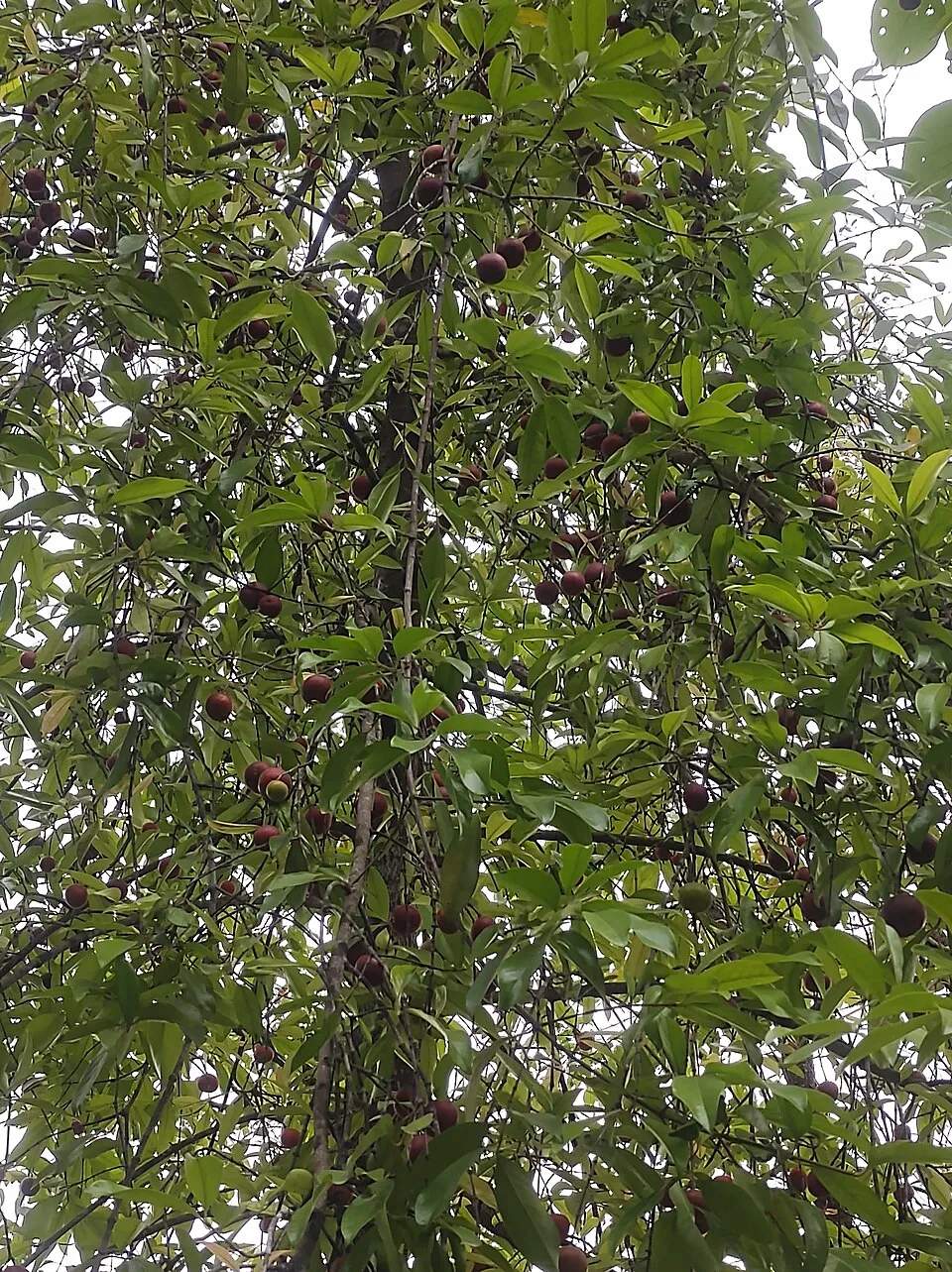
Garcinia indica, commonly known as Kokum, is a captivating evergreen tree native to the lush, biodiverse Western Ghats region of India, a hotspot of endemic flora. Belonging to the Clusiaceae family, also known as the mangosteen family, this species is renowned for its ornamental value, culinary applications, and significant medicinal properties. The tree typically grows to a moderate height, featuring a dense, spreading canopy of dark green, glossy leaves that provide ample shade. Its bark is smooth and greyish, contrasting with the vibrant hues of its distinctive fruit. The fruit of Garcinia indica is one of its most recognizable features. It is ovoid to subglobose in shape, resembling a small plum, and ripens to a striking purplish-red color.
Each fruit contains approximately five to eight seeds, embedded within a juicy, acidic pulp. The sun-dried rind of these fruits, known as 'kokum' in local dialects, is a cornerstone of traditional Indian cuisine, lending a characteristic sour and slightly sweet flavor to curries, beverages, and chutneys. Beyond its culinary appeal, the dried rind has been historically valued in Ayurvedic medicine for its carminative, astringent, and anti-inflammatory attributes. Historically, Garcinia indica has been an integral part of indigenous health systems in India. Ayurvedic practitioners have utilized various parts of the plant, especially the fruit rind, to address a range of digestive ailments, including dysentery and indigestion. Its anti-inflammatory properties have made it a popular remedy for skin affections and inflammatory conditions.
The seeds, rich in fatty acids, are traditionally pressed to yield Kokum butter, a emollient used in cosmetics and topical preparations. Taxonomically, Garcinia indica is part of a large genus with numerous species distributed across tropical Asia and Africa, many of which share similar phytochemical profiles and medicinal uses. Its adaptation to moist, humid tropical and sub-tropical climates, coupled with a preference for well-drained loamy soils, underscores its ecological niche. While juvenile plants thrive under partial shade, mature trees flourish in full sunlight, showcasing their adaptability. The continued cultivation and study of Garcinia indica highlight its enduring cultural significance and its promising potential in modern phytomedicine, making it a valuable subject for botanical research and sustainable harvesting practices. Trusted Scientific References Authoritative ex ...[CURRENT TEXT EXISTS: 2683 chars]
1.1.Garcinia Indica — Notable Characteristics
- ✓Native to the — Native to the Western Ghats of India.
- ✓Member of the — Member of the Clusiaceae (Mangosteen) family.
- ✓Produces distinctive purplish — red, ovoid fruits.
- ✓Sun — dried fruit rind (Kokum) is a traditional culinary acidulant.
- ✓Rich source of — Rich source of Hydroxycitric Acid (HCA).
- ✓Contains potent antioxidants — Contains potent antioxidants like garcinol and anthocyanins.
- ✓Traditionally used in — Traditionally used in Ayurvedic medicine for digestive and inflammatory conditions.
- ✓Exhibited anti — obesity, anti-inflammatory, and antioxidant activities in modern research.
- ✓Seeds yield emollient — Seeds yield emollient Kokum butter.
- ✓Adaptable to moist, humid tropical and sub — tropical climates.
- ✓Plays a role — Plays a role in traditional Indian cuisine and beverages.
- ✓Potential benefits for — Potential benefits for cardiovascular and liver health.
- ✓Explored for antidepressant — Explored for antidepressant and anxiolytic effects.
- ✓Sustainable cultivation is — Sustainable cultivation is important for its continued availability.
1.2.Garcinia Indica — Quick Summary
- ✓Garcinia indica, or Kokum, is an evergreen tree native to India's Western Ghats.
- ✓Its purplish-red fruit rind is a culinary staple and traditionally used in Ayurveda.
- ✓Key compounds include Hydroxycitric Acid (HCA) for weight management, and garcinol/anthocyanins for antioxidant and anti-inflammatory benefits.
- ✓Modern research supports its traditional uses for digestion, inflammation, and potential in obesity and metabolic health.
- ✓Offers hepatoprotective, cardioprotective, and antimicrobial properties.
- ✓Used in various forms, from dried rind in food to topical Kokum butter.
- ✓Requires caution for pregnant/lactating individuals and those on specific medications.
2.Garcinia Indica — Scientific Identity
3.Garcinia Indica — Fact Sheet
4.Garcinia Indica — Botanical Features
5.Garcinia Indica — Native Range & Habitat
6.Garcinia Indica — Heritage Uses
7.Garcinia Indica — Phytochemistry
- ✓Hydroxycitric Acid (HCA) — Primarily found in the fruit rind, HCA is a derivative of citric acid known for its role in inhibiting ATP citrate lyase, an enzyme involved in fatty acid synthesis. It is a key compound in Garcinia indica's purported weight management effects.
- ✓Garcinol — A polyisoprenylated benzophenone present in both the fruit rind and seeds, garcinol is a potent antioxidant and anti-inflammatory agent. It has also shown promising anticancer activities by modulating various cellular pathways.
- ✓Isogarcinol — An isomer of garcinol, isogarcinol shares similar pharmacological properties, contributing to the plant's antioxidant, anti-inflammatory, and potential anticancer benefits, often working synergistically with garcinol.
- ✓Anthocyanins — These vibrant pigments, including cyanidin-3-sambubioside and cyanidin-3-glucoside, are responsible for the purplish-red color of the fruit. Anthocyanins are powerful antioxidants, protecting against oxidative stress and supporting cardiovascular health.
- ✓Guttiferone Isoforms — A class of polyisoprenylated benzophenones, guttiferones contribute to the diverse bioactivities of Garcinia indica, including antioxidant and anti-inflammatory effects, and are part of the complex phytochemical matrix.
- ✓Bioflavonoids — Various flavonoids are present, acting as antioxidants and contributing to the plant's overall protective effects against cellular damage and inflammation. They support capillary strength and enhance the activity of vitamin C.
- ✓Procyanidins — These are oligomeric flavonoids known for their strong antioxidant capacity. Procyanidins contribute to the cardiovascular benefits and protective effects against oxidative stress observed in Garcinia indica.
- ✓Xanthochymol — Another polyisoprenylated benzophenone, xanthochymol, is found in Garcinia species and contributes to the plant's broad spectrum of biological activities, including antioxidant and potential antiproliferative effects.
- ✓Organic Acids — Besides HCA, other organic acids are present, contributing to the fruit's sour taste and potentially influencing its digestive and antimicrobial properties.
- ✓Fatty Acids — The seeds yield a significant amount of Kokum butter, which is rich in saturated fatty acids like stearic and oleic acids. This butter is valued for its emollient properties in cosmetics and traditional medicine.
- ✓Phenolic Compounds — A broad category encompassing many of the aforementioned compounds, phenolics are crucial for the plant's antioxidant, anti-inflammatory, and protective roles against various diseases.
8.Garcinia Indica — Evidence-Based Benefits
- ✓Weight Management Support — Garcinia indica is widely recognized for its potential in weight management, primarily due to its high concentration of Hydroxycitric Acid (HCA) in the fruit rind. HCA is believed to inhibit ATP citrate lyase, an enzyme crucial for converting carbohydrates into fat, thereby reducing lipogenesis and potentially suppressing appetite.
- ✓Antioxidant Protection — The plant, particularly its fruit rind and seeds, is rich in potent antioxidants such as garcinol, isogarcinol, and anthocyanins. These compounds actively neutralize harmful free radicals, mitigating oxidative stress and protecting cells from damage, which contributes to overall cellular health and disease prevention.
- ✓Anti-inflammatory Action — Garcinol and other phenolic compounds found in Garcinia indica exhibit significant anti-inflammatory effects by modulating various inflammatory pathways. This property supports its traditional use in alleviating inflammatory conditions, including joint pain and skin irritations.
- ✓Digestive Health Promotion — Traditionally, Kokum has been used as a carminative and digestive aid. It helps soothe the digestive tract, reduce bloating, and alleviate symptoms of indigestion, promoting a healthy gut environment.
- ✓Astringent Properties — The fruit rind possesses natural astringent qualities, which are beneficial in treating conditions like diarrhea and dysentery. It helps to tighten tissues and reduce excessive fluid secretion, contributing to gastrointestinal comfort.
- ✓Hepatoprotective Effects — Research suggests that compounds in Garcinia indica may offer protective benefits to the liver. Its antioxidant and anti-inflammatory actions can help safeguard liver cells from damage caused by toxins and oxidative stress.
- ✓Cardioprotective Benefits — Studies indicate that Garcinia indica may contribute to cardiovascular health by helping to manage lipid profiles and reduce oxidative damage to heart tissues. This can support healthy blood circulation and overall heart function.
- ✓Antimicrobial Activity — Extracts from Garcinia indica have demonstrated antibacterial properties against various pathogens. This suggests its potential in supporting the body's defense against certain microbial infections.
- ✓Potential Anticancer Activity — In vitro studies have shown promising anticancer potential of garcinol and other constituents against various cancer cell lines. These compounds may induce apoptosis and inhibit cancer cell proliferation, though further clinical research is needed.
- ✓Mood Enhancement and Anxiolytic Effects — Preliminary research has explored the antidepressant and anxiolytic (anti-anxiety) effects of Garcinia indica. Certain compounds may influence neurotransmitter pathways, contributing to improved mood and reduced stress.
- ✓Skin Health Support — The fruit rind and Kokum butter are used topically for their emollient and healing properties. They can help moisturize dry skin, reduce inflammation, and promote the healing of minor skin affections, contributing to a healthy complexion.
- ✓Immune System Modulation — The rich array of antioxidants and anti-inflammatory compounds in Garcinia indica can support a balanced immune response. By reducing systemic inflammation and oxidative burden, it helps the immune system function optimally.
- ✓Blood Sugar Regulation — Some components may play a role in glucose metabolism, potentially aiding in the regulation of blood sugar levels. This area requires more focused research to fully understand its implications for metabolic health.
8.1.Garcinia Indica — Indications & Uses
9.Garcinia Indica — Safety & Side Effects
9.1.Garcinia Indica — Side Effects & Warnings
- ✓Digestive Upset — High doses of HCA supplements may cause mild gastrointestinal discomfort, including nausea, diarrhea, or constipation.
- ✓Headaches — Some individuals have reported experiencing headaches after consuming Garcinia indica extracts, particularly HCA supplements.
- ✓Skin Rashes — Although rare, allergic reactions manifesting as skin rashes or itching have been noted in sensitive individuals.
- ✓Liver Toxicity (Rare) — There have been isolated case reports of liver issues associated with Garcinia cambogia (a related species) supplements, though direct causation is not definitively established for Garcinia indica.
- ✓Fatigue — A feeling of tiredness or fatigue has been reported by a small number of users.
- ✓Dry Mouth — Some users might experience a sensation of dry mouth or throat.
- ✓Allergic Reactions — As with any plant product, there is a potential for allergic reactions, though generally uncommon.
- ✓Dizziness — Infrequent reports of dizziness have been associated with Garcinia indica supplementation.
9.2.Garcinia Indica — Clinical Safety Notes
- ✓Pregnancy and Lactation — Garcinia indica supplements are generally contraindicated during pregnancy and breastfeeding due to insufficient safety data to assess potential risks to the fetus or infant.
- ✓Diabetes Medication — Individuals taking medication for diabetes should use Garcinia indica with caution, as it may affect blood sugar levels and potentially lead to hypoglycemia. Consultation with a healthcare provider is essential.
- ✓Blood Thinners — Theoretical concerns exist regarding potential interactions with anticoagulant or antiplatelet medications due to its anti-inflammatory properties. Use under medical supervision is advised.
- ✓Liver or Kidney Disease — Patients with pre-existing liver or kidney conditions should exercise extreme caution and consult a physician before using Garcinia indica, especially in concentrated supplement forms.
- ✓Statins and Cholesterol Medications — There's a theoretical risk of interaction with cholesterol-lowering drugs (statins) due to HCA's impact on lipid metabolism. Medical advice is recommended.
- ✓Autoimmune Conditions — Due to its immune-modulating effects, individuals with autoimmune diseases should consult their healthcare provider before use.
- ✓Dosage Adherence — Adhering to recommended dosages for supplements is crucial. Excessive intake may increase the risk of adverse effects.
- ✓Quality of Supplements — It is important to source high-quality, reputable Garcinia indica products to avoid contamination or adulteration with other substances.
- ✓Children — Use in children is not recommended due to lack of adequate safety data.
- ✓Surgical Procedures — Discontinue use at least two weeks prior to any scheduled surgery due to potential effects on blood clotting.
10.Garcinia Indica — Usage Guide
- ✓Dried Fruit Rind (Kokum) — The most common form, sun-dried kokum rinds are used as a souring agent in curries, dals, and traditional beverages like 'solkadhi'.
- ✓Infusions and Decoctions — Dried kokum rind can be steeped in hot water to create a medicinal infusion or boiled for a stronger decoction, often used for digestive issues or as a refreshing drink.
- ✓Kokum Syrup/Sharbat — A sweet and tangy syrup made from the fruit pulp, diluted with water to create a cooling and digestive beverage, popular in summer.
- ✓Kokum Butter — Extracted from the seeds, this solid fat is used topically as an emollient for dry skin, cracked lips, and in traditional ointments for skin conditions.
- ✓Culinary Acidulant — Fresh or dried kokum is used as a natural souring agent, offering a unique flavor profile distinct from tamarind or lime, in various Indian dishes.
- ✓Herbal Teas — Powdered kokum rind can be blended with other herbs to create functional herbal teas aimed at digestive health or general wellness.
- ✓Extracts and Supplements — Standardized extracts of Garcinia indica, particularly those rich in HCA, are available in capsule or tablet form for weight management and other health benefits.
- ✓Topical Pastes — Ground dried kokum rind mixed with water or oil can be applied as a paste to soothe skin irritations, minor wounds, or inflammatory skin conditions.
- ✓Fermented Products — In some traditions, kokum is used in the fermentation process of certain foods and beverages, contributing to preservation and flavor.
- ✓Culinary Oils — Kokum butter is occasionally used as a cooking fat, especially in traditional Konkan cuisine, imparting a subtle flavor and beneficial fatty acids.
11.Garcinia Indica — How to Grow
- ✓Climate Preference — Garcinia indica thrives in moist, humid tropical and sub-tropical climates, specifically in regions with high rainfall and consistent warmth.
- ✓Soil Requirements — It prefers well-drained, deep, and fertile loamy or sandy-loam soils with a slightly acidic to neutral pH (6.0-7.0).
- ✓Light Exposure — Young plants require partial shade for optimal growth, while mature trees flourish and fruit best in full sunlight.
- ✓Watering — Consistent and adequate moisture is crucial, especially during dry spells and fruit development. The soil should be kept moist but not waterlogged.
- ✓Propagation — Primarily propagated through seeds, which should be fresh and sown promptly. Grafting is also a common method to ensure desired genetic traits and hasten fruiting.
- ✓Fertilization — Regular application of organic manures or balanced NPK fertilizers can enhance growth and fruit yield, particularly during flowering and fruiting seasons.
- ✓Pest and Disease Management — Generally robust, but can be susceptible to common fruit tree pests like fruit flies and scale insects, and fungal diseases in overly wet conditions. Integrated pest management is recommended.
- ✓Pruning — Light pruning is beneficial to maintain tree shape, remove dead or diseased branches, and improve air circulation within the canopy.
- ✓Harvesting — Fruits are typically harvested when they reach their characteristic purplish-red color, indicating ripeness, usually 4-5 months after flowering.
- ✓Post-Harvest Handling — The fruit rind is carefully separated and sun-dried to produce 'kokum', while seeds are processed for Kokum butter.
Reviewed by the Flora Medical Global Botanical Review Panel
Multi-disciplinary editorial group · Botany · Ethnobotany · Herbal-medicine literature
Who reviewed this: This page was checked by the Flora Medical Global Botanical Review Panel — an in-house editorial group of botany graduates, ethnobotany researchers, and horticulture practitioners who collectively maintain our 7,000+ plant encyclopedia. Meet the team.
Our 4-step verification process
1. Taxonomic verification
Scientific names and synonyms cross-checked against Kew POWO, World Flora Online, and The Plant List.
2. Phytochemical & medicinal cross-reference
Active compounds, traditional uses, and reported activities are cross-referenced with PubMed, USDA Dr. Duke's database, and peer-reviewed ethnobotanical literature.
3. Conservation & distribution check
Distribution, ecology, and conservation status confirmed against GBIF occurrence records and the IUCN Red List.
4. Editorial & safety review
Every entry passes an editorial pass for clarity, originality, and safety notices (toxicity, contraindications, dosage caveats) before publication.
Last reviewed:
Important medical disclaimer: This content is for educational and research purposes only. It is not medical advice and is not a substitute for consultation with a licensed healthcare provider. Do not use any herb to self-treat a medical condition without professional guidance.
Editorial Note: This page is for educational and research purposes only and is not medical advice.
Written by: Flora Medical Global Editorial Team
Reviewed by: Flora Medical Global Botanical Review Panel
Last Updated: June 15, 2026





Garcinia Indica — Comments & Community Reviews
Rate this plant