


Medical Disclaimer: This content is for educational purposes only. It is not medical advice. Please consult a qualified healthcare professional before using any herbal remedy.
Safety Overview
1.Kola Nut — Plant Snapshot
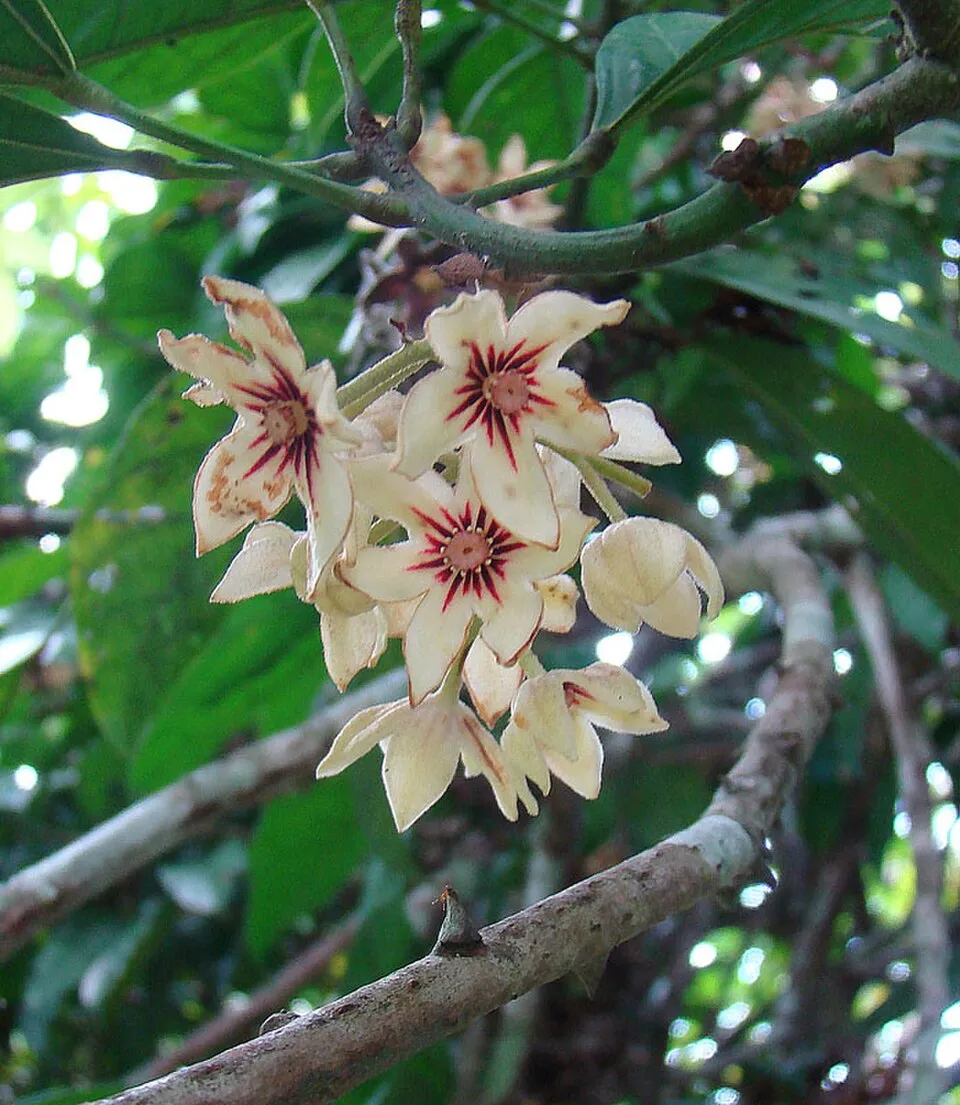
The kola nut, derived from the seeds of evergreen trees primarily within the species Cola acuminata Schott & Endl. and Cola nitida (Vent.) Schott & Endl., holds immense historical, cultural, and medicinal significance, particularly across West and Central Africa. These majestic trees, belonging to the Malvaceae family (specifically within the subfamily Sterculioideae), can reach impressive heights of 20-30 meters, thriving in the hot, humid conditions characteristic of tropical rainforests. The ‘nut’ itself is not a true botanical nut but rather the substantial cotyledon of the seed, encased within a star-shaped follicle. While both species are significant, Cola acuminata is distinguished by its seeds typically containing 3-6 cotyledons, whereas Cola nitida commonly produces seeds with 2 cotyledons.
The tree's morphology includes long, ovoid, leathery leaves with pointed ends and yellow flowers often adorned with purple spots. Historically, the kola nut’s use in West African societies predates recorded history, serving as a powerful symbol of hospitality, peace, and cultural identity. Its characteristic bitter taste, which often sweetens upon chewing, and its potent stimulating effects have made it a cornerstone of social customs and religious ceremonies for centuries. Indigenous to the rainforests of tropical West Africa, its geographic distribution expanded significantly through extensive trade routes across the Sahara, reaching North Africa and the Middle East, thus establishing its economic importance long before modern commerce. In traditional African medicine, kola nuts were widely employed to combat fatigue, suppress hunger during long journeys, alleviate various digestive issues, and even address conditions such as migraines and asthma.
The stimulating power of the kola nut primarily stems from its rich content of methylxanthine alkaloids, including caffeine, theobromine, and kolatin. Modern scientific inquiry has increasingly explored the pharmacological basis for these traditional applications, confirming the central nervous system stimulant effects and investigating its potential antimicrobial, antioxidant, and metabolic properties. Its global recognition expanded notably with its incorporation into early Coca-Cola formulations, though it was later removed. Today, the kola nut remains a culturally vital commodity and a subject of ongoing scientific interest for its multifaceted potential. Trusted Scientific References Authoritative external sour ...[CURRENT TEXT EXISTS: 2772 chars]
1.1.Kola Nut — Defining Traits
- ✓Native to West — Native to West and Central Africa's tropical rainforests.
- ✓Derived from the — Derived from the seeds (cotyledons) of Cola acuminata and Cola nitida trees.
- ✓Belongs to the — Belongs to the Malvaceae family (subfamily Sterculioideae).
- ✓Not a true — Not a true botanical nut, but a seed cotyledon.
- ✓Characterized by a — Characterized by a bitter taste that often sweetens upon chewing.
- ✓Abundant in methylxanthine — Abundant in methylxanthine alkaloids, including caffeine, theobromine, and theophylline.
- ✓Revered as a — Revered as a traditional stimulant and energy booster.
- ✓Holds profound cultural — Holds profound cultural and social significance as a symbol of hospitality and peace.
- ✓Historically important trade — Historically important trade commodity across the Sahara.
- ✓Exhibits significant antimicrobial — Exhibits significant antimicrobial and antioxidant properties.
- ✓Utilized in traditional — Utilized in traditional medicine for a wide array of ailments, from fatigue to infections.
- ✓Was a foundational ingredient in early Coca — Cola formulations.
- ✓Possesses potential industrial — Possesses potential industrial applications as a flavoring agent and source of biofertilizer.
- ✓Different species (C. — Different species (C. acuminata vs. C. nitida) vary in cotyledon count and alkaloid profiles.
1.2.Kola Nut — Quick Summary
- ✓Kola nut is a stimulant derived from the seeds of Cola acuminata and Cola nitida trees, native to West Africa.
- ✓Rich in caffeine, theobromine, and other phytochemicals, it offers energizing and cognitive-enhancing effects.
- ✓Traditionally used to combat fatigue, suppress hunger, and aid digestion, with significant cultural importance.
- ✓Modern research explores its antimicrobial, antioxidant, and anti-inflammatory properties.
- ✓Formerly an ingredient in Coca-Cola, it remains a key component in some energy drinks and herbal remedies.
- ✓Requires cautious use due to its stimulant nature, with potential side effects like insomnia and increased heart rate.
- ✓Integral to West African cultural ceremonies, symbolizing hospitality and peace.
2.Kola Nut — Scientific Profile
3.Kola Nut — Quick Facts
4.Kola Nut — Plant Morphology
5.Kola Nut — Geographic Distribution
6.Kola Nut — Historical Applications
7.Kola Nut — Secondary Metabolites
- ✓Methylxanthine Alkaloids — Key compounds include Caffeine (a potent central nervous system stimulant, enhancing alertness and reducing fatigue), Theobromine (a milder stimulant with diuretic and vasodilator effects, also found in cacao), and Theophylline (a bronchodilator and mild stimulant).
- ✓Flavonoids — Important examples are Catechin and Epicatechin, which are powerful antioxidants and contribute to anti-inflammatory effects, protecting cells from oxidative damage.
- ✓Tannins — This category includes compounds like Rostratanic acid, which impart astringent properties and act as antioxidants, potentially aiding in wound healing and digestive health.
- ✓Phenolic Acids — Such as Chlorogenic acid and Quinic acid, known for their strong antioxidant, anti-inflammatory, and potential anti-diabetic activities.
- ✓Sterols — Compounds like Stigmasterol, Lupeol, Bauerenol, and Friedelanone are present, contributing to anti-inflammatory and hypolipidaemic effects, potentially supporting cardiovascular health.
- ✓Anthraquinones — These compounds may contribute to laxative effects and exhibit antimicrobial activities, as seen in some traditional applications.
- ✓Cardenolides — These are cardiac glycosides that can have significant effects on heart muscle, requiring caution in their use.
- ✓Purines — These are fundamental nitrogenous bases that serve as precursors to the methylxanthine alkaloids found in kola nut.
- ✓Triterpenoids — Including Betulinic acid, which has been studied for its potential anti-cancer properties and other biological activities.
- ✓Fatty Acids — Such as Nonanedioc acid and Lignoceric acid, which are components of the plant’s fats and oils, contributing to its nutritional profile.
- ✓Kolatin — A unique protein-bound complex of caffeine and other compounds, believed to contribute to the sustained stimulant effect of kola nut.
8.Kola Nut — Research Insights
- ✓Central Nervous System Stimulation — Kola nut acts as a potent stimulant due to its high caffeine and theobromine content, enhancing alertness, reducing drowsiness, and combating physical and mental fatigue.
- ✓Cognitive Enhancement — The methylxanthines present can improve focus, concentration, and overall cognitive function by blocking adenosine receptors in the brain.
- ✓Appetite Suppression — Traditionally, kola nuts have been chewed to suppress hunger and thirst, making them valuable during long journeys or periods of food scarcity.
- ✓Digestive Aid — In traditional African medicine, kola nuts were used to alleviate various digestive issues, potentially due to their astringent properties from tannins.
- ✓Migraine Relief — The vasoconstrictive properties of caffeine can help reduce the severity of certain types of headaches, including migraines, a traditional application.
- ✓Bronchodilator Effects — The presence of theophylline, a mild bronchodilator, suggests a traditional use in managing respiratory conditions like asthma.
- ✓Antimicrobial Activity — Research indicates that extracts from kola nut exhibit antimicrobial properties against various bacteria and fungi, supporting its traditional use for infections.
- ✓Antioxidant Properties — Rich in flavonoids and phenolic acids, kola nut possesses significant antioxidant capacity, helping to combat oxidative stress and protect cells from damage.
- ✓Anti-inflammatory Effects — Phytochemicals like flavonoids and specific triterpenoids contribute to its anti-inflammatory potential, useful in traditional remedies for pain and swelling.
- ✓Anti-diabetic Potential — Traditional uses suggest a role in managing diabetes, and some studies explore its effects on glucose metabolism, although more research is needed.
- ✓Hypolipidaemic Effects — Certain compounds in kola nut may contribute to lowering lipid levels, supporting its traditional application in metabolic health.
- ✓Pain Management — Traditionally used for alleviating various pains, its anti-inflammatory and mild analgesic properties may contribute to this effect.
- ✓Diuretic Properties — The methylxanthine content can have mild diuretic effects, promoting increased urine output.
- ✓Aphrodisiac Properties — In some traditional contexts, kola nut is believed to possess aphrodisiac qualities, though scientific evidence is limited.
- ✓Treatment of Fevers and Infections — Ethnomedical practices utilize kola nut for conditions like malaria, typhoid fever, and other systemic infections, likely due to its antimicrobial and immune-modulating effects.
- ✓Oral Health — Chewing kola nut traditionally contributes to oral hygiene and can help alleviate mouth infections due to its antimicrobial properties.
- ✓Skin Condition Management — Traditional remedies have applied kola nut extracts topically for various skin infections and conditions, leveraging its antimicrobial and anti-inflammatory actions.
8.1.Kola Nut — Conditions Traditionally Used For
9.Kola Nut — Risk Profile
9.1.Kola Nut — Caution Notes
- ✓Insomnia — Due to its high caffeine content, kola nut can interfere with sleep patterns, especially if consumed late in the day.
- ✓Nervousness and Restlessness — Excessive intake can lead to feelings of anxiety, jitters, and heightened restlessness.
- ✓Stomach Upset — Some individuals may experience gastrointestinal discomfort, including nausea, vomiting, or diarrhea.
- ✓Increased Heart Rate and Blood Pressure — The stimulant effects can elevate heart rate and blood pressure, posing risks for individuals with cardiovascular conditions.
- ✓Gastric Acid Secretion — Studies indicate that kola nut extracts can promote gastric acid secretion, potentially exacerbating symptoms in individuals with acid reflux or ulcers.
- ✓Caffeine Dependency and Withdrawal — Regular high-dose consumption can lead to physical dependence, with withdrawal symptoms like headaches and fatigue upon cessation.
- ✓Digestive Irritation — The tannins present can be irritating to the digestive tract in sensitive individuals.
- ✓Headaches — While sometimes used for migraines, paradoxically, excessive intake or withdrawal can trigger headaches.
- ✓Allergic Reactions — Although rare, individuals may experience allergic reactions such as skin rashes or itching.
9.2.Kola Nut — Safety Profile
- ✓Contraindicated in Pregnancy and Breastfeeding — Due to its high caffeine content, kola nut is not recommended for pregnant or breastfeeding women.
- ✓Avoid with Heart Conditions — Individuals with heart disease, arrhythmias, or high blood pressure should avoid kola nut due to its stimulant effects on the cardiovascular system.
- ✓Caution with Anxiety Disorders — Its stimulating properties can worsen symptoms of anxiety, panic attacks, or nervousness.
- ✓Avoid if Sensitive to Caffeine — Individuals with known caffeine sensitivity should avoid kola nut to prevent adverse reactions like jitters, insomnia, or stomach upset.
- ✓Not for Children — Kola nut is not suitable for consumption by children due to its potent stimulant compounds.
- ✓Drug Interactions — May interact with stimulant medications, blood thinners, certain antidepressants, and drugs for heart conditions. Consult a healthcare provider.
- ✓Gastric Ulcers/Acid Reflux — Individuals with these conditions should exercise caution or avoid use, as kola nut can increase gastric acid secretion.
- ✓Moderate Consumption — Due to potential side effects, kola nut should be consumed in moderation and not as a long-term, high-dose supplement.
- ✓Professional Consultation — Always consult a healthcare professional before using kola nut, especially if you have pre-existing health conditions or are taking medications.
- ✓Monitor for Adverse Reactions — Discontinue use if adverse effects such as severe palpitations, dizziness, or prolonged insomnia occur.
10.Kola Nut — How to Use
- ✓Traditional Chewing — The most common and historical method involves chewing fresh or dried kola nuts directly for their stimulating effects and cultural significance.
- ✓Decoction/Infusion — Dried or powdered kola nut can be boiled in water to create a decoction or steeped to make an infusion, consumed as a stimulating tea or traditional remedy.
- ✓Powdered Form — Dried kola nuts are ground into a fine powder, which can then be encapsulated, mixed into beverages, or incorporated into food products.
- ✓Liquid Extracts/Tinctures — Concentrated liquid extracts or tinctures are prepared using alcohol or water-glycerin bases, offering a more potent and convenient form for medicinal use.
- ✓Culinary Additive — Historically used as a flavoring agent in soft drinks (like early Coca-Cola) and continues to be used in some energy drinks and food preparations.
- ✓Topical Applications — In some traditional practices, poultices or pastes made from kola nut powder are applied externally for skin conditions or inflammation.
- ✓Dosage Considerations — Dosage varies significantly based on the form (fresh nut, powder, extract) and individual sensitivity to caffeine. Starting with a low dose is always recommended.
- ✓Ceremonial Use — Beyond medicinal applications, kola nuts are integral to many West African social and religious ceremonies, shared as a symbol of hospitality and peace.
- ✓Maceration — Fresh nuts can be macerated in water or other liquids to extract their compounds for specific traditional preparations.
- ✓Fortified Foods — Kola nut extracts are sometimes added to functional foods or dietary supplements for their stimulant or antioxidant properties.
11.Kola Nut — Growing Guide
- ✓Climate Requirements — Kola nut trees thrive in hot, humid tropical climates, specifically within rainforest environments with consistent rainfall and high ambient humidity.
- ✓Soil Preferences — They require deep, well-drained, fertile soils rich in organic matter, ideally with a slightly acidic pH (5.0-6.5).
- ✓Propagation — Primarily propagated from fresh seeds, which have a short viability. Vegetative propagation through cuttings or budding is also possible to ensure genetic consistency.
- ✓Planting — Young seedlings are typically planted with adequate spacing (e.g., 5-7 meters apart) and require partial shade during their early growth stages to protect them from intense direct sunlight.
- ✓Watering — Consistent and ample watering is crucial, especially during dry periods, but waterlogging must be avoided to prevent root rot.
- ✓Fertilization — Regular application of balanced fertilizers, particularly those rich in nitrogen and potassium, supports robust growth and fruit production.
- ✓Pruning and Maintenance — Periodic pruning helps maintain tree shape, facilitates harvesting, and removes diseased or dead branches, improving overall tree health.
- ✓Pest and Disease Management — Common pests include stem borers and mealybugs, while diseases like anthracnose and kola blight can occur. Integrated pest management strategies are often employed.
- ✓Harvesting — Trees typically begin producing nuts after 4-5 years. The star-shaped pods are hand-harvested when mature, and the 'nuts' (cotyledons) are extracted.
- ✓Post-Harvest Processing — Fresh nuts are often fermented for a few days to enhance flavor and reduce bitterness, followed by drying to improve shelf life and prevent mold.
Reviewed by the Flora Medical Global Botanical Review Panel
Multi-disciplinary editorial group · Botany · Ethnobotany · Herbal-medicine literature
Who reviewed this: This page was checked by the Flora Medical Global Botanical Review Panel — an in-house editorial group of botany graduates, ethnobotany researchers, and horticulture practitioners who collectively maintain our 7,000+ plant encyclopedia. Meet the team.
Our 4-step verification process
1. Taxonomic verification
Scientific names and synonyms cross-checked against Kew POWO, World Flora Online, and The Plant List.
2. Phytochemical & medicinal cross-reference
Active compounds, traditional uses, and reported activities are cross-referenced with PubMed, USDA Dr. Duke's database, and peer-reviewed ethnobotanical literature.
3. Conservation & distribution check
Distribution, ecology, and conservation status confirmed against GBIF occurrence records and the IUCN Red List.
4. Editorial & safety review
Every entry passes an editorial pass for clarity, originality, and safety notices (toxicity, contraindications, dosage caveats) before publication.
Last reviewed:
Important medical disclaimer: This content is for educational and research purposes only. It is not medical advice and is not a substitute for consultation with a licensed healthcare provider. Do not use any herb to self-treat a medical condition without professional guidance.
Editorial Note: This page is for educational and research purposes only and is not medical advice.
Written by: Flora Medical Global Editorial Team
Reviewed by: Flora Medical Global Botanical Review Panel
Last Updated: June 15, 2026





Kola Nut — Comments & Community Reviews
Rate this plant