


Medical Disclaimer: This content is for educational purposes only. It is not medical advice. Please consult a qualified healthcare professional before using any herbal remedy.
Safety Overview
1.Kupilu (Nux Vomica) — Plant Snapshot
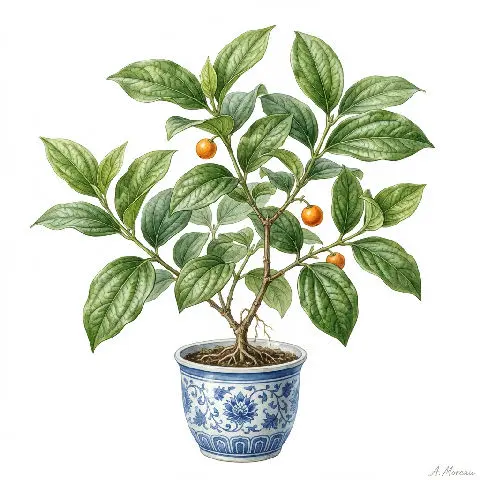
Kupilu (Strychnos nux-vomica), widely recognized as Nux Vomica, is a medium-sized, deciduous tree native to the tropical and subtropical regions of Southeast Asia, thriving particularly in India, Indonesia, and other parts of the subcontinent. This tree typically attains heights of 6 to 12 meters (20 to 40 feet) and exhibits a robust, somewhat gnarled appearance with age. Its bark is characteristically smooth and grayish-brown when young, gradually becoming fissured and rougher with maturity, while its branches often display a distinctive zigzag growth pattern. The leaves of Strychnos nux-vomica are elongated and lanceolate, measuring approximately 6 to 12 cm (2.5 to 5 inches) in length.
They present a glossy, dark green upper surface that contrasts with a lighter, duller green underside, featuring prominent venation. During its flowering season, the tree produces small, tubular flowers, typically white to creamy-yellow, which are borne in terminal cymes, emitting a subtle, somewhat unpleasant fragrance. These flowers mature into striking, round, fleshy fruits, resembling small oranges or apples, which ripen to a vibrant orange-red color. Each fruit contains one to two, or sometimes more, disc-shaped seeds.
These seeds are the most medicinally significant part of the plant; they are oval, flattened, and covered in fine, silky hairs, measuring about 2 to 3 cm (0.8 to 1.2 inches) in diameter, encased within a hard, woody shell. Nux Vomica prefers well-drained soils, often found in open fields, degraded forests, and along roadsides, demonstrating adaptability to various tropical and subtropical ecological niches. Taxonomically, Strychnos nux-vomica is classified within the Loganiaceae family, a group known for containing several species with potent alkaloidal compounds. Historically, Kupilu has held a significant, albeit controversial, place in various traditional healing systems, particularly Ayurveda and Traditional Chinese Medicine (TCM), primarily due to its potent toxic alkaloids, such as strychnine and brucine, which necessitate rigorous detoxification processes and expert handling for any medicinal application.
Trusted Scientific References
1. Authoritative external sources for Strychnos nux-vomica
1.1 Wikipedia — Strychnos nux-vomica
1.2 Kew POWO (Plants of the World Online)
1.3 PubMed — peer-reviewed research
1.4 NCBI Taxonomy Browser
1.5 GBIF — Global Biodiversity
1.1.Kupilu (Nux Vomica) — Standout Qualities
- ✓Potent Alkaloid Content — Contains high concentrations of the neurotoxic alkaloids strychnine and brucine.
- ✓Traditional Medicinal Plant — Widely used in Ayurvedic and Traditional Chinese Medicine for centuries, albeit with extreme caution.
- ✓Deciduous Tree — A medium-sized tree found in tropical and subtropical regions.
- ✓Distinctive Fruits and Seeds — Produces round, orange-red fruits containing flat, hairy, disc-shaped seeds.
- ✓Central Nervous System Stimulant — Its primary active compounds are known for their profound effects on the CNS.
- ✓Requires Detoxification (Shodhana) — Traditional use mandates elaborate purification to mitigate extreme toxicity.
- ✓Narrow Therapeutic Window — The difference between a therapeutic and a toxic dose is dangerously small.
- ✓Bitter Taste — The seeds possess an intensely bitter taste.
- ✓Historical Poison — Historically noted as a potent poison, used in various contexts.
- ✓Analgesic and Anti — inflammatory Properties — Preclinical studies suggest brucine has pain-relrelieving and inflammation-reducing effects.
- ✓Digestive Aid (Traditional) — Traditionally used to stimulate digestion and appetite in highly processed forms.
- ✓Adaptable to Tropical Climates — Thrives in well-drained soils in warm, humid environments.
- ✓Zigzag Branch Pattern — Characteristic growth habit of its branches.
- ✓Pharmacological Research Interest — Despite toxicity, its compounds are studied for their specific pharmacological actions.
1.2.Kupilu (Nux Vomica) — At-a-Glance Summary
- ✓Kupilu (Nux Vomica) is a highly toxic plant native to Southeast Asia.
- ✓It contains potent alkaloids, primarily strychnine and brucine, known neurotoxins.
- ✓Traditionally used in Ayurveda and TCM for digestive, nervous, and musculoskeletal issues, but only after rigorous detoxification.
- ✓Modern science confirms its toxicity, with lethal doses being very small.
- ✓Unprocessed Nux Vomica is unsafe and can cause severe muscle spasms, convulsions, and death.
- ✓Any medicinal use requires extreme caution, meticulous detoxification, and strict supervision by expert practitioners.
- ✓It is contraindicated in pregnancy, breastfeeding, liver disease, and neurological conditions.
2.Kupilu (Nux Vomica) — Taxonomic Classification
3.Kupilu (Nux Vomica) — Botanical Stats
4.Kupilu (Nux Vomica) — Structural Profile
5.Kupilu (Nux Vomica) — Habitat & Distribution
6.Kupilu (Nux Vomica) — Historical Applications
7.Kupilu (Nux Vomica) — Active Compounds
- ✓Indole Alkaloids — Strychnine (C21H22N2O2) and Brucine (C23H26N2O4) are the primary and most potent alkaloids, responsible for the plant's toxicity and pharmacological effects. Strychnine acts as a potent antagonist of glycine receptors, leading to convulsions, while brucine has similar but less potent effects, along with analgesic and anti-inflammatory properties.
- ✓Minor Indole Alkaloids — Vomicine, Colubrine, Pseudo-strychnine, and Iso-strychnine are present in smaller quantities, contributing to the overall alkaloidal profile. These compounds often share structural similarities with strychnine and brucine, exhibiting varying degrees of neuroactivity.
- ✓Iridoid Glucosides — Loganin is a significant iridoid glucoside found in Nux Vomica, and it serves as a precursor in the biosynthesis of indole alkaloids like strychnine and brucine. Loganin itself exhibits various biological activities, including anti-inflammatory and neuroprotective properties.
- ✓Flavonoids — Various flavonoid compounds are present, contributing to the plant's antioxidant capacity. Flavonoids are generally known for their free-radical scavenging and anti-inflammatory activities, supporting cellular health.
- ✓Triterpenes — Compounds such as lupeol and ursolic acid have been identified, which are known for their anti-inflammatory, antioxidant, and potential anti-cancer activities. These contribute to the broader pharmacological spectrum of the plant.
- ✓Phenolic Acids — Gallic acid and chlorogenic acid are examples of phenolic compounds found in Kupilu. These possess antioxidant and anti-inflammatory properties, playing a role in protecting cells from oxidative stress.
- ✓Lignans — Present in trace amounts, lignans are phytoestrogens with potential antioxidant and anti-cancer properties. Their contribution to the overall effect of Nux Vomica is generally considered minor compared to the alkaloids.
- ✓Fatty Acids — The seeds contain various fatty acids, which contribute to the nutritional composition of the seed but are not typically associated with the primary medicinal or toxic effects. These include oleic, linoleic, and palmitic acids.
- ✓Proteins and Amino Acids — As with most seeds, Nux Vomica seeds contain proteins and a range of amino acids essential for plant growth and development. These are not directly implicated in the plant's potent pharmacological actions.
- ✓Polysaccharides — Complex carbohydrates are present, contributing to the structural integrity of the seed. While not primary active compounds, they can influence the bioavailability and absorption of other constituents in traditional preparations.
- ✓Sterols — Phytosterols like beta-sitosterol are present, known for their cholesterol-lowering and anti-inflammatory properties. Their presence adds to the plant's complex chemical matrix, although their therapeutic relevance in the context of high toxicity is limited.
8.Kupilu (Nux Vomica) — Research Insights
- ✓Digestive Stimulant — Traditionally, Kupilu has been used to stimulate digestive fire (Agni in Ayurveda) and enhance appetite, particularly in cases of sluggish digestion or dyspepsia, by virtue of its bitter principles. The alkaloids may exert a mild irritant effect on the gastrointestinal mucosa, prompting increased secretion of digestive enzymes.
- ✓Nerve Tonic and Neurological Support — In traditional systems, processed Kupilu is considered a nervine tonic, cautiously used for conditions like paralysis, neuralgia, and nerve weakness. Its alkaloids, in extremely minute, detoxified doses, are believed to stimulate the central nervous system, improving nerve signal transmission.
- ✓Analgesic Properties — Both strychnine and brucine, key alkaloids in Nux Vomica, have demonstrated analgesic effects in preclinical studies, suggesting potential for pain relief. This action is thought to involve modulation of pain pathways in the spinal cord and higher centers, though direct human application is highly restricted due to toxicity.
- ✓Anti-inflammatory Effects — Research indicates that brucine, a major alkaloid, possesses anti-inflammatory properties, potentially by inhibiting inflammatory mediators. This traditional use aligns with its application in conditions associated with inflammation, albeit with extreme caution.
- ✓Febrifuge Action — In Ayurvedic practice, Kupilu is employed as an antipyretic agent, particularly for fevers accompanied by chilliness and body aches. Its stimulating effect on circulation and metabolism is thought to contribute to fever reduction.
- ✓Circulatory Stimulant — Traditional texts describe Nux Vomica as a circulatory stimulant, believed to improve blood flow throughout the body. This effect could be attributed to the mild stimulant action of its alkaloids on the cardiovascular system at extremely low doses.
- ✓Muscular Relaxant (Traditional Paradox) — While toxic doses cause spasms, homeopathic preparations and highly detoxified traditional forms are sometimes used to address muscle stiffness and cramps. This paradoxical effect highlights the dose-dependent nature of its actions.
- ✓Respiratory Support — In minute, controlled doses, Kupilu has been traditionally indicated for respiratory conditions characterized by weakness or paralysis of respiratory muscles. The stimulant effect on the central nervous system can enhance respiratory drive.
- ✓Anti-parasitic Activity — Some traditional uses suggest Kupilu's efficacy against certain intestinal parasites. The potent alkaloids may create an unfavorable environment for parasitic organisms within the digestive tract.
- ✓Rheumatism and Arthritis Relief — External applications of Nux Vomica (as liniments or plasters, never internally in this form) are traditionally used to alleviate pain and swelling associated with rheumatism and arthritic conditions. The counter-irritant properties might provide localized relief.
- ✓Aphrodisiac Properties — In certain traditional contexts, highly purified and minute quantities of Kupilu are believed to possess aphrodisiac qualities, potentially by enhancing nerve sensitivity and general vitality.
- ✓Myasthenia Gravis Management (Preclinical) — Recent preclinical studies have explored the potential of processed Nux Vomica to alleviate symptoms of myasthenia gravis, possibly by modulating neurotransmission and immune responses. This is an area of ongoing research with no direct clinical application yet.
- ✓Anti-depressant & Anti-anxiety (Homeopathic Context) — In homeopathy, Nux Vomica is a key remedy for anxiety, irritability, and depression linked to overwork and stimulants. This use is based on the principle of 'like cures like' with highly diluted preparations, vastly different from crude plant use.
- ✓Hepatoprotective (Preclinical) — Some studies on brucine suggest potential hepatoprotective effects against certain toxins, although the plant itself can cause liver damage in crude forms. This highlights the complex pharmacology and the importance of specific compound isolation.
- ✓Anti-cancer Potential (Preclinical) — Research has investigated the cytotoxic effects of brucine on various cancer cell lines in vitro, indicating a potential for anti-proliferative activity. This remains an area of early scientific exploration and not a clinical application.
- ✓Diabetic Neuropathy Support (Traditional) — Traditional Ayurvedic practitioners have sometimes used highly processed Kupilu to address symptoms of diabetic neuropathy, aiming to improve nerve function and reduce associated pain. This use is highly specialized and requires profound knowledge of detoxification.
8.1.Kupilu (Nux Vomica) — Conditions Traditionally Used For
9.Kupilu (Nux Vomica) — Adverse Effects
9.1.Kupilu (Nux Vomica) — Caution Notes
- ✓Agitation and Anxiety — Even at lower toxic doses, Nux Vomica can induce severe agitation, nervousness, and intense anxiety, escalating rapidly.
- ✓Muscle Spasms and Stiffness — Characteristic side effects include severe muscle spasms, particularly in the neck and back, leading to stiffness and arching (opisthotonos).
- ✓Pain and Twitching — Individuals may experience generalized pain, muscle twitching, and heightened reflexes, indicative of central nervous system overstimulation.
- ✓Convulsions and Seizures — As the dose increases, uncontrollable convulsions and seizures can occur, resembling tetanus, due to glycine receptor antagonism.
- ✓Respiratory Distress — Severe muscle spasms can affect respiratory muscles, leading to respiratory failure and difficulty breathing, which can be fatal.
- ✓Liver Damage — The alkaloids, particularly strychnine, can be hepatotoxic, causing or exacerbating liver damage, especially with prolonged or excessive exposure.
- ✓Cardiovascular Effects — Can lead to cardiac arrhythmias and other cardiovascular disturbances due to its potent stimulant effects on the nervous system.
- ✓Gastrointestinal Upset — Nausea, vomiting, and abdominal pain can occur, though these are often overshadowed by more severe neurological symptoms.
- ✓Death — Ingesting even small amounts (1-2 grams of seeds, containing 60-90 mg of strychnine) can be fatal due to respiratory arrest and cardiac failure.
9.2.Kupilu (Nux Vomica) — Safety Overview
- ✓Extreme Toxicity — Nux Vomica is inherently highly toxic due to its strychnine and brucine content, and is unsafe for general use.
- ✓Not for Self-Medication — Never attempt to use Nux Vomica without the direct supervision and prescription of a highly qualified and experienced medical herbalist or Ayurvedic physician.
- ✓Contraindicated in Pregnancy and Breastfeeding — Nux Vomica is absolutely unsafe during pregnancy and breastfeeding and must be avoided at all costs due to severe risks to the fetus or infant.
- ✓Contraindicated in Liver Disease — Individuals with any form of liver disease should strictly avoid Nux Vomica, as its alkaloids can cause or worsen hepatic damage.
- ✓Contraindicated in Neurological Disorders — Patients with epilepsy, Parkinson's disease, or other neurological conditions are at high risk due to the plant's potent effects on the central nervous system.
- ✓Children and Elderly — Use is strictly contraindicated in children and the elderly due to their increased sensitivity and reduced metabolic capacity.
- ✓Drug Interactions — Can interact dangerously with CNS depressants, muscle relaxants, and other medications affecting the nervous system or liver.
- ✓Detoxification is Mandatory — Only traditionally purified (Shodhana) forms should ever be considered for medicinal use, and even then, under strict expert guidance.
- ✓Low Therapeutic Index — The margin between a therapeutic dose (if any) and a toxic dose is extremely narrow, making its use profoundly risky.
10.Kupilu (Nux Vomica) — Preparation & Dosage
- ✓Ayurvedic Shodhana (Detoxification) — The most critical step in traditional Ayurvedic use involves elaborate purification processes (Shodhana), such as boiling seeds in cow's milk or specific herbal decoctions, to reduce toxicity and enhance therapeutic properties. This must be performed by highly experienced practitioners.
- ✓Powdered Seeds (Purified) — After Shodhana, the dried, purified seeds are finely powdered and administered in extremely minute, measured doses, often combined with other herbs to mitigate adverse effects and enhance specific actions.
- ✓Decoctions (Traditional) — In some traditional practices, small quantities of purified Nux Vomica are included in complex herbal decoctions, where other ingredients are thought to balance its potency and direct its action.
- ✓External Liniments — For topical applications, non-purified or mildly processed Nux Vomica can be used in liniments or oils to alleviate localized pain, inflammation, or stiffness, but strictly for external use and avoiding broken skin.
- ✓Homeopathic Tinctures — Nux Vomica is a prominent remedy in homeopathy, prepared as highly diluted tinctures (e.g., 30C, 200C) where the original toxic substance is virtually absent. These are used for conditions like digestive upset, irritability, and sleeplessness.
- ✓Traditional Chinese Medicine (TCM) Preparations — In TCM, the seeds (Maqianzi) are processed, often by stir-frying or boiling with ginger, to reduce toxicity and modify their therapeutic profile, used for pain, paralysis, and swelling.
- ✓Specific Formulations — Kupilu is rarely used as a standalone herb, even after purification. It is almost always integrated into complex polyherbal formulations, allowing for synergistic effects and safety modulation by other ingredients.
- ✓Dosage Control — Due to extreme toxicity, precise and extremely low dosages, typically in milligrams after purification, are paramount and must only be determined and supervised by qualified medical herbalists or Ayurvedic physicians.
- ✓Avoid Raw or Unprocessed Use — Consuming raw or unprocessed Nux Vomica seeds is highly dangerous and potentially fatal due to the high concentration of strychnine and brucine.
- ✓Consultation with Experts — Any consideration of using Nux Vomica in any form, even traditionally processed, mandates consultation with a highly experienced and certified medical herbalist, Ayurvedic practitioner, or physician.
11.Kupilu (Nux Vomica) — Propagation & Care
- ✓Propagation — Primarily propagated from seeds, which can be challenging due to their hard coat and dormancy, often requiring scarification or specific germination treatments.
- ✓Soil Requirements — Thrives in sandy loam soil with excellent drainage, preferring a pH range of 6.0 to 7.0. Poorly drained or heavy clay soils are detrimental to its growth.
- ✓Climate — Best suited for tropical and subtropical climates, requiring consistent warmth and humidity. It is sensitive to frost and prolonged cold temperatures.
- ✓Light Exposure — Prefers full sun exposure for optimal growth and fruit production, though it can tolerate partial shade in very hot climates.
- ✓Watering — Requires moderate and consistent watering, especially during dry spells and in its early growth stages. Established trees are somewhat drought-tolerant.
- ✓Fertilization — Benefits from organic matter enrichment in the soil and balanced fertilization during active growth periods, avoiding excessive nitrogen.
- ✓Germination — Seed germination can be slow and erratic, often taking several weeks to months. Pre-treatment like soaking in warm water or mild acid can improve rates.
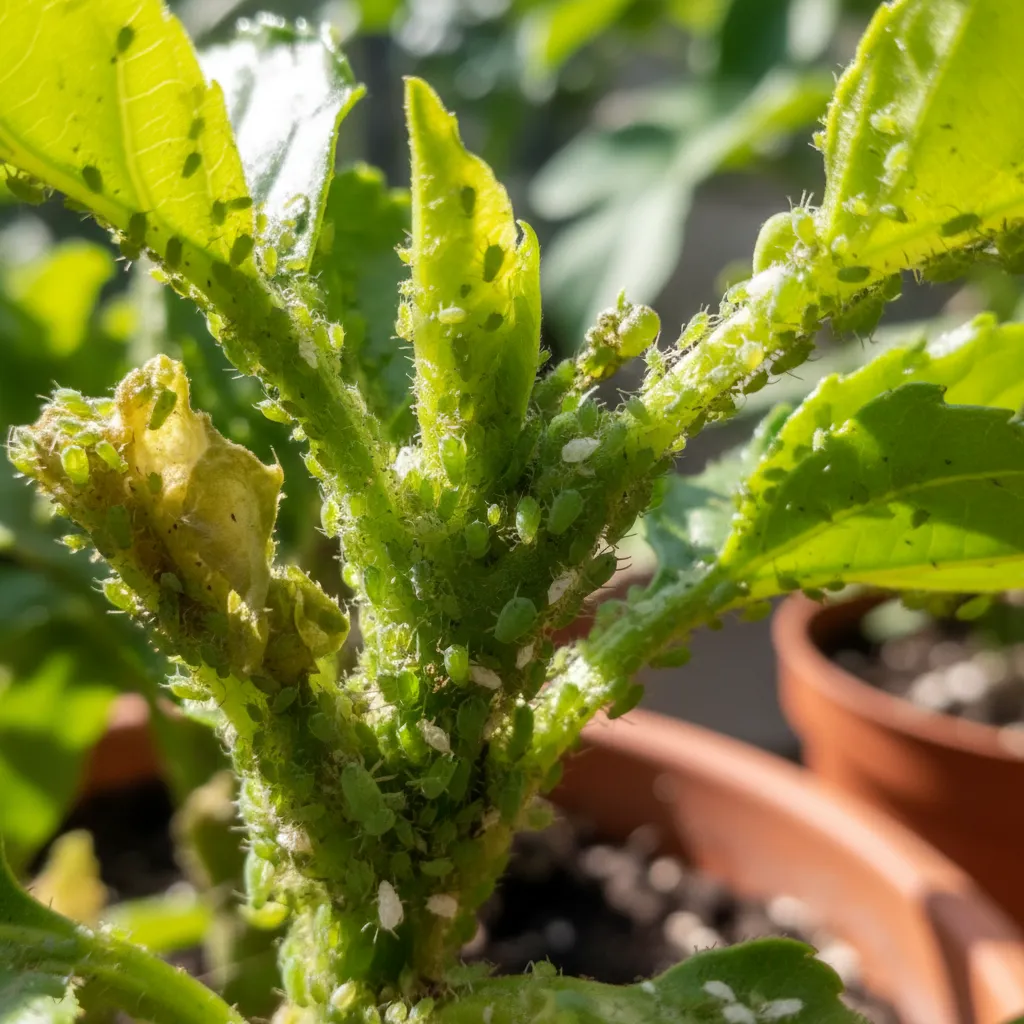
- ✓Pests and Diseases — Generally robust, but young plants can be susceptible to common sap-sucking insects and fungal diseases if conditions are overly humid or poorly ventilated.
- ✓Harvesting — Seeds are harvested from ripe, orange-red fruits, typically after they fall naturally or are carefully picked. The fruits are then pulped to extract the seeds.
- ✓Processing — After extraction, seeds are washed, dried thoroughly in the shade to prevent mold, and then stored. Detoxification (Shodhana) is a crucial traditional processing step before any medicinal use.
- ✓Spacing — When planted, young trees should be spaced adequately to allow for mature canopy development, typically 5-7 meters apart.
Reviewed by the Flora Medical Global Botanical Review Panel
Multi-disciplinary editorial group · Botany · Ethnobotany · Herbal-medicine literature
Who reviewed this: This page was checked by the Flora Medical Global Botanical Review Panel — an in-house editorial group of botany graduates, ethnobotany researchers, and horticulture practitioners who collectively maintain our 7,000+ plant encyclopedia. Meet the team.
Our 4-step verification process
1. Taxonomic verification
Scientific names and synonyms cross-checked against Kew POWO, World Flora Online, and The Plant List.
2. Phytochemical & medicinal cross-reference
Active compounds, traditional uses, and reported activities are cross-referenced with PubMed, USDA Dr. Duke's database, and peer-reviewed ethnobotanical literature.
3. Conservation & distribution check
Distribution, ecology, and conservation status confirmed against GBIF occurrence records and the IUCN Red List.
4. Editorial & safety review
Every entry passes an editorial pass for clarity, originality, and safety notices (toxicity, contraindications, dosage caveats) before publication.
Last reviewed:
Important medical disclaimer: This content is for educational and research purposes only. It is not medical advice and is not a substitute for consultation with a licensed healthcare provider. Do not use any herb to self-treat a medical condition without professional guidance.
Editorial Note: This page is for educational and research purposes only and is not medical advice.
Written by: Flora Medical Global Editorial Team
Reviewed by: Flora Medical Global Botanical Review Panel
Last Updated: June 15, 2026





Kupilu (Nux Vomica) — Comments & Community Reviews
Rate this plant