

Medical Disclaimer: This content is for educational purposes only. It is not medical advice. Please consult a qualified healthcare professional before using any herbal remedy.
Safety Overview
1.Ladies Mantle — At a Glance
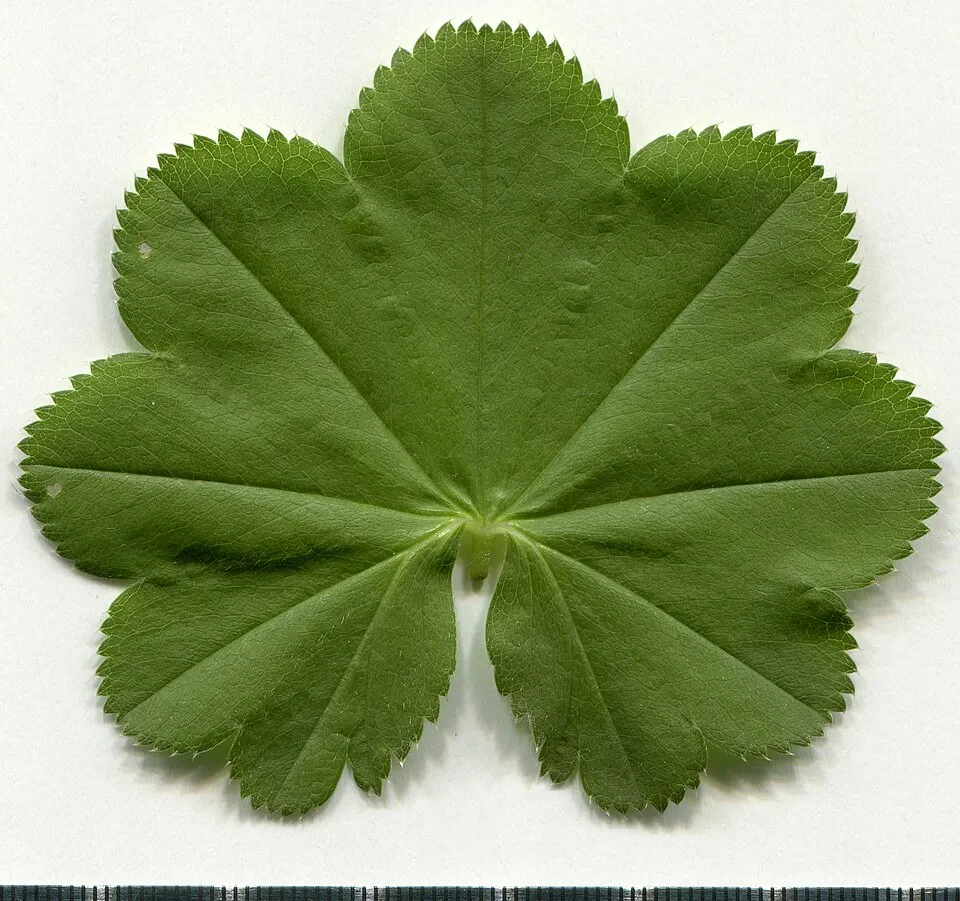
Ladies Mantle, scientifically known as Alchemilla vulgaris, is a distinguished herbaceous perennial belonging to the extensive Rosaceae family, which also includes roses and apples. This resilient plant typically grows in clumps, characterized by its distinctive, deeply lobed leaves that are often covered in fine, soft hairs. A remarkable feature of its foliage is its superhydrophobic nature, causing morning dew or rain droplets to bead up like tiny jewels, a phenomenon that has fascinated observers for centuries. Beneath the soil, Alchemilla vulgaris spreads via underground stems or rhizomes, contributing to its robust growth habit. Its small, delicate flowers, usually yellow or yellowish-green, emerge in late spring or summer, adding a subtle beauty to its natural habitats.
Native to Britain and various regions across Europe, Ladies Mantle has successfully naturalized and is now cultivated in many parts of the world, including the United States, adapting to diverse temperate climates. It thrives in well-drained, moist, and fertile soils, preferring areas with cool summers and partial shade, though it can tolerate full sun in cooler regions. The genus Alchemilla encompasses approximately 300 species, with Alchemilla vulgaris (common lady's mantle) and Alchemilla mollis (garden lady's mantle) being the most recognized for their ornamental and medicinal value. The historical significance of Ladies Mantle as a medicinal herb dates back to at least Medieval times. Its name is often attributed to the scalloped, cloak-like shape of its leaves, reminiscent of a lady's mantle, and its traditional association with women's health.
Historically, it was revered for its therapeutic properties, particularly in European folk medicine, where it was extensively used to treat a range of female ailments, including menstrual irregularities and menopausal symptoms. Beyond gynecological applications, traditional uses also included wound healing, acting as an anti-inflammatory agent, a diuretic, a digestive aid, and a relaxant for muscle spasms. The above-ground parts of the plant, especially when in bloom, are primarily harvested for medicinal preparations, though the roots are also sometimes utilized. Its enduring legacy in herbal medicine continues to be explored and validated by modern pharmacological research, cementing its place as a significant botanical asset. Trusted Scientific References Authoritative external sources for Alchemilla vulgaris : Wikipedia — Alchemilla v ...[CURRENT TEXT EXISTS: 2626 chars]
1.1.Ladies Mantle — Distinguishing Points
- ✓Botanical Name — Alchemilla vulgaris
- ✓Common Name — Ladies Mantle
- ✓Family — Rosaceae
- ✓Key Bioactives — Tannins, Flavonoids, Phenolic Acids (e.g., Salicylic Acid)
- ✓Primary Traditional Use — Women's Reproductive Health
- ✓Notable Properties — Astringent, Anti-inflammatory, Antioxidant, Antiviral
- ✓Growth Habit — Herbaceous perennial with spreading rhizomes
- ✓Leaf Morphology — Deeply lobed, superhydrophobic, finely hairy
- ✓Flower Color — Small yellow to yellowish-green
- ✓Historical Significance — Revered in Medieval European folk medicine
- ✓Traditional Systems — Primarily European Folk Medicine
- ✓Preparation Forms — Tea, Tincture, Extract, Topical preparations
- ✓Habitat — Native to Europe, widely cultivated in temperate regions
- ✓SEO Focus — Ladies Mantle benefits, women's health herbal remedy
- ✓Unique Characteristic — Water-repellent leaves with dewdrop formation
1.2.Ladies Mantle — Quick Summary
- ✓Alchemilla vulgaris, or Ladies Mantle, is a herbaceous perennial from the Rosaceae family known for its distinct leaves and medicinal properties.
- ✓Historically revered in European folk medicine, particularly for its benefits in women's health, including menstrual and menopausal symptoms.
- ✓Rich in bioactive compounds such as tannins, flavonoids, and phenolic acids, which contribute to its therapeutic actions.
- ✓Exhibits significant astringent, anti-inflammatory, antioxidant, and antiviral properties, supporting various body systems.
- ✓Traditional uses extend to treating diarrhea, promoting wound healing, and showing preliminary promise in anticancer research.
- ✓Available in various forms including teas, tinctures, and extracts; it is also cultivated as an ornamental garden plant.
- ✓Generally considered safe in recommended doses, but specific contraindications exist for pregnancy, breastfeeding, and certain health conditions.
- ✓Research continues to validate its traditional applications, highlighting its potential as a valuable natural remedy.
2.Ladies Mantle — Nomenclature & Classification
3.Ladies Mantle — Key Data
4.Ladies Mantle — Physical Description
5.Ladies Mantle — Native Range & Habitat
6.Ladies Mantle — Traditional Uses
7.Ladies Mantle — Key Phytochemicals
- ✓Tannins — Primarily ellagitannins and gallotannins, these compounds are responsible for the plant's potent astringent properties, contributing to antidiarrheal, anti-inflammatory, and wound-healing effects.
- ✓Flavonoids — Including quercetin, kaempferol, and their glycosides, these are powerful antioxidants that protect cells from oxidative stress and exhibit significant anti-inflammatory and vasoprotective activities.
- ✓Phenolic Acids — Such as salicylic acid, caffeic acid, and ferulic acid, which possess anti-inflammatory, analgesic, and antioxidant properties, contributing to the plant's broad therapeutic spectrum.
- ✓Saponins — These glycosides are present in smaller amounts and may contribute to mild expectorant and diuretic actions, though their precise role in Alchemilla vulgaris is less studied.
- ✓Alkaloids — While generally present in low concentrations, specific alkaloids may contribute to various pharmacological activities, including effects on the nervous and cardiovascular systems.
- ✓Terpenoids — This diverse group includes triterpenes like ursolic and oleanolic acids, known for their anti-inflammatory, hepatoprotective, and potential anticancer properties.
- ✓Glycosides — Beyond flavonoids and saponins, other glycosidic compounds are present, which can influence various biological pathways and contribute to the plant's overall medicinal profile.
- ✓Catechins — Notably abundant in the roots, catechins are potent antioxidants and contribute significantly to the plant's observed antiviral properties, particularly against certain viruses.
- ✓Essential Oils — Trace amounts of volatile compounds contribute to the plant's characteristic aroma and may possess mild antimicrobial or insect-repellent properties.
- ✓Sterols — Plant sterols are present and can play a role in membrane fluidity and may have mild anti-inflammatory effects.
- ✓Fatty Acids — Various saturated and unsaturated fatty acids are found in the plant, contributing to its nutritional profile and cell membrane integrity.
- ✓Minerals and Vitamins — Alchemilla vulgaris contains essential minerals like potassium, calcium, and magnesium, along with vitamins, supporting general physiological functions.
8.Ladies Mantle — Pharmacological Findings
- ✓Menstrual Pain Relief — Ladies Mantle is highly regarded for its ability to alleviate painful menstrual cramps (dysmenorrhea) and reduce heavy menstrual bleeding (menorrhagia) due to its astringent and anti-inflammatory properties.
- ✓Menopause Symptom Management — Herbalists frequently recommend Alchemilla vulgaris to help soothe common menopause symptoms such as hot flashes, night sweats, mood swings, and anxiety, acting as a uterine tonic.
- ✓Diarrhea Treatment — The rich tannin content in Ladies Mantle provides significant astringent action, which helps to dry up excessive watery secretions in the gut, making it an effective traditional remedy for acute diarrhea.
- ✓Antiviral Activity — Research indicates that extracts from Alchemilla vulgaris, particularly from the roots, exhibit dose-dependent antiviral properties, potentially due to high concentrations of catechins and other phenolic compounds.
- ✓Anticancer Potential — In vitro studies have demonstrated that Ladies Mantle possesses antioxidant capabilities and can suppress the proliferation of various human tumor cell lines, including prostate, breast, and colorectal cancer cells.
- ✓Weight Loss Support — Preliminary in vitro and clinical research suggests that Alchemilla vulgaris may have anti-adipogenic properties, helping to prevent fat storage and contributing to weight management when combined with other synergistic herbs.
- ✓Anti-inflammatory Effects — Bioactive compounds like flavonoids and phenolic acids found in Ladies Mantle contribute to its notable anti-inflammatory action, which can help reduce swelling and pain throughout the body.
- ✓Antioxidant Protection — The plant is abundant in antioxidants, which combat oxidative stress by neutralizing free radicals, thereby protecting cells from damage and supporting overall cellular health.
- ✓Uterine Toning and Astringency — Ladies Mantle acts as a powerful uterine tonic and astringent, which strengthens and tones the uterine tissues, beneficial for post-childbirth recovery and general reproductive health.
- ✓Wound Healing — Traditionally, the astringent properties of Ladies Mantle were utilized topically to promote the healing of wounds, cuts, and minor skin irritations by tightening tissues and reducing bleeding.
- ✓Digestive Aid — Beyond diarrhea relief, Alchemilla vulgaris can support overall digestive health by soothing irritated mucous membranes in the gastrointestinal tract and regulating bowel function.
- ✓Immune System Support — The diverse array of bioactive compounds, including flavonoids and tannins, contributes to the plant’s general immune-modulating effects, helping to bolster the body’s natural defenses.
- ✓Sore Throat Relief — When prepared as a cooled tea or gargle, Ladies Mantle can provide soothing relief for sore throats and minor oral inflammations due to its astringent and mild antiseptic qualities.
- ✓Muscle Spasm Relaxation — Historical accounts indicate its use as a relaxant for muscle spasms, suggesting potential antispasmodic effects that could alleviate discomfort.
- ✓Diuretic Properties — Traditional applications include its use as a mild diuretic, assisting the body in expelling excess fluids and supporting kidney function.
8.1.Ladies Mantle — Reported Uses
9.Ladies Mantle — Safety Considerations
9.1.Ladies Mantle — Warnings
- ✓Liver Concerns — Some researchers have raised theoretical concerns about potential liver damage with prolonged or excessive use, though evidence is largely anecdotal and debated by experts.
- ✓Allergic Reactions — As with any plant, individuals sensitive to the Rosaceae family may experience allergic reactions, including skin rashes or gastrointestinal upset.
- ✓Gastrointestinal Discomfort — High tannin content can occasionally lead to mild stomach upset, nausea, or constipation in sensitive individuals, especially if consumed on an empty stomach.
- ✓Drug Interactions — May potentially interact with medications that affect blood clotting (due to tannins) or hormone-sensitive therapies, warranting caution and professional advice.
- ✓Hormonal Effects — Due to its traditional use as a uterine tonic, it may influence hormonal balance, which could be a concern for individuals with hormone-sensitive conditions.
- ✓Excessive Consumption — Very large doses may increase the risk of adverse effects, emphasizing the importance of adhering to recommended dosages.
- ✓Tannin Sensitivity — Individuals with pre-existing gastrointestinal sensitivities or conditions like IBS might experience exacerbated symptoms from the astringent tannins.
9.2.Ladies Mantle — Clinical Safety Notes
- ✓Pregnancy — Generally not recommended during pregnancy due to its uterine tonic effects, although some herbalists suggest its use in the final weeks to prepare for labor, but only under strict medical supervision.
- ✓Breastfeeding — Lacks sufficient safety data for use during breastfeeding; therefore, it is typically advised against use in nursing mothers.
- ✓Children — Use in children should be approached with caution and only under the guidance of a qualified healthcare practitioner due to limited research on pediatric safety.
- ✓Pre-existing Conditions — Individuals with liver disease, iron deficiency anemia (tannins can inhibit iron absorption), or hormone-sensitive cancers should avoid or consult a physician.
- ✓Surgery — It is advisable to discontinue Ladies Mantle at least two weeks prior to any scheduled surgery due to its potential effects on blood clotting, though this is not well-documented.
- ✓Medication Interactions — Patients taking anticoagulant medications, hormone replacement therapy, or other chronic medications should consult their doctor before using Ladies Mantle.
- ✓General Safety — When taken in appropriate traditional doses, Ladies Mantle is generally considered safe for most healthy adults; however, individual reactions can vary.
- ✓Quality and Purity — Always source Ladies Mantle from reputable suppliers to ensure the product is free from contaminants and accurately identified.
10.Ladies Mantle — Preparations & Uses
- ✓Herbal Tea — Prepare by steeping 2 teaspoons to 1 tablespoon of dried Ladies Mantle herb in one cup of boiled water for 10-15 minutes, then strain and drink.
- ✓Tincture — A concentrated alcohol extract, typically taken in drops or small doses as directed by a healthcare professional or product label.
- ✓Liquid Extract — Non-alcoholic extracts are also available, offering a convenient way to consume the herb, often added to water or juice.
- ✓Capsules/Supplements — Standardized powdered forms of the herb or its extracts are available in capsule form for easy, measured dosing.
- ✓Topical Poultice/Compress — For external use, a strong tea or infused oil can be applied as a compress or poultice to minor wounds or skin irritations.
- ✓Gargle/Mouthwash — A cooled Ladies Mantle tea can be used as a gargle for sore throats or as a mouthwash for oral inflammations due to its astringent properties.
- ✓Sitz Bath — For gynecological discomfort, a strong infusion can be added to bathwater for a soothing sitz bath.
- ✓Combination Herbal Blends — Often combined with other herbs like red raspberry leaf and lemon balm in 'happy uterus' teas for enhanced women's health benefits.
- ✓Dosage Guidance — While no definitive clinical dosage exists, traditional use for diarrhea often involves 5-10 grams of dried herb daily; always consult an herbalist or physician for personalized recommendations.
- ✓Culinary Use — Though primarily medicinal, young, tender leaves can occasionally be added to salads or used in herbal vinegars, but this is less common.
11.Ladies Mantle — Garden Cultivation
- ✓Soil Preference — Ladies Mantle thrives in well-drained, moist, and fertile soil, ideally rich in organic matter to support its vigorous growth.
- ✓Sunlight Requirement — This plant performs best in partial shade, especially in warmer climates, though it can tolerate full sun in cooler, more temperate regions.
- ✓Propagation — It can be propagated effectively from seeds sown in spring or autumn, or more commonly through division of its rhizomes in spring or early fall.
- ✓Spacing — When planting, ensure adequate space, typically 8 to 12 inches (20-30 cm) apart, to allow for its spreading habit and prevent overcrowding.
- ✓Watering — Consistent moisture is crucial; maintain regularly moist soil, particularly during dry spells, but avoid waterlogging.
- ✓Climate Adaptation — Ideally suited for areas with cool summers, it demonstrates good cold hardiness and is a robust perennial in many temperate zones.
- ✓Ornamental Use — Frequently used as an attractive ground cover, border edging plant, or in rock gardens due to its distinctive foliage and low-growing habit.
- ✓Harvesting — The aerial parts of the plant, including leaves and flowers, are best harvested in the summer when the plant is in full bloom for medicinal use.
- ✓Drying — After harvesting, the plant material should be dried in a cool, well-ventilated area away from direct sunlight to preserve its active constituents.
- ✓Pest and Disease Resistance — Ladies Mantle is generally a low-maintenance plant with good resistance to most common garden pests and diseases.
- ✓Fertilization — A light application of balanced organic fertilizer in spring can encourage healthy growth, though it often thrives without heavy feeding.
Reviewed by the Flora Medical Global Botanical Review Panel
Multi-disciplinary editorial group · Botany · Ethnobotany · Herbal-medicine literature
Who reviewed this: This page was checked by the Flora Medical Global Botanical Review Panel — an in-house editorial group of botany graduates, ethnobotany researchers, and horticulture practitioners who collectively maintain our 7,000+ plant encyclopedia. Meet the team.
Our 4-step verification process
1. Taxonomic verification
Scientific names and synonyms cross-checked against Kew POWO, World Flora Online, and The Plant List.
2. Phytochemical & medicinal cross-reference
Active compounds, traditional uses, and reported activities are cross-referenced with PubMed, USDA Dr. Duke's database, and peer-reviewed ethnobotanical literature.
3. Conservation & distribution check
Distribution, ecology, and conservation status confirmed against GBIF occurrence records and the IUCN Red List.
4. Editorial & safety review
Every entry passes an editorial pass for clarity, originality, and safety notices (toxicity, contraindications, dosage caveats) before publication.
Last reviewed:
Important medical disclaimer: This content is for educational and research purposes only. It is not medical advice and is not a substitute for consultation with a licensed healthcare provider. Do not use any herb to self-treat a medical condition without professional guidance.
Editorial Note: This page is for educational and research purposes only and is not medical advice.
Written by: Flora Medical Global Editorial Team
Reviewed by: Flora Medical Global Botanical Review Panel
Last Updated: June 15, 2026





Ladies Mantle — Comments & Community Reviews
Rate this plant