

Medical Disclaimer: This content is for educational purposes only. It is not medical advice. Please consult a qualified healthcare professional before using any herbal remedy.
Safety Overview
1.Lady Fern — Plant Snapshot
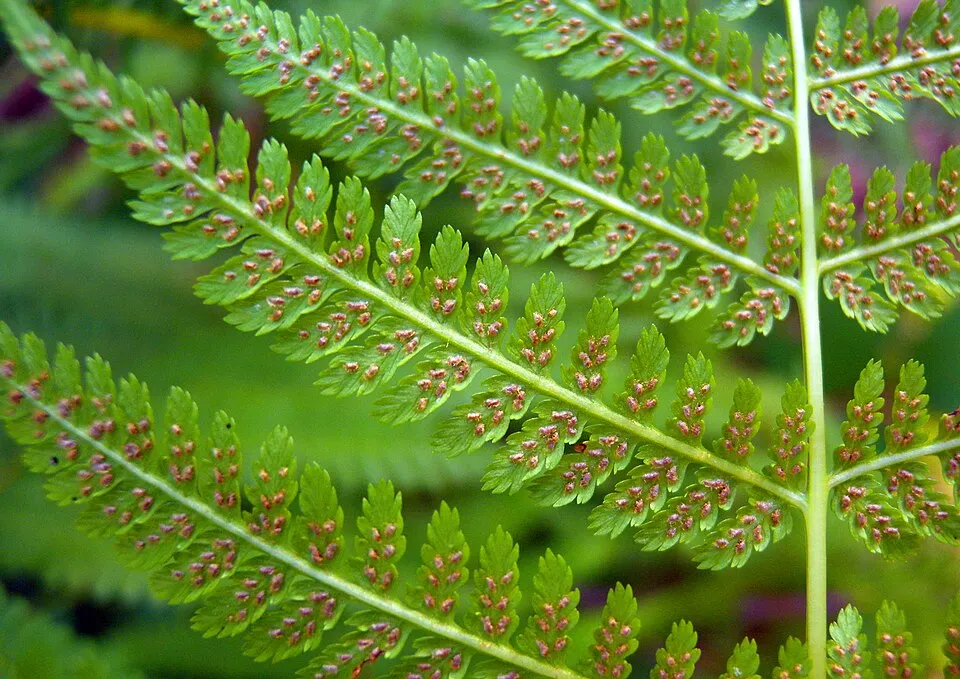
Lady Fern, scientifically known as Athyrium filix-femina, is a captivating perennial fern celebrated for its delicate, lacy fronds and widespread distribution across the Northern Hemisphere. This elegant species typically attains heights of 30 to 90 centimeters, forming lush clumps in its preferred habitats. The fronds, which can extend from 40 to 100 centimeters in length, exhibit a finely dissected, compound structure, giving them a distinctive feathery or 'lacy' appearance. Each leaflet, measuring approximately 1 to 2 centimeters in width, is intricately serrated, contributing to the plant's graceful aesthetic. Emerging from a robust, green, root-like stem, the fronds are anchored by a fleshy rhizome embedded beneath the soil surface. This subterranean root system allows the Lady Fern to spread slowly, forming dense, non-aggressive clumps.
A key botanical feature of Athyrium filix-femina is its reproductive mechanism: small, elongated clusters of spore cases, known as sori, are produced on the undersides of the leaflets. These sori are characteristically protected by thin, translucent coverings called indusia, which slowly open to release the spores for propagation. Lady Fern thrives in moist, shaded environments, making it a common sight in woodlands, along the banks of streams, and in damp meadows. It demonstrates a strong preference for acidic, well-drained soil, though its resilience allows it to adapt to a range of moisture levels and soil compositions. Its geographical reach is extensive, encompassing vast areas of North America, Europe, and Asia, a testament to its adaptability to temperate climates. Taxonomically, Athyrium filix-femina belongs to the family Athyriaceae and the genus Athyrium, indicating its close relationship with other members of this diverse fern family.
Beyond its ecological significance, Lady Fern holds considerable appeal in horticulture and landscaping due to its ornamental value. Its graceful, arching fronds and vibrant green foliage contribute to a serene garden aesthetic, particularly in shaded borders or woodland settings. The specific epithet 'filix-femina' translates from Latin as 'female fern,' a name thought to allude to its delicate texture, contrasting with the more robust 'male fern' (Dryopteris filix-mas). Historically, various cultures have recognized its presence in their ecosystems, often incorporating it into traditional practices, though scientific understanding of its medicinal properties remains an evolv ...[CURRENT TEXT EXISTS: 2878 chars]
1.1.Lady Fern — Defining Traits
- ✓Deciduous perennial fern — Deciduous perennial fern
- ✓Graceful, arching, lacy — Graceful, arching, lacy fronds
- ✓Grows 30 — 90 cm tall
- ✓Fleshy, subterranean rhizome — Fleshy, subterranean rhizome
- ✓Sori protected by — Sori protected by indusia on frond undersides
- ✓Thrives in moist, — Thrives in moist, shaded woodlands
- ✓Native to Northern — Native to Northern Hemisphere (N. America, Europe, Asia)
- ✓Prefers acidic, well — drained soil
- ✓Ornamental value in — Ornamental value in gardens
- ✓Traditionally used for — Traditionally used for various ailments
- ✓Contains diverse phytochemicals — Contains diverse phytochemicals
- ✓Cold tolerant (USDA Zones 3 — 8)
- ✓Non — aggressive clumping habit
- ✓Common name 'Lady — Common name 'Lady Fern' alludes to delicate appearance
- ✓Propagation by division — Propagation by division or spores
1.2.Lady Fern — Quick Summary
- ✓Athyrium filix-femina, or Lady Fern, is a deciduous perennial fern native to the Northern Hemisphere.
- ✓Characterized by delicate, lacy fronds and a preference for moist, shaded habitats.
- ✓Traditionally used for immune support, anti-inflammatory action, digestive health, and respiratory comfort.
- ✓Contains bioactive compounds like flavonoids, phenolic acids, terpenoids, and tannins.
- ✓Cultivation requires moist, acidic, well-drained soil and partial to full shade.
- ✓Insufficient scientific evidence supports its medicinal uses, and its safety profile is largely unknown.
- ✓Avoid use during pregnancy, breastfeeding, and in children due to lack of safety data.
- ✓Primarily valued ornamentally, with traditional uses needing more rigorous scientific validation.
2.Lady Fern — Taxonomic Classification
3.Lady Fern — Botanical Stats
4.Lady Fern — Structural Profile
5.Lady Fern — Where It Grows
6.Lady Fern — Cultural & Traditional Roles
7.Lady Fern — Active Compounds
- ✓Flavonoids — Key compounds include quercetin, kaempferol, and various glycosides, recognized for their potent antioxidant, anti-inflammatory, and cardioprotective effects. They contribute significantly to cellular protection and immune modulation.
- ✓Phenolic Acids — Such as caffeic acid, ferulic acid, and gallic acid derivatives, which are powerful antioxidants. These compounds play a crucial role in scavenging free radicals and supporting anti-inflammatory responses.
- ✓Terpenoids — A diverse group of compounds including triterpenes and diterpenes, which may exhibit anti-inflammatory, antimicrobial, and cytotoxic activities. They contribute to the plant's defense mechanisms and potential therapeutic effects.
- ✓Alkaloids — While typically found in lower concentrations in ferns, specific alkaloid structures may contribute to various pharmacological actions, including potential analgesic or neuroactive properties, warranting further investigation.
- ✓Tannins — Primarily gallotannins and condensed tannins, which impart astringent properties. These compounds are known for their ability to bind to proteins, offering antiseptic and wound-healing benefits in traditional applications.
- ✓Saponins — Glycosides that can form a stable foam in water, potentially exhibiting expectorant, anti-inflammatory, and cholesterol-lowering properties. They contribute to the plant's defensive chemistry.
- ✓Sterols — Including beta-sitosterol, which are plant-derived compounds structurally similar to cholesterol. They are known for potential anti-inflammatory effects and roles in cardiovascular health.
- ✓Carotenoids — Such as lutein and beta-carotene, potent antioxidants that protect against oxidative damage, particularly to vision and skin. They contribute to the plant's vibrant green coloration.
- ✓Fatty Acids — Essential and non-essential fatty acids found in the rhizome, providing nutritional value and potentially influencing cellular membrane integrity and inflammatory processes.
- ✓Polysaccharides — Complex carbohydrates that can contribute to immune-modulating effects, supporting the body's natural defenses and providing demulcent properties.
- ✓Glycosides — Various types beyond flavonoids and saponins, which are compounds where a sugar molecule is linked to a non-sugar component, often influencing bioavailability and specific pharmacological activities.
- ✓Minerals — Essential trace elements such as potassium, magnesium, and calcium, vital for numerous physiological functions and overall plant and human health.
8.Lady Fern — Modern Studies
- ✓Immune System Support — Lady Fern has been traditionally employed to bolster the body's natural defenses. Its rich profile of phytochemicals, particularly antioxidants, may help protect immune cells from oxidative stress and support overall immune function.
- ✓Anti-inflammatory Effects — Historically, this fern has been used for its potential to reduce inflammation. Compounds like flavonoids and phenolic acids are believed to modulate inflammatory pathways, offering relief from discomfort associated with inflammatory conditions.
- ✓Antioxidant Protection — The presence of various phenolic compounds and flavonoids in Lady Fern contributes to its significant antioxidant capacity. These compounds scavenge free radicals, helping to prevent cellular damage and supporting cellular health.
- ✓Digestive Health Aid — Traditional medicine systems have utilized Lady Fern for managing various digestive tract illnesses. It is thought to soothe gastrointestinal irritation and support healthy bowel function, though specific mechanisms require further investigation.
- ✓Respiratory Comfort — Lady Fern has a history of traditional use in addressing lung and breathing problems, including coughs. Its potential expectorant or demulcent properties may help alleviate respiratory discomfort and promote clearer airways.
- ✓General Wellness Promotion — Beyond specific ailments, Lady Fern has been valued in folk medicine for its overall health-promoting qualities. This general tonic effect is likely attributed to the synergistic action of its diverse bioactive compounds.
- ✓Potential Antimicrobial Activity — Some phytochemicals found in ferns, including Lady Fern, have demonstrated preliminary antimicrobial properties in vitro. This suggests a potential role in inhibiting the growth of certain pathogens.
- ✓Wound Healing Support — Traditionally, poultices made from ferns were applied to wounds, suggesting a potential role in supporting the healing process. This might be linked to its anti-inflammatory and antioxidant constituents.
- ✓Diuretic Properties — Certain traditional accounts indicate Lady Fern may possess mild diuretic effects, potentially aiding in fluid balance and supporting kidney function. This effect would likely be attributed to specific mineral or organic acid content.
- ✓Astringent Action — The presence of tannins can provide astringent properties, which might have been utilized topically to constrict tissues and reduce secretions, particularly in traditional preparations for skin issues.
- ✓Nervine Support — In some traditional practices, ferns were believed to have calming effects, potentially offering mild nervine support. This could be due to subtle interactions of specific compounds with the nervous system.
- ✓Detoxification Support — Through its antioxidant and potential diuretic actions, Lady Fern may traditionally have been seen as supporting the body's natural detoxification processes. This involves aiding the elimination of waste products.
- ✓Skin Health — Extracts or poultices from Lady Fern were traditionally applied to soothe skin irritations. The anti-inflammatory and antioxidant compounds could contribute to maintaining healthy skin.
- ✓Joint Health — Given its traditional anti-inflammatory uses, Lady Fern was sometimes employed to support joint health and alleviate discomfort associated with musculoskeletal issues. This aligns with its broader anti-inflammatory profile.
- ✓Blood Sugar Modulation — While not a primary traditional use, some plant flavonoids and phenolics are studied for their potential to influence blood sugar levels. Lady Fern's constituent profile suggests this as an area for future research.
- ✓Cardiovascular Support — The antioxidant properties of Lady Fern may indirectly contribute to cardiovascular health by protecting against oxidative damage to blood vessels. This is a general benefit associated with antioxidant-rich plants.
8.1.Lady Fern — Reported Uses
9.Lady Fern — Adverse Effects
9.1.Lady Fern — Side Effects & Warnings
- ✓Gastrointestinal Upset — May cause nausea, vomiting, or diarrhea if ingested, particularly in large quantities or when raw.
- ✓Allergic Reactions — Individuals sensitive to ferns or other plants may experience skin rashes, itching, or respiratory symptoms upon contact or ingestion.
- ✓Potential Toxicity — Raw fern parts can contain compounds that may be toxic if consumed, emphasizing the need for proper preparation if used internally.
- ✓Interference with Medications — Potential for interactions with prescription drugs, especially anticoagulants, anti-inflammatory drugs, or diuretics, due to its bioactive compounds.
- ✓Liver or Kidney Stress — Excessive or prolonged internal use without proper guidance could potentially strain liver or kidney function, though specific data is limited.
- ✓Contamination Risk — Wild-harvested Lady Fern may be contaminated with pesticides, heavy metals, or other environmental pollutants, posing health risks.
- ✓Unknown Long-Term Effects — Insufficient scientific data exists regarding the long-term safety of Lady Fern consumption, particularly at medicinal dosages.
- ✓Pregnancy and Breastfeeding Concerns — Avoid use during pregnancy and breastfeeding due to lack of safety information and potential risks to the fetus or infant.
9.2.Lady Fern — Safety Profile
- ✓Insufficient Evidence — There is a significant lack of scientific data to establish the safety and effectiveness of Lady Fern for human consumption in medicinal doses.
- ✓Avoid During Pregnancy/Breastfeeding — Due to insufficient safety information, pregnant and breastfeeding individuals should strictly avoid using Lady Fern.
- ✓Consult Healthcare Professional — Always seek advice from a qualified healthcare provider before using Lady Fern, especially if you have pre-existing medical conditions or are on medication.
- ✓Proper Identification Critical — Misidentification with other fern species, some of which may be toxic, poses a significant risk. Ensure accurate botanical identification.
- ✓Raw Consumption Caution — Raw Lady Fern, particularly rhizomes, should be avoided due to potential toxicity and the presence of compounds that may cause digestive upset.
- ✓Dosage Unknown — There is no scientifically established safe or effective dosage for Lady Fern, making self-dosing highly risky.
- ✓Children and Infants — Lady Fern should not be administered to children or infants due to the lack of safety data and potential for adverse effects.
- ✓Allergy Risk — Individuals with known allergies to ferns or other plant species should exercise extreme caution or avoid contact.
- ✓Quality and Purity — Ensure any plant material is sourced from reputable suppliers and free from contaminants like heavy metals or pesticides.
10.Lady Fern — Preparation & Dosage
- ✓Traditional Decoction — Historically, rhizomes or fronds were boiled in water to create a decoction for internal use, often for respiratory or digestive complaints.
- ✓Infusion (Tea) — Dried fronds or aerial parts infused in hot water to make a herbal tea, typically for milder conditions or general wellness.
- ✓Topical Poultice — Fresh, crushed fronds or rhizomes applied directly to the skin as a poultice for traditional wound healing or soothing skin irritations.
- ✓Tincture Preparation — Alcoholic extracts of the rhizome or fronds, used historically for their concentrated medicinal properties, taken in small doses.
- ✓Herbal Compress — Soaked cloth in a warm decoction or infusion, applied topically to areas of inflammation or discomfort.
- ✓Edible Fiddleheads — Young, unfurling fronds (fiddleheads) of some Athyrium species are traditionally consumed as a spring vegetable after proper cooking, but identification is crucial.
- ✓Bath Additive — Infusions added to bathwater for a soothing and potentially anti-inflammatory external treatment.
- ✓Culinary Use — While not a primary culinary herb, some traditional cultures have incorporated parts of the plant, usually cooked, into their diet.
- ✓Extraction for Research — Plant material processed using various solvents (e.g., ethanol, methanol, water) to isolate specific phytochemical compounds for scientific study.
- ✓Horticultural Display — Cultivated purely for ornamental purposes in shaded gardens, providing aesthetic value and groundcover.
11.Lady Fern — Growing Guide
- ✓Site Selection — Choose a location with partial to full shade; Lady Fern tolerates more sun if soil remains consistently moist.
- ✓Soil Requirements — Prefers acidic, moist, and well-drained soil rich in organic matter. Amend heavy clay or sandy soils with compost.
- ✓Watering — Requires consistent moisture, especially during dry periods. Do not allow the soil to dry out completely, particularly in warmer climates.
- ✓Temperature and Hardiness — Highly cold tolerant, suitable for USDA hardiness zones 3-8. It is deciduous, dying back in winter and re-emerging in spring.
- ✓Propagation by Division — The most common method, performed in early spring or fall by carefully dividing mature clumps of rhizomes.
- ✓Propagation by Spores — Can be propagated from spores, a more advanced method requiring a sterile, moist environment and patience.
- ✓Fertilization — Generally not a heavy feeder; a light application of balanced, slow-release organic fertilizer in spring is sufficient.
- ✓Pests and Diseases — Relatively pest and disease-free; watch for slugs and snails in very damp conditions, and occasionally fungal spots.
- ✓Mulching — Apply a layer of organic mulch (e.g., shredded leaves, wood chips) around the base to retain moisture and regulate soil temperature.
- ✓Container Growing — Can be grown in containers, ensuring adequate drainage and consistent moisture, but may require more frequent watering.
- ✓Landscape Use — Excellent for woodland gardens, shady borders, stream banks, and as a non-aggressive groundcover in appropriate conditions.
Reviewed by the Flora Medical Global Botanical Review Panel
Multi-disciplinary editorial group · Botany · Ethnobotany · Herbal-medicine literature
Who reviewed this: This page was checked by the Flora Medical Global Botanical Review Panel — an in-house editorial group of botany graduates, ethnobotany researchers, and horticulture practitioners who collectively maintain our 7,000+ plant encyclopedia. Meet the team.
Our 4-step verification process
1. Taxonomic verification
Scientific names and synonyms cross-checked against Kew POWO, World Flora Online, and The Plant List.
2. Phytochemical & medicinal cross-reference
Active compounds, traditional uses, and reported activities are cross-referenced with PubMed, USDA Dr. Duke's database, and peer-reviewed ethnobotanical literature.
3. Conservation & distribution check
Distribution, ecology, and conservation status confirmed against GBIF occurrence records and the IUCN Red List.
4. Editorial & safety review
Every entry passes an editorial pass for clarity, originality, and safety notices (toxicity, contraindications, dosage caveats) before publication.
Last reviewed:
Important medical disclaimer: This content is for educational and research purposes only. It is not medical advice and is not a substitute for consultation with a licensed healthcare provider. Do not use any herb to self-treat a medical condition without professional guidance.
Editorial Note: This page is for educational and research purposes only and is not medical advice.
Written by: Flora Medical Global Editorial Team
Reviewed by: Flora Medical Global Botanical Review Panel
Last Updated: June 15, 2026




Lady Fern — Comments & Community Reviews
Rate this plant