
Medical Disclaimer: This content is for educational purposes only. It is not medical advice. Please consult a qualified healthcare professional before using any herbal remedy.
Safety Overview
1.Ledebouria Socialis — Overview
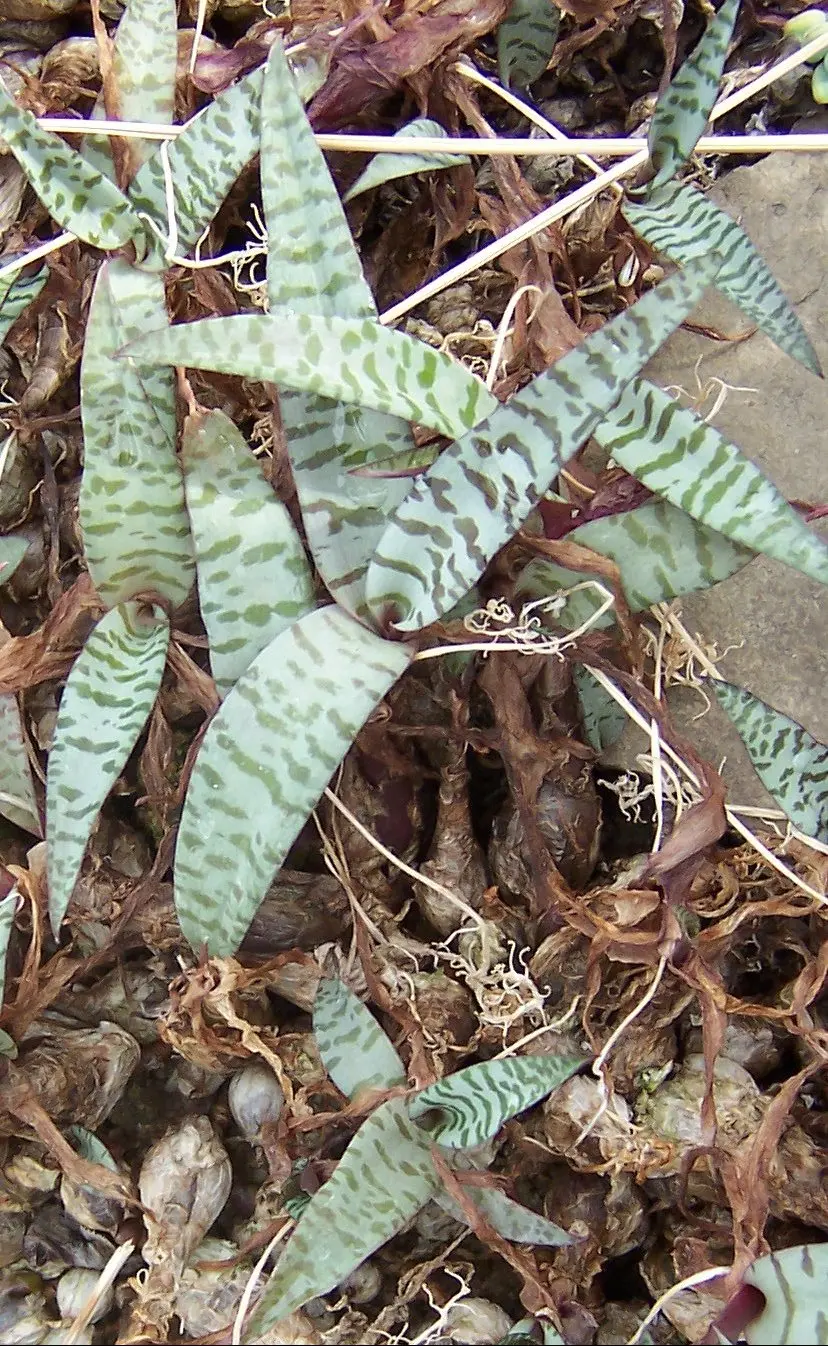
Ledebouria socialis, commonly known as Silver Squill or Leopard Lily, is a striking bulbous perennial native to the Eastern Cape Province of South Africa. Thriving in rocky outcrops and semi-arid environments, this plant has adapted to store water efficiently within its distinctive bulbous structure, making it highly resilient to less humid conditions. Morphologically, it typically reaches a modest height of 15 to 30 cm, forming an attractive basal rosette of fleshy leaves.
These leaves are a hallmark of the species, growing up to 20 cm long and exhibiting a unique triangular shape with gracefully undulating margins. Their most captivating feature is the rich dark green coloration, intricately mottled with contrasting silver and white patterns, often with a purplish underside, which gives the plant its common 'silver squill' moniker. From late winter to early spring, slender, reddish-purple flower stalks emerge, bearing small, bell-shaped, tubular flowers in dense clusters.
These blooms are typically light purple to pink and add a delicate charm. Belonging to the Asparagaceae family (formerly Hyacinthaceae), Ledebouria socialis has gained significant popularity as an indoor ornamental plant worldwide due to its low-maintenance nature, unique foliage, and adaptability to various light conditions, providing both aesthetic appeal and textural interest to living spaces. Its natural habitat suggests a preference for well-drained, gritty soils, mimicking its indigenous rocky settings.
Trusted Scientific References
1. Authoritative external sources for Ledebouria socialis
1.1 Wikipedia — Ledebouria socialis
1.2 Kew POWO (Plants of the World Online)
1.3 PubMed — peer-reviewed research
1.4 NCBI Taxonomy Browser
1.5 GBIF — Global Biodiversity
1.6Ledebouria Socialis should be interpreted through verified botanical identity, practical care, and responsible safety language. This recovery note adds the missing context needed for a complete profile: match light to the plant's habit, use well-drained soil, water according to season, and avoid unsupported medicinal or edible claims. For publishing, the plant can be presented as a source-backed indoor plant with clear care guidance, common problem diagnosis, and conservative safety wording.
1.1.Ledebouria Socialis — Defining Traits
- ✓Distinctive Foliage — Silver-mottled, dark green leaves with purple undersides and undulating margins.
- ✓Bulbous Perennial — Stores water in prominent, often exposed, purple-tinged bulbs.
- ✓Low Maintenance — Highly adaptable and forgiving, ideal for novice and experienced plant enthusiasts.
- ✓Drought Tolerant — Resilient in semi-arid conditions due to water-storing bulbs.
- ✓Ornamental Appeal — Adds unique textural interest and color to indoor spaces.
- ✓Small, Delicate Flowers — Clusters of light purple to pink, bell-shaped blooms on slender stems.
- ✓Air Purifying Qualities — Contributes to cleaner indoor air by absorbing certain toxins.
- ✓Easy Propagation — Readily produces offsets, allowing for simple division and sharing.
- ✓South African Native — Originates from rocky, semi-arid regions of the Eastern Cape.
- ✓Asparagaceae Family — Member of the asparagus family, sharing characteristics with other bulbous plants.
1.2.Ledebouria Socialis — Quick Summary
- ✓Ledebouria socialis is a striking, low-maintenance South African bulbous perennial.
- ✓Features distinctive silver-mottled leaves and delicate purple-pink flowers.
- ✓Primarily valued as an ornamental houseplant and for potential indoor air purification.
- ✓Contains calcium oxalate crystals, making it toxic if ingested and a skin irritant.
- ✓Requires bright, indirect light and well-draining soil, with infrequent watering.
- ✓Propagates easily from offsets, forming attractive clusters over time.
2.Ledebouria Socialis — Scientific Profile
3.Ledebouria Socialis — Quick Facts
4.Ledebouria Socialis — Structural Profile
5.Ledebouria Socialis — Geographic Distribution
6.Ledebouria Socialis — Cultural & Traditional Roles
7.Ledebouria Socialis — Secondary Metabolites
- ✓Saponins — These are steroidal glycosides, often found in the bulb and leaves, known for their foam-forming properties and potential antimicrobial, anti-inflammatory, and cholesterol-lowering activities in other species. Examples include spirostanol and furostanol saponins.
- ✓Flavonoids — A diverse group of polyphenolic compounds, including various glycosides, concentrated in the leaves. They are potent antioxidants, free radical scavengers, and are associated with anti-inflammatory and cardioprotective effects in many plants.
- ✓Oxalate Crystals — Specifically calcium oxalate crystals (raphides), present in the plant tissues. These are a primary defense mechanism against herbivores and are responsible for potential irritation upon contact or ingestion.
- ✓Anthocyanins — Pigments responsible for the purplish hue on the undersides of leaves and in the flowers. They are also known for their antioxidant properties.
- ✓Glycosides — Beyond saponins, various other glycosides may be present, contributing to the plant's overall biochemical profile, potentially including cardiac glycosides, though not specifically identified as therapeutically relevant for this species.
- ✓Alkaloids — While not extensively studied in Ledebouria socialis, some Asparagaceae members contain alkaloids, which can have diverse physiological effects.
- ✓Terpenoids — A broad class of organic compounds, including monoterpenes and sesquiterpenes, which contribute to plant aroma and defense mechanisms.
- ✓Polysaccharides — Complex carbohydrates found in the bulb, serving as energy storage and potentially possessing immunomodulatory properties, as seen in other bulbous plants.
8.Ledebouria Socialis — Modern Studies
- ✓Air Purification — Ledebouria socialis, like many houseplants, contributes to improved indoor air quality by absorbing common volatile organic compounds (VOCs) and releasing oxygen through photosynthesis.
- ✓Aesthetic Well-being — The plant's unique foliage and vibrant colors are known to enhance visual appeal in living spaces, potentially reducing stress and promoting a calming atmosphere.
- ✓Humidity Regulation — Through transpiration, this plant can slightly increase ambient humidity, which can be beneficial in dry indoor environments for respiratory comfort.
- ✓Antioxidant Potential — While not for internal use, the presence of flavonoids suggests potential antioxidant activity, which contributes to cellular health benefits in a broader botanical context.
- ✓Antimicrobial Properties — Saponins, a prominent constituent, are known in other plants for exhibiting antimicrobial activity, which could theoretically contribute to a healthier indoor environment.
- ✓Anti-inflammatory Support — Certain plant saponins and flavonoids are researched for their anti-inflammatory effects, though direct application for Ledebouria socialis is not established.
- ✓Ornamental Therapy — Engaging in plant care, such as tending to Ledebouria socialis, can offer therapeutic benefits, fostering mindfulness and reducing symptoms of anxiety.
- ✓Bioactive Compound Source — The plant contains various secondary metabolites that could be of interest for future pharmacological research, particularly regarding its saponin and flavonoid profiles.
- ✓Mood Enhancement — The presence of living greenery indoors is often associated with improved mood, increased focus, and a sense of connection to nature, contributing to overall psychological well-being.
- ✓Natural Decor — Its striking appearance makes it an excellent natural decorative element, contributing to biophilic design principles that enhance human connection to nature within built environments.
8.1.Ledebouria Socialis — Health Applications
9.Ledebouria Socialis — Precautions & Warnings
9.1.Ledebouria Socialis — Possible Adverse Reactions
- ✓Skin Irritation — Direct contact with the sap can cause mild skin irritation or dermatitis in sensitive individuals due to calcium oxalate crystals.
- ✓Oral Irritation — Ingestion, particularly of the bulbs, can cause immediate burning and irritation of the mouth, throat, and gastrointestinal tract.
- ✓Gastrointestinal Upset — Nausea, vomiting, diarrhea, and abdominal pain can occur if significant quantities are ingested, due to oxalates and other compounds.
- ✓Swelling of Tissues — Ingestion may lead to swelling of the tongue, lips, and throat, potentially causing difficulty breathing in severe cases.
- ✓Kidney Damage — Prolonged or significant ingestion of oxalate-rich plants can, in rare cases, contribute to kidney stone formation or kidney damage.
- ✓Allergic Reactions — Although uncommon, individuals sensitive to plants in the Asparagaceae family may experience allergic reactions.
9.2.Ledebouria Socialis — Safety Overview
- ✓Keep Out of Reach — Always keep Ledebouria socialis away from children and pets, who may be tempted to chew on the leaves or bulbs.
- ✓Handle with Care — Wear gloves when handling the plant, especially if you have sensitive skin, to prevent potential irritation from sap.
- ✓Avoid Ingestion — Emphasize that this plant is for ornamental purposes only and is not safe for human or animal consumption.
- ✓Seek Medical Attention — In case of accidental ingestion, immediately contact a poison control center or seek emergency medical care.
- ✓Wash Hands — Always wash hands thoroughly after handling the plant to remove any residual sap.
- ✓Topical Contact Warning — Advise against applying plant material directly to broken skin or mucous membranes without expert guidance due to irritant potential.
- ✓Ventilate Area — Ensure good ventilation when handling or repotting to disperse any airborne particles that might cause respiratory irritation.
10.Ledebouria Socialis — How to Use
- ✓Ornamental Display — Primarily cultivated as an attractive houseplant, placed in decorative pots to showcase its unique variegated foliage and delicate flowers.
- ✓Air Quality Enhancement — Position Ledebouria socialis in living spaces to contribute to indoor air purification, helping to filter common household toxins.
- ✓Terrarium Inclusion — Its compact size and drought tolerance make it suitable for inclusion in open or semi-open terrariums, adding visual interest.
- ✓Xeriscaping (in suitable climates) — In frost-free, arid or semi-arid climates, it can be used in rock gardens or xeriscaping designs due to its water-wise nature.
- ✓Educational Specimen — Utilized in botanical collections or educational settings to demonstrate plant adaptations, bulbous growth, and variegated foliage.
- ✓Stress Reduction Decor — Integrate into office or home environments to leverage the psychological benefits associated with surrounding oneself with natural greenery.
- ✓Topical Application (Caution) — While not a common practice, some traditional uses of plants with saponins involve topical poultices for minor skin issues, but due to oxalate content, extreme caution is advised, and professional guidance is essential.
- ✓Bio-indicator — Can serve as a simple indicator for light levels in a room; stretching indicates insufficient light for succulent-like plants.
11.Ledebouria Socialis — Propagation & Care
- ✓Soil — Use a well-draining potting mix; a cactus/succulent blend or a mix of potting soil, perlite, and sand is ideal. Good drainage is essential to prevent bulb rot.
- ✓Water — Water thoroughly when the top 1-2 inches of soil are dry. Allow the soil to dry out between waterings, especially in cooler months, to mimic its semi-arid native habitat.
- ✓Light — Prefers bright, indirect light. Can tolerate some direct morning sun but protect from intense afternoon sun, which can scorch leaves. Insufficient light leads to leggy growth.
- ✓Humidity — Tolerates average indoor humidity but appreciates moderate to high humidity. Avoid excessively dry air, which can stress the plant.
- ✓Temperature — Thrives in average room temperatures, generally between 18-24°C (65-75°F). Can tolerate cooler winter temperatures but protect from frost.
- ✓Fertilization — Feed sparingly during the growing season (spring and summer) with a diluted balanced liquid fertilizer. Reduce or cease fertilization in fall and winter.
- ✓Propagation — Easily propagated by separating offsets (baby bulbs) that form around the mother plant or by leaf cuttings. Seeds can also be sown, though less common for home growers.
- ✓Repotting — Repot every 2-3 years or when the plant becomes root-bound, typically in spring. Choose a pot only slightly larger to avoid excessive moisture retention.
Reviewed by the Flora Medical Global Botanical Review Panel
Multi-disciplinary editorial group · Botany · Ethnobotany · Herbal-medicine literature
Who reviewed this: This page was checked by the Flora Medical Global Botanical Review Panel — an in-house editorial group of botany graduates, ethnobotany researchers, and horticulture practitioners who collectively maintain our 7,000+ plant encyclopedia. Meet the team.
Our 4-step verification process
1. Taxonomic verification
Scientific names and synonyms cross-checked against Kew POWO, World Flora Online, and The Plant List.
2. Phytochemical & medicinal cross-reference
Active compounds, traditional uses, and reported activities are cross-referenced with PubMed, USDA Dr. Duke's database, and peer-reviewed ethnobotanical literature.
3. Conservation & distribution check
Distribution, ecology, and conservation status confirmed against GBIF occurrence records and the IUCN Red List.
4. Editorial & safety review
Every entry passes an editorial pass for clarity, originality, and safety notices (toxicity, contraindications, dosage caveats) before publication.
Last reviewed:
Important medical disclaimer: This content is for educational and research purposes only. It is not medical advice and is not a substitute for consultation with a licensed healthcare provider. Do not use any herb to self-treat a medical condition without professional guidance.
Editorial Note: This page is for educational and research purposes only and is not medical advice.
Written by: Flora Medical Global Editorial Team
Reviewed by: Flora Medical Global Botanical Review Panel
Last Updated: June 15, 2026





Ledebouria Socialis — Comments & Community Reviews
Rate this plant