
Medical Disclaimer: This content is for educational purposes only. It is not medical advice. Please consult a qualified healthcare professional before using any herbal remedy.
Safety Overview
1.Ledebouria Socialis — Essential Profile
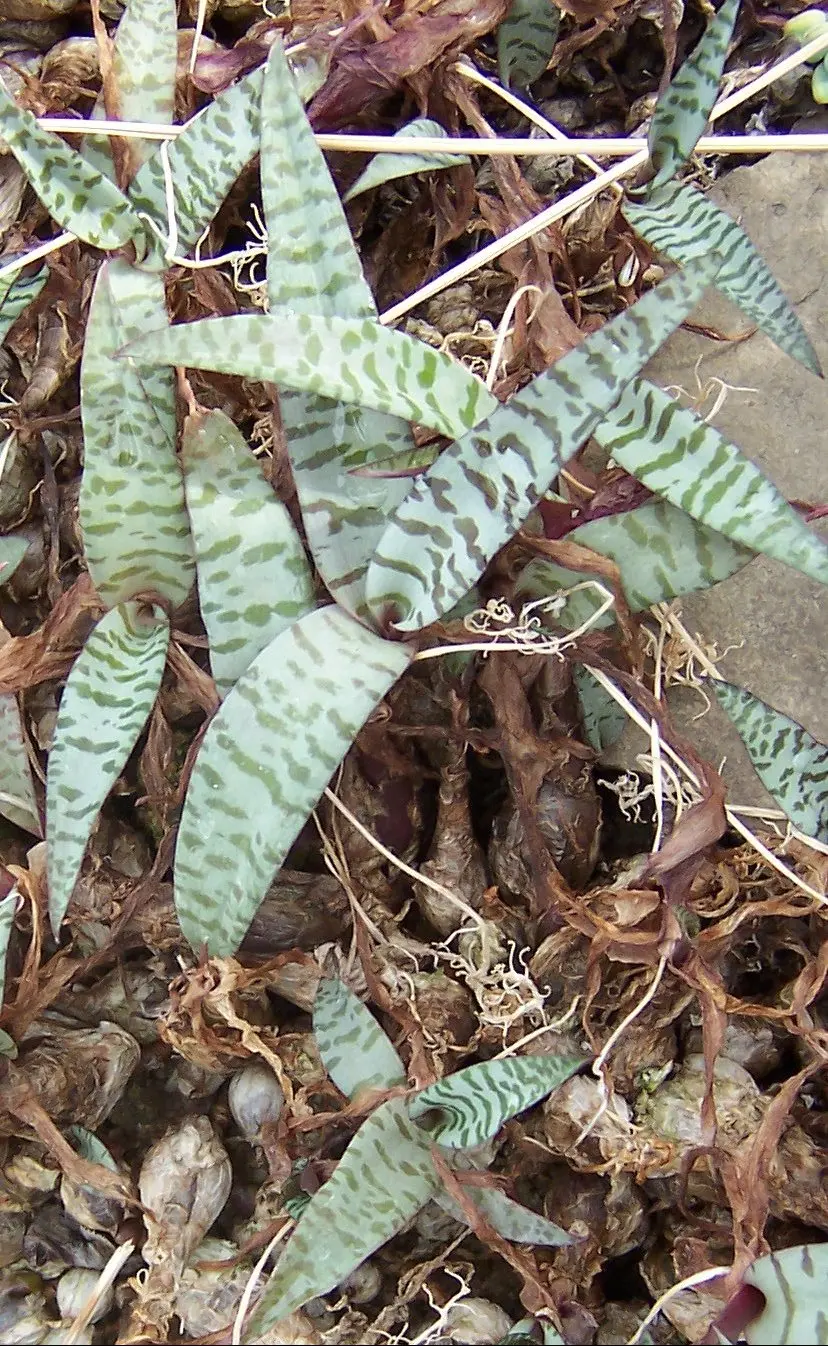
Ledebouria socialis, commonly known as Silver Squill, Leopard Lily, or Wood Hyacinth, is a striking succulent bulbous perennial belonging to the Asparagaceae family (formerly Hyacinthaceae). Native to the Eastern Cape Province of South Africa, it flourishes in arid to semi-arid regions. This captivating plant is characterized by its tear-drop shaped bulbs, often sitting partially above the soil surface, from which emerge lance-shaped leaves.
The foliage is highly ornamental, typically displaying a unique silver-green variegation with prominent dark green or purple spots, often complemented by a vibrant purple underside. These leaves usually grow 15-25 cm long, forming dense clumps that make it an excellent choice for groundcover in warmer climates (USDA zones 10-11), rock gardens, or container cultivation indoors. During spring and summer, slender flower stalks, reaching up to 28 cm tall, bear numerous small, delicate pinkish-green flowers, adding a subtle allure.
Taxonomically, it was first described as Scilla socialis in 1870 and later reclassified into the Ledebouria genus in 1970, reflecting its distinct morphological and genetic characteristics. Its compact, low-maintenance nature and attractive appearance contribute to its popularity among succulent enthusiasts and indoor plant collectors.
Trusted Scientific References
1. Authoritative external sources for Ledebouria Socialis
1.1 Wikipedia — Ledebouria Socialis
1.2 Kew POWO (Plants of the World Online)
1.3 PubMed — peer-reviewed research
1.4 NCBI Taxonomy Browser
1.5 GBIF — Global Biodiversity
1.6Ledebouria Socialis should be interpreted through verified botanical identity, practical care, and responsible safety language. This recovery note adds the missing context needed for a complete profile: match light to the plant's habit, use well-drained soil, water according to season, and avoid unsupported medicinal or edible claims. For publishing, the plant can be presented as a source-backed garden plant with clear care guidance, common problem diagnosis, and conservative safety wording.
1.1.Ledebouria Socialis — Notable Characteristics
- ✓Striking Variegated Foliage — Silver-green leaves with dark spots and purple undersides.
- ✓Bulbous Perennial — Grows from tear-drop shaped bulbs, often exposed above soil.
- ✓Succulent Nature — Drought-tolerant and stores water in its leaves and bulbs.
- ✓Low Maintenance — Requires minimal care, suitable for beginners.
- ✓Compact Growth Habit — Forms dense clumps, ideal for small spaces or containers.
- ✓Small Pinkish — Green Flowers — Delicate blooms appear on slender stalks in spring/summer.
- ✓South African Native — Originates from the Eastern Cape Province.
- ✓Ornamental Value — Primarily cultivated for aesthetic appeal.
- ✓Easy Propagation — Readily divides from bulb offsets.
- ✓Toxic Plant — Contains cardiac glycosides, poisonous if ingested.
1.2.Ledebouria Socialis — At-a-Glance Summary
- ✓Ledebouria socialis is a popular ornamental succulent, toxic if ingested.
- ✓Features striking silver-green spotted leaves and small pinkish-green flowers.
- ✓Thrives in bright, indirect light and well-draining soil with minimal watering.
- ✓Contains cardiac glycosides, making all parts poisonous to humans and pets.
- ✓No recognized safe medicinal uses; strictly for aesthetic cultivation.
- ✓Easy to grow and propagate, ideal for container gardening or groundcover in warm zones.
2.Ledebouria Socialis — Botanical Identity
3.Ledebouria Socialis — Fact Sheet
4.Ledebouria Socialis — Botanical Features
5.Ledebouria Socialis — Native Range & Habitat
6.Ledebouria Socialis — Traditional Uses
7.Ledebouria Socialis — Key Phytochemicals
- ✓Cardiac Glycosides — Primarily bufadienolides such as scillaren A and proscillaridin A, responsible for its toxicity and potential cardiotonic effects in controlled, minute doses, though dangerous in typical ingestion.
- ✓Saponins — Plant compounds that can cause foaming and have hemolytic properties, contributing to gastrointestinal irritation upon ingestion.
- ✓Alkaloids — Various nitrogen-containing organic compounds, though specific types and concentrations in Ledebouria socialis are less documented but contribute to overall plant bioactivity.
- ✓Flavonoids — A class of polyphenolic compounds with potential antioxidant properties, though not sufficient to mitigate the plant's toxicity.
- ✓Anthraquinones — Compounds with potential laxative effects, but their presence and concentration in this plant are not well-studied for medicinal application.
- ✓Polysaccharides — Complex carbohydrates present in plant tissues, contributing to structural integrity and basic metabolic functions.
- ✓Organic Acids — Various organic acids found in plant cells, playing roles in metabolism and defense mechanisms.
- ✓Volatile Compounds — Minor amounts of volatile organic compounds may contribute to the plant's subtle scent or defense.
8.Ledebouria Socialis — Pharmacological Findings
- ✓Ornamental Value — Primarily cultivated for its striking foliage and ease of care, offering aesthetic appeal for indoor and outdoor spaces.
- ✓Air Purification — Like many houseplants, it may contribute to minor air purification, though not its primary function or a significant medicinal benefit.
- ✓Stress Reduction (Visual) — Its appealing appearance can contribute to a calming environment, potentially aiding in visual stress reduction.
- ✓Low Maintenance — Requires minimal watering and care, making it beneficial for individuals seeking low-effort plant companions.
- ✓Drought Tolerance — Adapts well to dry conditions, reducing water consumption and making it suitable for xeriscaping or busy individuals.
- ✓Propagation Ease — Simple to propagate, allowing for sharing and expanding plant collections effortlessly.
- ✓Habitat for Microfauna (Outdoor) — In its natural habitat, it can support local insect populations as part of the ecosystem, though not directly medicinal for humans.
- ✓Soil Stabilization (Groundcover) — When used as a groundcover, it can help prevent soil erosion in suitable climates.
8.1.Ledebouria Socialis — Therapeutic Indications
9.Ledebouria Socialis — Safety Considerations
9.1.Ledebouria Socialis — Side Effects & Warnings
- ✓Cardiac Toxicity — Ingestion can lead to severe cardiac issues due to bufadienolide content, affecting heart rhythm and function.
- ✓Gastrointestinal Distress — Nausea, vomiting, diarrhea, and abdominal pain are common upon ingestion.
- ✓Oral and Esophageal Irritation — Contact with plant sap or ingestion can cause burning and irritation in the mouth and throat.
- ✓Dermatitis — Skin irritation or allergic reactions may occur in sensitive individuals upon direct contact with sap.
- ✓Liver and Kidney Damage — Prolonged or significant exposure, especially through ingestion, may lead to organ damage.
- ✓Neurological Symptoms — In severe cases of poisoning, neurological effects such as lethargy or convulsions may manifest.
- ✓Fatalities — Ingestion of significant amounts can be fatal, particularly in children and pets.
9.2.Ledebouria Socialis — Safety Overview
- ✓HIGH TOXICITY — All parts of Ledebouria socialis are considered toxic if ingested, primarily due to cardiac glycosides.
- ✓KEEP AWAY FROM CHILDREN AND PETS — Ensure the plant is placed out of reach of curious children and animals to prevent accidental poisoning.
- ✓NO MEDICINAL USE — Do not use any part of this plant for medicinal purposes, internally or externally.
- ✓HANDLE WITH CARE — Wear gloves when handling if sensitive to plant sap, to avoid potential skin irritation.
- ✓EMERGENCY PROTOCOL — In case of ingestion, seek immediate medical attention or contact poison control.
- ✓ORNAMENTAL ONLY — Cultivate strictly for aesthetic purposes and do not consume.
- ✓AWARENESS OF SYMPTOMS — Be aware of symptoms of poisoning (nausea, vomiting, irregular heartbeat) if accidental ingestion occurs.
10.Ledebouria Socialis — Preparation Methods
- ✓Visual Appreciation — Enjoy as an ornamental houseplant for its attractive foliage and ease of care.
- ✓Container Gardening — Ideal for growing in pots and containers due to its compact size and aesthetic appeal.
- ✓Groundcover (USDA Zones 10-11) — Use as an attractive, low-maintenance groundcover or edging plant in suitable warm climates.
- ✓Rock Garden Specimen — Incorporate into rock gardens for its unique texture and form.
- ✓Indoor Decor — Place in well-lit indoor spaces to enhance home or office aesthetics.
- ✓Gifting — Propagate and share with friends and family due to its ease of growth and ornamental value.
- ✓Educational Display — Utilize in botanical collections or educational settings to showcase succulent diversity.
- ✓Xeriscaping Element — Integrate into water-wise landscapes in appropriate climates due to its drought tolerance.
11.Ledebouria Socialis — Garden Cultivation
- ✓Light — Provide bright, indirect light; avoid direct, harsh sunlight to prevent leaf burn. Can tolerate some morning sun.
- ✓Soil — Use a well-draining cactus or succulent potting mix to prevent root rot. Terra cotta pots are ideal.
- ✓Watering — Water thoroughly when the top inch of soil is dry during spring/summer; reduce watering significantly in fall/winter.
- ✓Temperature — Thrives in average room temperatures (18-24°C); protect from cold drafts and extreme heat sources.
- ✓Fertilization — Fertilize monthly in spring and summer with a diluted liquid houseplant food; cease in fall/winter.
- ✓Repotting — Repot every 3-4 years to divide overcrowded bulbs, ideally after flowering in late summer or autumn.
- ✓Propagation — Easily propagated by dividing bulb clusters; plant bulbs with the top half to two-thirds exposed above soil.
- ✓Pest Control — Monitor for aphids, mealybugs, and spider mites; treat with insecticidal soap if necessary.
Reviewed by the Flora Medical Global Botanical Review Panel
Multi-disciplinary editorial group · Botany · Ethnobotany · Herbal-medicine literature
Who reviewed this: This page was checked by the Flora Medical Global Botanical Review Panel — an in-house editorial group of botany graduates, ethnobotany researchers, and horticulture practitioners who collectively maintain our 7,000+ plant encyclopedia. Meet the team.
Our 4-step verification process
1. Taxonomic verification
Scientific names and synonyms cross-checked against Kew POWO, World Flora Online, and The Plant List.
2. Phytochemical & medicinal cross-reference
Active compounds, traditional uses, and reported activities are cross-referenced with PubMed, USDA Dr. Duke's database, and peer-reviewed ethnobotanical literature.
3. Conservation & distribution check
Distribution, ecology, and conservation status confirmed against GBIF occurrence records and the IUCN Red List.
4. Editorial & safety review
Every entry passes an editorial pass for clarity, originality, and safety notices (toxicity, contraindications, dosage caveats) before publication.
Last reviewed:
Important medical disclaimer: This content is for educational and research purposes only. It is not medical advice and is not a substitute for consultation with a licensed healthcare provider. Do not use any herb to self-treat a medical condition without professional guidance.
Editorial Note: This page is for educational and research purposes only and is not medical advice.
Written by: Flora Medical Global Editorial Team
Reviewed by: Flora Medical Global Botanical Review Panel
Last Updated: June 15, 2026





Ledebouria Socialis — Comments & Community Reviews
Rate this plant