


Medical Disclaimer: This content is for educational purposes only. It is not medical advice. Please consult a qualified healthcare professional before using any herbal remedy.
Safety Overview
1.Leea — Introduction & Highlights
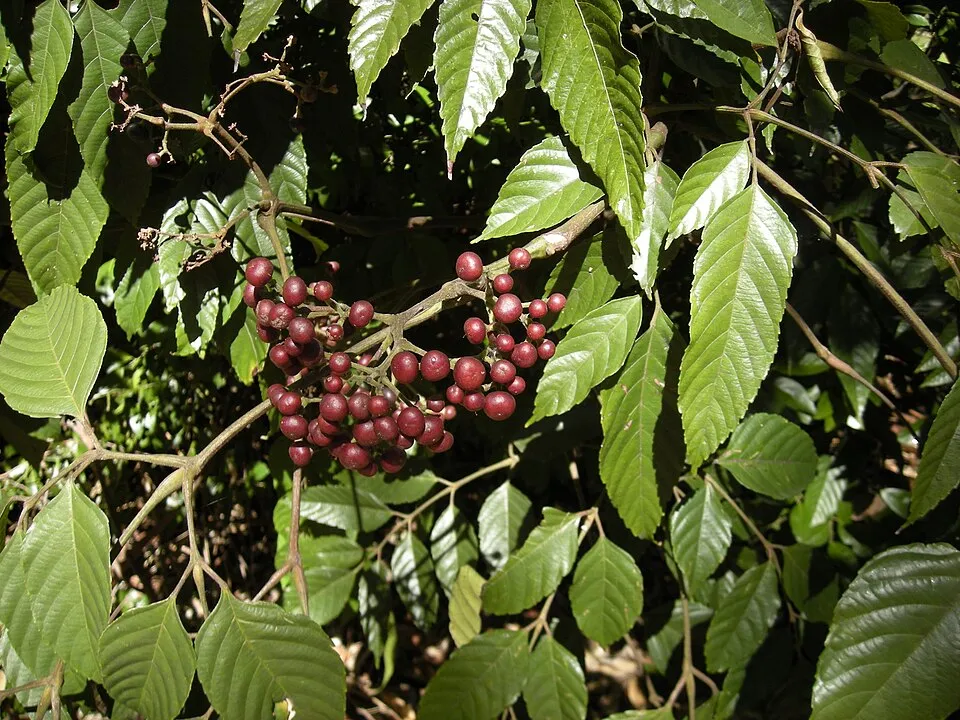
Leea indica, commonly known as Leea or Bandicoot Berry, is a robust perennial shrub belonging to the Vitaceae family, though historically, its unique morphological features led some botanists to classify it under its own family, Leeaceae. This versatile plant typically reaches heights of 3 to 5 meters, occasionally growing into a small tree. Its most striking features are the large, prominently-veined, palmate compound leaves, which can measure between 20 to 60 cm in diameter, exhibiting a glossy dark green hue on their upper surface and a paler underside. These impressive leaves contribute significantly to the plant's ornamental appeal. The plant produces small, delicate, yet fragrant flowers arranged in corymbose cymes. These inflorescences typically display a range of colors from creamy white to pale pink or greenish-white, blooming primarily during the warmer summer months.
The flowers are hermaphroditic and serve as an important nectar source, attracting a diverse array of pollinators, including bees and butterflies, which underscores its ecological significance. The stem of Leea indica is erect, woody, and sturdy, covered by a relatively smooth bark that varies in color from light gray to reddish-brown, often punctuated by distinct lenticels. A defining characteristic of Leea indica is its fruit, a small, globular berry that undergoes a striking color transformation as it ripens. Initially green, it matures through shades of red to a deep, lustrous dark purple or almost black, typically containing one to two small, hard seeds. These fruits are a food source for various birds and small mammals, further integrating the plant into its native ecosystems. Geographically, Leea indica is widely distributed across tropical and subtropical regions.
Its natural range extends throughout South and Southeast Asia, including countries like India, Bangladesh, Sri Lanka, Malaysia, Indonesia, and the Philippines, and further eastward into Northern and Eastern Australia, as well as parts of Africa. It thrives in a variety of habitats, commonly found in forest understories, forest margins, disturbed areas, and along riverbanks, preferring moist, well-drained soils and partial shade to full sun. Its adaptability and widespread presence highlight its ecological resilience and historical importance to indigenous communities who have utilized its therapeutic properties for centuries. Trusted Scientific References Authoritative external sources for Leea indica : Wikipedia — ...[CURRENT TEXT EXISTS: 2631 chars]
1.1.Leea — Defining Traits
- ✓Perennial Shrub — A long-lived woody plant, typically growing 3-5 meters tall.
- ✓Palmate Leaves — Large, glossy, dark green compound leaves with prominent veins, contributing to ornamental value.
- ✓Fragrant Flowers — Small, clustered flowers ranging from white to pale pink, attracting pollinators.
- ✓Globular Berries — Small fruits that ripen from green to dark purple/black, containing 1-2 seeds.
- ✓Woody Stem — Erect, sturdy stem with smooth, gray-to-brown bark and visible lenticels.
- ✓Tropical & Subtropical Habitat — Thrives in warm, humid climates across Asia and Australia.
- ✓Vitaceae Family — Classified within the grape family, but with distinct morphological characteristics.
- ✓Ethnobotanical Significance — Deeply rooted in traditional medicine systems like Ayurveda, Siddha, and TCM.
- ✓Rich Phytochemistry — Contains a diverse array of bioactive compounds, including flavonoids and tannins.
- ✓Anti — inflammatory & Analgesic — Recognized for its potent effects in reducing pain and swelling.
- ✓Antipyretic Properties — Traditionally used to alleviate fevers.
- ✓Antimicrobial Activity — Effective against various pathogens, aiding in wound healing and infection control.
- ✓Antioxidant Powerhouse — Protects cells from oxidative damage due to high antioxidant content.
- ✓Adaptable Growth — Can grow in various light conditions from full sun to partial shade.
- ✓Ecosystem Contributor — Provides food and habitat for local wildlife.
1.2.Leea — At-a-Glance Summary
- ✓Botanical Name — Leea indica, commonly known as Bandicoot Berry or Leea.
- ✓Family — Vitaceae, a robust perennial shrub native to tropical and subtropical Asia and Australia.
- ✓Traditional Uses — Widely used in Ayurveda, Siddha, and TCM for anti-inflammatory, analgesic, antipyretic, and digestive purposes.
- ✓Key Phytochemicals — Rich in flavonoids, tannins, terpenoids, saponins, and phenolic compounds.
- ✓Medicinal Actions — Exhibits anti-inflammatory, antimicrobial, antioxidant, antidiabetic, hepatoprotective, and wound-healing properties.
- ✓Common Applications — Used for arthritis, fevers, skin infections, digestive issues, and bone fracture support.
- ✓Safety — Contraindicated in pregnancy/lactation; caution with diabetes, low blood pressure, and drug interactions.
- ✓Ecological Role — Provides habitat and food for wildlife, contributing to local biodiversity.
2.Leea — Scientific Profile
3.Leea — Botanical Stats
4.Leea — Morphological Account
5.Leea — Habitat & Distribution
6.Leea — Cultural & Traditional Roles
7.Leea — Secondary Metabolites
- ✓Flavonoids — Key compounds include quercetin, kaempferol, and their glycosides. These are potent antioxidants and anti-inflammatory agents, contributing to the plant's protective effects against oxidative stress and inflammatory conditions.
- ✓Tannins — Predominantly gallotannins and condensed tannins. These compounds exhibit astringent properties, contributing to antimicrobial, anti-inflammatory, and wound-healing actions, often used in traditional remedies for diarrhea and skin issues.
- ✓Terpenoids — Includes triterpenoids and diterpenoids. These molecules are known for diverse pharmacological activities such as anti-inflammatory, antimicrobial, and potentially cytotoxic effects, contributing to the plant's broad medicinal spectrum.
- ✓Saponins — Glycosides with a distinctive frothing property. Saponins have demonstrated adaptogenic, cholesterol-lowering, and immune-modulating activities, and may also contribute to the plant's antimicrobial actions.
- ✓Alkaloids — Nitrogen-containing organic compounds, though generally present in lower concentrations in Leea indica compared to other classes. These can have significant physiological effects, including analgesic and CNS-modulating properties.
- ✓Phenolic Compounds — Beyond flavonoids, other simple phenols and phenolic acids such as gallic acid and ellagic acid are present. These contribute significantly to the plant's antioxidant capacity and protective cellular effects.
- ✓Glycosides — Various types, including cardiac glycosides and phenolic glycosides. These compounds can have diverse biological activities, from cardiovascular effects to antimicrobial and anti-inflammatory actions.
- ✓Steroids — Phytosterols like beta-sitosterol are found. These compounds are known for their anti-inflammatory, cholesterol-lowering, and immune-modulating properties, supporting overall health.
- ✓Volatile Oils — A complex mixture of aromatic compounds responsible for the plant's fragrance and contributing to its antimicrobial and insect-repellent properties, though typically in lower concentrations.
- ✓Proteins and Amino Acids — Essential for various biological functions, including enzymatic activities and structural support, contributing to the plant's nutritional and general health-promoting aspects.
- ✓Quinine Derivatives — Although not true quinine, some compounds may exhibit similar antipyretic properties, supporting the traditional use of Leea indica in managing fevers.
- ✓Organic Acids — Malic acid, citric acid, and others. These play roles in metabolism and can contribute to the plant's overall therapeutic profile, including digestive aid.
8.Leea — Research Insights
- ✓Anti-inflammatory Properties — Leea indica leaves are traditionally used to alleviate inflammation. Extracts have been shown to modulate inflammatory pathways, potentially by inhibiting pro-inflammatory mediators, offering relief for conditions like arthritis and skin inflammation.
- ✓Analgesic Effects — The plant exhibits pain-relieving capabilities, particularly noted in its traditional application for joint pain and body aches. This analgesic action is thought to be linked to its anti-inflammatory compounds, reducing pain perception.
- ✓Antipyretic Activity — The roots of Leea indica are renowned for their fever-reducing properties. They help to lower elevated body temperature, making them a common remedy in traditional systems for various febrile conditions.
- ✓Antimicrobial Action — Extracts from Leea indica demonstrate activity against a range of bacteria and fungi. This makes it beneficial in treating skin infections, wounds, and certain internal microbial imbalances, supporting traditional wound healing.
- ✓Antidiabetic Potential — Research indicates that Leea indica may help in managing blood sugar levels. Its compounds could enhance insulin sensitivity or inhibit glucose absorption, offering a natural adjunct for diabetes management.
- ✓Hepatoprotective Effects — The plant has been observed to protect liver cells from damage. Its antioxidant properties likely contribute to safeguarding the liver against toxins and oxidative stress, promoting liver health.
- ✓Digestive Tonic — In traditional medicine, particularly TCM, Leea indica is utilized to improve digestive function. Leaf extracts are believed to stimulate digestive enzymes and soothe gastrointestinal discomfort, acting as a gentle tonic.
- ✓Wound Healing Acceleration — Topically applied preparations from Leea indica have been shown to promote faster healing of wounds. Its antimicrobial and anti-inflammatory components work synergistically to reduce infection and encourage tissue regeneration.
- ✓Antioxidant Support — Rich in phytochemicals like flavonoids and tannins, Leea indica provides significant antioxidant benefits. These compounds combat free radicals, protecting cells from oxidative damage and supporting overall cellular health.
- ✓Bone Fracture Healing — Traditionally, poultices from Leea indica are applied to aid in the healing of bone fractures. While the exact mechanism is under investigation, it's believed to support tissue repair and reduce associated inflammation.
- ✓Anti-rheumatic Activity — Due to its potent anti-inflammatory and analgesic properties, Leea indica is employed in traditional practices to alleviate symptoms of rheumatism, reducing pain and swelling in affected joints.
- ✓Immunomodulatory Effects — Some studies suggest that compounds in Leea indica may influence the immune system. This could translate to enhanced immune response or modulation of overactive immune reactions, contributing to overall health.
- ✓Antidiarrheal Properties — Traditional uses include employing Leea indica to treat diarrhea and dysentery. Its active compounds may help to reduce gut motility and possess antimicrobial properties against intestinal pathogens.
- ✓Cardiovascular Support — Preliminary research indicates potential benefits for cardiovascular health. Certain constituents may help in maintaining healthy blood pressure or cholesterol levels, though more research is needed.
- ✓Central Nervous System (CNS) Activity — Extracts have shown some effects on the CNS, potentially contributing to anxiolytic or sedative properties in traditional contexts, though this area requires further scientific validation.
- ✓Anticancer Potential — Early in vitro studies suggest cytotoxic effects against certain cancer cell lines. This indicates a promising area for future research into its potential as an anticancer agent.
8.1.Leea — Reported Uses
9.Leea — Precautions & Warnings
9.1.Leea — Caution Notes
- ✓Allergic Reactions — May cause skin irritation, itching, or rash in sensitive individuals when applied topically, or systemic allergic responses if ingested.
- ✓Gastrointestinal Upset — In some individuals, ingestion, especially in high doses, may lead to stomach discomfort, nausea, vomiting, or diarrhea.
- ✓Hypotension — Potential to lower blood pressure, which could be problematic for individuals already on antihypertensive medication or with naturally low blood pressure.
- ✓Hypoglycemia — May lower blood sugar levels, posing a risk for diabetics already on medication, requiring careful monitoring.
- ✓Drug Interactions — Could interact with anticoagulant medications, blood pressure drugs, diabetes medications, or other pharmaceuticals due to its active compounds.
- ✓Pregnancy and Lactation Concerns — Lack of sufficient safety data, thus not recommended for use by pregnant or breastfeeding women.
- ✓Liver or Kidney Issues — While generally hepatoprotective, individuals with pre-existing severe liver or kidney conditions should exercise caution and consult a healthcare professional.
- ✓Sedation — Some traditional uses suggest CNS activity; excessive doses might lead to mild sedation or drowsiness in sensitive individuals.
- ✓Photosensitivity — Rare instances of increased skin sensitivity to sunlight might occur in some individuals after prolonged use.
9.2.Leea — Safety Profile
- ✓Professional Consultation — Always consult a qualified healthcare professional or medical herbalist before using Leea indica, especially if pregnant, breastfeeding, or on medication.
- ✓Dosage Adherence — Strictly follow recommended traditional dosages or professional guidance to avoid potential side effects.
- ✓Patch Test — Perform a patch test on a small area of skin before extensive topical application to check for allergic reactions.
- ✓Pregnancy and Breastfeeding — Contraindicated during pregnancy and lactation due to insufficient safety data.
- ✓Diabetes Management — Individuals with diabetes should monitor blood glucose closely if using Leea indica, as it may lower blood sugar.
- ✓Blood Pressure Monitoring — Those with hypotension or on antihypertensive drugs should use with caution, monitoring blood pressure regularly.
- ✓Avoid with Anticoagulants — Due to potential effects on blood clotting, avoid use if taking anticoagulant or antiplatelet medications.
- ✓Children and Infants — Not recommended for use in children or infants due to lack of specific safety studies.
- ✓Quality Sourcing — Ensure the plant material is sourced from reputable suppliers to guarantee purity and prevent contamination.
- ✓Discontinue if Adverse Reactions — Cease use immediately if any adverse reactions or discomfort occur and seek medical advice.
10.Leea — Application Forms
- ✓Decoction for Internal Use — Boil crushed roots or dried leaves in water for 15-20 minutes, then strain. Used for fevers, digestive issues, and general tonic effects.
- ✓Leaf Poultice — Crush fresh Leea indica leaves and apply directly to affected skin areas, such as wounds, inflammation, or joint pain, secured with a clean cloth.
- ✓Infusion for Digestive Health — Steep fresh or dried leaves in hot water for 10-15 minutes to create a tea, consumed to aid digestion and alleviate stomach discomfort.
- ✓Topical Paste for Fractures — Ground roots or bark mixed with a binder (e.g., rice water or oil) to form a paste, traditionally applied to bone fractures and sprains.
- ✓Bath Additive — Add leaf or root decoction to bathwater to soothe skin irritations, muscle aches, and reduce overall body inflammation.
- ✓Oral Powder — Dried leaves or roots can be pulverized into a fine powder, which can be mixed with honey or water and ingested for systemic benefits.
- ✓Oil Infusion — Macerate fresh leaves in a carrier oil (like coconut or sesame oil) and gently heat or allow to infuse over time. This oil is then used for topical massage on sore muscles or arthritic joints.
- ✓Juice Extraction — Fresh leaves can be juiced and consumed in small quantities, often diluted, for concentrated internal benefits, particularly for anti-inflammatory purposes.
- ✓Gargle/Mouthwash — A cooled leaf decoction can be used as a gargle for sore throats or as a mouthwash for oral infections due to its antimicrobial properties.
- ✓Vapor Inhalation — Inhale steam from a hot decoction of leaves to alleviate respiratory congestion or soothe irritated airways.
- ✓Herbal Compress — Soak a cloth in a warm decoction and apply as a compress to reduce swelling and pain in localized areas.
- ✓Tincture Preparation — Macerate dried plant material (leaves or roots) in alcohol to extract active compounds, consuming small, diluted doses.
11.Leea — Growth Requirements
- ✓Climate Preference — Thrives in tropical and subtropical regions, preferring warm, humid conditions.
- ✓Soil Requirements — Prefers well-drained, fertile soil rich in organic matter, with a slightly acidic to neutral pH (6.0-7.0).
- ✓Light Exposure — Can tolerate full sun to partial shade, but often performs best with some afternoon shade in very hot climates.
- ✓Watering — Requires consistent moisture; keep soil evenly damp but not waterlogged. Established plants are moderately drought-tolerant.
- ✓Propagation — Primarily propagated by seeds, stem cuttings, or root suckers. Cuttings root best in high humidity.
- ✓Planting — Plant in spring or early summer. Ensure adequate spacing for mature size, typically 2-3 meters apart.
- ✓Fertilization — Benefits from a balanced organic fertilizer applied annually in spring, or compost addition.
- ✓Pruning — Prune to maintain shape, remove dead or diseased branches, and encourage bushier growth, typically after flowering or fruiting.
- ✓Pest and Disease Management — Generally robust, but watch for common pests like aphids or mealybugs. Fungal issues can occur in overly wet conditions.
- ✓Support — Young plants may benefit from staking to ensure an erect growth habit, especially in windy areas.
- ✓Container Growing — Can be grown in large containers in cooler climates, moved indoors during winter.
- ✓Seed Germination — Seeds benefit from scarification or stratification to improve germination rates, which can be slow and erratic.
Reviewed by the Flora Medical Global Botanical Review Panel
Multi-disciplinary editorial group · Botany · Ethnobotany · Herbal-medicine literature
Who reviewed this: This page was checked by the Flora Medical Global Botanical Review Panel — an in-house editorial group of botany graduates, ethnobotany researchers, and horticulture practitioners who collectively maintain our 7,000+ plant encyclopedia. Meet the team.
Our 4-step verification process
1. Taxonomic verification
Scientific names and synonyms cross-checked against Kew POWO, World Flora Online, and The Plant List.
2. Phytochemical & medicinal cross-reference
Active compounds, traditional uses, and reported activities are cross-referenced with PubMed, USDA Dr. Duke's database, and peer-reviewed ethnobotanical literature.
3. Conservation & distribution check
Distribution, ecology, and conservation status confirmed against GBIF occurrence records and the IUCN Red List.
4. Editorial & safety review
Every entry passes an editorial pass for clarity, originality, and safety notices (toxicity, contraindications, dosage caveats) before publication.
Last reviewed:
Important medical disclaimer: This content is for educational and research purposes only. It is not medical advice and is not a substitute for consultation with a licensed healthcare provider. Do not use any herb to self-treat a medical condition without professional guidance.
Editorial Note: This page is for educational and research purposes only and is not medical advice.
Written by: Flora Medical Global Editorial Team
Reviewed by: Flora Medical Global Botanical Review Panel
Last Updated: June 15, 2026





Leea — Comments & Community Reviews
Rate this plant