
Medical Disclaimer: This content is for educational purposes only. It is not medical advice. Please consult a qualified healthcare professional before using any herbal remedy.
Safety Overview
1.Lemon Lime Philodendron — Essential Profile
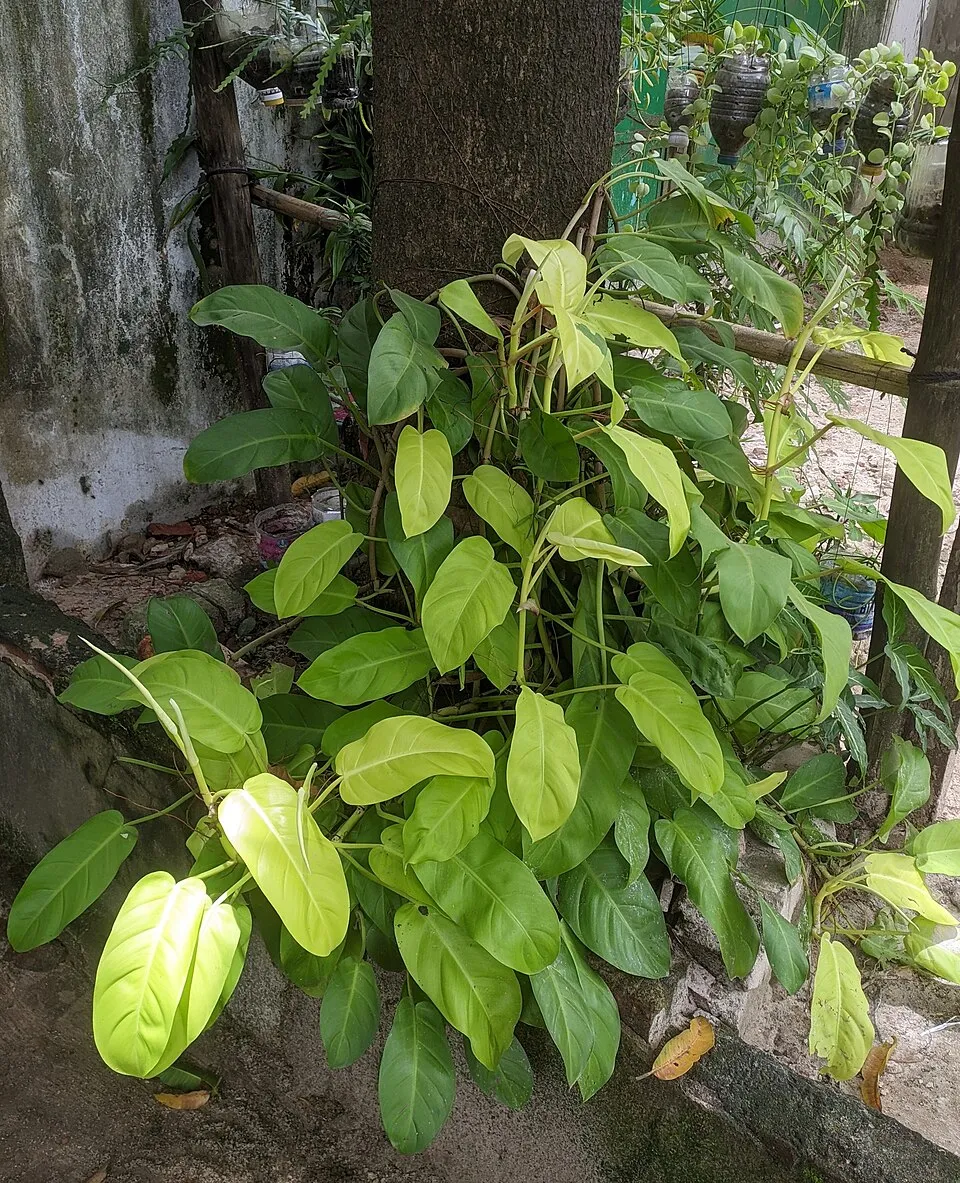
The Lemon Lime Philodendron, scientifically known as Philodendron hederaceum 'Lemon Lime', is a highly popular and aesthetically striking cultivar within the Araceae family. This evergreen perennial is native to the tropical rainforests of Central America and the Caribbean, where it typically grows as an understory plant, vining and climbing on trees or trailing along the forest floor. In cultivation, it is predominantly cherished as an indoor ornamental plant, admired for its vibrant, heart-shaped foliage that displays a spectrum of bright yellow to chartreuse green hues.
The leaves are typically glossy and can grow quite large under optimal conditions. Its growth habit is distinctly vining, with long, slender stems that can cascade gracefully from hanging baskets or be trained to climb supports, reaching lengths of up to 12 feet or more. The plant's taxonomy places it within the genus Philodendron, a large and diverse group known for its rich botanical variation and adaptability to indoor environments.
While primarily appreciated for its decorative appeal and ease of care, its botanical characteristics, including its aroid family traits, are consistent with its tropical origins, preferring warm temperatures and high humidity.
Trusted Scientific References
1. Authoritative external sources for Philodendron hederaceum lemon
1.1 Wikipedia — Philodendron hederaceum lemon
1.2 Kew POWO (Plants of the World Online)
1.3 PubMed — peer-reviewed research
1.4 NCBI Taxonomy Browser
1.5 GBIF — Global Biodiversity
1.6Lemon Lime Philodendron should be interpreted through verified botanical identity, practical care, and responsible safety language. This recovery note adds the missing context needed for a complete profile: match light to the plant's habit, use well-drained soil, water according to season, and avoid unsupported medicinal or edible claims. For publishing, the plant can be presented as a source-backed indoor plant with clear care guidance, common problem diagnosis, and conservative safety wording.
1.1.Lemon Lime Philodendron — Notable Characteristics
- ✓Vibrant Foliage — Distinctive bright yellow to chartreuse, heart-shaped, glossy leaves.
- ✓Vining Growth Habit — Produces long, cascading stems suitable for hanging baskets or climbing.
- ✓Low Maintenance — Generally considered an easy-care plant, ideal for beginners.
- ✓Indoor Adaptability — Thrives well in typical indoor home and office environments.
- ✓Air Purifying Qualities — Believed to contribute to filtering indoor air pollutants.
- ✓Pet and Child Warning — Highly toxic if ingested due to the presence of calcium oxalates.
- ✓Aroid Family Member — Belongs to the Araceae family, known for unique botanical characteristics.
- ✓Tropical Origin — Native to the warm, humid regions of Central and South America.
- ✓Decorative Versatility — Enhances various interior design styles with its bright color.
- ✓Rapid Growth — Can grow relatively quickly under optimal conditions, filling spaces efficiently.
1.2.Lemon Lime Philodendron — At-a-Glance Summary
- ✓Ornamental Houseplant — Prized for its vibrant, heart-shaped chartreuse foliage and vining growth habit.
- ✓Known Toxicity — Contains insoluble calcium oxalate crystals, making all parts toxic if ingested by humans or pets.
- ✓Easy Care — Thrives indoors with indirect light, consistent moisture, and warm temperatures.
- ✓Air Purification Potential — May contribute to improved indoor air quality by filtering certain pollutants.
- ✓Aesthetic & Psychological Benefits — Enhances indoor environments and promotes well-being through its natural beauty.
- ✓Propagation by Cuttings — Easily propagated from stem cuttings, allowing for new plant growth.
2.Lemon Lime Philodendron — Nomenclature & Classification
3.Lemon Lime Philodendron — Fact Sheet
4.Lemon Lime Philodendron — Physical Description
5.Lemon Lime Philodendron — Origin & Spread
6.Lemon Lime Philodendron — Heritage Uses
7.Lemon Lime Philodendron — Phytochemistry
- ✓Calcium Oxalate Crystals — The most prominent and universally recognized constituent, specifically needle-like raphides, which are insoluble and responsible for immediate irritation, burning, and swelling upon ingestion or contact.
- ✓Flavonoids — Polyphenolic compounds, such as quercetin and kaempferol (inferred from related Philodendron species), known for their antioxidant and anti-inflammatory properties, though specific to this cultivar are not fully elucidated.
- ✓Tannins — Astringent polyphenols that contribute to the plant's defense mechanisms and may exhibit antioxidant activity, present in varying concentrations.
- ✓Alkaloids — Nitrogen-containing organic compounds reported in some Philodendron species, often possessing potent pharmacological activities, though their specific structures and roles in P. hederaceum 'Lemon Lime' remain largely uninvestigated.
- ✓Terpenoids — A diverse class including triterpenes and sterols, which are likely present and contribute to the plant's overall chemical complexity and defensive properties.
- ✓Saponins — Glycosides that can exhibit detergent-like properties and various biological activities, though less commonly highlighted in this specific genus.
- ✓Phenolic Acids — Simple phenolic compounds involved in plant defense and showing antioxidant potential, often found alongside flavonoids.
- ✓Anthocyanins — Pigments that can be present in some plant tissues, contributing to coloration, though less prominent in the 'Lemon Lime' cultivar's green foliage, they might occur in trace amounts or in other parts.
8.Lemon Lime Philodendron — Pharmacological Findings
- ✓Air Purification — Studies (like NASA's Clean Air Study for some Philodendron species) suggest that certain indoor plants, including general philodendrons, may help filter volatile organic compounds (VOCs) from indoor air, potentially contributing to a healthier environment.
- ✓Aesthetic Enhancement — The vibrant, lush foliage of the Lemon Lime Philodendron significantly contributes to the visual appeal of indoor spaces, fostering a sense of natural beauty and tranquility.
- ✓Stress Reduction — The presence of living plants, such as this Philodendron, has been widely associated with reducing psychological stress and promoting feelings of calm and well-being in occupants.
- ✓Mood Improvement — Integrating green elements into living and working spaces through ornamental plants can positively influence mood and overall psychological comfort.
- ✓Biophilic Connection — As an indoor plant, it helps to satisfy the human innate tendency to connect with nature, enhancing mental restoration and concentration.
- ✓Humidity Regulation — Through transpiration, indoor plants subtly release moisture into the air, which can contribute to a slight increase in ambient humidity, beneficial in dry indoor climates.
- ✓Cognitive Boost — Exposure to natural elements and plants in indoor environments has been linked to improved focus and cognitive performance.
- ✓Research Interest in Phytochemicals — While the plant itself is toxic for consumption, its general genus (Philodendron) contains diverse phytochemicals like flavonoids and tannins that are subjects of scientific research for potential external applications or drug discovery, particularly for antioxidant or anti-inflammatory properties, without advocating internal use.
- ✓Educational Value — Caring for this plant provides an accessible entry point into horticulture, teaching principles of plant biology, growth, and environmental interaction.
- ✓Environmental Enrichment — Adds to the biodiversity of indoor spaces, creating a more dynamic and engaging living or working environment.
8.1.Lemon Lime Philodendron — Therapeutic Indications
9.Lemon Lime Philodendron — Safety Considerations
9.1.Lemon Lime Philodendron — Side Effects & Warnings
- ✓Oral Irritation — Immediate and intense burning sensation, pain, and irritation in the mouth, tongue, and throat upon ingestion due to insoluble calcium oxalate crystals.
- ✓Swelling of Mucous Membranes — Significant swelling of the lips, tongue, and throat, which can lead to difficulty speaking, swallowing, or, in severe cases, breathing.
- ✓Gastrointestinal Distress — Nausea, vomiting, abdominal pain, and excessive drooling (salivation) may occur after ingesting plant material.
- ✓Dermatitis — Skin irritation, redness, itching, and a burning sensation can result from direct contact with the plant sap or broken plant tissues.
- ✓Ocular Irritation — If sap comes into contact with the eyes, it can cause severe pain, redness, tearing, and temporary vision disturbances.
- ✓Pet Poisoning — Highly toxic to domestic animals (dogs, cats, horses), causing similar symptoms of oral irritation, pain, excessive drooling, pawing at the mouth, vomiting, and difficulty breathing.
- ✓Anaphylactoid Reactions — In rare, highly sensitive individuals, severe allergic-like reactions to plant sap or contact may occur, though this is uncommon.
9.2.Lemon Lime Philodendron — Clinical Safety Notes
- ✓Keep Out of Reach — Absolutely ensure the Lemon Lime Philodendron is kept far out of reach of children, infants, and all pets to prevent accidental ingestion or contact.
- ✓Wear Protective Gear — Always wear gloves when handling, pruning, or repotting the plant to prevent skin contact with the irritating sap.
- ✓Hand Hygiene — Thoroughly wash hands with soap and water immediately after any contact with the plant, especially before eating, drinking, or touching the face or eyes.
- ✓Avoid Ingestion — Emphasize that no part of the Philodendron hederaceum 'Lemon Lime' should ever be consumed by humans or animals under any circumstances.
- ✓Emergency Protocol — In case of suspected ingestion or severe contact, seek immediate medical attention for humans or veterinary care for pets; do not attempt to induce vomiting unless specifically advised by a medical professional.
- ✓Educate Others — Inform household members and visitors about the plant's toxicity and necessary precautions.
- ✓Proper Disposal — Dispose of pruned plant material carefully to prevent accidental exposure to children or pets, ensuring it is not left accessible.
10.Lemon Lime Philodendron — Preparations & Uses
- ✓Ornamental Display — Primarily cultivated for its aesthetic appeal, displayed in homes, offices, and public spaces as a decorative houseplant, often in hanging baskets, on shelves, or trained on trellises.
- ✓Indoor Air Enhancement — Positioned in living and working environments to potentially contribute to improved indoor air quality by absorbing certain common volatile organic compounds.
- ✓Psychological Well-being — Used as a biophilic element in interior design to foster a connection with nature, which can enhance mood, reduce stress, and improve cognitive function through visual presence.
- ✓Propagation by Cuttings — Healthy stem cuttings, taken just below a node, can be rooted in water or moist potting mix to easily propagate new plants for personal use or sharing.
- ✓Educational Specimen — Serves as an excellent plant for beginners and enthusiasts to learn about basic plant care, propagation techniques, and the growth habits of tropical aroids.
- ✓Home Decor Accent — Integrated into various interior design styles to add a touch of natural color and texture, complementing diverse decor themes.
- ✓Gifting — A popular and relatively easy-to-care-for plant choice for gifting to plant lovers, housewarming events, or office spaces.
- ✓Research Material (External Focus) — While not for internal use, its phytochemical constituents, particularly those from the wider Philodendron genus, are subjects of scientific inquiry for potential applications in pharmacology or material science, strictly for external or industrial research.
11.Lemon Lime Philodendron — Garden Cultivation
- ✓Light Requirements — Provide medium to bright indirect sunlight; direct sun can burn foliage, while insufficient light leads to leggy growth and smaller leaves.
- ✓Watering Schedule — Water thoroughly when the top 50% of the soil feels dry to the touch; avoid allowing the soil to completely dry out, which causes wilting, or overwatering, leading to yellowing leaves.
- ✓Temperature Conditions — Thrives in average household temperatures, ideally between 65-80°F (18-27°C); avoid exposure to temperatures below 55°F (13°C) and cold drafts or heat vents.
- ✓Fertilization Regimen — Feed with a balanced, diluted liquid fertilizer every two to four weeks during the active growing season (spring and summer); reduce or cease fertilization in fall and winter.
- ✓Pruning Practices — Regularly remove any dead, discolored, or damaged leaves and prune leggy vines just above a leaf node to encourage bushier growth and maintain desired shape.
- ✓Humidity Preference — Prefers higher humidity, which can be provided by misting the leaves, using a pebble tray, or placing near a humidifier, especially in dry indoor environments.
- ✓Repotting Frequency — Repot every 1-2 years or when the plant becomes root-bound, choosing a pot only slightly larger than the previous one and using a well-draining potting mix.
- ✓Pest Management — Routinely inspect for common houseplant pests like mealybugs, spider mites, and scale; treat infestations promptly with insecticidal soap, neem oil solution, or diluted rubbing alcohol.
Reviewed by the Flora Medical Global Botanical Review Panel
Multi-disciplinary editorial group · Botany · Ethnobotany · Herbal-medicine literature
Who reviewed this: This page was checked by the Flora Medical Global Botanical Review Panel — an in-house editorial group of botany graduates, ethnobotany researchers, and horticulture practitioners who collectively maintain our 7,000+ plant encyclopedia. Meet the team.
Our 4-step verification process
1. Taxonomic verification
Scientific names and synonyms cross-checked against Kew POWO, World Flora Online, and The Plant List.
2. Phytochemical & medicinal cross-reference
Active compounds, traditional uses, and reported activities are cross-referenced with PubMed, USDA Dr. Duke's database, and peer-reviewed ethnobotanical literature.
3. Conservation & distribution check
Distribution, ecology, and conservation status confirmed against GBIF occurrence records and the IUCN Red List.
4. Editorial & safety review
Every entry passes an editorial pass for clarity, originality, and safety notices (toxicity, contraindications, dosage caveats) before publication.
Last reviewed:
Important medical disclaimer: This content is for educational and research purposes only. It is not medical advice and is not a substitute for consultation with a licensed healthcare provider. Do not use any herb to self-treat a medical condition without professional guidance.
Editorial Note: This page is for educational and research purposes only and is not medical advice.
Written by: Flora Medical Global Editorial Team
Reviewed by: Flora Medical Global Botanical Review Panel
Last Updated: June 15, 2026





Lemon Lime Philodendron — Comments & Community Reviews
Rate this plant