
Medical Disclaimer: This content is for educational purposes only. It is not medical advice. Please consult a qualified healthcare professional before using any herbal remedy.
Safety Overview
1.Lemon Verbena — Plant Snapshot
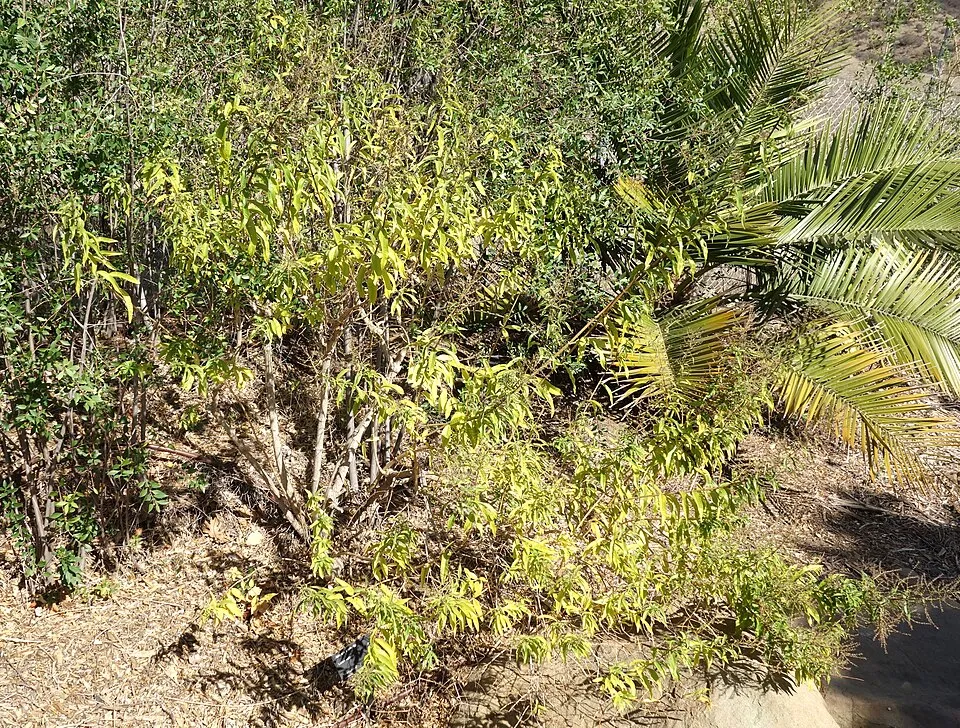
Lemon Verbena, known scientifically as Aloysia citriodora, is an elegant perennial shrub renowned for its intensely fragrant, lemon-scented leaves. Typically reaching heights of 1 to 3 meters (3 to 10 feet), this bushy plant forms a graceful silhouette in gardens and natural landscapes. Its leaves are distinctively lanceolate, elongated, and slender, measuring approximately 5 to 10 centimeters in length.
They exhibit a vibrant, fresh green hue and feature finely serrated margins that contribute to their unique texture. The most striking characteristic is the potent citrus aroma released when the leaves are gently bruised or crushed, a testament to its rich essential oil content. During the summer months, Aloysia citriodora produces delicate, small flowers that range from pure white to a pale lavender, clustering together in slender, terminal spikes, each about 1 to 2 centimeters long.
The plant’s stems are slender yet woody, covered by a smooth, light brownish bark.
Native to the sun-drenched regions of South America, particularly Argentina, Brazil, Chile, Peru, and Uruguay, Lemon Verbena thrives in its indigenous temperate to warm climates. Its aromatic and medicinal properties quickly led to its widespread cultivation across the globe, becoming a cherished addition to herb gardens and ornamental plantings in many countries. Taxonomically, it belongs to the Verbenaceae family, a diverse group that includes numerous other aromatic and medicinally significant plants.
This adaptability allows Lemon Verbena to flourish in various well-drained soil types, preferring full sun exposure to maximize its growth and essential oil production. Historically, it has been valued not only for its captivating scent in perfumes and potpourri but also for its traditional uses in South American folk medicine and later, in European herbalism, as a digestive aid, sedative, and aromatic culinary ingredient, cementing its place as a versatile and cherished botanical.
Trusted Scientific References
1. Authoritative external sources for Aloysia citriodora
1.1 Wikipedia — Aloysia citriodora
1.2 Kew POWO (Plants of the World Online)
1.3 PubMed — peer-reviewed research
1.4 NCBI Taxonomy Browser
1.5 GBIF — Global Biodiversity
1.1.Lemon Verbena — Standout Qualities
- ✓Aromatic Perennial Shrub — Distinctive lemon-scented leaves.
- ✓Native to South America — Originating from Argentina, Brazil, and surrounding regions.
- ✓Verbenaceae Family — Member of a diverse family known for aromatic plants.
- ✓Rich in Essential Oils — High concentration of compounds like citral and geraniol.
- ✓Potent Antioxidant — Contains flavonoids and phenolic acids combating oxidative stress.
- ✓Natural Anti — inflammatory — Helps reduce swelling and pain.
- ✓Calming & Anxiolytic — Promotes relaxation and reduces anxiety.
- ✓Sleep Aid — Traditionally used to alleviate insomnia and improve sleep quality.
- ✓Digestive Support — Carminative and antispasmodic properties for gut health.
- ✓Muscle Recovery Enhancer — Aids in reducing exercise-induced muscle damage.
- ✓Culinary Versatility — Used in teas, desserts, marinades, and beverages.
- ✓Ornamental Value — Attractive bushy growth and delicate flowers.
- ✓Easy to Cultivate — Prefers full sun and well-drained soil, generally low maintenance.
- ✓Traditional Medicine Herb — Long history of use in folk remedies.
- ✓Distinctive Morphology — Lanceolate, serrated leaves with white to pale lavender flowers.
1.2.Lemon Verbena — Snapshot Summary
- ✓Lemon Verbena (Aloysia citriodora) is a South American perennial shrub known for its intense lemon scent.
- ✓Rich in essential oils, flavonoids, and phenolic acids like citral and rosmarinic acid.
- ✓Traditionally used for digestive issues, anxiety, insomnia, and inflammation.
- ✓Modern research supports its antioxidant, anti-inflammatory, and muscle recovery benefits.
- ✓Cultivated for culinary, aromatic, and medicinal uses, thriving in full sun and well-drained soil.
- ✓Generally safe for short-term oral use, but caution advised during pregnancy and with sedatives.
- ✓Offers a natural approach to promoting relaxation, digestive health, and physical well-being.
2.Lemon Verbena — Systematic Position
3.Lemon Verbena — Botanical Stats
4.Lemon Verbena — Structural Profile
5.Lemon Verbena — Where It Grows
6.Lemon Verbena — Historical Applications
7.Lemon Verbena — Bioactive Constituents
- ✓Essential Oils — Primarily composed of monoterpenes like citral (neral and geranial), geraniol, limonene, fenchone, and β-ocimene. These compounds are responsible for the plant's characteristic lemony aroma and contribute to its anxiolytic, anti-inflammatory, and antimicrobial activities.
- ✓Flavonoids — Key flavonoids include luteolin and apigenin. These compounds are potent antioxidants, offering protection against oxidative stress and contributing to the plant's anti-inflammatory and potentially anxiolytic properties.
- ✓Phenolic Acids — Notable phenolic acids such as rosmarinic acid are present. Rosmarinic acid is a powerful antioxidant and also exhibits anti-inflammatory, antiviral, and antimicrobial actions, crucial for cellular protection.
- ✓Phenylpropanoid Glycosides — Verbascoside (also known as acteoside) is a significant compound in this category. It is recognized for its strong anti-inflammatory, antioxidant, and neuroprotective activities, contributing substantially to the plant's therapeutic profile.
- ✓Aldehydes — Citral, a major component of the essential oil, is an aldehyde. These compounds are largely responsible for the distinctive lemon scent and possess antimicrobial and sedative effects.
- ✓Monoterpenes — A broad class of compounds including limonene, myrcene, and camphene, which contribute to the aromatic profile and may have various biological activities such as anti-inflammatory and anxiolytic effects.
- ✓Sesquiterpenes — While less dominant than monoterpenes, compounds like caryophyllene and germacrene D can also be found, contributing to the complex aroma and potential anti-inflammatory actions.
- ✓Coumarins — Certain coumarins might be present in trace amounts, which can have anticoagulant, anti-inflammatory, and antimicrobial properties, though their concentration in Lemon Verbena is generally low.
- ✓Triterpenes — Compounds like ursolic acid and oleanolic acid, often found in plant waxes and resins, may contribute to the plant's anti-inflammatory and hepatoprotective effects.
- ✓Tannins — While not a primary constituent, small amounts of tannins may be present, contributing astringent properties and potential antioxidant activity.
- ✓Volatile Alcohols — Geraniol and linalool are examples of volatile alcohols found in the essential oil, known for their pleasant scent and antimicrobial properties.
- ✓Glycosides — Beyond phenylpropanoid glycosides, other glycosides may contribute to the plant's overall pharmacological effects, often playing a role in antioxidant defense.
8.Lemon Verbena — What Research Suggests
- ✓Digestive Aid — Lemon Verbena has carminative and antispasmodic properties, helping to soothe digestive discomfort, reduce bloating, and alleviate indigestion. It can relax the smooth muscles of the gastrointestinal tract, promoting easier digestion.
- ✓Calming and Anxiolytic Effects — The plant's essential oils, particularly citral, contribute to its sedative properties, making it effective in reducing anxiety, nervous tension, and promoting relaxation. It interacts with the nervous system to foster a sense of calm.
- ✓Sleep Improvement — Due to its anxiolytic and sedative qualities, Lemon Verbena is traditionally used to combat insomnia and improve sleep quality. It can help induce a more restful state, aiding those with sleep disturbances.
- ✓Anti-inflammatory Properties — Rich in phenolic compounds and flavonoids, Aloysia citriodora exhibits significant anti-inflammatory activity. It helps reduce swelling and pain associated with various inflammatory conditions, including joint discomfort.
- ✓Antioxidant Support — The high concentration of antioxidants, such as rosmarinic acid and verbascoside, helps combat oxidative stress and neutralize free radicals in the body. This protective action contributes to overall cellular health and disease prevention.
- ✓Muscle Recovery and Performance — Studies suggest Lemon Verbena extract can help reduce muscle damage and oxidative stress induced by strenuous exercise, promoting faster recovery and potentially improving athletic performance. It supports cellular repair mechanisms.
- ✓Joint Pain Relief — Its anti-inflammatory compounds can alleviate discomfort associated with joint pain and conditions like arthritis. Regular consumption may contribute to improved joint mobility and reduced stiffness.
- ✓Antimicrobial Action — The essential oil of Lemon Verbena demonstrates antibacterial properties against certain pathogens. This makes it potentially useful in traditional remedies for minor infections and as a natural preservative.
- ✓Appetite Modulation — Some research indicates that polyphenols from Lemon Verbena may play a role in modulating appetite-related biomarkers. This could have implications for weight management strategies by influencing satiety.
- ✓Immune System Support — While not a primary immune booster, the general wellness benefits, including antioxidant and anti-inflammatory effects, contribute indirectly to supporting a healthy immune system. It helps the body maintain balance and resilience.
- ✓Gastroprotective Effects — Traditional uses and some studies suggest a protective effect on the gastric lining, potentially guarding against ulcers. It may help mitigate irritation and support the integrity of the stomach wall.
- ✓Fever Reducer (Febrifuge) — In traditional South American medicine, Lemon Verbena tea was often used to help alleviate mild fevers and cold symptoms. Its diaphoretic properties can promote sweating, which aids in cooling the body.
- ✓Expectorant Properties — When used as a warm infusion, it can act as a mild expectorant, helping to clear respiratory passages during colds or mild congestion. It soothes irritated mucous membranes.
- ✓Skin Soothing (Topical) — Diluted essential oil or hydrosol can be applied topically to soothe minor skin irritations or insect bites due to its anti-inflammatory and antiseptic qualities. Always perform a patch test first.
- ✓Stress Reduction — Beyond specific anxiolytic effects, the mere aroma of Lemon Verbena is often used in aromatherapy to reduce general stress and uplift mood. Its pleasant scent has a psychological calming effect.
8.1.Lemon Verbena — Health Applications
9.Lemon Verbena — Adverse Effects
9.1.Lemon Verbena — Side Effects & Warnings
- ✓Skin Rash — Topical application of Lemon Verbena, particularly essential oil, may cause an itchy rash or skin irritation in sensitive individuals. Always perform a patch test.
- ✓Photosensitivity — While rare, some individuals may experience increased skin sensitivity to sunlight, leading to sunburn or rashes, especially with concentrated extracts or essential oils.
- ✓Allergic Reactions — As with any plant, allergic reactions such as hives, itching, or swelling can occur in susceptible individuals, though generally uncommon.
- ✓Gastrointestinal Upset — High doses or highly concentrated preparations taken orally may rarely cause mild stomach upset, nausea, or diarrhea in sensitive individuals.
- ✓Drowsiness — Due to its sedative properties, consuming large amounts of Lemon Verbena, especially with other sedatives, may cause excessive drowsiness or impaired alertness.
- ✓Kidney Irritation — Traditional concerns exist regarding potential kidney irritation with very high, prolonged consumption, though modern evidence is limited and it is generally considered safe in typical doses.
- ✓Drug Interactions — Can interact with sedative medications, potentiating their effects and leading to excessive sleepiness or respiratory depression.
9.2.Lemon Verbena — Clinical Safety Notes
- ✓Pregnancy and Breastfeeding — Insufficient reliable information exists regarding the safety of Lemon Verbena during pregnancy and breastfeeding. It is advisable to avoid use during these periods.
- ✓Children — Use in children should be approached with caution and ideally under the guidance of a healthcare professional due to limited safety data.
- ✓Sedative Medications — Lemon Verbena may enhance the effects of sedative drugs (e.g., benzodiazepines, barbiturates), leading to excessive drowsiness. Concurrent use should be avoided or closely monitored.
- ✓Skin Sensitivity — Individuals with sensitive skin should exercise caution with topical applications and perform a patch test to check for adverse reactions.
- ✓Pre-existing Conditions — Individuals with kidney conditions or other chronic health issues should consult a healthcare provider before using Lemon Verbena, especially in concentrated forms.
- ✓Dosage — Adhere to recommended dosages. Excessive consumption, particularly of concentrated extracts or essential oils, may increase the risk of adverse effects.
- ✓Quality Sourcing — Ensure that Lemon Verbena products are sourced from reputable suppliers to guarantee purity and prevent contamination with adulterants or harmful substances.
- ✓Short-term Use — Lemon Verbena is generally considered possibly safe for short-term oral use as a medicine. Long-term safety data is less extensive.
10.Lemon Verbena — Preparation & Dosage
- ✓Herbal Tea (Infusion) — Steep 1-2 teaspoons of dried Lemon Verbena leaves in hot water for 5-10 minutes to create a soothing, lemon-scented tea, often consumed for relaxation or digestive aid.
- ✓Culinary Herb — Finely chop fresh or dried leaves to infuse desserts, fruit salads, jams, marinades for poultry or fish, and salad dressings with a bright, citrusy flavor.
- ✓Essential Oil (Aromatherapy) — Dilute Lemon Verbena essential oil in a carrier oil for topical application (e.g., massage for muscle pain) or use in a diffuser for its calming and uplifting aromatic benefits.
- ✓Tincture — Prepare an alcohol-based extract of Lemon Verbena leaves for concentrated internal use, typically taken in drops for specific medicinal purposes under professional guidance.
- ✓Hydrosol (Floral Water) — The aromatic water produced during essential oil distillation can be used as a gentle facial toner, body mist, or in soothing compresses for irritated skin.
- ✓Bath Additive — Add a strong infusion of Lemon Verbena leaves or a few drops of diluted essential oil to bathwater for a relaxing and aromatic experience, beneficial for stress relief and muscle relaxation.
- ✓Poultice/Compress — Crush fresh leaves or use a strong tea as a compress for external application to soothe minor skin irritations, insect bites, or localized inflammation.
- ✓Potpourri and Sachets — Dried Lemon Verbena leaves retain their fragrance well, making them an excellent addition to homemade potpourri, scented sachets, or herbal pillows for a natural air freshener or sleep aid.
- ✓Infused Oils/Vinegars — Steep fresh leaves in olive oil to create a flavored oil for cooking, or in vinegar for a fragrant salad dressing base.
- ✓Herbal Syrups — Combine Lemon Verbena infusion with honey or sugar to create a soothing syrup for coughs or as a delightful culinary sweetener.
11.Lemon Verbena — Growth Requirements
- ✓Soil Preparation — Lemon Verbena thrives in well-draining soil enriched with organic matter. Incorporate compost or well-rotted manure to enhance fertility and improve soil structure.
- ✓Sun Exposure — Plant in a location that receives full sun, at least 6-8 hours of direct sunlight daily, to promote robust growth and maximize essential oil production.
- ✓Climate and Temperature — This plant prefers temperate to warm climates and is sensitive to frost. In colder zones (below USDA Zone 8), it should be grown in containers and brought indoors during winter or treated as an annual.
- ✓Watering — Provide regular watering, especially during dry spells and the growing season, to keep the soil consistently moist but never waterlogged. Ensure good drainage to prevent root rot.
- ✓Propagation — Lemon Verbena is most commonly propagated from semi-hardwood cuttings taken in late spring or early summer. Seeds can also be used but have lower germination rates and slower growth.
- ✓Spacing — When planting seedlings or cuttings, space them approximately 60-90 cm (2-3 feet) apart to allow for adequate air circulation and growth as they mature into bushy shrubs.
- ✓Fertilization — Feed sparingly with a balanced liquid fertilizer during the growing season, perhaps once a month, to support vigorous foliage production. Avoid over-fertilizing, which can reduce essential oil concentration.
- ✓Pruning — Prune regularly to encourage bushier growth, prevent legginess, and harvest leaves. Hard pruning can be done in early spring to shape the plant and remove dead or weak branches.
- ✓Pest and Disease Management — Lemon Verbena is generally resistant to most pests and diseases. Occasionally, aphids or spider mites may appear; these can be managed with organic insecticidal soaps.
- ✓Overwintering — For plants in containers in cold climates, move them to a protected, cool, bright location indoors. Reduce watering significantly during the dormant period.
Reviewed by the Flora Medical Global Botanical Review Panel
Multi-disciplinary editorial group · Botany · Ethnobotany · Herbal-medicine literature
Who reviewed this: This page was checked by the Flora Medical Global Botanical Review Panel — an in-house editorial group of botany graduates, ethnobotany researchers, and horticulture practitioners who collectively maintain our 7,000+ plant encyclopedia. Meet the team.
Our 4-step verification process
1. Taxonomic verification
Scientific names and synonyms cross-checked against Kew POWO, World Flora Online, and The Plant List.
2. Phytochemical & medicinal cross-reference
Active compounds, traditional uses, and reported activities are cross-referenced with PubMed, USDA Dr. Duke's database, and peer-reviewed ethnobotanical literature.
3. Conservation & distribution check
Distribution, ecology, and conservation status confirmed against GBIF occurrence records and the IUCN Red List.
4. Editorial & safety review
Every entry passes an editorial pass for clarity, originality, and safety notices (toxicity, contraindications, dosage caveats) before publication.
Last reviewed:
Important medical disclaimer: This content is for educational and research purposes only. It is not medical advice and is not a substitute for consultation with a licensed healthcare provider. Do not use any herb to self-treat a medical condition without professional guidance.
Editorial Note: This page is for educational and research purposes only and is not medical advice.
Written by: Flora Medical Global Editorial Team
Reviewed by: Flora Medical Global Botanical Review Panel
Last Updated: June 15, 2026





Lemon Verbena — Comments & Community Reviews
Rate this plant