
Medical Disclaimer: This content is for educational purposes only. It is not medical advice. Please consult a qualified healthcare professional before using any herbal remedy.
Safety Overview
1.Lepismium Bolivianum — Essential Profile
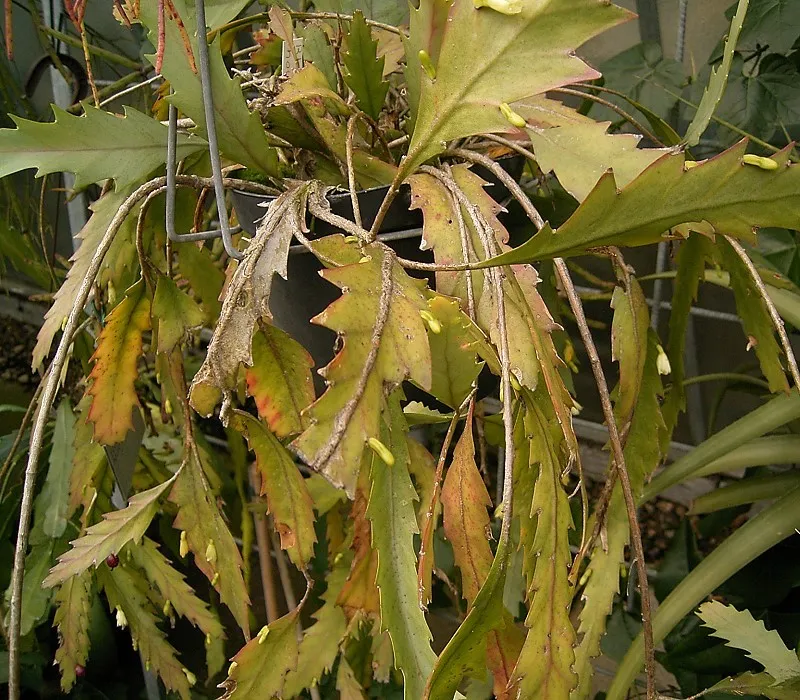
Lepismium bolivianum, often recognized by its synonym Pfeiffera bolivianum, is an intriguing member of the Cactaceae family, native to the semi-arid regions of Bolivia and surrounding territories. This unique succulent exhibits a captivating epiphytic or lithophytic growth habit, thriving on rocky outcrops and within the open canopy of woodlands. Its morphology is characterized by long, trailing, segmented stems that can extend up to a meter in length, creating a stunning cascading effect.
Each stem segment is typically flat, measuring approximately 1.3 to 2.5 cm (0.5 to 1 inch) in width, and features distinctive deep grooves that contribute to its unusual texture and appearance. The stems are vibrant green, and while primarily grown for its striking foliage, Lepismium bolivianum produces delicate, tubular flowers. These blossoms typically emerge in clusters during late spring to early summer, displaying hues of orange or red.
The bark of the mature stem is smooth, gradually becoming slightly woody at the base over time. As a member of the Cactoideae subfamily, it shares botanical affinities with other jungle cacti, distinguishing itself from more arid-adapted terrestrial species. Its adaptability and aesthetic appeal have made it a popular choice for cultivation in tropical and subtropical indoor environments, where it is admired for its unique structure and ease of care.
Trusted Scientific References
1. Authoritative external sources for Lepismium bolivianum
1.1 Wikipedia — Lepismium bolivianum
1.2 Kew POWO (Plants of the World Online)
1.3 PubMed — peer-reviewed research
1.4 NCBI Taxonomy Browser
1.5 GBIF — Global Biodiversity
1.6Lepismium Bolivianum should be interpreted through verified botanical identity, practical care, and responsible safety language. This recovery note adds the missing context needed for a complete profile: match light to the plant's habit, use well-drained soil, water according to season, and avoid unsupported medicinal or edible claims. For publishing, the plant can be presented as a source-backed indoor plant with clear care guidance, common problem diagnosis, and conservative safety wording.
1.1.Lepismium Bolivianum — Distinguishing Points
- ✓Botanical Name — Lepismium bolivianum, also known as Pfeiffera bolivianum.
- ✓Family — Belongs to the Cactaceae family, specifically the Cactoideae subfamily.
- ✓Growth Habit — Exhibits an epiphytic or lithophytic growth, with long, trailing, segmented stems.
- ✓Foliage — Characterized by flat, green, deeply grooved stems that create a cascading effect.
- ✓Flowers — Produces delicate, tubular flowers in shades of orange or red, typically blooming in late spring to early summer.
- ✓Native Region — Indigenous to the semi-arid areas of Bolivia and surrounding regions.
- ✓Cultivation — A popular and relatively easy-to-care-for indoor ornamental plant.
- ✓Light Preference — Thrives best in bright, indirect light conditions, avoiding harsh direct sun.
- ✓Water Needs — Requires the soil to dry out significantly between waterings to prevent root rot.
- ✓Air Purifier — Contributes to improved indoor air quality, enhancing the living environment.
1.2.Lepismium Bolivianum — Snapshot Summary
- ✓Botanical Name — Lepismium bolivianum (syn. Pfeiffera bolivianum), a unique member of the Cactaceae family.
- ✓Origin — Native to the semi-arid regions of Bolivia, typically growing as an epiphyte or lithophyte.
- ✓Appearance — Features long, trailing, flat, segmented green stems with delicate orange or red flowers.
- ✓Care — Easy to cultivate indoors, preferring bright, indirect light, well-draining soil, and moderate watering.
- ✓Benefits — Valued for its ornamental beauty, potential contributions to indoor air purification, and calming aesthetic.
- ✓Safety — Generally considered non-toxic to humans and pets, primarily used for decorative purposes.
2.Lepismium Bolivianum — Botanical Identity
3.Lepismium Bolivianum — Vital Statistics
4.Lepismium Bolivianum — Physical Description
5.Lepismium Bolivianum — Ecological Habitat
6.Lepismium Bolivianum — Heritage Uses
7.Lepismium Bolivianum — Chemical Profile
- ✓Alkaloids — Nitrogen-containing organic compounds, often with potent pharmacological activities; while present in some cacti species, their specific identification and concentration in Lepismium bolivianum remain largely unstudied.
- ✓Flavonoids — A diverse group of polyphenolic compounds widely recognized for their antioxidant, anti-inflammatory, and potential neuroprotective properties, commonly found in the plant kingdom.
- ✓Triterpenes — Organic compounds with a triterpenoid skeleton, frequently exhibiting anti-inflammatory, antimicrobial, and adaptogenic effects in various plants, potentially contributing to the plant's defense.
- ✓Sterols — Plant sterols, such as beta-sitosterol, are integral components of plant cell membranes and may possess anti-inflammatory or other beneficial biological activities.
- ✓Polysaccharides/Mucilage — Complex carbohydrates that form a gel-like substance, crucial for water retention in succulents and potentially offering hydrating and soothing properties.
- ✓Phenolic Acids — A class of aromatic compounds with documented antioxidant and antimicrobial activities, playing a role in plant defense mechanisms and contributing to potential health benefits.
- ✓Saponins — Glycosides that produce a soap-like foam in water; some saponins are known for their anti-inflammatory, immunomodulatory, or cholesterol-lowering properties.
- ✓Carotenoids — Pigments responsible for the orange and red coloration observed in the flowers of L. bolivianum; these are potent antioxidants and precursors to Vitamin A.
- ✓Organic Acids — Various organic acids are present in plant tissues, fundamental for metabolic processes and contributing to the plant's overall chemical profile and potential therapeutic effects.
8.Lepismium Bolivianum — Pharmacological Findings
- ✓Air Purification — Lepismium bolivianum contributes to enhancing indoor air quality by potentially absorbing certain volatile organic compounds (VOCs), fostering a healthier and fresher living environment.
- ✓Stress Reduction — The aesthetic presence of this living plant, with its unique form and vibrant greenery, is known to promote a calming atmosphere, aiding in psychological stress reduction and improving overall mood.
- ✓Humidity Regulation — Like many houseplants, it naturally releases moisture into the air through transpiration, subtly increasing ambient humidity, which can be beneficial for respiratory comfort in dry indoor settings.
- ✓Aesthetic Therapy — Its striking cascading habit and rich green foliage offer significant visual appeal, supporting a sense of well-being, connection to nature, and an enriched indoor experience.
- ✓Potential Antioxidant Support — While specific studies on L. bolivianum are limited, many members of the Cactaceae family contain antioxidant compounds, suggesting a potential for similar cellular protective properties.
- ✓Minor Skin Soothing (Speculative) — Some cacti species contain mucilage that has been traditionally used to soothe minor skin irritations or provide hydration; however, direct evidence for L. bolivianum is not documented.
- ✓Environmental Connection — Integrating plants like Lepismium bolivianum into personal spaces strengthens the human-nature bond, known as biophilia, which can lead to improved mental clarity and vitality.
- ✓Cognitive Enhancement (Indirect) — The presence of indoor plants has been linked to improved focus and concentration, making environments more conducive to work or study.
- ✓General Well-being Support — In its native regions, plants might be informally integrated into local practices for promoting general health and harmonious living, though specific medicinal uses for L. bolivianum are not widely documented.
- ✓Natural Decor & Mood Enhancement — Beyond specific therapeutic actions, the visual appeal of healthy plants positively influences mood and creates a more inviting and vibrant living space.
8.1.Lepismium Bolivianum — Reported Uses
9.Lepismium Bolivianum — Safety Considerations
9.1.Lepismium Bolivianum — Side Effects & Warnings
- ✓Sunburn/Scorching — Exposure to intense, direct sunlight can cause the stems to develop a reddish tinge, shrivel, or burn, leading to irreversible tissue damage and poor plant health.
- ✓Root Rot — Overwatering, especially in poorly draining soil or insufficient light conditions, results in mushy, brown roots, yellowing lower stems, and eventual collapse of the plant.
- ✓Pest Infestations — Susceptible to common houseplant pests like mealybugs and scale insects, which can weaken the plant, stunt growth, and lead to sticky honeydew residue.
- ✓Blistering Stems — Excessive moisture in the soil can lead to waterlogging stress, manifesting as fluid-filled blisters on the stems, indicating an unhealthy watering regime.
- ✓Stunted Growth — Inadequate light, nutrient deficiencies, or being severely pot-bound can result in significantly slowed growth and a generally unhealthy, lackluster appearance.
- ✓Toxicity (General Caution) — While generally considered non-toxic, ingestion of any ornamental plant, including Lepismium bolivianum, is not recommended and could potentially cause mild digestive upset in sensitive individuals or pets.
- ✓Environmental Shock — Sudden changes in light, temperature, or humidity can cause leaves to drop, growth to stall, or the plant to generally decline.
9.2.Lepismium Bolivianum — Risk Assessment
- ✓Non-Toxic to Humans and Pets — Lepismium bolivianum is generally regarded as non-toxic, making it a safe choice for households with children and pets, reducing concerns about accidental ingestion.
- ✓Avoid Ingestion — Despite its non-toxic classification, the plant is purely ornamental and not intended for consumption; ingesting any part of the plant should be avoided.
- ✓Handle with Care — Although lacking spines, handling the delicate segmented stems gently is advisable to prevent physical damage to the plant.
- ✓Allergenic Potential — As with any plant, individuals with known plant allergies should exercise caution, though allergic reactions to this specific species are considered uncommon.
- ✓Environmental Safety — Ensure proper disposal of plant trimmings or spent plant material to prevent the potential spread of pests or diseases, particularly if introduced to outdoor environments.
- ✓Skin Contact — Direct contact with the plant's sap is unlikely to cause irritation, but washing hands after handling any plant material is always a recommended hygienic practice.
10.Lepismium Bolivianum — Preparation Methods
- ✓Ornamental Display — Cultivate Lepismium bolivianum in hanging baskets or on elevated shelves to showcase its beautiful cascading stems, enhancing the aesthetic appeal of indoor spaces.
- ✓Air Quality Improvement — Position the plant strategically in living rooms, bedrooms, or offices to potentially leverage its air-purifying qualities, contributing to a fresher and healthier indoor atmosphere.
- ✓Humidity Enhancement — Utilize its natural transpirational properties by placing it in areas that benefit from slightly increased ambient humidity, such as bathrooms or kitchens, often supplemented with misting.
- ✓Stem Cuttings for Propagation — For expanding your collection or sharing, take healthy stem sections (approximately 3-6 inches long), allow the cut ends to callus for a few days, then plant them in moist, well-draining potting mix.
- ✓Seed Propagation — Collect seeds from mature berries, clean them thoroughly, and sow them on the surface of a sterile, moist seed-starting medium. Provide warmth and consistent moisture for germination.
- ✓Environmental Enrichment — Incorporate its unique form into terrariums or mixed succulent arrangements, adding botanical diversity and a striking focal point to enclosed or curated plant displays.
- ✓Pruning for Shape and Health — Regularly prune to remove any yellowing, damaged, or dead stems. This encourages bushier growth, maintains a desirable shape, and promotes overall plant vitality, always using clean, sharp tools.
11.Lepismium Bolivianum — Cultivation & Care
- ✓Light Requirements — Provide bright, indirect light for optimal growth; a north, east, or west-facing window is ideal. Avoid prolonged direct sunlight, which can cause stem scorch and discoloration.
- ✓Watering Regime — Allow the top half of the soil to dry out completely between waterings. Reduce watering frequency considerably during the autumn and winter months to prevent root rot, as under-watering is generally safer than over-watering.
- ✓Humidity Control — Average room humidity is usually sufficient, but Lepismium bolivianum thrives in higher humidity. Consider using a pebble tray or a room humidifier, especially in dry environments or near heat sources.
- ✓Soil & Potting — Plant in a well-draining cactus and succulent potting mix, often amended with additional perlite or pumice to ensure excellent aeration and prevent waterlogging. Repot every 3-4 years into a slightly larger pot with adequate drainage.
- ✓Temperature Preferences — Maintain ambient temperatures between 10°C (50°F) and 26°C (78°F) year-round. It is sensitive to frost and should be protected from cold drafts.
- ✓Fertilization — Feed every four waterings during the active growing season (spring and summer) using a balanced 'Houseplant' or 'Cactus' labeled liquid fertilizer. Reduce feeding to every six waterings in the cooler months.
- ✓Pest Management — Regularly inspect the plant for common pests such as mealybugs and scale insects, particularly in the crevices of the stems. Address any infestations promptly to maintain plant health and vigor.
Reviewed by the Flora Medical Global Botanical Review Panel
Multi-disciplinary editorial group · Botany · Ethnobotany · Herbal-medicine literature
Who reviewed this: This page was checked by the Flora Medical Global Botanical Review Panel — an in-house editorial group of botany graduates, ethnobotany researchers, and horticulture practitioners who collectively maintain our 7,000+ plant encyclopedia. Meet the team.
Our 4-step verification process
1. Taxonomic verification
Scientific names and synonyms cross-checked against Kew POWO, World Flora Online, and The Plant List.
2. Phytochemical & medicinal cross-reference
Active compounds, traditional uses, and reported activities are cross-referenced with PubMed, USDA Dr. Duke's database, and peer-reviewed ethnobotanical literature.
3. Conservation & distribution check
Distribution, ecology, and conservation status confirmed against GBIF occurrence records and the IUCN Red List.
4. Editorial & safety review
Every entry passes an editorial pass for clarity, originality, and safety notices (toxicity, contraindications, dosage caveats) before publication.
Last reviewed:
Important medical disclaimer: This content is for educational and research purposes only. It is not medical advice and is not a substitute for consultation with a licensed healthcare provider. Do not use any herb to self-treat a medical condition without professional guidance.
Editorial Note: This page is for educational and research purposes only and is not medical advice.
Written by: Flora Medical Global Editorial Team
Reviewed by: Flora Medical Global Botanical Review Panel
Last Updated: June 15, 2026





Lepismium Bolivianum — Comments & Community Reviews
Rate this plant