

Medical Disclaimer: This content is for educational purposes only. It is not medical advice. Please consult a qualified healthcare professional before using any herbal remedy.
Safety Overview
1.Leucaena — Botanical Snapshot
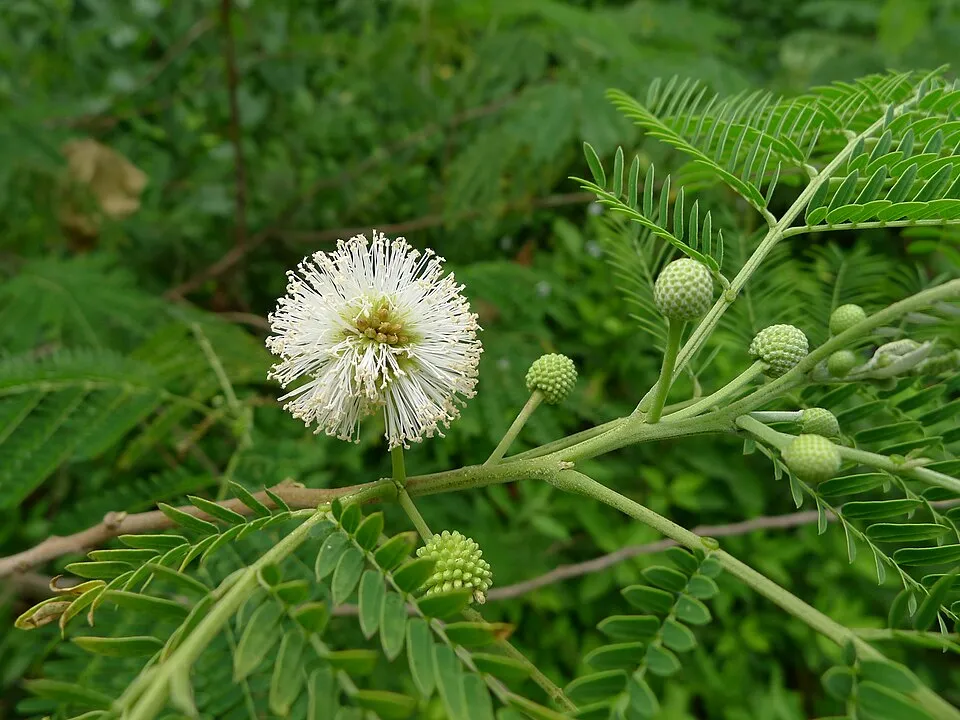
Leucaena leucocephala, widely recognized as the lead tree or white popinac, is an exceptionally fast-growing, evergreen to deciduous shrub or small tree belonging to the Fabaceae family. Typically reaching heights of 5 to 12 meters, though occasionally taller, this species is characterized by its distinctive bipinnate leaves, which impart a delicate, feathery appearance. Each leaf is composed of 4 to 16 pairs of pinnae, with each pinna bearing 10 to 20 pairs of small, oblong leaflets, each measuring approximately 1 to 3 centimeters in length. The foliage exhibits a vibrant green hue, providing dense canopy cover. The tree's reproductive structures are equally striking, presenting as dense, spherical flower heads, about 1-2 cm in diameter, composed of numerous small, creamy-white to pale yellow flowers.
These fragrant globular clusters bloom profusely during warmer months, attracting various pollinators. Following flowering, the tree produces flattened, elongated pods, typically 10-20 cm long, which mature from green to brown and contain numerous small, dark brown, ovate seeds. The bark of Leucaena leucocephala is generally smooth and greyish-brown in younger specimens, gradually developing shallow longitudinal furrows as the tree matures. Indigenous to the dry tropical and subtropical regions of Central America, particularly southern Mexico and northern Central America, Leucaena leucocephala has demonstrated remarkable adaptability. Its robust nature has allowed it to naturalize and become widespread across tropical and subtropical zones globally, often thriving in challenging environments.
While valued for its rapid growth and utility, it is also considered an invasive species in some areas due to its aggressive colonization capabilities. As a member of the legume family, a defining characteristic of Leucaena leucocephala is its exceptional capacity for nitrogen fixation through symbiotic association with rhizobium bacteria in its root nodules. This biological process enriches soil fertility, making it a cornerstone species in sustainable agriculture, agroforestry systems, and reforestation efforts. Historically, indigenous communities in its native range utilized young pods as a food source, preparing them similarly to string beans. Over centuries, its utility expanded beyond forage and soil improvement, with traditional healers in various cultures incorporating its leaves, seeds, and flowers into diverse medicinal practices, laying the groundwork for it ...[CURRENT TEXT EXISTS: 2828 chars]
1.1.Leucaena — Distinguishing Points
- ✓Rapid Growth Rate — Known for its exceptionally fast growth, making it valuable for reforestation and agroforestry.
- ✓Nitrogen Fixation — A prominent legume species that significantly enriches soil fertility through symbiotic nitrogen fixation.
- ✓Bipinnate Leaves — Distinctive feathery foliage composed of numerous small leaflets.
- ✓Spherical White Flowers — Produces dense, globular heads of creamy-white, fragrant flowers.
- ✓Elongated Seed Pods — Bears flattened, long pods containing numerous dark brown seeds.
- ✓Central American Origin — Indigenous to dry tropical and subtropical regions of Central America.
- ✓Global Distribution — Widely naturalized and cultivated across tropical and subtropical zones worldwide.
- ✓High Protein Content — Leaves and pods are rich in protein, used as animal fodder.
- ✓Traditional Medicinal Uses — Employed in various folk medicine systems for diverse ailments.
- ✓Antioxidant Properties — Contains flavonoids and phenolic compounds offering strong antioxidant benefits.
- ✓Anti — inflammatory Effects — Bioactive compounds contribute to its anti-inflammatory potential.
- ✓Mimosine Content — Presence of the non-protein amino acid mimosine, requiring cautious consumption.
- ✓Invasive Potential — Can be an aggressive colonizer, considered invasive in some regions.
- ✓Versatile Applications — Utilized for fodder, fuel, timber, soil improvement, and traditional medicine.
- ✓Adaptable to Poor Soils — Tolerates a wide range of soil conditions, including degraded lands.
1.2.Leucaena — At-a-Glance Summary
- ✓Leucaena leucocephala is a fast-growing, nitrogen-fixing legume tree native to Central America.
- ✓Traditionally used for digestive, respiratory, anti-inflammatory, and antioxidant support.
- ✓Key active compounds include mimosine, flavonoids, and tannins.
- ✓Valued in agroforestry for soil enrichment and as a high-protein fodder.
- ✓Consumption requires caution due to mimosine content, which can cause thyroid issues and other toxicities in high doses.
- ✓Available in forms like leaf decoctions, seed powders, and topical poultices.
- ✓Contraindicated in pregnancy, breastfeeding, and for individuals with thyroid conditions.
- ✓Consult a healthcare professional before use due to potential drug interactions.
2.Leucaena — Nomenclature & Classification
3.Leucaena — Key Data
4.Leucaena — Physical Description
5.Leucaena — Origin & Spread
6.Leucaena — Heritage Uses
7.Leucaena — Key Phytochemicals
- ✓Mimosine — A non-protein amino acid found predominantly in the seeds and young foliage (up to 1-2% dry weight), known for its potential to moderate cell proliferation and exhibit anti-inflammatory effects in vitro, though high doses can be goitrogenic.
- ✓Flavonoids — Key compounds include quercetin glycosides, which act as potent antioxidants by scavenging free radicals, chelating metal ions, and supporting cellular redox balance, contributing to anti-inflammatory and protective effects.
- ✓Tannins — Condensed tannins are abundant in the leaves, providing mild astringent properties beneficial for gastrointestinal irritation, wound healing, and exhibiting antimicrobial activity.
- ✓Caffeoyl Derivatives — These phenolic acids, such as caffeic acid and its derivatives, significantly contribute to the plant's total antioxidant capacity and may modulate digestive enzyme activity, enhancing nutrient absorption.
- ✓Saponins — Glycosides with detergent-like properties, found in various parts of the plant, potentially contributing to its anti-inflammatory and immune-modulating effects, though also a factor in palatability for livestock.
- ✓Alkaloids — Various nitrogen-containing organic compounds are present, which can exert diverse pharmacological actions, although specific active alkaloids in Leucaena leucocephala require more detailed characterization beyond mimosine.
- ✓Glycosides — A broad category of compounds where a sugar is bound to a non-sugar molecule, often influencing biological activity and bioavailability of other constituents.
- ✓Phenolic Acids — Beyond caffeoyl derivatives, other simple phenolic acids contribute to the plant's antioxidant and anti-inflammatory profile, acting as free radical scavengers.
- ✓Carotenoids — Pigments like beta-carotene are present, especially in the leaves, acting as antioxidants and precursors to Vitamin A, important for vision and immune function.
- ✓Mineral Elements — Leucaena is rich in essential minerals such as calcium, phosphorus, iron, and magnesium, contributing to its nutritional value and supporting various physiological functions.
- ✓Proteins and Amino Acids — High protein content, particularly in leaves and seeds, makes it valuable as fodder, providing essential amino acids crucial for growth and tissue repair.
- ✓Lipids — Seeds contain various fatty acids and lipids, which serve as an energy source and play roles in cellular structure and signaling.
- ✓Vitamins — Contains various vitamins, including B vitamins and ascorbic acid (Vitamin C), which are vital cofactors for numerous metabolic processes and immune function.
- ✓Phytosterols — Plant sterols structurally similar to cholesterol, which may contribute to cardiovascular health by helping to reduce cholesterol absorption.
- ✓Coumarins — A class of organic compounds with potential anticoagulant, anti-inflammatory, and antimicrobial properties, found in various plant species.
8.Leucaena — Scientific Evidence
- ✓Antioxidant Support — Leucaena leucocephala extracts, particularly from the leaves, exhibit potent antioxidant activity by scavenging free radicals and inhibiting lipid peroxidation. This action helps protect cells from oxidative stress, a key factor in aging and chronic diseases.
- ✓Anti-inflammatory Action — Research indicates that compounds like mimosine and flavonoids present in Leucaena can modulate inflammatory pathways, such as downregulating COX-2 expression. This contributes to its traditional use in alleviating pain and swelling.
- ✓Gastrointestinal Relief — Traditional decoctions made from Leucaena leaves are utilized to soothe occasional indigestion and mild diarrhea. The astringent properties of tannins help to firm stools and support mucosal integrity in the gut.
- ✓Constipation Alleviation — When consumed in moderation, the seeds of Leucaena leucocephala have been traditionally recognized for their potential to act as a mild laxative, aiding in the relief of occasional constipation and promoting healthy bowel movements.
- ✓Diuretic Properties — Leaf preparations are historically brewed into teas believed to possess diuretic effects, assisting the body in eliminating excess fluids and potentially supporting kidney function and urinary health.
- ✓Respiratory System Support — In various traditional medicine systems, including elements of Traditional Chinese Medicine, Leucaena is employed in remedies for respiratory issues such as persistent coughs and mild bronchitis, helping to soothe irritated airways.
- ✓Wound Healing and Antiseptic — Flower extracts, and sometimes leaf poultices, are traditionally applied topically for their antiseptic qualities. They are used to cleanse minor wounds, prevent infection, and promote the healing process of skin abrasions.
- ✓Hematinic Effect — Folk practices suggest that seed powder, often combined with jaggery, can support individuals with mild anemia. This combination is thought to enhance iron uptake, contributing to improved hemoglobin levels, though clinical data is limited.
- ✓Adaptogenic and Stress Relief — Modern users and traditional accounts suggest a subtle nervine benefit from Leucaena leaf tea. It is believed to aid relaxation and reduce mild stress without causing sedation, acting as a gentle calming agent.
- ✓Dermatological Applications — Poultices prepared from crushed seeds, often mixed with other herbs like turmeric, are traditionally applied to the skin for minor infections and inflammatory conditions. The antimicrobial tannins and exfoliating mimosine are thought to contribute to these effects.
- ✓Metabolic Health Support — Preliminary in vitro studies indicate that Leucaena extracts may enhance lipase activity and potentially support healthy lipid metabolism. This suggests a promising role in managing aspects of metabolic syndrome, pending human trials.
- ✓Hair and Skin Health — Traditional applications sometimes include Leucaena preparations for improving hair luster and skin texture, leveraging its nutrient content and antioxidant properties.
- ✓Blood Sugar Modulation — Some traditional uses hint at a potential role in blood sugar management, possibly through modulation of digestive enzyme activity, though rigorous scientific validation is still needed.
- ✓Anti-parasitic Activity — Certain traditional practices have historically utilized parts of Leucaena for their perceived anti-parasitic effects, particularly against intestinal worms, a use requiring further scientific investigation.
- ✓Liver Protective Effects — Emerging research suggests potential hepatoprotective properties, where antioxidants and other compounds may help protect liver cells from damage and support detoxification processes.
- ✓Bone Health Support — Due to its rich mineral content, traditional beliefs suggest that regular, moderate consumption could contribute to bone strength and overall skeletal health over time.
- ✓Immune System Enhancement — The presence of various bioactive compounds, including flavonoids, may contribute to a general enhancement of immune response, helping the body defend against pathogens.
- ✓Oral Health — In some traditional contexts, Leucaena preparations have been used for oral hygiene, possibly due to their antimicrobial and astringent properties that can help with gum health.
8.1.Leucaena — Conditions Traditionally Used For
9.Leucaena — Cautions & Contraindications
9.1.Leucaena — Caution Notes
- ✓Mimosine Toxicity — High doses, particularly from seeds, can lead to mimosine toxicity, causing nausea, lethargy, and goiter-like symptoms.
- ✓Thyroid Inhibition — Mimosine may interfere with thyroid function, potentially leading to hypothyroidism or exacerbating existing thyroid conditions.
- ✓Hair Loss — In some cases of severe mimosine toxicity, particularly in livestock, hair loss or poor hair growth has been observed.
- ✓Reduced Fertility — Chronic, high intake of mimosine has been linked to reduced fertility in certain animal studies, though human data is limited.
- ✓Skin Rash — Topical application of poultices may, in rare instances, cause allergic skin reactions such as redness, itching, or rash.
- ✓Gastrointestinal Upset — While generally used for GI relief, excessive consumption can paradoxically lead to stomach discomfort or irritation.
- ✓Cold Intolerance — As a potential symptom of thyroid inhibition, individuals might experience increased sensitivity to cold temperatures.
- ✓Weight Loss — In severe cases of toxicity, unintended weight loss may occur due to metabolic disruption.
9.2.Leucaena — Safety Overview
- ✓Pregnancy and Breastfeeding — Avoid use during pregnancy and breastfeeding due to insufficient safety data and potential mimosine toxicity.
- ✓Hypothyroidism — Individuals with hypothyroidism or those taking levothyroxine should use extreme caution or avoid Leucaena, as mimosine may interfere with thyroid hormone production.
- ✓Children Under 12 — Not recommended for children under 12 years of age due to potential sensitivity to mimosine and lack of safety studies.
- ✓Drug Interactions — May alter the absorption of thyroid medications and iron supplements; separate dosing by at least 2-3 hours. Tannins can modestly inhibit certain antibiotics like ciprofloxacin.
- ✓Dosage Adherence — Adhere strictly to recommended dosages, as high intake, especially of seeds, can lead to adverse effects.
- ✓Professional Guidance — Always consult a qualified healthcare practitioner or Ayurvedic doctor before incorporating Leucaena leucocephala into a therapeutic regimen.
- ✓Allergic Reactions — Discontinue use if any signs of allergic reaction, such as skin rash, itching, or dizziness, occur.
- ✓Quality Sourcing — Prioritize Leucaena products from reputable sources with Certificates of Analysis to ensure low mimosine content and absence of contaminants.
- ✓Monitoring Symptoms — Monitor for unusual symptoms like persistent GI upset, lethargy, or thyroid complaints, and discontinue use if observed.
- ✓Avoid Raw Consumption — Raw seeds and large quantities of raw leaves should be avoided due to higher mimosine content.
10.Leucaena — Preparations & Uses
- ✓Leaf Decoction — Boil 5-10 grams of dried Leucaena leaves in 250-300 mL of water for 10-15 minutes, then strain and sip warm, up to twice daily for digestive or respiratory support.
- ✓Seed Powder — Grind dried, mature Leucaena seeds into a fine powder; take 1-3 grams daily, mixed with water, honey, or jaggery, preferably in the morning to aid digestion and metabolism.
- ✓Leaf Powder — Dry and pulverize Leucaena leaves into a powder; incorporate 2-5 grams daily into smoothies, teas, or soups for general wellness and cooling effects.
- ✓Topical Poultice — Crush 5-10 grams of mature Leucaena seeds, mix with a small amount of water or turmeric powder to form a paste, and apply directly to inflamed joints or minor skin lesions for 20 minutes.
- ✓Herbal Tea Infusion — Steep 2-3 grams of fresh or dried Leucaena leaves in hot water for 5-10 minutes to make a mild tea for relaxation or digestive comfort.
- ✓Culinary Use (Young Pods) — Young, tender Leucaena pods can be boiled and salted, similar to green beans, and consumed as a seasonal food source, particularly in its native regions.
- ✓Seed Oil Extraction — While less common for medicinal use, seeds can yield oil, which may have industrial or cosmetic applications, though not typically for internal medicinal consumption.
- ✓Tincture Preparation — Prepare an alcoholic extract (tincture) from fresh or dried leaves or seeds, following standard herbal tincture ratios, for concentrated dosage.
- ✓Capsule Form — Standardized extracts or powdered plant material can be encapsulated for convenient and precise dosing, following manufacturer's recommendations.
- ✓Hair Rinse — A diluted decoction of Leucaena leaves can be used as a hair rinse to promote shine and scalp health, leveraging its nutrient content.
11.Leucaena — Garden Cultivation
- ✓Climate — Thrives in tropical and subtropical climates, ideally with annual rainfall between 600-3000 mm and temperatures above 20°C (68°F).
- ✓Soil Requirements — Highly adaptable to a wide range of soil types, from poor, acidic soils to alkaline and saline soils, but prefers well-drained loams.
- ✓Propagation — Primarily propagated by seeds, which require scarification (e.g., hot water treatment) to break dormancy and improve germination rates.
- ✓Planting — Seeds are typically sown directly into prepared beds or containers; seedlings are transplanted when they reach 15-30 cm in height.
- ✓Spacing — For agroforestry or fodder production, spacing varies from close rows (1-2 m apart) to wider arrangements for individual trees.
- ✓Watering — Established trees are drought-tolerant but benefit from regular watering during prolonged dry spells, especially during early growth.
- ✓Fertilization — As a nitrogen-fixing legume, it generally does not require nitrogen fertilizer; phosphorus and potassium may be beneficial in deficient soils.
- ✓Pruning — Regular pruning is often practiced to manage growth, promote branching, and facilitate harvesting of leaves and pods, particularly in fodder systems.
- ✓Pest and Disease Management — Generally robust, but can be susceptible to psyllid infestations (Heteropsylla cubana), which can defoliate trees.
- ✓Harvesting — Leaves can be harvested regularly for fodder or medicinal use; pods are collected when mature and brown for seeds.
- ✓Nitrogen Fixation — Its symbiotic relationship with Rhizobium bacteria significantly enriches soil nitrogen content, benefiting companion crops.
- ✓Light — Requires full sun exposure for optimal growth and productivity, tolerating only partial shade.
Reviewed by the Flora Medical Global Botanical Review Panel
Multi-disciplinary editorial group · Botany · Ethnobotany · Herbal-medicine literature
Who reviewed this: This page was checked by the Flora Medical Global Botanical Review Panel — an in-house editorial group of botany graduates, ethnobotany researchers, and horticulture practitioners who collectively maintain our 7,000+ plant encyclopedia. Meet the team.
Our 4-step verification process
1. Taxonomic verification
Scientific names and synonyms cross-checked against Kew POWO, World Flora Online, and The Plant List.
2. Phytochemical & medicinal cross-reference
Active compounds, traditional uses, and reported activities are cross-referenced with PubMed, USDA Dr. Duke's database, and peer-reviewed ethnobotanical literature.
3. Conservation & distribution check
Distribution, ecology, and conservation status confirmed against GBIF occurrence records and the IUCN Red List.
4. Editorial & safety review
Every entry passes an editorial pass for clarity, originality, and safety notices (toxicity, contraindications, dosage caveats) before publication.
Last reviewed:
Important medical disclaimer: This content is for educational and research purposes only. It is not medical advice and is not a substitute for consultation with a licensed healthcare provider. Do not use any herb to self-treat a medical condition without professional guidance.
Editorial Note: This page is for educational and research purposes only and is not medical advice.
Written by: Flora Medical Global Editorial Team
Reviewed by: Flora Medical Global Botanical Review Panel
Last Updated: June 15, 2026





Leucaena — Comments & Community Reviews
Rate this plant