

Medical Disclaimer: This content is for educational purposes only. It is not medical advice. Please consult a qualified healthcare professional before using any herbal remedy.
Safety Overview
1.Leucospermum — Overview
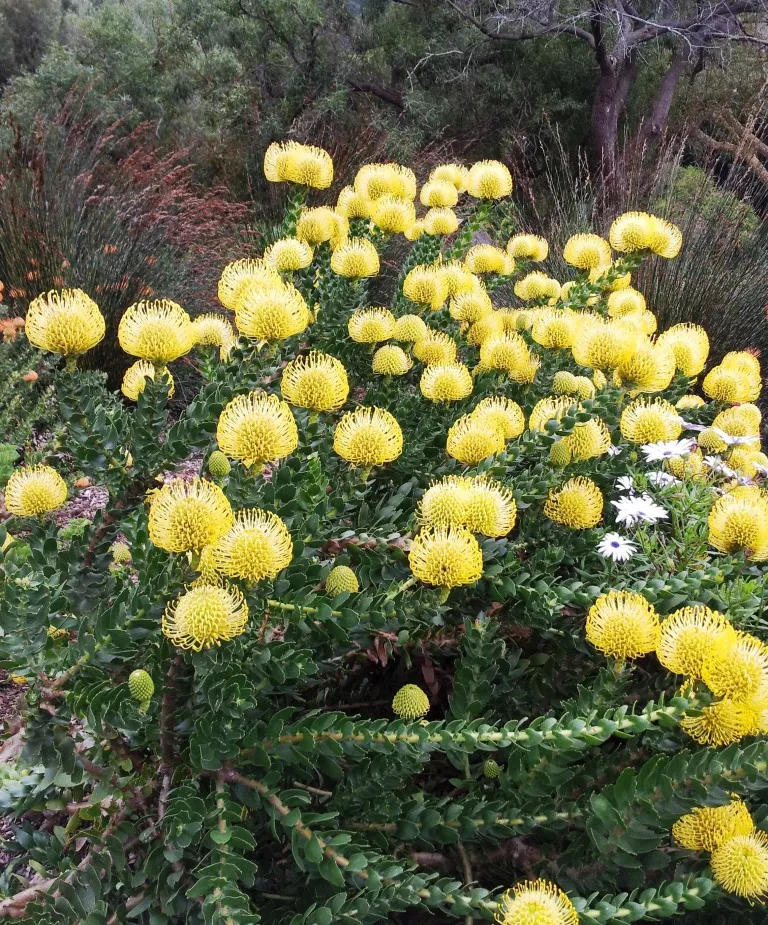
Leucospermum cordifolium, commonly known as the Pincushion Protea, is an exquisite evergreen shrub belonging to the Proteaceae family, indigenous to the biodiverse Cape Floral Kingdom of South Africa's Western Cape. This species is renowned for its striking and uniquely structured inflorescences, which bear a remarkable resemblance to a pincushion, characterized by numerous stiff, brightly colored styles that radiate outwards from a central, domed cluster of perianth segments. These captivating blooms typically display a vibrant spectrum of colors, ranging from fiery oranges and reds to sunny yellows and deep crimson, creating a dramatic visual spectacle.
The plant's specific epithet, 'cordifolium,' directly references its distinctive heart-shaped, leathery leaves, which are a glossy green and provide an elegant backdrop to the showy flowers. Leucospermum cordifolium generally attains a height and spread of 1 to 2 meters, forming an attractive, rounded, and bushy silhouette. Its primary flowering season occurs during late winter and spring, attracting an array of native pollinators, particularly birds and various insect species.
This resilient plant is exceptionally well-suited to Mediterranean-type climates, thriving in conditions of full sun exposure and requiring well-drained, acidic soils. Its unparalleled ornamental appeal and inherent durability have established it as a highly sought-after plant for cut flower production globally, as well as a stunning and water-wise addition to fynbos-inspired and xeriscape gardens.
Trusted Scientific References
1. Authoritative external sources for Leucospermum cordifolium
1.1 Wikipedia — Leucospermum cordifolium
1.2 Kew POWO (Plants of the World Online)
1.3 PubMed — peer-reviewed research
1.4 NCBI Taxonomy Browser
1.5 GBIF — Global Biodiversity
1.6Leucospermum should be interpreted through verified botanical identity, practical care, and responsible safety language. This recovery note adds the missing context needed for a complete profile: match light to the plant's habit, use well-drained soil, water according to season, and avoid unsupported medicinal or edible claims. For publishing, the plant can be presented as a source-backed garden plant with clear care guidance, common problem diagnosis, and conservative safety wording.
1.1.Leucospermum — Standout Qualities
- ✓Unique 'Pincushion' Inflorescences — Distinctive flower shape with radiating styles.
- ✓Vibrant Color Palette — Flowers range from orange, red, yellow to crimson.
- ✓Evergreen Foliage — Leathery, heart-shaped, glossy green leaves.
- ✓Drought — Tolerant — Low water needs once established.
- ✓Mediterranean Climate Adaptability — Ideal for similar climatic zones.
- ✓Phosphorus Sensitivity — Cannot tolerate phosphorus fertilizers.
- ✓Attracts Pollinators — Appeals to birds (hummingbirds) and insects.
- ✓Cut Flower Longevity — Excellent vase life for floral arrangements.
- ✓Low Maintenance — Relatively easy to care for with proper conditions.
- ✓South African Native — Endemic to the Western Cape region.
1.2.Leucospermum — Snapshot Summary
- ✓Iconic ornamental shrub from South Africa with 'pincushion' flowers.
- ✓Thrives in full sun, well-drained, acidic soil, and Mediterranean climates.
- ✓Highly sensitive to phosphorus; requires specialized fertilization.
- ✓Primarily cultivated for its vibrant cut flowers and striking garden presence.
- ✓No established medicinal uses, but contains general plant compounds like flavonoids and tannins.
- ✓Drought-tolerant once established, requiring minimal watering.
2.Leucospermum — Taxonomic Classification
3.Leucospermum — Reference Facts
4.Leucospermum — Structural Profile
5.Leucospermum — Habitat & Distribution
6.Leucospermum — Ethnobotanical Uses
7.Leucospermum — Bioactive Constituents
- ✓While Leucospermum cordifolium lacks extensive specific medicinal research, based on its family Proteaceae, it is presumed to contain:
- ✓Flavonoids — Key compounds like quercetin, kaempferol, and anthocyanins, known for their antioxidant and anti-inflammatory properties.
- ✓Polyphenols — A broad category including phenolic acids (e.g., gallic acid, caffeic acid) contributing to antioxidant defense and plant pigmentation.
- ✓Tannins — Predominantly condensed tannins, responsible for astringent properties and offering protective effects against herbivores and microbes.
- ✓Saponins — Glycosides that can have foam-forming properties and are sometimes associated with immune-modulating or cholesterol-lowering effects.
- ✓Terpenoids — A diverse group of organic compounds, including monoterpenes and sesquiterpenes, which can contribute to plant aroma and defense.
- ✓Lignans — Phenolic compounds with potential antioxidant and phytoestrogenic activities, often found in plant cell walls.
- ✓Waxes and Lipids — Surface waxes provide protection against desiccation and pathogens, while internal lipids are crucial for cellular structure.
- ✓Organic Acids — Such as citric or malic acid, contributing to the plant's metabolic processes and potentially influencing soil pH.
- ✓Carbohydrates — Structural polysaccharides like cellulose and hemicellulose, and storage forms like starch.
- ✓Amino Acids and Proteins — Essential building blocks for plant growth, enzymes, and various metabolic functions.
- ✓Minerals — Micronutrients absorbed from the soil, critical for overall plant health and enzyme activity.
8.Leucospermum — Research Insights
- ✓While Leucospermum cordifolium is primarily recognized for its ornamental value, speculative medicinal benefits, based on general Proteaceae family characteristics and observed plant defenses, might include:
- ✓Antioxidant Support — Due to the presence of polyphenols and flavonoids, it may help neutralize free radicals and mitigate oxidative stress.
- ✓Anti-inflammatory Potential — Certain plant compounds could possess properties that modulate inflammatory pathways, offering a calming effect.
- ✓Antimicrobial Activity — Tannins present in the plant might exhibit inhibitory effects against various microbes, contributing to wound protection.
- ✓Astringent Properties — High tannin content could provide astringent effects, useful for tightening tissues or reducing minor bleeding.
- ✓Cardiovascular Health Support — Flavonoids are often associated with supporting vascular integrity and health, potentially benefiting the cardiovascular system.
- ✓Immune System Modulation — General plant secondary metabolites can sometimes interact with the immune system, potentially boosting its response.
- ✓Skin Protective Effects — Antioxidants and anti-inflammatory compounds could help protect skin from environmental damage and soothe irritation.
- ✓Wound Healing — Astringent and antimicrobial actions may collectively support the natural healing process of minor cuts or abrasions.
- ✓Digestive Aid — Tannins can sometimes act as mild digestive aids, though this is speculative for this specific plant.
- ✓Diuretic Action — Some plant compounds may have mild diuretic properties, promoting fluid balance.
- ✓Pain Relief — Anti-inflammatory effects could indirectly contribute to minor pain alleviation.
- ✓Detoxification Support — Antioxidants can play a role in supporting the body's natural detoxification processes.
8.1.Leucospermum — Indications & Uses
9.Leucospermum — Precautions & Warnings
9.1.Leucospermum — Reported Side Effects
- ✓Phosphorus Toxicity — Highly sensitive to phosphorus, leading to nutrient imbalance and potential plant death.
- ✓Root Rot — Susceptible to root rot in poorly drained or overly wet soils.
- ✓Chlorosis — Yellowing of leaves can occur in alkaline soils or due to nutrient deficiencies, particularly iron.
- ✓Frost Damage — Can suffer damage to foliage and flowers if exposed to temperatures below its hardiness threshold.
- ✓Pest Infestations — Though generally robust, can occasionally be affected by common garden pests like mealybugs or scale insects.
- ✓Fungal Diseases — May develop various fungal issues in humid, poorly ventilated conditions.
- ✓Growth Stunting — Inadequate sunlight or improper soil conditions can lead to stunted growth and poor flowering.
9.2.Leucospermum — Risk Assessment
- ✓Non-Toxic (Ornamental) — Generally considered non-toxic to humans and pets, primarily cultivated for ornamental purposes.
- ✓Skin Irritation — Direct contact with plant sap is not typically known to cause severe skin irritation, but sensitivity varies.
- ✓Allergic Reactions — As with any plant, individuals sensitive to plant pollens or compounds may experience mild allergic reactions.
- ✓Environmental Impact — Non-invasive in suitable climates; poses no known significant ecological threat when cultivated responsibly.
- ✓Handling — Use gloves when pruning to avoid minor skin irritation from sap, though this is rare.
- ✓Ingestion (Not Recommended) — Not intended for human or animal consumption; medicinal use is not established.
- ✓Children & Pets — Keep away from young children and pets to prevent accidental ingestion, despite low toxicity.
10.Leucospermum — Preparation & Dosage
- ✓Ornamental Display — Primarily used for its spectacular cut flowers in arrangements due to their longevity and vibrant colors.
- ✓Garden Specimen — Planted as a focal point in xeriscape or fynbos-inspired gardens for its unique aesthetic appeal.
- ✓Landscape Shrub — Utilized in mass plantings or as a hedge in suitable climates to add structural interest and color.
- ✓Container Plant — Can be grown in large containers with appropriate well-draining, acidic potting mix for patios or balconies.
- ✓Pollinator Attraction — Planted to attract birds, especially hummingbirds, and various insects to the garden environment.
- ✓Soil Stabilization — In its native habitat, its root system can contribute to soil stabilization on slopes.
- ✓Botanical Study — Used in botanical gardens and research for horticultural and taxonomic studies.
11.Leucospermum — Growing Guide
- ✓Soil Requirements — Thrives in well-drained, acidic soil; gritty or sandy loam is ideal. Avoid heavy clay soils.
- ✓Sun Exposure — Requires full sun exposure for optimal growth and flowering; at least 6 hours of direct sunlight daily.
- ✓Watering — Once established, it is drought-tolerant, but benefits from deep watering every 2-4 weeks during dry periods. Overwatering is detrimental.
- ✓Fertilization — Do not use phosphorus-containing fertilizers; they are highly sensitive. Use low-phosphorus options like blood meal or fish emulsion if needed.
- ✓Pruning — Prune after flowering to maintain shape and encourage bushier growth. Avoid cutting into old, woody stems beyond two years of growth.
- ✓Temperature — Hardy to approximately 27°F (-3°C). Protect from prolonged hard freezes.
- ✓Drainage — Excellent drainage is crucial; consider raised beds or specialized potting mixes for containers.
- ✓Climate — Best suited for Mediterranean climates, adapting well to coastal conditions with cool summers.
Reviewed by the Flora Medical Global Botanical Review Panel
Multi-disciplinary editorial group · Botany · Ethnobotany · Herbal-medicine literature
Who reviewed this: This page was checked by the Flora Medical Global Botanical Review Panel — an in-house editorial group of botany graduates, ethnobotany researchers, and horticulture practitioners who collectively maintain our 7,000+ plant encyclopedia. Meet the team.
Our 4-step verification process
1. Taxonomic verification
Scientific names and synonyms cross-checked against Kew POWO, World Flora Online, and The Plant List.
2. Phytochemical & medicinal cross-reference
Active compounds, traditional uses, and reported activities are cross-referenced with PubMed, USDA Dr. Duke's database, and peer-reviewed ethnobotanical literature.
3. Conservation & distribution check
Distribution, ecology, and conservation status confirmed against GBIF occurrence records and the IUCN Red List.
4. Editorial & safety review
Every entry passes an editorial pass for clarity, originality, and safety notices (toxicity, contraindications, dosage caveats) before publication.
Last reviewed:
Important medical disclaimer: This content is for educational and research purposes only. It is not medical advice and is not a substitute for consultation with a licensed healthcare provider. Do not use any herb to self-treat a medical condition without professional guidance.
Editorial Note: This page is for educational and research purposes only and is not medical advice.
Written by: Flora Medical Global Editorial Team
Reviewed by: Flora Medical Global Botanical Review Panel
Last Updated: June 15, 2026





Leucospermum — Comments & Community Reviews
Rate this plant