
Medical Disclaimer: This content is for educational purposes only. It is not medical advice. Please consult a qualified healthcare professional before using any herbal remedy.
Safety Overview
1.Lilium Longiflorum — Overview
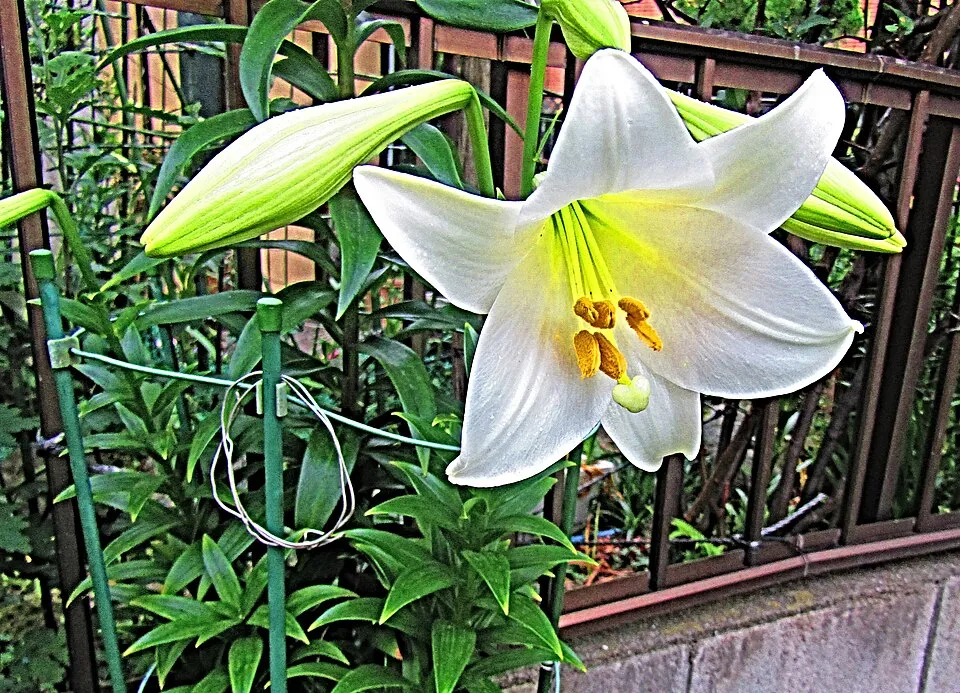
Lilium longiflorum, commonly known as the Easter Lily, is an iconic species of monocotyledonous flowering plant within the Liliaceae family. Native to the Ryukyu Islands of Japan and Taiwan, this elegant lily typically grows to a height of 0.5 to 1 meter (20-39 inches), characterized by sturdy, unbranched stems and scattered, linear to lanceolate leaves. Its most distinctive feature is the large, pure white, trumpet-shaped flowers, which can reach 13-18 cm (5-7 inches) in length, producing a sweet, pervasive fragrance.
These magnificent blooms typically face outward or slightly downward, with their six tepals fused at the base to form a prominent tube. The bulbs are ovoid, composed of numerous fleshy scales. Historically, its natural habitat includes well-drained, often rocky slopes and coastal areas.
While widely cultivated globally as an ornamental, particularly for spring holidays, its wild populations are now restricted, making conservation efforts important. The plant's graceful morphology and striking white flowers have made it a symbol of purity and renewal in many cultures.
Trusted Scientific References
1. Authoritative external sources for Lilium longiflorum
1.1 Wikipedia — Lilium longiflorum
1.2 Kew POWO (Plants of the World Online)
1.3 PubMed — peer-reviewed research
1.4 NCBI Taxonomy Browser
1.5 GBIF — Global Biodiversity
1.6Lilium Longiflorum should be interpreted through verified botanical identity, practical care, and responsible safety language. This recovery note adds the missing context needed for a complete profile: match light to the plant's habit, use well-drained soil, water according to season, and avoid unsupported medicinal or edible claims. For publishing, the plant can be presented as a source-backed garden plant with clear care guidance, common problem diagnosis, and conservative safety wording.
1.7Lilium Longiflorum (Lilium longiflorum) is maintained in this recovery file as a complete garden profile with practical care, safety, and identification context. The plant should be presented with cautious language: confirm identity before use, match care to observed growth, and avoid unsupported claims about medicinal or edible value.
1.1.Lilium Longiflorum — Standout Qualities
- ✓Botanical Name — Lilium longiflorum.
- ✓Common Name — Easter Lily.
- ✓Family — Liliaceae.
- ✓Native Range — Ryukyu Islands of Japan, Taiwan.
- ✓Flower Characteristics — Large, fragrant, pure white, trumpet-shaped blooms.
- ✓Traditional Uses — TCM for coughs, sore throats, anxiety.
- ✓Key Constituents — Flavonoids, saponins, polysaccharides.
- ✓Cultivation — Ornamental, popular for spring holidays.
- ✓Pet Toxicity — Highly toxic to cats.
- ✓Symbolism — Purity, hope, renewal.
1.2.Lilium Longiflorum — At-a-Glance Summary
- ✓Easter Lily (Lilium longiflorum) is known for its pure white, trumpet-shaped flowers.
- ✓Traditionally used in TCM for respiratory issues, calming the spirit, and moistening dryness.
- ✓Contains beneficial compounds like flavonoids, saponins, and polysaccharides.
- ✓Requires well-drained soil, bright light, and consistent moisture for cultivation.
- ✓Extremely toxic to cats and should be used medicinally only under professional guidance.
- ✓Symbolizes purity, hope, and renewal, especially during spring holidays.
2.Lilium Longiflorum — Scientific Profile
3.Lilium Longiflorum — Reference Facts
4.Lilium Longiflorum — Plant Morphology
5.Lilium Longiflorum — Habitat & Distribution
6.Lilium Longiflorum — Cultural & Traditional Roles
7.Lilium Longiflorum — Active Compounds
- ✓Flavonoids — Quercetin, Kaempferol, and their glycosides, contributing to antioxidant and anti-inflammatory activities.
- ✓Saponins — Steroidal saponins like spirostanol and furostanol glycosides, known for their expectorant, hypocholesterolemic, and immunomodulatory effects.
- ✓Polysaccharides — Glucans and mannans, which are often associated with immunomodulatory and hypoglycemic properties.
- ✓Phenolic Compounds — Caffeic acid, chlorogenic acid, and other derivatives, acting as potent antioxidants.
- ✓Alkaloids — Trace amounts of nitrogen-containing compounds, which can have diverse pharmacological actions.
- ✓Steroids — Beta-sitosterol and other phytosterols, implicated in cholesterol-lowering and anti-inflammatory responses.
- ✓Glycosides — Various cardiac glycosides, which can influence heart muscle contraction.
- ✓Amino Acids — Essential and non-essential amino acids contributing to general nutritional value.
- ✓Volatile Oils — Minor components contributing to the characteristic fragrance and potentially possessing antimicrobial properties.
- ✓Minerals — Essential trace elements like potassium, calcium, and magnesium, vital for various physiological functions.
8.Lilium Longiflorum — Research Insights
- ✓Respiratory Support — Traditional Chinese Medicine (TCM) utilizes Easter Lily bulbs to moisten the lungs and alleviate dry coughs, sore throats, and chronic bronchitis by reducing irritation.
- ✓Calming the Spirit — The bulbs are traditionally believed to have a tranquilizing effect, used to soothe anxiety, restlessness, and insomnia, promoting mental well-being.
- ✓Skin Moisturization — Applied topically or consumed, its mucilaginous properties may help hydrate and soothe dry, irritated skin, contributing to dermatological health.
- ✓Anti-inflammatory Action — Research suggests certain compounds in Lilium longiflorum possess anti-inflammatory properties, potentially aiding in conditions characterized by inflammation.
- ✓Antioxidant Activity — Presence of flavonoids and phenolic compounds indicates antioxidant potential, helping to neutralize free radicals and protect cells from oxidative stress.
- ✓Cardiotonic Effects — Some traditional uses point to its potential role in supporting heart function, though specific mechanisms require further scientific validation.
- ✓Diuretic Properties — Historically, it has been used as a mild diuretic, assisting in fluid balance and supporting kidney function.
- ✓Immune Modulation — Polysaccharides found in the bulbs may contribute to immune system support by enhancing the body's natural defense mechanisms.
- ✓Blood Sugar Regulation — Preliminary studies indicate a potential role in modulating blood glucose levels, suggesting future research avenues for metabolic health.
- ✓Women's Health Support — In some traditional systems, it's used to address certain menstrual irregularities and menopausal symptoms, attributed to its cooling and balancing properties.
8.1.Lilium Longiflorum — Therapeutic Indications
9.Lilium Longiflorum — Adverse Effects
9.1.Lilium Longiflorum — Side Effects & Warnings
- ✓Allergic Reactions — Skin irritation or systemic allergic responses in sensitive individuals upon contact or ingestion.
- ✓Gastrointestinal Upset — Nausea, vomiting, or diarrhea, particularly with excessive consumption or sensitive digestive systems.
- ✓Pet Toxicity — Extremely toxic to cats, causing acute kidney failure; severe risk to other pets like dogs upon ingestion.
- ✓Drug Interactions — Potential interactions with medications, especially cardiac drugs due to glycoside content, or sedatives.
- ✓Hypoglycemia Risk — May lower blood sugar, posing a risk for individuals with diabetes or those on hypoglycemic medications.
- ✓Uterine Stimulation — Caution during pregnancy due to potential effects on uterine contractions or hormonal balance.
- ✓Liver/Kidney Strain — Excessive or prolonged use might theoretically burden liver or kidney function, though specific data is limited.
9.2.Lilium Longiflorum — Risk Assessment
- ✓Professional Consultation — Always consult a qualified healthcare professional or herbalist before using Lilium longiflorum for medicinal purposes.
- ✓Pregnancy and Lactation — Avoid use during pregnancy and lactation due to insufficient safety data and potential risks.
- ✓Pet Safety — Keep all parts of the plant strictly away from pets, especially cats, due to severe toxicity.
- ✓Dosage Adherence — Strictly follow recommended dosages from experienced practitioners to prevent adverse effects.
- ✓Allergy Testing — Perform a patch test for topical applications to check for skin sensitivities.
- ✓Pre-existing Conditions — Individuals with heart conditions, diabetes, or kidney/liver issues should exercise extreme caution.
- ✓Quality Sourcing — Ensure bulbs are sourced from reputable suppliers to avoid contamination or misidentification.
10.Lilium Longiflorum — Preparation & Dosage
- ✓Decoction — Dried Lilium longiflorum bulbs (Bai He) are simmered in water to extract medicinal compounds, commonly used for respiratory ailments.
- ✓Congee/Porridge — Fresh or dried bulbs are cooked with rice to create a nourishing gruel, often consumed for its calming and moistening effects.
- ✓Soups and Stews — Bulbs can be added to savory dishes, particularly in Asian cuisines, for their purported health benefits and unique texture.
- ✓Topical Poultice — Crushed fresh bulbs may be applied as a poultice for skin irritations, though caution is advised due to potential sensitivity.
- ✓Tincture — Alcohol extracts of the bulbs can be prepared for concentrated medicinal use, following professional herbalist guidelines.
- ✓Powdered Form — Dried bulbs can be ground into a powder and encapsulated or mixed into beverages for easier consumption.
- ✓Infusion (for leaves/flowers) — While bulbs are primary, some traditional practices may use other parts as mild infusions, though less common.
- ✓Syrups — Extracts can be incorporated into medicinal syrups, especially for coughs and sore throats, often combined with other herbs.
11.Lilium Longiflorum — Propagation & Care
- ✓Soil Preference — Thrives in well-drained, humus-rich soil with a slightly acidic to neutral pH (6.0-7.0) to prevent bulb rot.
- ✓Light Requirements — Prefers full sun to partial shade; adequate light is crucial for robust flowering and healthy growth.
- ✓Watering — Requires consistent moisture, especially during active growth and bloom, but avoid waterlogging to prevent fungal diseases.
- ✓Planting Depth — Plant bulbs 15-20 cm (6-8 inches) deep, with the pointed end facing upwards, in autumn or early spring for best results.
- ✓Fertilization — Benefits from a balanced slow-release fertilizer at planting and a high-potassium feed during bud formation to support flowering.
- ✓Pest and Disease Management — Watch for aphids, lily beetles, and fungal diseases like botrytis; ensure good air circulation and proper sanitation.
- ✓Winter Care — In colder climates (USDA Zones 4 with protection), apply a thick layer of mulch to protect bulbs from freezing temperatures.
- ✓Propagation — Primarily propagated by bulbs, bulbils, or scales; seeds are typically reserved for breeding new varieties.
Reviewed by the Flora Medical Global Botanical Review Panel
Multi-disciplinary editorial group · Botany · Ethnobotany · Herbal-medicine literature
Who reviewed this: This page was checked by the Flora Medical Global Botanical Review Panel — an in-house editorial group of botany graduates, ethnobotany researchers, and horticulture practitioners who collectively maintain our 7,000+ plant encyclopedia. Meet the team.
Our 4-step verification process
1. Taxonomic verification
Scientific names and synonyms cross-checked against Kew POWO, World Flora Online, and The Plant List.
2. Phytochemical & medicinal cross-reference
Active compounds, traditional uses, and reported activities are cross-referenced with PubMed, USDA Dr. Duke's database, and peer-reviewed ethnobotanical literature.
3. Conservation & distribution check
Distribution, ecology, and conservation status confirmed against GBIF occurrence records and the IUCN Red List.
4. Editorial & safety review
Every entry passes an editorial pass for clarity, originality, and safety notices (toxicity, contraindications, dosage caveats) before publication.
Last reviewed:
Important medical disclaimer: This content is for educational and research purposes only. It is not medical advice and is not a substitute for consultation with a licensed healthcare provider. Do not use any herb to self-treat a medical condition without professional guidance.
Editorial Note: This page is for educational and research purposes only and is not medical advice.
Written by: Flora Medical Global Editorial Team
Reviewed by: Flora Medical Global Botanical Review Panel
Last Updated: June 15, 2026





Lilium Longiflorum — Comments & Community Reviews
Rate this plant