
Medical Disclaimer: This content is for educational purposes only. It is not medical advice. Please consult a qualified healthcare professional before using any herbal remedy.
Safety Overview
1.Lions Mane — Plant Snapshot
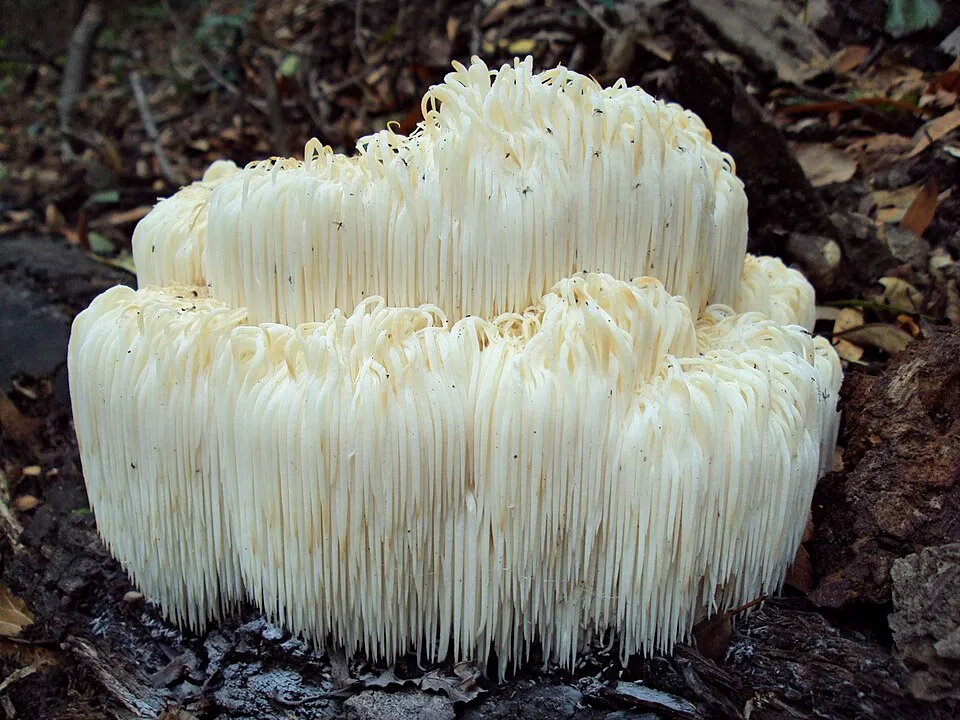
Lion's Mane, scientifically known as Hericium erinaceus, is a remarkable edible and medicinal mushroom belonging to the Hericiaceae family. This distinctive fungus is easily recognizable by its cascading, shaggy spines that resemble a white waterfall or a lion's mane, hence its common name.
Other vernacular names include 'monkey head mushroom' and 'pom-pom mushroom' due to its unique globular and spiny appearance. Morphologically, the fruiting body typically grows as a single, large clump, often reaching considerable sizes, with spines that can be several centimeters long, varying from white to creamy yellow as it matures.
Hericium erinaceus is primarily a saprophytic or parasitic fungus, growing on the trunks of dead or dying deciduous trees, particularly oak, beech, maple, and walnut. It thrives in temperate regions across the Northern Hemisphere, with a native range spanning North America, Europe, and Asia.
In the wild, it is often found in late summer and autumn, preferring humid, forest environments. Its preference for specific hardwood substrates contributes to its unique chemical profile.
Taxonomically, Hericium erinaceus is classified within the Basidiomycota phylum, Agaricomycetes class, Russulales order, Hericiaceae family, and Hericium genus. Its unique morphology distinguishes it clearly from other fungi. Historically, Lion's Mane has held significant cultural and medicinal importance for centuries.
In traditional Chinese medicine (TCM), it is known as 'Hóu Tóu Gū' and has been revered for its benefits to the spleen, stomach, and overall vitality, often prescribed for digestive ailments and general debility. Japanese traditional medicine also values it highly, calling it 'Yamabushitake,' and recognizing its potential for internal organ health and cognitive support. Ayurvedic medicine, though not traditionally a primary source for fungi, has also incorporated it for its adaptogenic and restorative properties.
Modern scientific research continues to explore and validate these traditional uses, particularly focusing on its neurotrophic and immunological benefits, solidifying its status as a prominent functional food and medicinal agent globally.
Trusted Scientific References
1. Authoritative external sources for Hericium erinaceus
1.1 Wikipedia — Hericium erinaceus
1.2 Kew POWO (Plants of the World Online)
1.3 PubMed — peer-reviewed research
1.4 NCBI Taxonomy Browser
1.5 GBIF — Global Biodiversity
1.1.Lions Mane — Key Features
- ✓Distinctive Appearance — Characterized by long, shaggy, cascading white spines resembling a lion's mane or pom-pom.
- ✓Neurotrophic Properties — Contains compounds (hericenones, erinacines) that stimulate Nerve Growth Factor (NGF).
- ✓Cognitive Enhancer — Promotes memory, focus, and overall brain health.
- ✓Adaptogenic Qualities — Helps the body manage stress and maintain physiological balance.
- ✓Potent Antioxidant — Rich in compounds that combat oxidative stress and cellular damage.
- ✓Anti — inflammatory Agent — Modulates inflammatory pathways to reduce systemic inflammation.
- ✓Immunomodulatory — Enhances immune system function through beta-glucans.
- ✓Digestive Aid — Supports gut health, protects gastric lining, and may help with ulcers.
- ✓Nerve Regenerator — Aids in the repair and regeneration of damaged nerves.
- ✓Culinary Delicacy — Prized for its unique, mild, seafood-like flavor and texture.
- ✓Wide Geographic Distribution — Native to North America, Europe, and Asia.
- ✓Sustainable Cultivation — Readily cultivated on hardwood substrates.
- ✓Traditional Medicine Staple — Long history of use in Traditional Chinese Medicine (TCM) and Japanese herbalism.
- ✓Versatile Usage — Can be consumed fresh, dried, powdered, or as extracts and tinctures.
- ✓Rich Phytochemistry — Contains a complex profile of polysaccharides, terpenoids, phenolics, and more.
1.2.Lions Mane — Concise Overview
- ✓Hericium erinaceus is a unique medicinal mushroom known as Lion's Mane, revered in TCM and Japanese medicine for centuries.
- ✓It is celebrated for its neuroprotective and cognitive-enhancing properties, primarily through stimulating Nerve Growth Factor (NGF).
- ✓Rich in bioactive compounds like hericenones, erinacines, and beta-glucans, it offers anti-inflammatory, antioxidant, and immunomodulatory benefits.
- ✓Traditional uses include digestive health, immune support, and overall vitality, now supported by modern research.
- ✓Available in various forms, including fresh mushroom, powders, extracts, and tinctures, for both culinary and medicinal use.
- ✓Generally considered safe, but caution is advised for pregnant/nursing women, those with bleeding disorders, or individuals on specific medications.
- ✓Grows on deciduous trees in temperate Northern Hemisphere regions and is widely cultivated for its medicinal value.
2.Lions Mane — Taxonomic Classification
3.Lions Mane — Reference Facts
4.Lions Mane — Morphological Account
5.Lions Mane — Geographic Distribution
6.Lions Mane — Cultural & Traditional Roles
7.Lions Mane — Bioactive Constituents
- ✓Polysaccharides — Primarily beta-glucans (e.g., Hericium erinaceus polysaccharides or HEPs) known for immunomodulatory, anti-tumor, and antioxidant activities. They enhance immune cell function and contribute to gut health.
- ✓Terpenoids — Key compounds include hericenones (found in the fruiting body) and erinacines (found in the mycelium), which are vital for stimulating Nerve Growth Factor (NGF) synthesis, crucial for neurogenesis and cognitive function.
- ✓Phenolic Compounds — A diverse group including gallic acid, protocatechuic acid, and ferulic acid, providing significant antioxidant, anti-inflammatory, and neuroprotective benefits.
- ✓Flavonoids — Such as quercetin and kaempferol derivatives, contributing to antioxidant capacity and anti-inflammatory effects by scavenging free radicals and modulating immune responses.
- ✓Fatty Acids — Including palmitic acid, linoleic acid, and oleic acid, which play roles in cellular structure, energy storage, and may possess anti-inflammatory properties.
- ✓Amino Acids — A full spectrum of essential and non-essential amino acids, crucial for protein synthesis, neurotransmitter production, and overall metabolic functions.
- ✓Sterols — Ergosterol and its derivatives, common in fungi, act as precursors to Vitamin D2 upon UV exposure and may exhibit anti-inflammatory and anti-cancer properties.
- ✓Alkaloids — While less prominent than other classes, certain nitrogen-containing compounds may contribute to its diverse pharmacological profile, though specific structures are still under investigation.
- ✓Glycoproteins — Complex carbohydrate-protein molecules that can have immunomodulatory effects and contribute to the structural integrity of the mushroom.
- ✓Vitamins — Contains B vitamins (B1, B2, B3, B5, B6) essential for energy metabolism and nervous system health, and smaller amounts of Vitamin D.
- ✓Minerals — Rich in potassium, phosphorus, zinc, iron, and selenium, which are vital cofactors for numerous enzymatic reactions and overall physiological processes.
- ✓Ergothioneine — A powerful antioxidant amino acid derivative, known for its cellular protection against oxidative stress and its potential role in neuroprotection.
- ✓Lectins — Proteins that can bind to specific carbohydrate structures, potentially involved in immune modulation and cellular communication, though their specific role in Hericium erinaceus is still being explored.
8.Lions Mane — Modern Studies
- ✓Neuroprotective Properties — Lion's Mane contains hericenones and erinacines, compounds known to stimulate the synthesis of nerve growth factor (NGF) in the brain. This promotes the growth, maintenance, and repair of neurons, offering protection against neurodegenerative conditions.
- ✓Cognitive Enhancement — By boosting NGF production and supporting neuronal health, Hericium erinaceus can improve memory, focus, and overall cognitive function. It has shown potential in enhancing learning abilities and reducing brain fog.
- ✓Anti-inflammatory Effects — Bioactive polysaccharides and phenolic compounds in Lion's Mane exert potent anti-inflammatory actions by modulating inflammatory pathways and reducing the production of pro-inflammatory cytokines, which can alleviate chronic inflammation.
- ✓Antioxidant Activity — Rich in various antioxidant compounds, this mushroom effectively scavenges free radicals and reduces oxidative stress throughout the body. This helps protect cells from damage and contributes to overall cellular health and disease prevention.
- ✓Immune System Support — Beta-glucans found in Hericium erinaceus are powerful immunomodulators, enhancing the activity of immune cells like macrophages and natural killer cells. This strengthens the body's defense mechanisms against pathogens.
- ✓Digestive Health — Traditionally used for stomach ailments, Lion's Mane can protect the gastric mucosa and reduce inflammation in the digestive tract. It may help in managing conditions like gastritis and gastric ulcers by promoting healing and balancing gut flora.
- ✓Nerve Regeneration — The NGF-stimulating properties of Lion's Mane are crucial for nerve repair and regeneration following injury. Studies suggest its potential in aiding recovery from peripheral nerve damage.
- ✓Mood Regulation and Anti-Anxiety — Research indicates that Hericium erinaceus may have anxiolytic and antidepressant effects. It can help reduce symptoms of anxiety and depression by improving neurogenesis and supporting neurotransmitter balance.
- ✓Blood Sugar Regulation — Some studies suggest that Lion's Mane may help in lowering blood glucose levels and improving insulin sensitivity. This makes it a potential complementary agent for managing diabetes.
- ✓Cardiovascular Health — The mushroom may contribute to heart health by reducing levels of LDL (bad) cholesterol and triglycerides, and by preventing blood clot formation, thus mitigating risks associated with cardiovascular diseases.
- ✓Antimicrobial Potential — Extracts from Hericium erinaceus have demonstrated antimicrobial activity against certain bacteria and fungi. This suggests its role in combating infections and supporting a healthy microbiome.
- ✓Anti-Fatigue Effects — Regular consumption of Lion's Mane may help reduce physical and mental fatigue. Its adaptogenic qualities support the body's ability to cope with stress and maintain energy levels.
- ✓Cancer Support — Preliminary research indicates that certain compounds in Lion's Mane, such as polysaccharides, may possess anti-tumor properties by inhibiting cancer cell growth and metastasis, and enhancing the efficacy of conventional treatments.
- ✓Wound Healing — Its anti-inflammatory and regenerative properties may contribute to faster wound healing. By reducing inflammation and promoting tissue repair, it can support the body's natural healing processes.
- ✓Sleep Quality Improvement — While not a direct sedative, by reducing anxiety and promoting overall neurological balance, Lion's Mane may indirectly contribute to improved sleep quality and more restful nights.
8.1.Lions Mane — Therapeutic Indications
9.Lions Mane — Precautions & Warnings
9.1.Lions Mane — Side Effects & Warnings
- ✓Mild Digestive Upset — Some individuals may experience mild gastrointestinal discomfort, such as bloating, diarrhea, or stomach cramps, especially when first introducing Lion's Mane.
- ✓Allergic Reactions — Although rare, allergic reactions like skin rashes, itching, or difficulty breathing can occur, particularly in individuals sensitive to mushrooms.
- ✓Dry Mouth/Throat — A small number of users report experiencing a sensation of dry mouth or throat after consuming Lion's Mane products.
- ✓Skin Itchiness — Some anecdotal reports suggest a temporary increase in skin itchiness, possibly related to its nerve growth stimulating properties, though this is not well-established.
- ✓Blood Thinning — Lion's Mane may possess mild anti-platelet or anticoagulant properties, potentially increasing the risk of bleeding in sensitive individuals or those on blood-thinning medication.
- ✓Hypoglycemia — In individuals with diabetes, especially those on blood sugar-lowering medication, Lion's Mane might theoretically contribute to excessively low blood sugar levels.
- ✓Interaction with Immunosuppressants — Due to its immune-modulating effects, Lion's Mane could potentially interfere with immunosuppressant drugs, warranting caution.
- ✓Headaches — Infrequent reports of mild headaches have been noted by some users, though the direct causal link is not clearly established.
9.2.Lions Mane — Safety Overview
- ✓Pregnancy and Lactation — Insufficient research exists regarding the safety of Lion's Mane during pregnancy and breastfeeding; therefore, it is best avoided by pregnant or nursing individuals.
- ✓Children — Clinical data on the use of Lion's Mane in children is limited. Consultation with a pediatrician is recommended before administration.
- ✓Individuals with Bleeding Disorders — Due to potential mild anti-platelet effects, individuals with bleeding disorders or those undergoing surgery should use with caution or avoid.
- ✓Diabetes Management — Those with diabetes on medication should monitor blood sugar levels closely, as Lion's Mane may lower glucose, potentially requiring dosage adjustments.
- ✓Autoimmune Conditions — While generally immunomodulatory, individuals with autoimmune diseases should consult a healthcare provider before use, as its effects on specific conditions are not fully understood.
- ✓Medication Interactions — Consult a healthcare professional if taking prescription medications, especially anticoagulants, anti-diabetic drugs, or immunosuppressants, to avoid potential interactions.
- ✓Dosage Adherence — Always follow recommended dosages on product labels or as advised by a qualified healthcare practitioner to minimize potential side effects.
- ✓Quality and Purity — Source Lion's Mane products from reputable suppliers to ensure they are free from contaminants like heavy metals, pesticides, and microbial impurities.
- ✓Allergic History — Individuals with known allergies to mushrooms should exercise extreme caution or avoid Lion's Mane entirely.
- ✓Pre-existing Conditions — If you have any serious pre-existing medical conditions, always seek medical advice before incorporating Lion's Mane into your regimen.
10.Lions Mane — Application Forms
- ✓Culinary Preparation — Fresh Lion's Mane can be sliced and sautéed, roasted, or fried, often used as a seafood substitute due to its unique texture and mild flavor.
- ✓Herbal Tea — Dried and powdered Lion's Mane can be steeped in hot water to make a medicinal tea, allowing for easy absorption of water-soluble compounds.
- ✓Tinctures — Alcohol-based extracts (dual extraction with water and alcohol) are common for concentrating both water-soluble polysaccharides and alcohol-soluble terpenoids.
- ✓Encapsulated Powder — Dried and ground fruiting body or mycelium can be encapsulated for convenient, precise dosing, a popular method for consistent daily intake.
- ✓Extract Powders — Concentrated hot water or dual extracts are spray-dried into powders, which can be added to smoothies, coffee, or other beverages.
- ✓Liquid Extracts — Ready-to-use liquid extracts are available, offering a convenient way to consume the mushroom, often taken directly or added to drinks.
- ✓Culinary Additions — Powdered Lion's Mane can be incorporated into soups, stews, sauces, and broths to enhance flavor and nutritional value.
- ✓Coffee Blends — Many functional mushroom companies offer Lion's Mane infused coffee blends, combining the cognitive benefits of the mushroom with caffeine for enhanced focus.
- ✓Topical Applications — While less common, some formulations explore the antioxidant and anti-inflammatory properties of Lion's Mane for skin health, though research is limited.
- ✓Decoctions — For a stronger extraction of polysaccharides, the dried mushroom can be simmered in water for an extended period, creating a potent decoction.
11.Lions Mane — Growing Guide
- ✓Substrate Preparation — Lion's Mane typically grows on hardwood sawdust (oak, maple, beech) supplemented with nutrients like wheat bran, soy hulls, or rice bran, sterilized in bags or jars.
- ✓Inoculation — The sterilized substrate is inoculated with Hericium erinaceus grain spawn or liquid culture under sterile conditions to prevent contamination.
- ✓Incubation — Mycelial colonization occurs in a dark, warm environment (20-24°C or 68-75°F) for 2-4 weeks until the substrate is fully colonized.
- ✓Fruiting Initiation — After full colonization, bags are exposed to cooler temperatures (18-21°C or 64-70°F), higher humidity (90-95%), and indirect light to trigger primordia formation.
- ✓Air Exchange — Adequate fresh air exchange is crucial during fruiting to prevent CO2 buildup, which can lead to elongated, branched, and less dense fruiting bodies.
- ✓Humidity Control — Maintaining high humidity is essential for the healthy development of the fruiting bodies and to prevent the spines from drying out prematurely.
- ✓Light Requirements — Indirect or ambient light (around 1000 lux for 12 hours a day) is sufficient to guide the mushroom's growth direction and development.
- ✓Harvesting — Lion's Mane is harvested when the spines are fully developed and white, typically before they start to yellow. It is usually picked by twisting or cutting at the base.
- ✓Multiple Flushes — Well-maintained blocks can produce multiple 'flushes' or harvests, usually 2-4, with diminishing yields over time.
- ✓Pest and Disease Management — Proper sterilization, hygiene, and environmental control are critical to prevent common fungal contaminants (e.g., Trichoderma) and bacterial blotch.
Reviewed by the Flora Medical Global Botanical Review Panel
Multi-disciplinary editorial group · Botany · Ethnobotany · Herbal-medicine literature
Who reviewed this: This page was checked by the Flora Medical Global Botanical Review Panel — an in-house editorial group of botany graduates, ethnobotany researchers, and horticulture practitioners who collectively maintain our 7,000+ plant encyclopedia. Meet the team.
Our 4-step verification process
1. Taxonomic verification
Scientific names and synonyms cross-checked against Kew POWO, World Flora Online, and The Plant List.
2. Phytochemical & medicinal cross-reference
Active compounds, traditional uses, and reported activities are cross-referenced with PubMed, USDA Dr. Duke's database, and peer-reviewed ethnobotanical literature.
3. Conservation & distribution check
Distribution, ecology, and conservation status confirmed against GBIF occurrence records and the IUCN Red List.
4. Editorial & safety review
Every entry passes an editorial pass for clarity, originality, and safety notices (toxicity, contraindications, dosage caveats) before publication.
Last reviewed:
Important medical disclaimer: This content is for educational and research purposes only. It is not medical advice and is not a substitute for consultation with a licensed healthcare provider. Do not use any herb to self-treat a medical condition without professional guidance.
Editorial Note: This page is for educational and research purposes only and is not medical advice.
Written by: Flora Medical Global Editorial Team
Reviewed by: Flora Medical Global Botanical Review Panel
Last Updated: June 15, 2026





Lions Mane — Comments & Community Reviews
Rate this plant