
Medical Disclaimer: This content is for educational purposes only. It is not medical advice. Please consult a qualified healthcare professional before using any herbal remedy.
Safety Overview
1.Liquidambar Styraciflua — Essential Profile
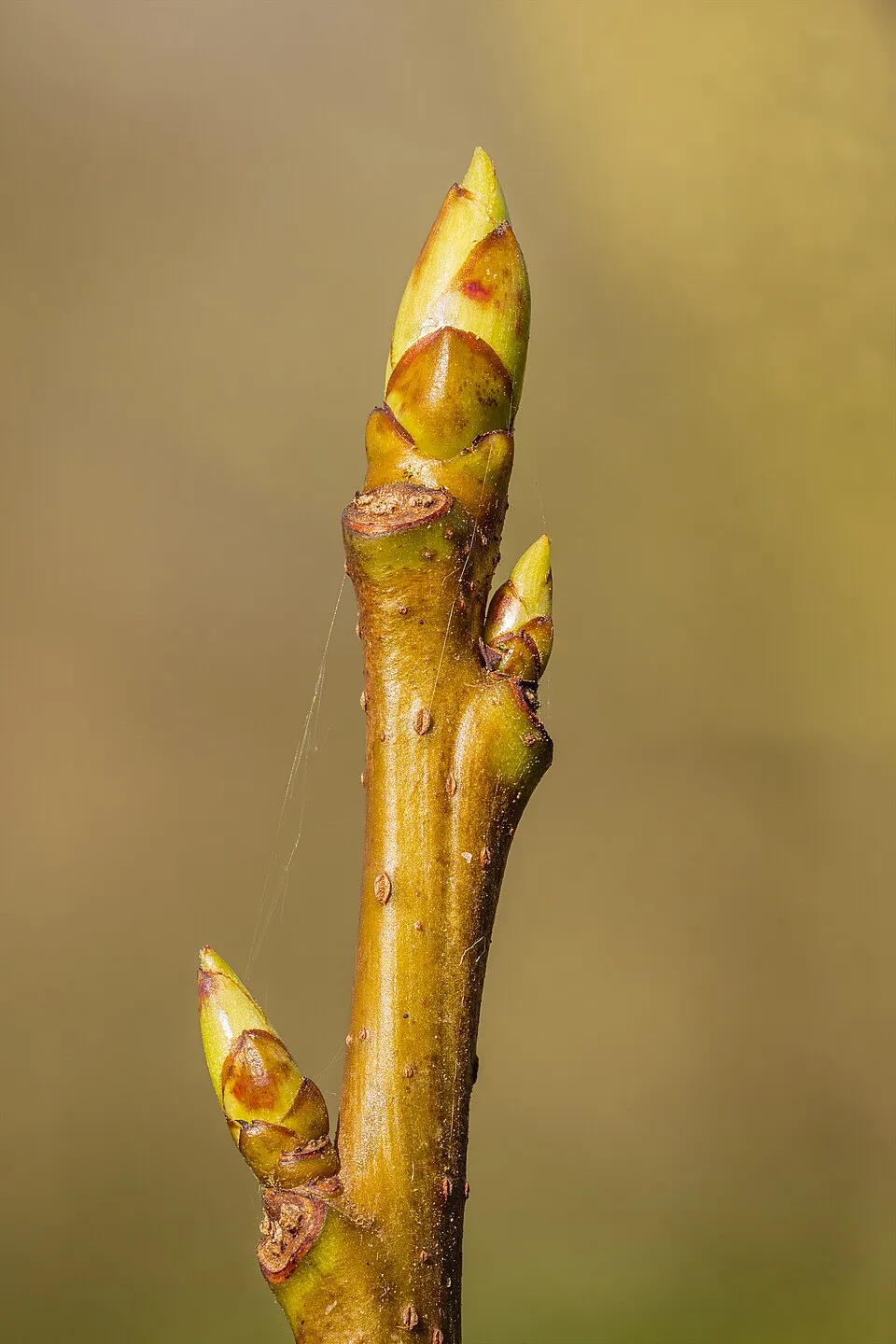
Liquidambar styraciflua, commonly known as Sweetgum, American Sweetgum, or Red Gum, is a majestic deciduous tree belonging to the Altingiaceae family. Native to the warm temperate regions of eastern North America, its natural range extends from Connecticut to Florida and westward to Texas, thriving in moist woodlands, river bottoms, and various upland sites. This large tree typically reaches heights of 60 to 80 feet, with some specimens exceeding 100 feet in optimal conditions, forming a broadly conical crown in maturity.
Its most distinguishing features are its deeply lobed, star-shaped leaves, which transform into a spectacular array of brilliant reds, purples, oranges, and yellows in autumn, offering significant ornamental value. The bark transitions from smooth gray-brown in youth to deeply furrowed with corky ridges on mature trunks and branches. Sweetgum produces inconspicuous yellow-green flowers in spring, followed by its iconic spiky, spherical fruit capsules, often called 'gumballs,' which persist through winter.
These fruits are approximately 1 to 1.5 inches in diameter and contain numerous small seeds. Sweetgum is a long-lived species, often exceeding 150 years, and plays an important ecological role, providing habitat and food for various wildlife. Its robust nature and aesthetic appeal make it a popular choice for large landscapes and parks, despite the potential mess from its fallen fruits.
Trusted Scientific References
1. Authoritative external sources for Liquidambar styraciflua
1.1 Wikipedia — Liquidambar styraciflua
1.2 Kew POWO (Plants of the World Online)
1.3 PubMed — peer-reviewed research
1.4 NCBI Taxonomy Browser
1.5 GBIF — Global Biodiversity
1.6Liquidambar Styraciflua should be interpreted through verified botanical identity, practical care, and responsible safety language. This recovery note adds the missing context needed for a complete profile: match light to the plant's habit, use well-drained soil, water according to season, and avoid unsupported medicinal or edible claims. For publishing, the plant can be presented as a source-backed garden plant with clear care guidance, common problem diagnosis, and conservative safety wording.
1.1.Liquidambar Styraciflua — Distinguishing Points
- ✓Distinctive star — shaped leaves with brilliant autumn coloration.
- ✓Produces unique spiky, — Produces unique spiky, spherical fruit capsules known as 'gumballs'.
- ✓Source of aromatic — Source of aromatic oleoresin (storax) with historical medicinal uses.
- ✓Native to eastern — Native to eastern North America, thriving in temperate climates.
- ✓Tall, majestic deciduous — Tall, majestic deciduous tree with a broadly conical crown.
- ✓Bark develops characteristic — Bark develops characteristic corky ridges on younger branches and deeply furrows with age.
- ✓Moderately fast — growing and long-lived, often exceeding 150 years.
- ✓Adaptable to a — Adaptable to a range of soil types, preferring moist, well-drained conditions.
- ✓Provides significant wildlife — Provides significant wildlife value, especially seeds for birds and small mammals.
- ✓Known for its — Known for its timber value in furniture, veneer, and pulpwood industries.
1.2.Liquidambar Styraciflua — At-a-Glance Summary
- ✓Sweetgum is a large deciduous tree known for vibrant fall foliage and spiky fruits.
- ✓Its resin (storax) has traditional uses as an antiseptic, expectorant, and anti-inflammatory.
- ✓Key compounds include cinnamic acid, triterpenoids, and flavonoids.
- ✓Used topically for wounds and skin conditions, and internally for respiratory issues.
- ✓Cultivation requires full sun, moist soil, and is hardy in USDA Zones 5-9.
- ✓Caution advised for internal use, pregnancy, and potential skin irritation.
2.Liquidambar Styraciflua — Scientific Identity
3.Liquidambar Styraciflua — Vital Statistics
4.Liquidambar Styraciflua — Physical Description
5.Liquidambar Styraciflua — Origin & Spread
6.Liquidambar Styraciflua — Folk Medicine Applications
7.Liquidambar Styraciflua — Phytochemistry
- ✓Volatile Oils — Contains styrol, cinnamyl alcohol, and cinnamic acid esters, contributing to its aromatic and antiseptic properties.
- ✓Resins — The oleoresin, known as storax, is rich in resin acids, triterpenoids, and aromatic compounds, responsible for its medicinal actions.
- ✓Triterpenoids — Includes compounds like oleanolic acid and ursolic acid, which are known for their anti-inflammatory and hepatoprotective activities.
- ✓Flavonoids — Quercetin, kaempferol, and other glycosides provide antioxidant and anti-inflammatory benefits.
- ✓Shikimic Acid — A precursor in the biosynthesis of aromatic amino acids and many alkaloids, with potential antiviral properties.
- ✓Cinnamic Acid Derivatives — Responsible for many of the resin's aromatic and antimicrobial effects, including trans-cinnamic acid.
- ✓Lignans — Present in various parts of the tree, contributing to its overall phytochemical profile and potential biological activities.
- ✓Tannins — Provide astringent properties, useful in traditional medicine for treating skin irritations and gastrointestinal issues.
- ✓Phenylpropanoids — A diverse group of organic compounds derived from cinnamic acid, contributing to the plant's defense mechanisms and medicinal value.
- ✓Saponins — Glycosides that can have expectorant and anti-inflammatory effects.
8.Liquidambar Styraciflua — Evidence-Based Benefits
- ✓Antiseptic — The resin (storax) exhibits antimicrobial properties, making it effective against various bacteria and fungi, useful for preventing wound infections.
- ✓Expectorant — Storax helps to loosen and expel mucus from the respiratory tract, providing relief from coughs and congestion.
- ✓Anti-inflammatory — Compounds present in the resin, such as cinnamic acid and triterpenoids, help reduce inflammation and swelling.
- ✓Wound Healing — Applied topically, sweetgum resin promotes the healing of cuts, abrasions, and minor burns due to its antimicrobial and regenerative properties.
- ✓Skin Conditions — Traditional use includes treating various dermatological issues like eczema and rashes, leveraging its soothing and antiseptic qualities.
- ✓Respiratory Support — Internally, the resin has been used to alleviate symptoms of colds, flu, and sore throats by reducing irritation and promoting expectoration.
- ✓Antioxidant Activity — Flavonoids and other phenolic compounds contribute to its antioxidant capacity, protecting cells from oxidative damage.
- ✓Oral Health — Historically, the resin was chewed like gum, potentially contributing to oral hygiene through its antibacterial effects.
- ✓Styptic — The resin may possess properties that help to stop bleeding when applied topically to minor wounds.
- ✓Analgesic — Some traditional uses suggest mild pain-relieving effects, particularly for localized discomfort.
8.1.Liquidambar Styraciflua — Conditions Traditionally Used For
9.Liquidambar Styraciflua — Safety & Side Effects
9.1.Liquidambar Styraciflua — Reported Side Effects
- ✓Skin Irritation — Direct contact with the raw resin may cause contact dermatitis or allergic reactions in sensitive individuals.
- ✓Gastrointestinal Upset — Internal consumption of large quantities can lead to nausea, vomiting, or diarrhea.
- ✓Allergic Reactions — Individuals sensitive to balsam of Peru or related compounds may experience cross-reactivity.
- ✓Photosensitivity — Some constituents might increase skin sensitivity to sunlight, though this is less common with sweetgum.
- ✓Pregnancy Concerns — Lack of sufficient safety data advises against use during pregnancy and lactation.
- ✓Drug Interactions — Potential interactions with certain medications, particularly anticoagulants or anti-inflammatory drugs, due to its active compounds.
- ✓Oral Discomfort — Chewing the resin can sometimes cause gum irritation or dental issues if consumed excessively.
9.2.Liquidambar Styraciflua — Clinical Safety Notes
- ✓External Use Caution — Always perform a patch test before extensive topical application to check for skin sensitivity or allergic reactions.
- ✓Internal Use Advisory — Internal consumption should only be done under the guidance of a qualified healthcare professional due to potent active compounds.
- ✓Pregnancy and Lactation — Avoid use during pregnancy and breastfeeding due to insufficient research on safety in these populations.
- ✓Pediatric Use — Not recommended for infants or young children without explicit medical advice.
- ✓Dosage Adherence — Strict adherence to recommended dosages is crucial to prevent adverse effects.
- ✓Allergic Sensitivity — Individuals with known allergies to other balsams or resins should exercise extreme caution or avoid use.
- ✓Consult Physician — Always consult a doctor or herbalist before incorporating sweetgum preparations, especially if on other medications or with pre-existing conditions.
- ✓Avoid Ingestion of Spiky Fruits — The 'gumballs' are not edible and pose a choking hazard.
10.Liquidambar Styraciflua — Preparation Methods
- ✓Resin Extraction — The oleoresin (storax) is traditionally obtained by incising the bark, allowing the aromatic exudate to collect and harden.
- ✓Topical Application — Diluted resin or preparations can be applied directly to skin wounds, burns, or inflammatory conditions for antiseptic and healing effects.
- ✓Inhalation — Vaporizing the resin or using essential oil derived from it can help clear respiratory passages due to its expectorant properties.
- ✓Internal Decoction — Bark or leaf decoctions can be prepared for internal use to address respiratory ailments, although professional guidance is recommended.
- ✓Tinctures — Alcoholic extracts of the resin or bark can be made for concentrated internal or topical application, following specific dosage guidelines.
- ✓Herbal Poultices — Crushed leaves or bark can be used in poultices for external application to reduce swelling and aid wound healing.
- ✓Infused Oils — The resin can be infused into carrier oils for use in massage or as a base for topical balms and salves.
- ✓Chewing Gum — Historically, the solidified resin was chewed for oral hygiene and to freshen breath.
11.Liquidambar Styraciflua — Cultivation & Care
- ✓Climate Preference — Thrives in USDA Hardiness Zones 5-9, preferring temperate climates with distinct seasons and tolerating a range of temperatures.
- ✓Soil Requirements — Prefers deep, moist, well-drained, slightly acidic to neutral loamy soils; tolerates various soil types but avoids highly alkaline conditions.
- ✓Sunlight Exposure — Requires full sun exposure (at least 6 hours daily) for optimal growth and vibrant autumn color, though partial shade is tolerated.
- ✓Watering — Young trees need consistent watering to establish a strong root system; mature trees are moderately drought-tolerant but benefit from regular moisture.
- ✓Propagation — Best propagated by seed, which typically requires a period of cold stratification, or by semi-hardwood cuttings taken in summer.
- ✓Pruning — Generally requires minimal pruning; focus on removing dead, damaged, or crossing branches to maintain health and shape, ideally in late winter or early spring.
- ✓Fertilization — Benefits from a balanced, slow-release fertilizer in early spring, especially for young or struggling trees, but established trees are often self-sufficient.
- ✓Pest and Disease Management — Generally robust, but can be susceptible to sweetgum webworm, cankers, and leaf spot; proper care enhances resistance.
Reviewed by the Flora Medical Global Botanical Review Panel
Multi-disciplinary editorial group · Botany · Ethnobotany · Herbal-medicine literature
Who reviewed this: This page was checked by the Flora Medical Global Botanical Review Panel — an in-house editorial group of botany graduates, ethnobotany researchers, and horticulture practitioners who collectively maintain our 7,000+ plant encyclopedia. Meet the team.
Our 4-step verification process
1. Taxonomic verification
Scientific names and synonyms cross-checked against Kew POWO, World Flora Online, and The Plant List.
2. Phytochemical & medicinal cross-reference
Active compounds, traditional uses, and reported activities are cross-referenced with PubMed, USDA Dr. Duke's database, and peer-reviewed ethnobotanical literature.
3. Conservation & distribution check
Distribution, ecology, and conservation status confirmed against GBIF occurrence records and the IUCN Red List.
4. Editorial & safety review
Every entry passes an editorial pass for clarity, originality, and safety notices (toxicity, contraindications, dosage caveats) before publication.
Last reviewed:
Important medical disclaimer: This content is for educational and research purposes only. It is not medical advice and is not a substitute for consultation with a licensed healthcare provider. Do not use any herb to self-treat a medical condition without professional guidance.
Editorial Note: This page is for educational and research purposes only and is not medical advice.
Written by: Flora Medical Global Editorial Team
Reviewed by: Flora Medical Global Botanical Review Panel
Last Updated: June 15, 2026





Liquidambar Styraciflua — Comments & Community Reviews
Rate this plant