

Medical Disclaimer: This content is for educational purposes only. It is not medical advice. Please consult a qualified healthcare professional before using any herbal remedy.
Safety Overview
1.Litchi Tree — Overview
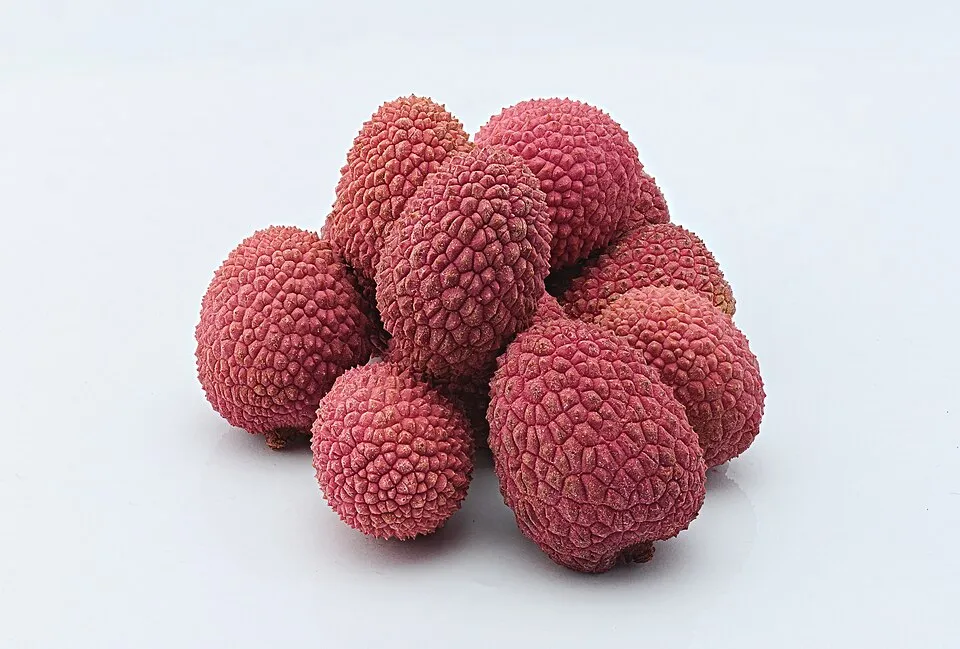
The Litchi Tree, botanically known as Litchi chinensis, is a magnificent tropical evergreen tree belonging to the Sapindaceae family. Indigenous to the warm, humid regions of southeastern China, specifically the Guangdong and Fujian provinces, it is a medium-sized arboreal species typically reaching heights of 15 to 20 meters. Its morphology is characterized by a dense, rounded canopy adorned with glossy, pinnately compound leaves that maintain their vibrant green hue year-round.
In spring, the tree produces numerous small, inconspicuous yet fragrant flowers, clustered in large, terminal panicles, which are critical for fruit development. These flowers give way to the tree's most celebrated feature: the litchi fruit. Each fruit is a drupe, roughly ovoid to heart-shaped, encased in a distinctive rough, leathery, reddish-pink pericarp that is easily peeled.
Beneath this skin lies a translucent, succulent white aril, offering a sweet and subtly tart flavor profile, enveloping a single, glossy dark brown seed. Cultivation of Litchi chinensis dates back millennia, deeply embedded in East Asian agriculture and culture, revered globally for its unique taste and aromatic qualities, making it a highly prized fruit in both culinary and traditional medicinal contexts. Its adaptability to subtropical climates has led to its spread and cultivation in various warm regions worldwide.
Trusted Scientific References
1. Authoritative external sources for Litchi chinensis
1.1 Wikipedia — Litchi chinensis
1.2 Kew POWO (Plants of the World Online)
1.3 PubMed — peer-reviewed research
1.4 NCBI Taxonomy Browser
1.5 GBIF — Global Biodiversity
1.6Litchi Tree should be interpreted through verified botanical identity, practical care, and responsible safety language. This recovery note adds the missing context needed for a complete profile: match light to the plant's habit, use well-drained soil, water according to season, and avoid unsupported medicinal or edible claims. For publishing, the plant can be presented as a source-backed garden plant with clear care guidance, common problem diagnosis, and conservative safety wording.
1.1.Litchi Tree — Defining Traits
- ✓Native to Southeast — Native to Southeast China, subtropical evergreen tree.
- ✓Produces small, fragrant — Produces small, fragrant flowers in panicles.
- ✓Prized for its sweet, translucent, white — fleshed fruit.
- ✓Fruit encased in rough, reddish — pink, easily peelable skin.
- ✓Excellent source of — Excellent source of Vitamin C and diverse polyphenols.
- ✓Possesses strong antioxidant and anti — inflammatory properties.
- ✓Traditional uses include — Traditional uses include treating coughs and gastric ulcers.
- ✓Requires warm, humid — Requires warm, humid climate with distinct chill hours.
- ✓Seeds contain saponins — Seeds contain saponins and other bioactive compounds.
- ✓Globally appreciated for — Globally appreciated for its unique flavor and health benefits.
1.2.Litchi Tree — At-a-Glance Summary
- ✓Litchi chinensis is a tropical evergreen tree native to China, prized for its sweet, aromatic fruit.
- ✓Rich in Vitamin C, polyphenols (quercetin, proanthocyanidins), and minerals, offering significant antioxidant and anti-inflammatory benefits.
- ✓Supports cardiovascular health, boosts immunity, aids digestion, and may have anti-cancer properties.
- ✓Unripe fruit contains toxins (hypoglycin A, MCPG) that can cause severe hypoglycemia, particularly in children.
- ✓Consume only ripe fruit in moderation and avoid on an empty stomach to ensure safety.
- ✓Cultivated globally in subtropical regions, requiring specific climate conditions for optimal growth.
2.Litchi Tree — Systematic Position
3.Litchi Tree — Quick Facts
4.Litchi Tree — Structural Profile
5.Litchi Tree — Geographic Distribution
6.Litchi Tree — Historical Applications
7.Litchi Tree — Secondary Metabolites
- ✓Polyphenols — Includes a diverse array of flavonoids such as quercetin, kaempferol, rutin, and epicatechin, along with proanthocyanidins and phenolic acids, contributing to potent antioxidant and anti-inflammatory activities.
- ✓Vitamin C (Ascorbic Acid) — A primary water-soluble vitamin, crucial for immune function, collagen synthesis, and acting as a powerful antioxidant.
- ✓B Vitamins — Contains thiamine (B1), riboflavin (B2), niacin (B3), and folate (B9), essential for energy metabolism, nerve function, and cellular growth.
- ✓Minerals — Rich in potassium, copper, phosphorus, and magnesium, vital for electrolyte balance, enzyme function, red blood cell formation, and bone health.
- ✓Natural Sugars — Predominantly glucose, fructose, and sucrose, providing readily available energy.
- ✓Organic Acids — Malic acid and citric acid contribute to the fruit's tartness and play roles in metabolic cycles.
- ✓Dietary Fiber — Both soluble and insoluble fiber are present, aiding in digestion and promoting gut health.
- ✓Fatty Acids — Small amounts of beneficial fatty acids are found, particularly in the seeds, which may include linoleic and oleic acids.
- ✓Saponins — Present in the seeds, these compounds have shown various biological activities, including anti-inflammatory effects.
- ✓Triterpenes — Found in different parts of the plant, these compounds contribute to the plant's defense mechanisms and potential medicinal properties.
- ✓Sterols — Plant sterols are present, which can contribute to cholesterol regulation.
- ✓Volatile Compounds — Responsible for the characteristic aroma of the litchi fruit, comprising various esters, aldehydes, and alcohols.
8.Litchi Tree — Research Insights
- ✓Antioxidant Powerhouse — Litchi fruit and extracts are rich in polyphenols, including flavonoids and proanthocyanidins, which combat oxidative stress and neutralize free radicals, protecting cellular integrity.
- ✓Cardiovascular Support — Proanthocyanidins and other phytonutrients in litchi contribute to improved blood circulation, reduced lipid peroxidation, and may help maintain healthy blood pressure levels, supporting heart health.
- ✓Anti-inflammatory Effects — Quercetin, kaempferol, and other compounds exhibit anti-inflammatory properties, potentially alleviating symptoms associated with inflammatory conditions.
- ✓Immune System Enhancement — High Vitamin C content boosts immune function by stimulating white blood cell production and acting as a potent antioxidant, fortifying the body's defenses.
- ✓Digestive Health Aid — Dietary fiber found in litchi promotes healthy bowel movements, prevents constipation, and supports a balanced gut microbiome.
- ✓Energy Booster — Natural sugars like glucose, fructose, and sucrose provide a quick and sustained energy source, making litchi a natural energizer.
- ✓Skin Health Promotion — Vitamin C is crucial for collagen synthesis, contributing to skin elasticity, reducing signs of aging, and aiding in wound healing.
- ✓Potential Anti-cancer Properties — Research suggests that proanthocyanidins in litchi may inhibit the proliferation of certain cancer cells and induce apoptosis, showing promising anti-tumor activity.
- ✓Bone Health Support — Contains minerals like phosphorus and magnesium which are important for maintaining bone density and strength.
- ✓Metabolic Regulation — Some studies indicate that litchi seed extracts may help regulate glucose and lipid metabolism, potentially beneficial for managing metabolic disorders.
- ✓Liver Protection — Certain compounds in litchi have shown hepatoprotective effects, helping to safeguard liver cells from damage.
8.1.Litchi Tree — Health Applications
9.Litchi Tree — Precautions & Warnings
9.1.Litchi Tree — Caution Notes
- ✓Allergic Reactions — May cause allergic symptoms like itching, hives, swelling, or respiratory distress in sensitive individuals.
- ✓Hypoglycemia — Unripe litchi contains toxins (hypoglycin A and MCPG) that can cause severe hypoglycemia, especially in malnourished children.
- ✓Gastrointestinal Upset — Excessive consumption may lead to indigestion, bloating, or diarrhea due to high fiber content or individual sensitivity.
- ✓Drug Interactions — Potential interactions with blood-thinning medications due to compounds affecting platelet aggregation.
- ✓'Litchi Fever' — A severe neurological illness, primarily affecting children, linked to consumption of unripe litchi on an empty stomach.
- ✓Heatiness according to TCM — In Traditional Chinese Medicine, litchi is considered 'heating,' and excessive consumption may lead to nosebleeds or sore throats.
- ✓Pesticide Residues — Non-organic litchi may carry pesticide residues; wash thoroughly before consumption.
9.2.Litchi Tree — Risk Assessment
- ✓Consume Ripe Fruit Only — Always ensure litchi fruit is fully ripe to avoid toxins present in unripe fruit, especially hypoglycin A and MCPG.
- ✓Avoid on Empty Stomach — Do not consume litchi, particularly unripe fruit, on an empty stomach, especially for children.
- ✓Moderation is Key — Enjoy litchi in moderate quantities as part of a balanced diet; excessive intake may lead to adverse effects.
- ✓Children and Vulnerable Populations — Exercise extreme caution with children, pregnant and breastfeeding women, and individuals with liver or kidney conditions.
- ✓Allergic History — Individuals with known allergies to other fruits in the Sapindaceae family (e.g., rambutan, longan) should exercise caution.
- ✓Medication Interactions — Consult a healthcare professional if taking medications, especially blood thinners or diabetes drugs, due to potential interactions.
- ✓Source and Quality — Purchase litchi from reputable sources to minimize exposure to pesticides or contaminants.
10.Litchi Tree — How to Use
- ✓Fresh Fruit Consumption — Peel the rough skin and eat the translucent aril fresh; it's the most common and direct way to enjoy litchi's benefits.
- ✓Juices and Smoothies — Blend the peeled fruit into refreshing juices or smoothies for a nutritious beverage.
- ✓Desserts and Culinary Dishes — Incorporate litchi into fruit salads, ice creams, yogurts, pastries, and savory dishes for a unique sweet-tart flavor.
- ✓Herbal Teas — Dried litchi pericarp (skin) can be steeped to make a herbal tea, traditionally used for its soothing properties.
- ✓Extracts and Supplements — Concentrated extracts from fruit, seeds, or pericarp are available in supplement form, often standardized for polyphenols, for targeted health benefits.
- ✓Jams and Preserves — Cook peeled litchi with sugar to create delicious jams, jellies, or preserves.
- ✓Wine and Vinegar — Fermented litchi fruit can be used to produce litchi wine or vinegar, offering distinct flavor profiles.
- ✓Traditional Decoctions — In traditional medicine, various parts of the tree, including the bark and roots, are sometimes decocted for specific ailments.
11.Litchi Tree — Propagation & Care
- ✓Climate — Thrives in subtropical climates with warm, humid conditions and requires a minimum of 100 chill hours (0-7°C) for optimal flowering and fruiting.
- ✓Soil — Prefers well-drained, slightly acidic soil (pH 5.0-6.5); amending with organic matter like pine bark or needles is beneficial.
- ✓Light — Requires full sun exposure for best fruit production, though young plants need acclimation to direct sunlight.
- ✓Watering — Needs consistent, ample watering, especially during dry periods; young trees require frequent watering, while mature trees need weekly watering.
- ✓Fertilization — Feed with a balanced, weak liquid fertilizer during growing seasons (spring/summer) or use well-rotted compost around the drip line.
- ✓Pruning — Prune immediately after harvest to encourage new growth and subsequent fruiting; aggressive pruning can maintain a smaller, more manageable size.
- ✓Propagation — Primarily propagated commercially via air-layering for consistent fruit quality; growing from seed is possible but takes longer to fruit and may not be true to type.
- ✓Pest & Disease Management — Monitor for common pests like scale insects and mites, and fungal diseases; ensure good air circulation and proper sanitation.
Reviewed by the Flora Medical Global Botanical Review Panel
Multi-disciplinary editorial group · Botany · Ethnobotany · Herbal-medicine literature
Who reviewed this: This page was checked by the Flora Medical Global Botanical Review Panel — an in-house editorial group of botany graduates, ethnobotany researchers, and horticulture practitioners who collectively maintain our 7,000+ plant encyclopedia. Meet the team.
Our 4-step verification process
1. Taxonomic verification
Scientific names and synonyms cross-checked against Kew POWO, World Flora Online, and The Plant List.
2. Phytochemical & medicinal cross-reference
Active compounds, traditional uses, and reported activities are cross-referenced with PubMed, USDA Dr. Duke's database, and peer-reviewed ethnobotanical literature.
3. Conservation & distribution check
Distribution, ecology, and conservation status confirmed against GBIF occurrence records and the IUCN Red List.
4. Editorial & safety review
Every entry passes an editorial pass for clarity, originality, and safety notices (toxicity, contraindications, dosage caveats) before publication.
Last reviewed:
Important medical disclaimer: This content is for educational and research purposes only. It is not medical advice and is not a substitute for consultation with a licensed healthcare provider. Do not use any herb to self-treat a medical condition without professional guidance.
Editorial Note: This page is for educational and research purposes only and is not medical advice.
Written by: Flora Medical Global Editorial Team
Reviewed by: Flora Medical Global Botanical Review Panel
Last Updated: June 15, 2026





Litchi Tree — Comments & Community Reviews
Rate this plant