

Medical Disclaimer: This content is for educational purposes only. It is not medical advice. Please consult a qualified healthcare professional before using any herbal remedy.
Safety Overview
1.Lobelia Erinus — At a Glance
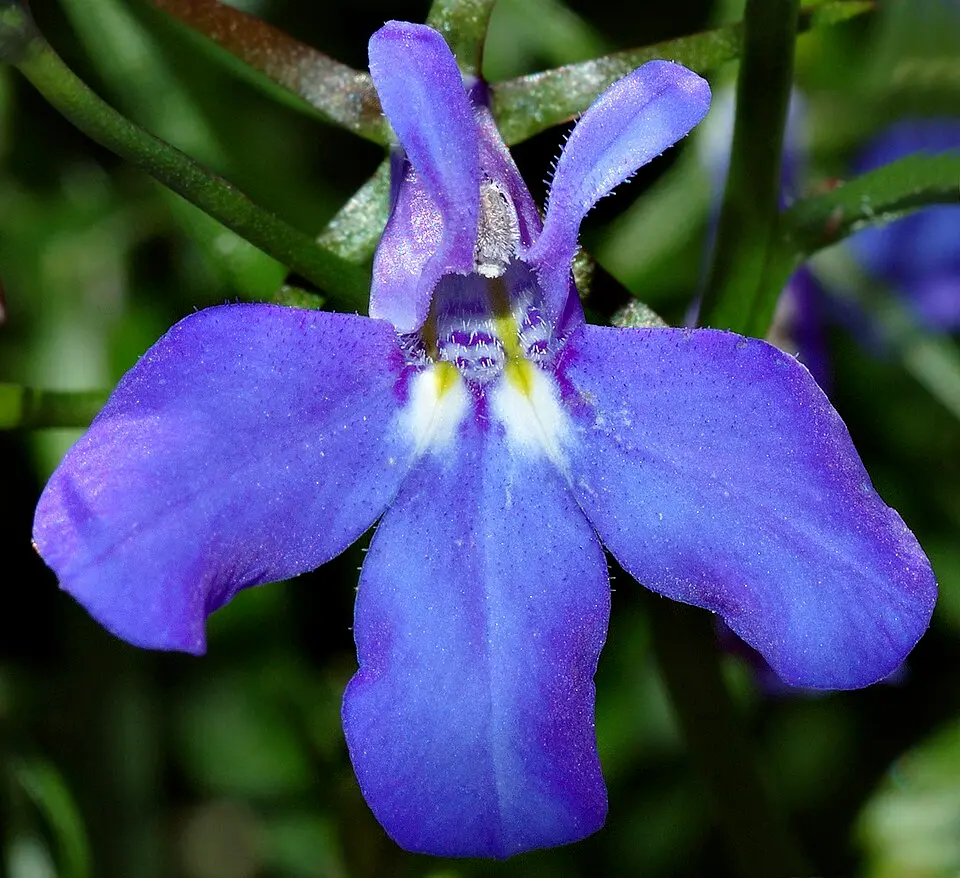
Lobelia erinus, commonly known as Edging Lobelia or Garden Lobelia, is a captivating annual plant, though it can persist as a tender perennial in USDA Zones 9-11. Indigenous to Southern Africa, particularly the Cape of Good Hope region, this species is celebrated for its prolific display of small, delicate flowers that form a vibrant carpet of color. It typically exhibits a low-mounding or trailing growth habit, making it an exceptional choice for various ornamental applications such as borders, rock gardens, containers, hanging baskets, and as an attractive groundcover.
The charming flowers, which bloom from late spring through autumn, present in a diverse palette of blues, purples, whites, and occasionally pinks, frequently adorned with a contrasting white or yellow eye. Its foliage consists of small, ovate, bright to medium green leaves, providing a soft, verdant backdrop to the abundant blossoms. Despite its seemingly fragile appearance, Lobelia erinus is relatively straightforward to cultivate and maintain, offering continuous color throughout the growing season with appropriate care.
It generally thrives in cooler temperatures and may struggle under extreme heat, but with adequate moisture and some protection from intense afternoon sun, it can flourish.
Trusted Scientific References
1. Authoritative external sources for Lobelia erinus
1.1 Wikipedia — Lobelia erinus
1.2 Kew POWO (Plants of the World Online)
1.3 PubMed — peer-reviewed research
1.4 NCBI Taxonomy Browser
1.5 GBIF — Global Biodiversity
1.6Lobelia Erinus should be interpreted through verified botanical identity, practical care, and responsible safety language. This recovery note adds the missing context needed for a complete profile: match light to the plant's habit, use well-drained soil, water according to season, and avoid unsupported medicinal or edible claims. For publishing, the plant can be presented as a source-backed garden plant with clear care guidance, common problem diagnosis, and conservative safety wording.
1.1.Lobelia Erinus — Highlights
- ✓Botanical Name — Lobelia erinus, commonly Edging Lobelia.
- ✓Family — Campanulaceae (Bellflower Family).
- ✓Growth Habit — Low-mounding or trailing, typically 6-12 inches tall.
- ✓Flower Color — Shades of blue, purple, white, pink, often with a contrasting eye.
- ✓Bloom Period — Late spring through fall, providing extended color.
- ✓Native Range — Southern Africa, particularly the Cape of Good Hope.
- ✓Toxicity — Contains toxic piperidine alkaloids, not for consumption.
- ✓Horticultural Use — Popular for borders, containers, and hanging baskets.
- ✓Pollinator Attraction — Flowers attract hummingbirds and various insects.
- ✓Environmental Preference — Thrives in full sun to partial shade with rich, well-draining soil.
1.2.Lobelia Erinus — In Brief
- ✓Ornamental Annual — Valued for vibrant, continuous blooms.
- ✓Toxic Plant — Contains alkaloids, not for medicinal use.
- ✓Garden Versatility — Ideal for borders, containers, hanging baskets.
- ✓Pollinator Friendly — Attracts bees and hummingbirds.
- ✓Easy to Grow — Prefers sun to partial shade, moist soil.
- ✓African Native — Originates from Southern Africa's Cape region.
2.Lobelia Erinus — Botanical Identity
3.Lobelia Erinus — Key Data
4.Lobelia Erinus — Botanical Features
5.Lobelia Erinus — Native Range & Habitat
6.Lobelia Erinus — Heritage Uses
7.Lobelia Erinus — Phytochemistry
- ✓Piperidine Alkaloids — Contains lobeline, lobelamine, and isolobeline, though at significantly lower concentrations than medicinal species like Lobelia inflata. These are neurotoxic in high doses.
- ✓Flavonoids — Presence of various flavonoid glycosides contributes to flower pigmentation and offers antioxidant properties in other plants, though not medicinally utilized in L. erinus.
- ✓Anthocyanins — Responsible for the vibrant blue and purple hues of its flowers, acting as natural pigments.
- ✓Organic Acids — Contains various organic acids typical of plant metabolism, contributing to cellular processes.
- ✓Sugars — Simple and complex carbohydrates are present, vital for plant energy and structural integrity.
- ✓Volatile Compounds — Minor amounts of volatile organic compounds contribute to subtle floral scents, primarily for pollinator attraction.
- ✓Triterpenes — Expected to be present in trace amounts, common plant secondary metabolites with diverse biological roles.
- ✓Phenolic Compounds — General phenolic compounds are present, which often have antioxidant and protective roles within the plant itself.
- ✓Saponins — Low concentrations may be present, common plant glycosides that can have detergent-like properties.
8.Lobelia Erinus — Evidence-Based Benefits
- ✓Ornamental Value — Primarily cultivated for its aesthetic appeal, Lobelia erinus enhances garden beauty and visual well-being.
- ✓Attracts Pollinators — Its nectar-rich flowers serve as a food source, attracting hummingbirds, bees, and other beneficial insect pollinators to gardens.
- ✓Landscaping — Used extensively in horticulture for groundcover, edging, container planting, and hanging baskets, providing continuous color.
- ✓Biodiversity Support — Contributes to local ecosystem health by supporting insect populations, which in turn can benefit other garden plants.
- ✓Air Quality Improvement — Like all plants, it contributes to local air purification through photosynthesis, converting carbon dioxide into oxygen.
- ✓Soil Erosion Control — Its spreading and mounding habit can help stabilize soil in sloped areas, preventing erosion.
- ✓Aesthetic Therapy — Gardening and observing its vibrant blooms can offer therapeutic benefits, reducing stress and improving mood.
- ✓Design Versatility — Its varied growth habits and flower colors allow for diverse garden design applications, from formal borders to informal cottage gardens.
- ✓Companion Planting — Can be strategically planted to create visually appealing combinations with other flora, enhancing overall garden health and beauty.
- ✓Low Maintenance — Relatively easy to grow and maintain, requiring minimal specialized care once established, making it accessible for many gardeners.
8.1.Lobelia Erinus — Reported Uses
9.Lobelia Erinus — Safety Considerations
9.1.Lobelia Erinus — Possible Adverse Reactions
- ✓Toxicity upon Ingestion — Contains piperidine alkaloids (lobeline), which are toxic if ingested by humans or animals.
- ✓Gastrointestinal Distress — Ingestion can lead to symptoms such as nausea, vomiting, diarrhea, and abdominal pain.
- ✓Neurological Symptoms — Higher doses may cause dizziness, tremors, and in severe cases, central nervous system depression.
- ✓Cardiovascular Effects — Can induce changes in heart rate and blood pressure, particularly with significant exposure.
- ✓Respiratory Issues — Large quantities can depress respiratory function, similar to other Lobelia species.
- ✓Skin Irritation — Direct contact with plant sap may cause mild skin irritation in sensitive individuals.
- ✓Allergic Reactions — Rare but possible allergic responses in susceptible individuals, such as dermatitis.
9.2.Lobelia Erinus — Safety Profile
- ✓Not for Internal Use — Lobelia erinus is considered toxic and should never be ingested by humans or animals.
- ✓Keep Out of Reach of Children and Pets — Ensure plants are inaccessible to prevent accidental poisoning.
- ✓Handle with Gloves — Wear gloves when handling to minimize potential skin irritation from plant sap.
- ✓Wash Hands After Handling — Always wash hands thoroughly after gardening activities involving Lobelia erinus.
- ✓Ornamental Use Only — Strictly intended for decorative purposes in gardens and landscapes.
- ✓Educate Others — Inform family members and garden visitors about the plant's toxic nature.
- ✓Seek Medical Attention — In case of accidental ingestion, immediately contact a poison control center or seek emergency medical care.
10.Lobelia Erinus — Preparation Methods
- ✓Ornamental Planting — Primarily used for aesthetic enhancement in gardens, borders, and rockeries.
- ✓Container Gardening — Excellent for planting in pots, window boxes, and mixed containers due to its compact and trailing habit.
- ✓Hanging Baskets — Ideal for cascading over the edges of hanging baskets, creating a vibrant, flowing display.
- ✓Edging Plant — Utilized to define pathways, garden beds, or as a foreground plant due to its low-growing nature.
- ✓Groundcover — Can be mass-planted to create a dense carpet of color, especially in smaller areas or under taller plants.
- ✓Companion Planting — Integrated into garden designs with other annuals and perennials that share similar light and water requirements.
- ✓Pollinator Attraction — Planted to attract beneficial insects and hummingbirds to the garden.
- ✓Seasonal Decoration — Used to provide continuous color from late spring through fall in various landscape settings.
11.Lobelia Erinus — Cultivation & Care
- ✓Seed Sowing — Sow Lobelia erinus seeds indoors 8-12 weeks before the last expected frost, as they require a head start.
- ✓Light for Germination — Seeds are minute and require light to germinate; sow them directly on the surface of moistened potting mix without covering.
- ✓Temperature Control — Maintain a consistent soil temperature between 65-75°F (18-24°C) for optimal germination rates.
- ✓Transplanting — Once the danger of frost has completely passed, transplant seedlings outdoors into a location with full sun to partial shade.
- ✓Soil Requirements — Prefers rich, well-draining soil with a slightly acidic pH (6.0-7.0); amend with compost for best results.
- ✓Watering — Keep the soil consistently moist but never waterlogged to prevent root rot; water regularly during dry periods.
- ✓Fertilization — Apply a slow-release granular fertilizer at planting and supplement with a balanced liquid feed every 4-6 weeks for continuous blooms.
- ✓Pruning — Lightly shear leggy plants by up to one-third to encourage new branching and a fresh flush of flowers.
Reviewed by the Flora Medical Global Botanical Review Panel
Multi-disciplinary editorial group · Botany · Ethnobotany · Herbal-medicine literature
Who reviewed this: This page was checked by the Flora Medical Global Botanical Review Panel — an in-house editorial group of botany graduates, ethnobotany researchers, and horticulture practitioners who collectively maintain our 7,000+ plant encyclopedia. Meet the team.
Our 4-step verification process
1. Taxonomic verification
Scientific names and synonyms cross-checked against Kew POWO, World Flora Online, and The Plant List.
2. Phytochemical & medicinal cross-reference
Active compounds, traditional uses, and reported activities are cross-referenced with PubMed, USDA Dr. Duke's database, and peer-reviewed ethnobotanical literature.
3. Conservation & distribution check
Distribution, ecology, and conservation status confirmed against GBIF occurrence records and the IUCN Red List.
4. Editorial & safety review
Every entry passes an editorial pass for clarity, originality, and safety notices (toxicity, contraindications, dosage caveats) before publication.
Last reviewed:
Important medical disclaimer: This content is for educational and research purposes only. It is not medical advice and is not a substitute for consultation with a licensed healthcare provider. Do not use any herb to self-treat a medical condition without professional guidance.
Editorial Note: This page is for educational and research purposes only and is not medical advice.
Written by: Flora Medical Global Editorial Team
Reviewed by: Flora Medical Global Botanical Review Panel
Last Updated: June 15, 2026





Lobelia Erinus — Comments & Community Reviews
Rate this plant