


Medical Disclaimer: This content is for educational purposes only. It is not medical advice. Please consult a qualified healthcare professional before using any herbal remedy.
Safety Overview
1.Longan — Botanical Snapshot
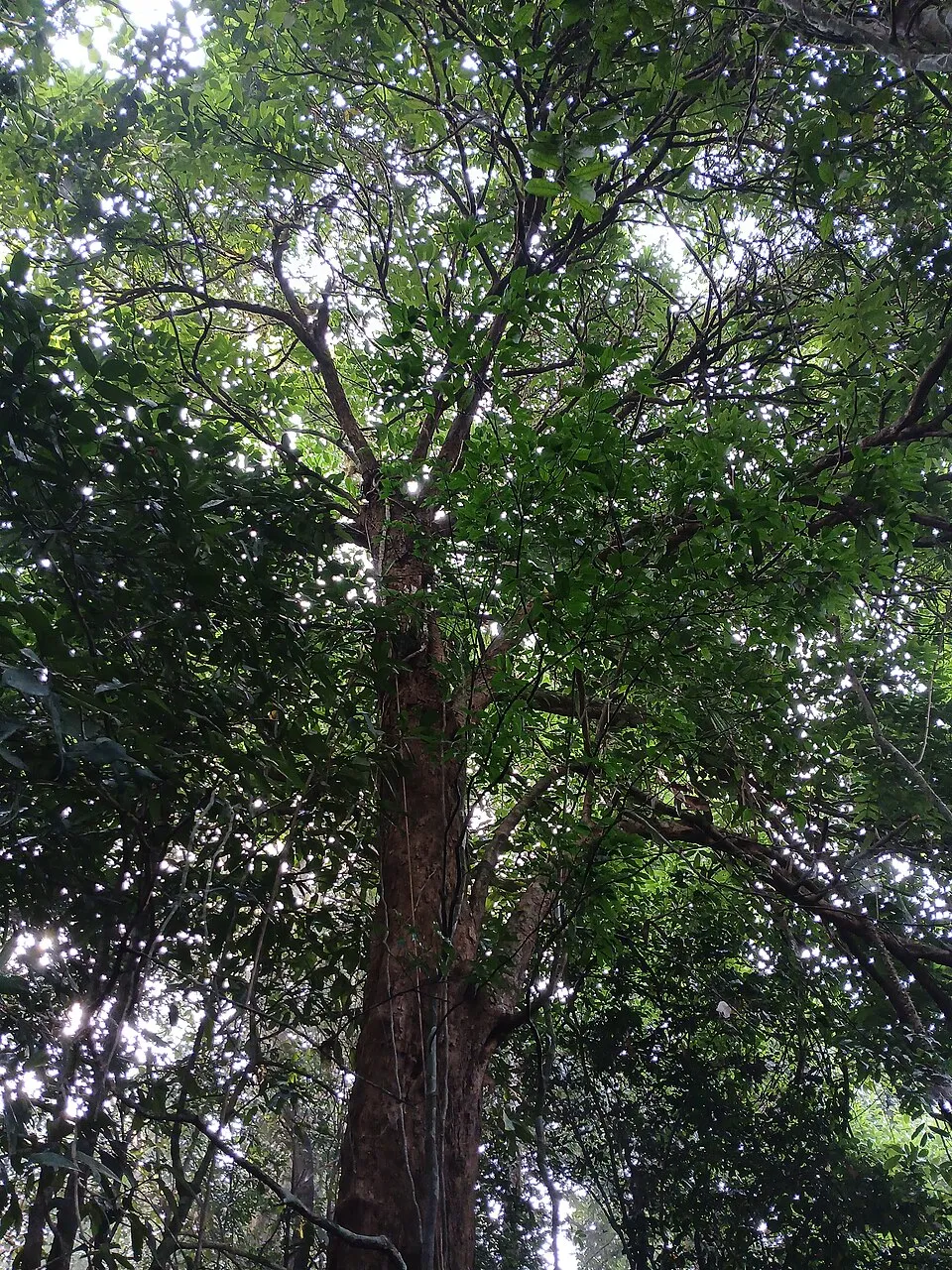
Dimocarpus longan, commonly known as Longan or 'dragon's eye', is a medium-sized evergreen tree indigenous to Southeast Asia, with its origins tracing back to China and India. It is a prominent member of the Sapindaceae family, which also includes other well-known tropical fruits like lychee and rambutan. Mature Longan trees can reach impressive heights of up to 20 meters, characterized by a robust trunk, dense evergreen foliage, and a broad, spreading canopy that provides ample shade. The leaves are alternate, pinnately compound, with 4-8 leathery, oblong-elliptical leaflets.
Flowering occurs in terminal or axillary panicles, producing small, yellowish-white, fragrant flowers that attract pollinators. The fruit is the primary economic and medicinal part, a spherical drupe typically 2-3 cm in diameter. Its thin, brittle pericarp (skin) is a dull yellowish-brown, easily peeled to reveal a translucent, whitish, succulent aril (flesh). Encased within this juicy aril is a single, hard, glossy black seed, giving the fruit its characteristic 'dragon's eye' appearance.
The flavor profile is sweet and subtly musky, less aromatic than lychee. Longan thrives in tropical and subtropical climates, preferring well-drained, fertile soils and requiring distinct wet and dry seasons for optimal fruit production. Its cultivation is widespread across its native range and beyond, valued for both its delicious fruit and its traditional medicinal applications.
Trusted Scientific References
1. Authoritative external sources for Dimocarpus longan
1.1 Wikipedia — Dimocarpus longan
1.2 Kew POWO (Plants of the World Online)
1.3 PubMed — peer-reviewed research
1.4 NCBI Taxonomy Browser
1.5 GBIF — Global Biodiversity
1.6Longan should be interpreted through verified botanical identity, practical care, and responsible safety language. This recovery note adds the missing context needed for a complete profile: match light to the plant's habit, use well-drained soil, water according to season, and avoid unsupported medicinal or edible claims. For publishing, the plant can be presented as a source-backed garden plant with clear care guidance, common problem diagnosis, and conservative safety wording.
1.1.Longan — Notable Characteristics
- ✓Common Name — Longan, Dragon's Eye
- ✓Scientific Name — Dimocarpus longan
- ✓Family — Sapindaceae (Soapberry family)
- ✓Native Region — Southeast Asia (China, India)
- ✓Edible Part — Translucent, whitish aril (flesh)
- ✓Flavor Profile — Sweet, subtly musky, juicy
- ✓Key Nutrients — Vitamin C, Potassium, Iron, Polyphenols
- ✓Traditional Uses — Anxiety, insomnia, fatigue, immune support
- ✓Growth Habit — Evergreen tree, up to 20 meters tall
- ✓Related Fruits — Lychee, Rambutan
1.2.Longan — Concise Overview
- ✓Tropical fruit with sweet, juicy flesh and a 'dragon's eye' appearance.
- ✓Rich in Vitamin C, potassium, iron, and polyphenols.
- ✓Traditionally used for anxiety, insomnia, fatigue, and immune support.
- ✓Offers antioxidant, anti-inflammatory, and cognitive benefits.
- ✓Best consumed fresh, dried, or in teas; seeds are inedible.
- ✓Generally safe, but moderation is advised, especially for diabetics.
2.Longan — Botanical Identity
3.Longan — Vital Statistics
4.Longan — Physical Description
5.Longan — Origin & Spread
6.Longan — Traditional Uses
7.Longan — Phytochemistry
- ✓Vitamins — Rich in Vitamin C (ascorbic acid), vital for immune function and antioxidant defense; also contains B vitamins.
- ✓Minerals — Significant source of potassium for electrolyte balance and blood pressure; iron for oxygen transport; magnesium and phosphorus for bone health.
- ✓Polyphenols — Includes gallic acid, ellagic acid, and corilagin, known for potent antioxidant, anti-inflammatory, and potential anti-cancer activities.
- ✓Flavonoids — Various flavonoid glycosides contribute to antioxidant capacity and may offer cardioprotective benefits.
- ✓Saponins — Specific types of triterpenoid saponins are present, which may have adaptogenic and immunomodulatory properties.
- ✓Sugars — Predominantly glucose, fructose, and sucrose, providing readily available energy.
- ✓Amino Acids — Contains several essential and non-essential amino acids crucial for protein synthesis and metabolic functions.
- ✓Dietary Fiber — Both soluble and insoluble fibers contribute to digestive health and blood sugar regulation.
- ✓Organic Acids — Malic acid and tartaric acid contribute to the fruit's flavor profile and may have metabolic benefits.
- ✓Volatile Compounds — Contribute to the subtle aroma and flavor of the fruit, though less prominent than in lychee.
- ✓Sterols — Plant sterols are present, which may have cholesterol-lowering effects.
- ✓Carotenoids — Trace amounts contribute to antioxidant activity and overall nutritional value.
8.Longan — Evidence-Based Benefits
- ✓Antioxidant Support — Rich in Vitamin C and polyphenols, Longan helps neutralize free radicals, protecting cells from oxidative damage and reducing the risk of chronic diseases.
- ✓Immune System Boost — High Vitamin C content strengthens the immune response, aiding in the prevention and recovery from common infections.
- ✓Anemia Prevention — Contains iron, which is crucial for hemoglobin synthesis and preventing iron-deficiency anemia, improving oxygen transport in the blood.
- ✓Cardiovascular Health — Potassium helps regulate blood pressure and maintain electrolyte balance, contributing to overall heart health and reducing stroke risk.
- ✓Digestive Aid — Dietary fiber promotes healthy bowel movements, prevents constipation, and supports a balanced gut microbiome.
- ✓Cognitive Enhancement — Traditional use suggests Longan can improve memory and cognitive function, potentially due to its neuroprotective compounds.
- ✓Stress and Anxiety Reduction — In TCM, dried Longan is used to calm the 'shen' (mind/spirit), alleviating anxiety, insomnia, and promoting relaxation.
- ✓Energy Booster — Its natural sugars (glucose, fructose) provide a quick and sustained energy source, combating fatigue and enhancing vitality.
- ✓Anti-inflammatory Properties — Polyphenolic compounds like gallic and ellagic acids exhibit anti-inflammatory effects, potentially benefiting conditions characterized by inflammation.
- ✓Skin Health — Antioxidants contribute to healthier skin by combating signs of aging and promoting cellular regeneration.
- ✓Bone Health — Contains minerals like phosphorus and magnesium which are essential for maintaining strong bones and preventing osteoporosis.
- ✓Potential Anti-Cancer Effects — Preliminary research indicates certain compounds in Longan may possess anti-proliferative activities against various cancer cell lines.
8.1.Longan — Health Applications
9.Longan — Safety & Side Effects
9.1.Longan — Caution Notes
- ✓Allergic Reactions — Rare, but some individuals may experience itching, swelling, or hives upon consumption.
- ✓Digestive Upset — Excessive consumption, especially of fresh fruit, can lead to bloating or stomach discomfort due to fiber content.
- ✓Blood Sugar Impact — High sugar content can affect blood glucose levels, especially for individuals with diabetes.
- ✓Interaction with Medications — Potential interactions with blood-thinning medications due to certain compounds, though not well-documented.
- ✓'Heatiness' — In TCM, excessive consumption is sometimes associated with 'heatiness' leading to symptoms like sore throat or acne.
- ✓Pesticide Residues — Non-organically grown fruits may carry pesticide residues; always wash thoroughly.
9.2.Longan — Safety Profile
- ✓General Consumption — Generally considered safe for most healthy individuals when consumed in moderation as a food.
- ✓Pregnancy & Lactation — Consult a healthcare professional before using medicinal quantities; moderate food consumption is typically fine.
- ✓Diabetes — Individuals with diabetes should monitor blood sugar due to the fruit's sugar content.
- ✓Allergies — Those with known allergies to other Sapindaceae family fruits (e.g., lychee) should exercise caution.
- ✓Quality Sourcing — Ensure dried Longan is sourced from reputable suppliers to avoid contamination or adulteration.
- ✓Moderation is Key — As with any food or herbal remedy, consume in appropriate amounts to avoid potential side effects.
- ✓Seed Toxicity — The seed is not edible and should not be consumed.
10.Longan — Usage Guide
- ✓Fresh Consumption — Enjoyed raw, peeled, and deseeded as a refreshing snack or dessert.
- ✓Dried Longan — The dried aril (pulpa) is a popular ingredient in Asian cuisine, teas, and traditional medicine.
- ✓Teas and Infusions — Dried Longan can be steeped in hot water to make a soothing, subtly sweet tea.
- ✓Desserts — Incorporated into sweet soups, puddings, jellies, and other dessert preparations.
- ✓Canned Longan — Preserved in syrup, often used in fruit salads or as an ingredient in beverages.
- ✓Medicinal Decoctions — Used in Traditional Chinese Medicine formulas, often simmered with other herbs.
- ✓Juices and Smoothies — Fresh or canned Longan can be blended into refreshing drinks.
- ✓Culinary Ingredient — Used in savory dishes in some cuisines, particularly in soups or stews for a touch of sweetness.
11.Longan — How to Grow
- ✓Climate — Thrives in tropical and subtropical regions with distinct wet and dry seasons, intolerant of frost.
- ✓Soil — Prefers well-drained, fertile loamy soils with a pH range of 5.5 to 6.5.
- ✓Sunlight — Requires full sun exposure for optimal growth and fruit production, at least 6-8 hours daily.
- ✓Watering — Needs consistent moisture, especially during flowering and fruiting; avoid waterlogging.
- ✓Propagation — Primarily propagated by air layering (marcotting) for genetic consistency and earlier fruiting.
- ✓Fertilization — Benefits from balanced fertilizers applied during growing seasons, with increased potassium during fruiting.
- ✓Pruning — Regular pruning helps maintain tree shape, improve air circulation, and encourage fruit set.
- ✓Pests & Diseases — Susceptible to fruit flies, aphids, and certain fungal diseases, requiring integrated pest management.
Reviewed by the Flora Medical Global Botanical Review Panel
Multi-disciplinary editorial group · Botany · Ethnobotany · Herbal-medicine literature
Who reviewed this: This page was checked by the Flora Medical Global Botanical Review Panel — an in-house editorial group of botany graduates, ethnobotany researchers, and horticulture practitioners who collectively maintain our 7,000+ plant encyclopedia. Meet the team.
Our 4-step verification process
1. Taxonomic verification
Scientific names and synonyms cross-checked against Kew POWO, World Flora Online, and The Plant List.
2. Phytochemical & medicinal cross-reference
Active compounds, traditional uses, and reported activities are cross-referenced with PubMed, USDA Dr. Duke's database, and peer-reviewed ethnobotanical literature.
3. Conservation & distribution check
Distribution, ecology, and conservation status confirmed against GBIF occurrence records and the IUCN Red List.
4. Editorial & safety review
Every entry passes an editorial pass for clarity, originality, and safety notices (toxicity, contraindications, dosage caveats) before publication.
Last reviewed:
Important medical disclaimer: This content is for educational and research purposes only. It is not medical advice and is not a substitute for consultation with a licensed healthcare provider. Do not use any herb to self-treat a medical condition without professional guidance.
Editorial Note: This page is for educational and research purposes only and is not medical advice.
Written by: Flora Medical Global Editorial Team
Reviewed by: Flora Medical Global Botanical Review Panel
Last Updated: June 15, 2026





Longan — Comments & Community Reviews
Rate this plant