
Medical Disclaimer: This content is for educational purposes only. It is not medical advice. Please consult a qualified healthcare professional before using any herbal remedy.
Safety Overview
1.Lupinus Polyphyllus — Essential Profile
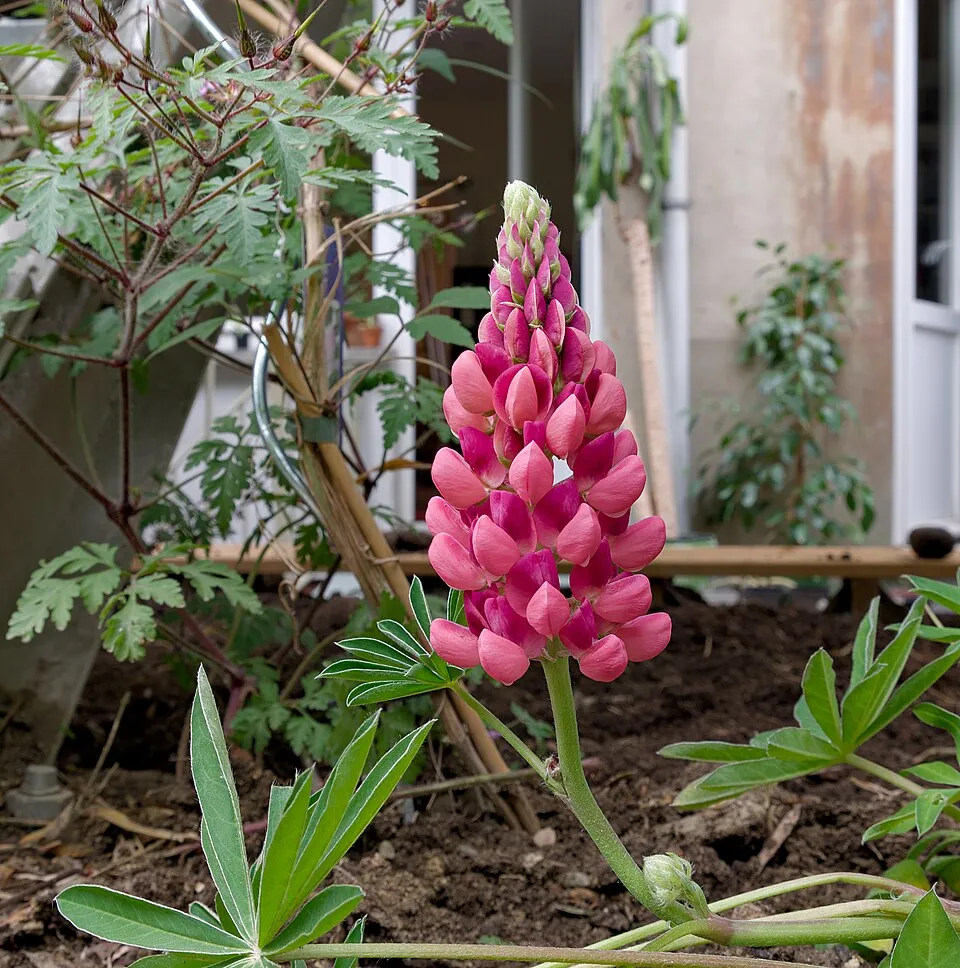
Lupinus polyphyllus, commonly known as the Garden Lupine or Large-leaved Lupine, is a robust herbaceous perennial belonging to the Fabaceae family. Native to western North America, particularly along the Pacific coast from Alaska to California, it has since naturalized across many temperate regions globally, including Europe and Australia. This striking plant is characterized by its tall, erect flower spikes, which can ascend up to 1.5 meters (5 feet) in height, showcasing dense racemes of pea-like florets in a vibrant spectrum of colors, including blue, purple, pink, red, and white. Its distinctive foliage consists of palmate leaves, typically comprising 7 to 17 obovate to lanceolate leaflets radiating from a central petiole, giving them a hand-like appearance.
The leaves are often glaucous beneath and can be quite substantial, contributing to the plant's overall bushy habit. L. polyphyllus thrives in full sun to partial shade and prefers well-drained, slightly acidic to neutral soils. As a legume, it possesses nitrogen-fixing capabilities through symbiotic relationships with root-nodule bacteria, thereby enriching soil fertility.
Despite its significant ornamental value and ecological role in supporting pollinators like bees and butterflies, all parts of Lupinus polyphyllus, especially the seeds, contain quinolizidine alkaloids, rendering them toxic if ingested. Its ability to self-seed and adapt to various conditions has made it a popular choice for ornamental gardens, but also a potential invasive species in some non-native environments.
Trusted Scientific References
1. Authoritative external sources for Lupinus Polyphyllus
1.1 Wikipedia — Lupinus Polyphyllus
1.2 Kew POWO (Plants of the World Online)
1.3 PubMed — peer-reviewed research
1.4 NCBI Taxonomy Browser
1.5 GBIF — Global Biodiversity
1.6Lupinus Polyphyllus should be interpreted through verified botanical identity, practical care, and responsible safety language. This recovery note adds the missing context needed for a complete profile: match light to the plant's habit, use well-drained soil, water according to season, and avoid unsupported medicinal or edible claims. For publishing, the plant can be presented as a source-backed garden plant with clear care guidance, common problem diagnosis, and conservative safety wording.
1.1.Lupinus Polyphyllus — Highlights
- ✓Botanical Name — Lupinus polyphyllus
- ✓Common Names — Garden Lupine, Large-leaved Lupine
- ✓Family — Fabaceae (Leguminosae)
- ✓Life Cycle — Perennial, often short-lived (2-5 years)
- ✓Height — Up to 1.5 meters (5 feet)
- ✓Flowers — Pea-like, in dense racemes; blue, purple, pink, red, white
- ✓Foliage — Palmate, 7-17 leaflets, glaucous underside
- ✓Soil — Well-drained, slightly acidic to neutral
- ✓Sun Exposure — Full sun to partial shade
- ✓Toxicity — All parts poisonous, particularly seeds
1.2.Lupinus Polyphyllus — At-a-Glance Summary
- ✓Striking perennial with vibrant flower spires.
- ✓Native to western North America, naturalized globally.
- ✓Nitrogen-fixing legume, improves soil health.
- ✓All parts, especially seeds, are poisonous due to alkaloids.
- ✓Excellent for ornamental gardens and pollinator attraction.
- ✓Requires full sun and well-drained, slightly acidic soil.
2.Lupinus Polyphyllus — Nomenclature & Classification
3.Lupinus Polyphyllus — Fact Sheet
4.Lupinus Polyphyllus — Botanical Description
5.Lupinus Polyphyllus — Ecological Habitat
6.Lupinus Polyphyllus — Folk Medicine Applications
7.Lupinus Polyphyllus — Key Phytochemicals
- ✓Quinolizidine Alkaloids — Sparteine, lupanine, multiflorine, and anagyrine are present, primarily responsible for the plant's toxicity, affecting the nervous and cardiovascular systems.
- ✓Flavonoids — Compounds like quercetin and kaempferol are found, known for their antioxidant and anti-inflammatory properties.
- ✓Isoflavones — Genistein and daidzein may be present, often associated with phytoestrogenic activity.
- ✓Saponins — Contribute to foaming properties and may have some triterpenoid-like activities.
- ✓Proteins — Seeds are rich in protein, although not typically consumed from this species due to high alkaloid content.
- ✓Fatty Acids — Contains various unsaturated and saturated fatty acids in its seeds.
- ✓Polysaccharides — Structural carbohydrates that contribute to plant biomass.
- ✓Phenolic Acids — Chlorogenic acid and other derivatives, contributing to antioxidant capacity.
- ✓Minerals — Accumulates essential minerals from the soil, such as nitrogen, phosphorus, and potassium.
8.Lupinus Polyphyllus — Pharmacological Findings
- ✓Soil Enrichment — Nitrogen-fixing properties enhance soil fertility, benefiting companion plants and ecosystem health.
- ✓Pollinator Attractor — Its vibrant flowers draw bees and butterflies, supporting biodiversity and agricultural pollination.
- ✓Ornamental Value — Widely used in landscaping for its dramatic floral displays, enhancing aesthetic appeal in gardens.
- ✓Erosion Control — Extensive root systems can help stabilize soil and prevent erosion on slopes.
- ✓Biomass Production — Produces significant organic matter, contributing to soil structure and carbon sequestration.
- ✓Livestock Feed Potential (after detoxification) — Some lupine species are cultivated for their protein-rich seeds, though L. polyphyllus requires careful processing due to toxicity.
- ✓Green Manure — Can be tilled into the soil to improve its organic content and nutrient profile.
- ✓Habitat Provision — Offers cover and food sources for various wildlife, particularly insects and small animals.
8.1.Lupinus Polyphyllus — Indications & Uses
9.Lupinus Polyphyllus — Safety Considerations
9.1.Lupinus Polyphyllus — Reported Side Effects
- ✓Toxicity Risk — All parts, especially seeds, are toxic due to quinolizidine alkaloids, causing gastrointestinal and neurological symptoms if ingested.
- ✓Nausea and Vomiting — Common symptoms of alkaloid poisoning.
- ✓Dizziness and Tremors — Neurological effects resulting from alkaloid ingestion.
- ✓Respiratory Depression — Severe cases of poisoning can lead to breathing difficulties.
- ✓Cardiac Irregularities — Alkaloids like sparteine can affect heart rhythm and function.
- ✓Liver Damage — Chronic or high-dose exposure to alkaloids may lead to liver toxicity.
- ✓Allergic Reactions — Contact dermatitis or respiratory allergies are possible in sensitive individuals.
9.2.Lupinus Polyphyllus — Safety Overview
- ✓Do Not Ingest — Emphasize that all parts of Lupinus polyphyllus are poisonous; keep away from children and pets.
- ✓Handle with Care — Wear gloves when handling plants, especially if sensitive, to avoid potential skin irritation.
- ✓Educate — Inform gardeners and landowners about the plant's toxicity, particularly if children or grazing animals are present.
- ✓Avoid Livestock Access — Prevent animals from grazing on lupine to prevent poisoning.
- ✓Proper Disposal — Dispose of plant material responsibly to prevent accidental ingestion or spread.
- ✓Consult Experts — If suspected poisoning occurs, seek immediate medical or veterinary attention.
- ✓No Medicinal Use — This species is not used medicinally due to its high toxicity; distinction from edible lupine species is crucial.
10.Lupinus Polyphyllus — Preparation Methods
- ✓Ornamental Planting — Widely used in garden beds, borders, and naturalized areas for its vibrant flower spikes.
- ✓Cut Flowers — Harvest when 50% of florets are open for vase arrangements; condition immediately in cool water.
- ✓Soil Improvement — Planted as a green manure crop to fix nitrogen and improve soil structure.
- ✓Erosion Control — Utilized on slopes and disturbed areas to stabilize soil and prevent loss.
- ✓Pollinator Gardens — Integrated into landscapes specifically designed to attract and support pollinating insects.
- ✓Wildlife Habitat — Grown to provide cover and a food source (though toxic) for certain wildlife species.
- ✓Photography Subject — Popular for its aesthetic appeal in botanical and landscape photography.
11.Lupinus Polyphyllus — Cultivation & Care
- ✓Seed Scarification — Soak seeds in warm water for 24-48 hours or lightly abrade with sandpaper to improve germination.
- ✓Planting Time — Sow seeds in early spring after the last frost or in early autumn for establishment before winter.
- ✓Soil Preference — Prefers moist, well-drained, moderately fertile soil with a slightly acidic to neutral pH.
- ✓Sun Exposure — Requires full sun (at least 6 hours daily) to partial shade for optimal flowering.
- ✓Spacing — Space plants 18-24 inches apart to allow for adequate airflow and mature size.
- ✓Watering — Maintain consistent soil moisture, especially during establishment and dry periods; avoid waterlogging.
- ✓Deadheading — Remove spent flower spikes to encourage successive blooms and prevent unwanted self-seeding.
- ✓Fertilization — Generally not needed due to nitrogen-fixing abilities; avoid high-nitrogen fertilizers.
Reviewed by the Flora Medical Global Botanical Review Panel
Multi-disciplinary editorial group · Botany · Ethnobotany · Herbal-medicine literature
Who reviewed this: This page was checked by the Flora Medical Global Botanical Review Panel — an in-house editorial group of botany graduates, ethnobotany researchers, and horticulture practitioners who collectively maintain our 7,000+ plant encyclopedia. Meet the team.
Our 4-step verification process
1. Taxonomic verification
Scientific names and synonyms cross-checked against Kew POWO, World Flora Online, and The Plant List.
2. Phytochemical & medicinal cross-reference
Active compounds, traditional uses, and reported activities are cross-referenced with PubMed, USDA Dr. Duke's database, and peer-reviewed ethnobotanical literature.
3. Conservation & distribution check
Distribution, ecology, and conservation status confirmed against GBIF occurrence records and the IUCN Red List.
4. Editorial & safety review
Every entry passes an editorial pass for clarity, originality, and safety notices (toxicity, contraindications, dosage caveats) before publication.
Last reviewed:
Important medical disclaimer: This content is for educational and research purposes only. It is not medical advice and is not a substitute for consultation with a licensed healthcare provider. Do not use any herb to self-treat a medical condition without professional guidance.
Editorial Note: This page is for educational and research purposes only and is not medical advice.
Written by: Flora Medical Global Editorial Team
Reviewed by: Flora Medical Global Botanical Review Panel
Last Updated: June 15, 2026





Lupinus Polyphyllus — Comments & Community Reviews
Rate this plant