
Medical Disclaimer: This content is for educational purposes only. It is not medical advice. Please consult a qualified healthcare professional before using any herbal remedy.
Safety Overview
1.Lycium — Overview
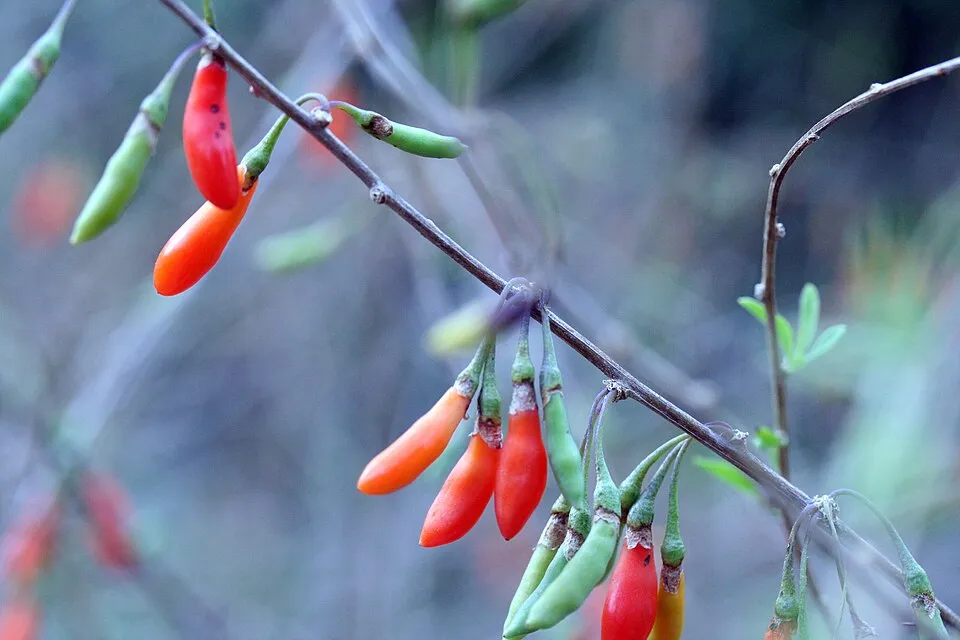
Lycium chinense, commonly known as Chinese wolfberry or Goji berry, is a deciduous woody shrub belonging to the Solanaceae family, which also includes familiar plants like tomatoes and potatoes. This resilient species typically grows as a sprawling shrub, reaching heights of 1 to 3 meters, characterized by slender, sometimes thorny branches. Its leaves are simple, alternate, and lanceolate, with a vibrant green hue.
During late spring to early summer, Lycium chinense produces small, trumpet-shaped, purple flowers that later give way to its most prized feature: bright orange-red, ellipsoid berries, usually 1 to 2 centimeters long. These succulent fruits are the primary part of the plant utilized for both culinary and medicinal purposes.
Native to vast regions of Asia, particularly northern China, Lycium chinense has been cultivated for centuries across temperate and subtropical zones, including Japan, Korea, and other Southeast Asian countries, as well as parts of Europe. It thrives in well-drained soil and prefers abundant sunlight, demonstrating remarkable adaptability to various environmental conditions, including moderate drought and cold. The historical significance of Lycium chinense is profound, deeply embedded in the traditional medicine systems of Asia.
In Traditional Chinese Medicine (TCM), it is revered as 'Gou Qi Zi' and considered a 'mild Yin tonic,' an ingredient associated with eternal youth and longevity. Its use dates back thousands of years, with mentions in ancient texts for enriching the liver and kidneys and moistening the lungs. Beyond TCM, its therapeutic properties have been recognized and integrated into other traditional practices such as Ayurveda and various folk remedies, underscoring its long-standing global appreciation as a vital medicinal and nutritional plant.
Trusted Scientific References
1. Authoritative external sources for Lycium chinense
1.1 Wikipedia — Lycium chinense
1.2 Kew POWO (Plants of the World Online)
1.3 PubMed — peer-reviewed research
1.4 NCBI Taxonomy Browser
1.5 GBIF — Global Biodiversity
1.1.Lycium — Key Features
- ✓Botanical Identity — Lycium chinense, Chinese wolfberry, Goji berry.
- ✓Family — Solanaceae (Nightshade family).
- ✓Fruit — Bright orange-red, ellipsoid berries, 1-2 cm long.
- ✓Native Range — Primarily East Asia, especially China.
- ✓Traditional Significance — 'Yin tonic' in TCM, associated with longevity and vitality.
- ✓Key Bioactives — Lycium barbarum polysaccharides (LBP), zeaxanthin, flavonoids, betaine.
- ✓Primary Benefits — Immune support, vision health, antioxidant, anti-inflammatory.
- ✓Traditional Uses — Liver/kidney tonic, blurry vision, fatigue, hypertension, diabetes.
- ✓Cultivation — Hardy shrub, prefers full sun and well-drained soil, propagated by seeds or cuttings.
- ✓Consumption Methods — Teas, culinary ingredient, decoctions, tinctures.
- ✓Nutritional Profile — Rich in vitamins (C, E, B), minerals, and amino acids.
- ✓Medicinal Applications — Supports cardiovascular, metabolic, and neurological health.
- ✓Safety Considerations — Potential drug interactions (anticoagulants, diabetes meds).
- ✓Related Species — Closely related to Lycium barbarum (also Goji berry).
1.2.Lycium — Snapshot Summary
- ✓Lycium chinense is a woody shrub in the Solanaceae family, known as Chinese wolfberry or Goji berry.
- ✓Revered in Traditional Chinese Medicine for longevity, vision, and liver/kidney support.
- ✓Rich in polysaccharides, carotenoids (zeaxanthin), flavonoids, and essential vitamins/minerals.
- ✓Offers significant antioxidant, immunomodulatory, anti-inflammatory, and neuroprotective benefits.
- ✓Traditionally used for immune support, vision health, blood sugar regulation, and cardiovascular wellness.
- ✓Generally safe, but caution is advised for pregnant individuals and those on specific medications.
- ✓Can be consumed as teas, culinary additions, decoctions, or tinctures.
2.Lycium — Taxonomic Classification
3.Lycium — Botanical Stats
4.Lycium — Morphological Account
5.Lycium — Habitat & Distribution
6.Lycium — Cultural & Traditional Roles
7.Lycium — Bioactive Constituents
- ✓Polysaccharides — Lycium barbarum polysaccharides (LBP) are the most studied active compounds, known for their immunomodulatory, antioxidant, and anti-aging properties. They are complex carbohydrate chains vital for cellular communication and immune response.
- ✓Carotenoids — Primarily zeaxanthin dipalmitate, responsible for the fruit's vibrant color and crucial for eye health, acting as a potent antioxidant in the retina. Other carotenoids like beta-carotene are also present.
- ✓Flavonoids — A diverse group including rutin, quercetin, and kaempferol, contributing to Lycium chinense's antioxidant, anti-inflammatory, and cardioprotective effects.
- ✓Phenolic Compounds — Such as cinnamic acids and other phenolic acids, which are powerful antioxidants and contribute to the plant's overall protective benefits against oxidative stress.
- ✓Alkaloids — Including betaine (N,N,N-trimethylglycine), which plays a role in liver protection, osmoregulation, and cardiovascular health. Other minor alkaloids may also be present.
- ✓Glycopeptides and Glycoproteins — These complex molecules are involved in various biological activities, including immune system modulation and cellular signaling.
- ✓Peptides — Small chains of amino acids that can have diverse physiological effects, contributing to the plant's overall tonic properties.
- ✓Vitamins — Rich in Vitamin C (ascorbic acid), B complex vitamins (B1, B2, B6), and Vitamin E (tocopherols), essential for metabolic processes, immune function, and antioxidant defense.
- ✓Minerals and Trace Elements — Contains essential minerals such as zinc, iron, calcium, selenium, germanium, and phosphorus, crucial for numerous bodily functions and enzyme activities.
- ✓Amino Acids — A complete protein source containing 18 amino acids, including all 8 essential amino acids, vital for protein synthesis and overall cellular health.
- ✓Saponins — Glycosides that can have adaptogenic and immune-stimulating properties, although their specific role in Lycium chinense is less extensively studied compared to polysaccharides.
- ✓Terpenoids — A broad class of natural products, some of which contribute to the plant's aroma and may possess anti-inflammatory or antimicrobial activities.
- ✓Lyciumlignan D and Lyciumphenyl propanoid A — Specific lignans and phenylpropanoids isolated from the root bark, demonstrating antimicrobial and other pharmacological activities.
8.Lycium — Modern Studies
- ✓Immune System Support — Lycium chinense berries are rich in polysaccharides, notably Lycium barbarum polysaccharides (LBP), which are known for their immunomodulatory effects. These compounds help enhance the activity of immune cells like lymphocytes and macrophages, thereby strengthening the body's natural defenses against pathogens.
- ✓Antioxidant Protection — The plant's high content of carotenoids (especially zeaxanthin), flavonoids, and phenolic compounds provides potent antioxidant activity. These antioxidants neutralize harmful free radicals, reducing oxidative stress and protecting cells from damage.
- ✓Vision Health Enhancement — Zeaxanthin, a prominent carotenoid in Lycium chinense, accumulates in the macula of the eye. It helps filter harmful blue light and protects retinal cells, contributing to improved visual acuity and potentially reducing the risk of age-related macular degeneration and blurry vision.
- ✓Liver and Kidney Tonic — In Traditional Chinese Medicine, Lycium chinense is traditionally used to enrich the liver and kidneys, a concept associated with overall vitality and detoxification. Modern research suggests its compounds may support liver function by protecting against oxidative damage and promoting cellular regeneration.
- ✓Anti-Inflammatory Effects — Various phytochemicals, including flavonoids and phenolic acids, exhibit anti-inflammatory properties. These compounds can modulate inflammatory pathways in the body, offering relief from chronic inflammatory conditions.
- ✓Cardiovascular Health — Studies suggest that Lycium chinense may help reduce the risk of arteriosclerosis and arterial hypertension. Its components can improve lipid profiles, lower blood pressure, and enhance vascular elasticity, promoting overall heart health.
- ✓Blood Sugar Regulation — The plant has demonstrated hypoglycemic activities, potentially aiding in glucose control for individuals with diabetes. Polysaccharides and other compounds may improve insulin sensitivity and reduce blood glucose levels.
- ✓Anti-Aging Properties — Revered as an 'ingredient for eternal youth' in traditional practices, Lycium chinense contains powerful antioxidants and nutrients that combat cellular aging. It helps protect DNA and cellular structures from age-related damage, promoting longevity and preventing premature gray hair.
- ✓Neuroprotective Action — Certain compounds within Lycium chinense, including betaine and various polysaccharides, have shown neuroprotective effects. They may protect brain cells from damage, enhance cognitive function, and potentially reduce the risk of neurodegenerative diseases.
- ✓Digestive Health Support — Traditionally used for digestive wellness, Lycium chinense may aid in maintaining a healthy gut microbiome and soothing digestive discomfort. Its fiber content also supports regular bowel movements.
- ✓Antifungal and Antibacterial Properties — Extracts from Lycium chinense, particularly d-glucopyranoside from the root bark, have exhibited antimicrobial activity against various bacteria (e.g., S. aureus, E. coli) and fungi (e.g., C. albicans), offering potential natural antimicrobial benefits.
- ✓Antipyretic Effects — Traditional uses include its application as an antipyretic, helping to reduce fever. This action is likely attributed to its anti-inflammatory and general wellness-promoting compounds.
- ✓Fertility Support — In traditional medicine, Lycium chinense is sometimes used to address infertility. While specific mechanisms are still under investigation, its rich nutrient profile and general tonic effects may contribute to reproductive health.
- ✓Stress-Induced Ulcer Prevention — Animal studies have indicated that Lycium chinense can prevent stress-induced ulceration. This protective effect may be linked to its antioxidant and anti-inflammatory properties, which help maintain the integrity of the gastrointestinal lining.
8.1.Lycium — Reported Uses
9.Lycium — Adverse Effects
9.1.Lycium — Warnings
- ✓Digestive Upset — In some individuals, particularly with high doses, Lycium chinense may cause mild digestive issues such as nausea, diarrhea, or bloating.
- ✓Allergic Reactions — Although rare, allergic reactions can occur, manifesting as skin rashes, itching, or, in severe cases, anaphylaxis, especially in individuals sensitive to other plants in the Solanaceae family.
- ✓Interaction with Anticoagulants — Lycium chinense may potentiate the effects of anticoagulant medications like warfarin, increasing the risk of bleeding due to potential vitamin K content or other interactions.
- ✓Interaction with Diabetes Medications — Due to its hypoglycemic properties, concurrent use with diabetes medications might lead to excessively low blood sugar levels (hypoglycemia).
- ✓Interaction with Blood Pressure Medications — Given its hypotensive effects, consuming Lycium chinense with antihypertensive drugs could cause blood pressure to drop too low.
- ✓Photosensitivity — Some anecdotal reports suggest a possible increase in sun sensitivity in a very small number of individuals, though this is not widely documented.
- ✓Uterine Contractions — High doses are sometimes cautioned against during pregnancy due to potential effects on uterine contractions, though evidence is limited.
- ✓Overstimulation — In rare cases, some individuals might experience mild overstimulation or insomnia, particularly if consumed in large quantities close to bedtime.
9.2.Lycium — Risk Assessment
- ✓General Safety — Lycium chinense is generally considered safe for most healthy adults when consumed in moderate amounts as part of a balanced diet or traditional remedy.
- ✓Pregnancy and Lactation — Pregnant or breastfeeding individuals should consult a healthcare professional before using Lycium chinense, especially in medicinal quantities, due to limited research on safety.
- ✓Children — While often consumed in small amounts in traditional diets, medicinal dosages for children should be administered under professional guidance.
- ✓Drug Interactions — Individuals on anticoagulant medications (e.g., warfarin), diabetes medications, or blood pressure medications should consult their doctor before use to avoid adverse interactions.
- ✓Allergies — Those with known allergies to plants in the Solanaceae family (e.g., tomatoes, potatoes, bell peppers) should exercise caution, as cross-reactivity may occur.
- ✓Autoimmune Conditions — As an immunomodulator, individuals with autoimmune diseases should seek medical advice before use, as it could potentially stimulate immune responses.
- ✓Dosage — Adhere to recommended dosages; excessive consumption may increase the risk of side effects.
- ✓Quality Sourcing — Ensure Lycium chinense products are sourced from reputable suppliers to minimize the risk of contamination with pesticides, heavy metals, or adulterants.
- ✓Storage — Store dried berries and extracts in a cool, dry, dark place to maintain potency and prevent spoilage, ensuring optimal shelf-life and efficacy.
10.Lycium — Application Forms
- ✓Dried Berries for Infusion — The most common method involves steeping dried Lycium chinense berries in hot water to make a nourishing tea or tonic. Use 10-20 grams of dried berries per cup of hot water.
- ✓Culinary Addition — Dried berries can be added directly to cereals, yogurts, smoothies, trail mixes, or baked goods for a nutritional boost and a subtly sweet, tangy flavor.
- ✓Decoction for Potent Extracts — For stronger medicinal effects, a decoction can be prepared by simmering the dried berries or root bark (Di Gu Pi) in water for 20-30 minutes, concentrating the active compounds.
- ✓Tinctures — A hydro-alcoholic extract (tincture) can be made from the dried berries, roots, or leaves, providing a concentrated form for convenient dosage and longer shelf life.
- ✓Powdered Form — Dried berries can be ground into a fine powder and encapsulated or mixed into beverages and foods for easy consumption.
- ✓Soups and Stews — Lycium chinense berries are a traditional ingredient in various Asian soups and stews, adding flavor, nutrients, and medicinal properties.
- ✓Wine and Liqueurs — In some cultures, the berries are fermented to produce medicinal wines or liqueurs, believed to enhance vitality and longevity.
- ✓External Applications — Infusions or decoctions from the root bark (Di Gu Pi) can be used topically for certain skin conditions, although internal use is more common.
- ✓Syrups and Jams — Fresh or rehydrated berries can be processed into syrups or jams, offering a palatable way to consume the fruit, especially for children.
- ✓Fresh Consumption — While less common for export, fresh Lycium chinense berries can be eaten directly, providing a burst of vitamins and antioxidants.
11.Lycium — Growth Requirements
- ✓Site Selection — Choose a location with full sun exposure for optimal fruit production and well-drained soil to prevent root rot.
- ✓Soil Requirements — Lycium chinense thrives in a variety of soil types but prefers slightly alkaline to neutral pH (6.5-8.0). Amend heavy clay soils with organic matter to improve drainage.
- ✓Propagation — Can be propagated effectively from seeds, which require stratification for germination, or more commonly from semi-hardwood cuttings taken in late summer or early autumn.
- ✓Planting — Space plants 1.5 to 2.5 meters apart to allow for mature growth and air circulation. Plant in spring after the last frost.
- ✓Watering — Requires moderate watering, especially during dry periods and fruit development. Once established, it demonstrates good drought tolerance.
- ✓Fertilization — Apply a balanced organic fertilizer in early spring and again in mid-summer to support vigorous growth and fruit yield. Avoid excessive nitrogen, which can promote leafy growth over fruiting.
- ✓Pruning — Prune annually in late winter or early spring to shape the plant, remove dead or weak branches, and encourage new growth and better fruit production. Thinning can improve light penetration and air circulation.
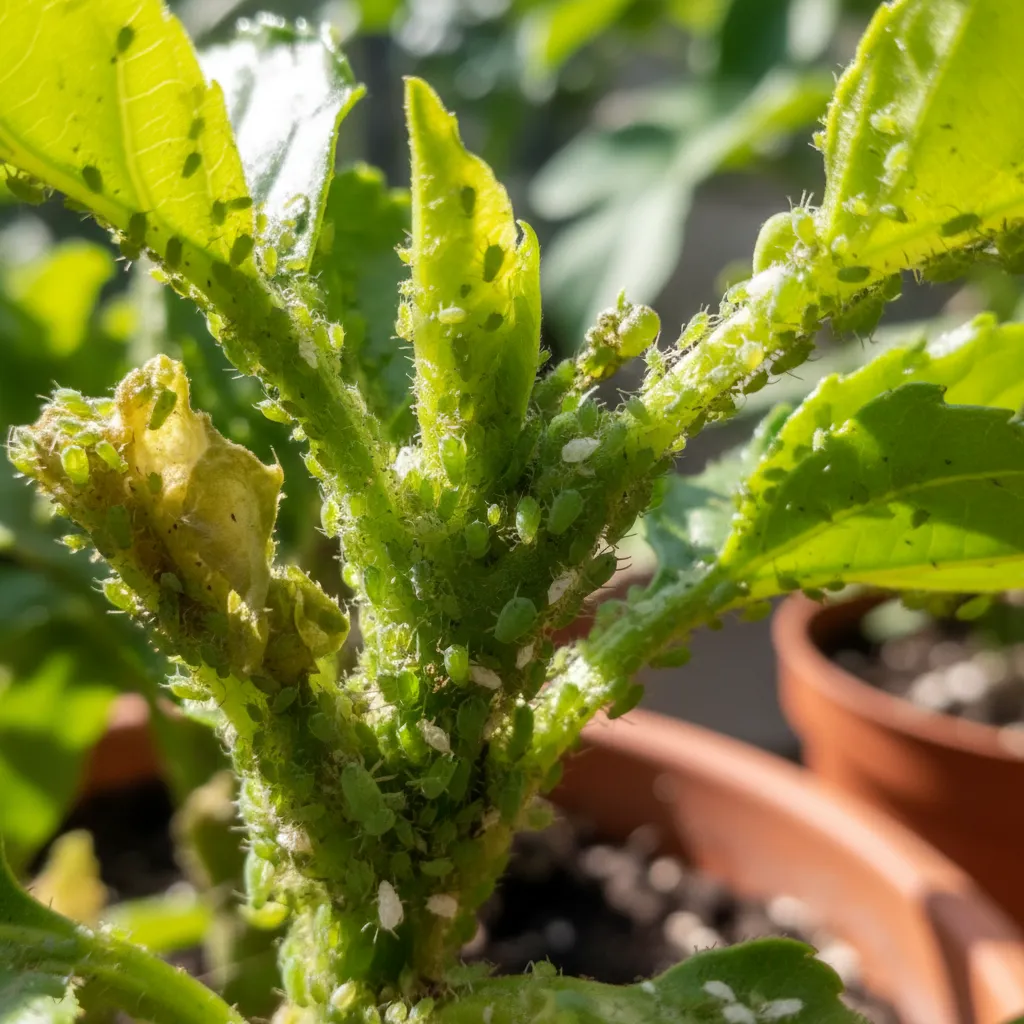
- ✓Pest and Disease Management — Generally robust, but monitor for common pests like aphids and spider mites. Ensure good air circulation to prevent fungal diseases.
- ✓Harvesting — Berries are typically harvested from late summer to autumn when they are bright red and slightly soft. They are often dried for storage and medicinal use.
- ✓Climate Adaptability — Well-suited for temperate to subtropical climates, tolerating both heat and moderate cold, making it adaptable to diverse growing regions.
Reviewed by the Flora Medical Global Botanical Review Panel
Multi-disciplinary editorial group · Botany · Ethnobotany · Herbal-medicine literature
Who reviewed this: This page was checked by the Flora Medical Global Botanical Review Panel — an in-house editorial group of botany graduates, ethnobotany researchers, and horticulture practitioners who collectively maintain our 7,000+ plant encyclopedia. Meet the team.
Our 4-step verification process
1. Taxonomic verification
Scientific names and synonyms cross-checked against Kew POWO, World Flora Online, and The Plant List.
2. Phytochemical & medicinal cross-reference
Active compounds, traditional uses, and reported activities are cross-referenced with PubMed, USDA Dr. Duke's database, and peer-reviewed ethnobotanical literature.
3. Conservation & distribution check
Distribution, ecology, and conservation status confirmed against GBIF occurrence records and the IUCN Red List.
4. Editorial & safety review
Every entry passes an editorial pass for clarity, originality, and safety notices (toxicity, contraindications, dosage caveats) before publication.
Last reviewed:
Important medical disclaimer: This content is for educational and research purposes only. It is not medical advice and is not a substitute for consultation with a licensed healthcare provider. Do not use any herb to self-treat a medical condition without professional guidance.
Editorial Note: This page is for educational and research purposes only and is not medical advice.
Written by: Flora Medical Global Editorial Team
Reviewed by: Flora Medical Global Botanical Review Panel
Last Updated: June 15, 2026





Lycium — Comments & Community Reviews
Rate this plant