

Medical Disclaimer: This content is for educational purposes only. It is not medical advice. Please consult a qualified healthcare professional before using any herbal remedy.
Safety Overview
1.Macropiper — At a Glance
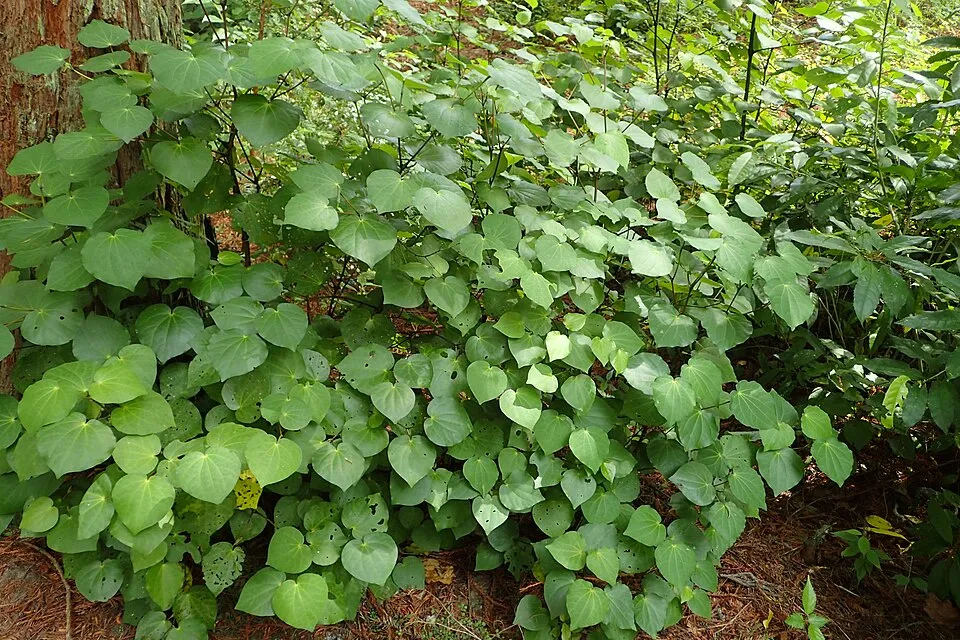
Macropiper excelsum, universally known as Kawakawa, is a cherished perennial shrub endemic to the lush, warm temperate forests of Aotearoa New Zealand. Typically growing to a height of 1.5 to 3 meters, this striking plant is easily recognized by its distinctive morphology. Its large, heart-shaped to oval leaves, which can measure up to 30 cm in length and 20 cm in width, are a vibrant, glossy green. These thick-textured leaves taper to a pointed apex and are arranged alternately along the fleshy, somewhat ribbed stems, contributing to its unique aesthetic. Kawakawa thrives in environments characterized by high humidity and well-draining soils, often found in the understory of native forests or along forest margins, reflecting its adaptation to specific ecological niches within New Zealand. Flowering typically occurs from late spring to early summer, producing small, inconspicuous greenish-yellow flowers.
These delicate blossoms are borne in compact, erect spikes, with each individual flower measuring approximately 5 mm in diameter. The plant's taxonomy places it within the Piperaceae family, a diverse group that includes other globally significant aromatic plants such as black pepper (Piper nigrum), hinting at its own rich chemical profile. This familial connection underscores its traditional uses and the presence of potent bioactive compounds. Historically, Macropiper excelsum holds profound cultural significance as a ‘taonga’ (treasure) to Māori, the indigenous people of New Zealand. Its leaves, stems, and roots have been integral to Rongoā Māori, their traditional system of medicine, for centuries. The plant’s aromatic roots, often described as possessing a spicy scent, were traditionally used as a flavoring agent in local cuisine, further cementing its role in both cultural and culinary practices.
Beyond its culinary applications, the foliage of Kawakawa is particularly rich in essential oils and a complex array of phytochemicals, including various amides, phenylpropanoids, lignans, and flavonoids. Among these, compounds like piperine and its analogues are notable for their pharmacological properties, which have been increasingly explored by modern scientific research. The deep-rooted traditional knowledge of Kawakawa's medicinal properties continues to inspire contemporary investigations into its potential health benefits, ranging from anti-inflammatory and antimicrobial actions to its influence on metabolic processes. Trusted Scientific References Au ...[CURRENT TEXT EXISTS: 2705 chars]
1.1.Macropiper — Highlights
- ✓Endemic to New Zealand — Macropiper excelsum is a native species of Aotearoa.
- ✓Cultural Significance — A ‘taonga’ (treasure) deeply valued in Māori culture and traditional medicine.
- ✓Distinctive Morphology — Features large, glossy, heart-shaped leaves and fleshy, ribbed stems.
- ✓Aromatic Properties — Possesses a characteristic spicy aroma, particularly in its roots and leaves.
- ✓Piperaceae Family Member — Related to black pepper, indicating a rich phytochemical profile.
- ✓Rich in Bioactive Compounds — Contains amides (piperine), phenylpropanoids, flavonoids, and lignans.
- ✓Anti — inflammatory Potential — Research suggests its ability to reduce inflammatory markers.
- ✓Antimicrobial Activity — Exhibits properties effective against certain pathogenic bacteria.
- ✓Digestive Health Support — Traditionally used to alleviate gastrointestinal discomforts.
- ✓Respiratory Aid — Employed in Rongoā Māori for colds, coughs, and respiratory ailments.
- ✓Skin Healing — Applied topically for irritations, wounds, and various skin conditions.
- ✓Metabolic Modulation — Clinical studies indicate a role in postprandial glucose metabolism.
- ✓Versatile Usage — Consumed as tea, poultices, tinctures, and a culinary seasoning.
- ✓Adaptable Growth — Thrives in warm, humid, shaded forest environments.
1.2.Macropiper — Quick Summary
- ✓Kawakawa (Macropiper excelsum) is a revered New Zealand native shrub.
- ✓Integral to Rongoā Māori, the traditional medicine of the Māori people.
- ✓Known for its large, aromatic, heart-shaped leaves.
- ✓Rich in amides (like piperine), phenylpropanoids, flavonoids, and lignans.
- ✓Offers benefits for digestion, inflammation, respiratory health, and skin conditions.
- ✓Recent studies highlight its potential to modulate postprandial glucose metabolism.
- ✓Traditionally consumed as a tea, poultice, or culinary seasoning.
- ✓Generally considered safe at traditional doses, with precautions for specific groups.
2.Macropiper — Botanical Identity
3.Macropiper — Fact Sheet
4.Macropiper — Physical Description
5.Macropiper — Ecological Habitat
6.Macropiper — Traditional Uses
7.Macropiper — Chemical Profile
- ✓Amides — Kawakawa is rich in amides, including piperine and its various analogues. Piperine is a well-studied alkaloid known for its bioavailability-enhancing properties, anti-inflammatory actions, and ability to activate the transient receptor potential cation channel vanilloid subfamily member 1 (TRPV1) receptor, contributing to its analgesic effects. Other amides may influence glucose and fatty acid uptake.
- ✓Phenylpropanoids — Key phenylpropanoids identified include myristicin and elemicin. These compounds contribute to the plant's distinctive aroma and have been studied for various biological activities, though their metabolism to amphetamine analogues in humans has been largely disproven at traditional consumption levels.
- ✓Flavonoids — A significant class of compounds present in Kawakawa, flavonoids contribute to its antioxidant and anti-inflammatory properties. These include flavonoid glucosides, which play a role in cellular protection and immune modulation.
- ✓Lignans — These phenolic compounds are also found in Kawakawa and possess various biological activities, including antioxidant and anti-inflammatory effects. Their presence contributes to the plant's overall therapeutic potential.
- ✓Essential Oils — The leaves and roots of Macropiper excelsum contain a complex mixture of essential oils, which are responsible for its characteristic spicy and aromatic scent. These oils often possess antimicrobial and carminative properties.
- ✓Alkaloids — Beyond piperine, other alkaloids may be present, contributing to the plant's diverse pharmacological profile. These compounds often have potent physiological effects.
- ✓Terpenoids — While not explicitly detailed in the provided source, plants in the Piperaceae family commonly contain terpenoids, which can contribute to aroma, insect deterrence, and various medicinal properties.
- ✓Phenolic Acids — These compounds are widely distributed in plants and act as antioxidants. Their presence in Kawakawa contributes to its free radical scavenging capacity.
- ✓Fatty Acids — Kawakawa amides have been shown to influence fatty acid uptake by human epithelial Caco-2 cells, indicating the presence or interaction with fatty acid pathways.
- ✓Saponins — These compounds, often found in medicinal plants, can have expectorant, anti-inflammatory, and immune-modulating effects, potentially contributing to Kawakawa's respiratory benefits.
- ✓Sterols — Plant sterols are known for their potential cholesterol-lowering effects and anti-inflammatory properties, adding to the plant's diverse chemical landscape.
- ✓Glycosides — Various glycosides, including flavonoid glucosides, are present, influencing the bioavailability and activity of their aglycone counterparts.
8.Macropiper — Evidence-Based Benefits
- ✓Digestive Aid — Kawakawa leaves have been traditionally brewed into teas to alleviate a variety of gastrointestinal discomforts, including indigestion, bloating, and stomach cramps. Its carminative properties help soothe the digestive tract and promote healthy gut function.
- ✓Anti-inflammatory Properties — Extracts from Macropiper excelsum have demonstrated potential anti-inflammatory effects by reducing markers like IL-6 and NF-κB gene expressions in human cell lines. This suggests its utility in managing inflammatory conditions throughout the body.
- ✓Antimicrobial Activity — Studies indicate that Kawakawa extracts exhibit antimicrobial activity, particularly against pathogenic bacteria. This property makes it a traditional remedy for minor infections and a potential agent for wound healing.
- ✓Respiratory Support — Traditionally, Kawakawa tea is consumed to treat colds, coughs, and other respiratory ailments. Its expectorant and anti-inflammatory actions may help clear congestion and soothe irritated airways.
- ✓Pain Relief — The presence of compounds like piperine, known to activate the TRPV1 receptor, suggests that Kawakawa may possess analgesic properties. It has been used topically in traditional medicine for localized pain and internally for discomforts like toothache.
- ✓Modulates Postprandial Glucose Metabolism — Recent clinical intervention studies have indicated that consumption of Kawakawa tea may modulate postprandial glucose metabolism. This suggests a potential role in supporting healthy blood sugar levels after meals.
- ✓Appetite Stimulant — The spicy and aromatic nature of Kawakawa leaves has been traditionally leveraged to promote appetite, particularly in individuals experiencing loss of appetite or general debility.
- ✓Anti-Nausea Effects — Traditional uses include employing Kawakawa to alleviate nausea. Its aromatic compounds may help calm the stomach and reduce feelings of sickness.
- ✓Skin Healing and Irritation Relief — Ethnobotanical reports detail the use of Kawakawa leaves in poultices for treating skin irritations, wounds, and various skin diseases. Its anti-inflammatory and antimicrobial actions contribute to faster healing and reduced discomfort.
- ✓Genitourinary Health — In Rongoā Māori, Kawakawa is used to address genitourinary infections. Its potential antimicrobial and anti-inflammatory properties may help soothe and support the urinary system.
- ✓Bioavailability Enhancer — Similar to other Piper species, Kawakawa contains piperine and its analogues, which are known to enhance the bioavailability of other pharmacologically active compounds. This could amplify the effects of other herbs or nutrients when consumed together.
- ✓Antioxidant Support — The flavonoid content in Kawakawa contributes to its antioxidant capacity, helping to neutralize free radicals and protect cells from oxidative stress.
- ✓Diuretic Properties — Some traditional uses suggest Kawakawa can act as a mild diuretic, aiding in the elimination of excess fluids and supporting kidney function.
- ✓Circulatory Support — Traditional beliefs suggest Kawakawa may support healthy circulation, though specific mechanisms are less explored in modern research.
- ✓Oral Health — Beyond toothache relief, the antimicrobial properties of Kawakawa may contribute to overall oral hygiene, helping to combat bacteria that cause gum disease and bad breath.
8.1.Macropiper — Indications & Uses
9.Macropiper — Safety & Side Effects
9.1.Macropiper — Reported Side Effects
- ✓Gastrointestinal Upset — Overconsumption of Kawakawa tea or extracts may lead to mild stomach upset, nausea, or diarrhea in sensitive individuals.
- ✓Allergic Reactions — Although rare, individuals sensitive to plants in the Piperaceae family may experience allergic reactions, such as skin rashes or itching.
- ✓Drug Interactions — Due to its potential to modulate various physiological pathways, Kawakawa may interact with certain medications, particularly those affecting blood sugar or liver enzymes.
- ✓Hypotension — In very high doses, compounds in Kawakawa might theoretically lower blood pressure, especially in individuals already taking hypotensive medications.
- ✓Sedation — Some traditional uses hint at mild sedative effects, and excessive intake could potentially enhance the effects of other sedatives.
- ✓Phenylpropanoid Concerns — While traditional use has shown no toxicity, very high, non-traditional doses of phenylpropanoids (myristicin, elemicin) found in Kawakawa could theoretically have adverse effects, though forensic studies do not support psychotropic effects from abuse levels.
9.2.Macropiper — Clinical Safety Notes
- ✓Pregnancy and Breastfeeding — Insufficient research exists regarding the safety of Kawakawa during pregnancy and breastfeeding. It is generally advised to avoid use or consult a healthcare professional.
- ✓Children — Due to limited research, use in young children should be approached with caution and under professional guidance.
- ✓Pre-existing Conditions — Individuals with chronic health conditions, especially liver disease, kidney disease, or diabetes, should consult a doctor before using Kawakawa.
- ✓Medication Interactions — Caution is advised for individuals on medications, particularly blood thinners, blood pressure medication, or drugs metabolized by the liver, due to potential interactions.
- ✓Dosage — Adhere to recommended dosages. High doses may increase the risk of side effects.
- ✓Allergic Sensitivity — Individuals with known allergies to plants in the Piperaceae family should exercise caution.
- ✓Traditional Safety — Kawakawa has a long history of safe traditional use by Māori when consumed in customary quantities. Modern research aligns with its low toxicity at typical consumption levels.
- ✓Quality Source — Ensure Kawakawa products are sourced from reputable suppliers to guarantee purity and prevent contamination or adulteration.
10.Macropiper — Preparations & Uses
- ✓Herbal Tea (Infusion) — Dried or fresh Kawakawa leaves are commonly brewed into a therapeutic tea by steeping them in hot water for 5-10 minutes. This infusion is traditionally used for digestive issues, colds, and general well-being.
- ✓Poultices — Freshly crushed or bruised Kawakawa leaves are applied directly to the skin as a poultice to soothe irritations, minor wounds, insect bites, and skin ailments. The leaves are often warmed slightly before application.
- ✓Tinctures — Alcoholic extracts of Kawakawa leaves are prepared to create tinctures, which concentrate the active compounds. These are taken orally in small doses, often diluted in water, for systemic benefits.
- ✓Decoctions — For tougher plant parts like roots or stems, a decoction is prepared by simmering the plant material in water for a longer period. This method extracts more robust compounds and is traditionally used for more chronic conditions.
- ✓Culinary Seasoning — The dried and ground leaves of Kawakawa can be used as a unique, spicy seasoning in cooking, adding a distinctive flavor to various dishes and beverages. This also serves as a functional food ingredient.
- ✓Topical Ointments/Balms — Kawakawa-infused oils can be incorporated into balms, salves, or ointments for topical application, providing localized relief for muscle aches, joint pain, and skin conditions.
- ✓Vapor Inhalation — For respiratory congestion, hot water infused with Kawakawa leaves can be used for steam inhalation, helping to clear airways and soothe irritation.
- ✓Mouthwash/Gargle — A cooled Kawakawa tea or diluted tincture can be used as a mouthwash or gargle to address oral infections, soothe sore throats, and alleviate toothache.
- ✓Capsules/Tablets — Modern preparations involve encapsulating powdered Kawakawa extract for convenient and standardized oral consumption, offering precise dosing for specific health goals.
- ✓Infused Oils — Leaves can be infused into carrier oils (like olive or almond oil) over several weeks to extract fat-soluble compounds, which are then used as massage oils or bases for topical formulations.
11.Macropiper — How to Grow
- ✓Site Selection — Kawakawa thrives in warm temperate climates with partial shade, mimicking its natural forest understory habitat. It prefers sheltered locations away from strong winds.
- ✓Soil Requirements — Requires well-draining, fertile soil rich in organic matter. A slightly acidic to neutral pH (6.0-7.0) is ideal for optimal growth.
- ✓Watering — Consistent moisture is crucial, especially during dry periods. Keep the soil evenly moist but not waterlogged to prevent root rot.
- ✓Humidity — Prefers high humidity, making it suitable for growing in coastal areas or where atmospheric moisture is abundant. Misting can benefit indoor or greenhouse plants.
- ✓Propagation from Cuttings — Easily propagated from semi-hardwood cuttings taken in spring or early summer. Cuttings should be 10-15 cm long, with lower leaves removed, and rooted in a moist, free-draining medium.
- ✓Propagation from Seed — Seeds can be collected from mature berries and sown in a warm, moist environment. Germination can be slow and erratic.
- ✓Fertilization — Benefits from a balanced, slow-release fertilizer in spring or regular applications of organic compost to enrich the soil.
- ✓Pruning — Light pruning can encourage bushier growth and maintain desired shape. Remove any dead or diseased branches to promote plant health.
- ✓Pest and Disease Control — Generally hardy, but monitor for common pests like aphids or scale insects. Ensure good air circulation to prevent fungal issues in humid conditions.
- ✓Container Growing — Can be successfully grown in large containers, provided adequate drainage and regular watering are maintained. This allows for protection during colder months if grown outside its native range.
- ✓Mulching — Apply a layer of organic mulch around the base of the plant to help retain soil moisture, suppress weeds, and regulate soil temperature.
Reviewed by the Flora Medical Global Botanical Review Panel
Multi-disciplinary editorial group · Botany · Ethnobotany · Herbal-medicine literature
Who reviewed this: This page was checked by the Flora Medical Global Botanical Review Panel — an in-house editorial group of botany graduates, ethnobotany researchers, and horticulture practitioners who collectively maintain our 7,000+ plant encyclopedia. Meet the team.
Our 4-step verification process
1. Taxonomic verification
Scientific names and synonyms cross-checked against Kew POWO, World Flora Online, and The Plant List.
2. Phytochemical & medicinal cross-reference
Active compounds, traditional uses, and reported activities are cross-referenced with PubMed, USDA Dr. Duke's database, and peer-reviewed ethnobotanical literature.
3. Conservation & distribution check
Distribution, ecology, and conservation status confirmed against GBIF occurrence records and the IUCN Red List.
4. Editorial & safety review
Every entry passes an editorial pass for clarity, originality, and safety notices (toxicity, contraindications, dosage caveats) before publication.
Last reviewed:
Important medical disclaimer: This content is for educational and research purposes only. It is not medical advice and is not a substitute for consultation with a licensed healthcare provider. Do not use any herb to self-treat a medical condition without professional guidance.
Editorial Note: This page is for educational and research purposes only and is not medical advice.
Written by: Flora Medical Global Editorial Team
Reviewed by: Flora Medical Global Botanical Review Panel
Last Updated: June 15, 2026





Macropiper — Comments & Community Reviews
Rate this plant