


Medical Disclaimer: This content is for educational purposes only. It is not medical advice. Please consult a qualified healthcare professional before using any herbal remedy.
Safety Overview
1.Madhuca — Introduction & Highlights
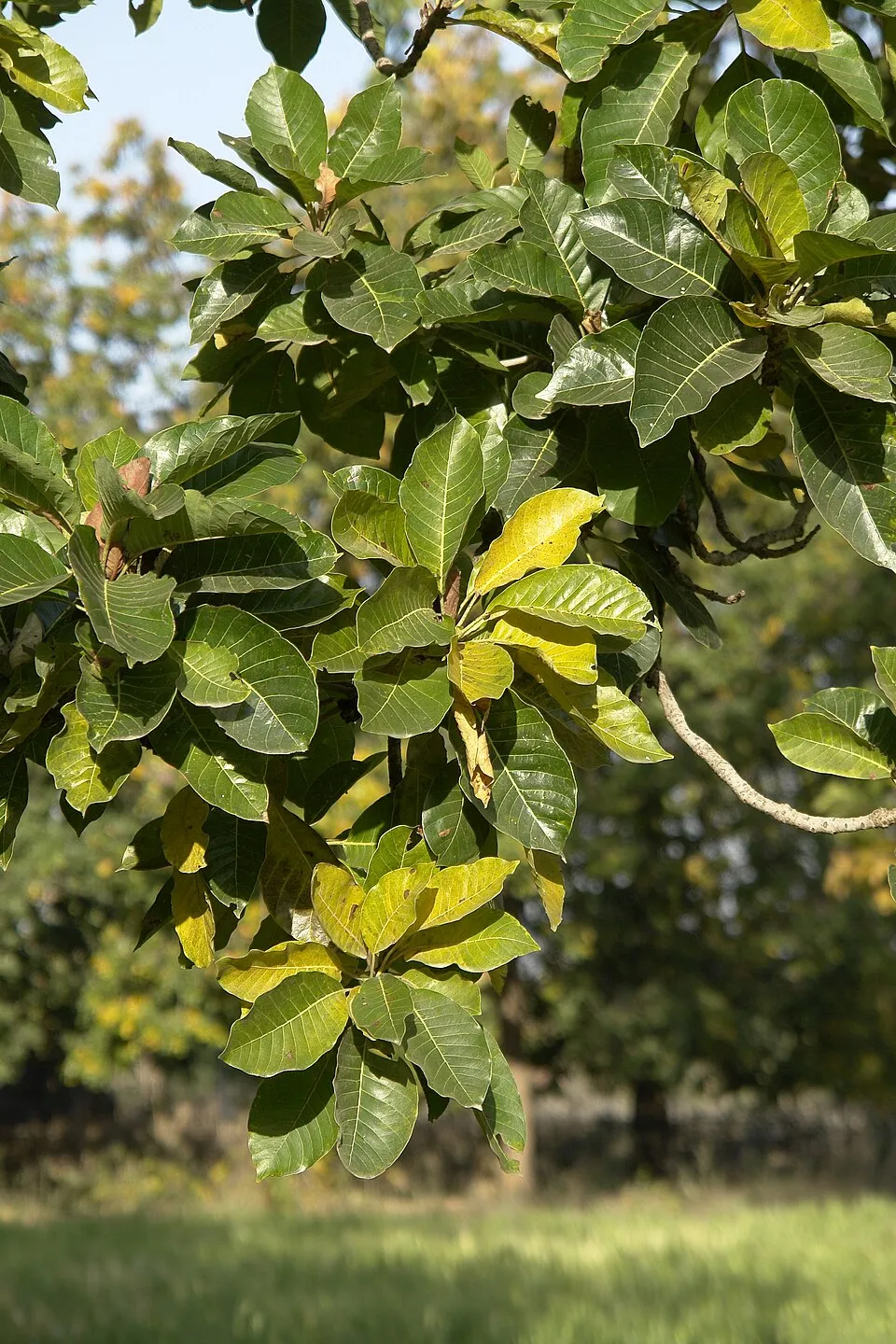
Madhuca longifolia, commonly known as Madhuca or Mahua, is a venerable medium-sized to large deciduous tree belonging to the Sapotaceae family. Indigenous to the tropical and subtropical belts of the Indian subcontinent, this robust tree can ascend to heights of 20 meters, characterized by a sturdy trunk and a wide, spreading canopy that offers ample shade. Its dark green, leathery leaves are spirally arranged, contributing to its dense foliage. The tree’s most distinctive feature is its fleshy, cream-colored flowers, which bloom profusely and emit a profoundly sweet, intoxicating fragrance, particularly at night. These flowers are not only a significant source of nectar for local fauna but also hold immense cultural and economic value for indigenous communities, being collected for food, liquor, and traditional medicine. The fruits of Madhuca longifolia are ovoid, fleshy berries, typically greenish-yellow when ripe, each containing one to four glossy, brown, elongated seeds.
These seeds are a rich source of oil, historically processed for various uses from culinary to cosmetic. The bark is rough, brown, and often fissured, exuding a milky sap when incised, a characteristic common to many Sapotaceae members. Madhuca thrives in dry, tropical deciduous forest ecosystems, demonstrating remarkable resilience across diverse terrains. It is commonly found in plains and lower hill regions, adapting well to a range of soil types, including sandy, rocky, and lateritic soils, and is notably drought-resistant, making it a crucial species in arid and semi-arid landscapes. Its geographical distribution encompasses a broad swathe across India, Nepal, Bangladesh, and Sri Lanka, where it holds deep cultural and spiritual significance, particularly among tribal populations. Historically, every part of the Madhuca tree has been utilized: the flowers for food and fermentation, the fruits for eating, the seeds for oil, the bark for dyes and medicine, and the timber for construction.
This widespread utility underscores its role as a 'tree of life' for many communities. Taxonomically, Madhuca longifolia is sometimes referred to by synonyms such as Madhuca indica, reflecting historical botanical classifications. Its ecological importance extends to supporting local biodiversity, providing food and habitat for numerous species. The tree's ability to regenerate naturally and its multi-purpose utility have cemented its place as a cornerstone species in its native range, representin ...[CURRENT TEXT EXISTS: 2802 chars]
1.1.Madhuca — Standout Qualities
- ✓Botanical Name — Madhuca longifolia (Koenig), Syn. Madhuca indica Gmelin.
- ✓Family — Sapotaceae, known for milky sap and oily seeds.
- ✓Common Names — Madhuca, Mahua, Mahwa, Buttercup tree.
- ✓Native Range — Indian subcontinent (India, Nepal, Bangladesh, Sri Lanka).
- ✓Tree Type — Medium to large deciduous tree, reaching up to 20 meters.
- ✓Flowers — Fleshy, cream-colored, sweet, intoxicatingly fragrant, nocturnal bloomers.
- ✓Fruits — Ovoid, fleshy berries, 1-4 seeded, edible.
- ✓Seeds — Rich in oil (Mahua butter), high in oleic and linoleic acids.
- ✓Traditional Uses — Ayurveda, Unani, Siddha, and various indigenous medicine systems.
- ✓Key Phytochemicals — Triterpenoids, flavonoids, saponins, fatty acids.
- ✓Pharmacological Actions — Antioxidant, anti-inflammatory, antidiabetic, antimicrobial, hepatoprotective.
- ✓Ecological Role — Drought-resistant, supports local biodiversity, economically important.
- ✓Cultural Significance — Deeply revered by tribal communities for food, liquor, and medicine.
- ✓Resilient Growth — Thrives in dry tropical forests, adaptable to varied soil types.
- ✓Multi — purpose Utility — Flowers, fruits, seeds, bark, and wood all have significant uses.
1.2.Madhuca — In Brief
- ✓Madhuca longifolia is a versatile deciduous tree native to the Indian subcontinent.
- ✓Valued for its sweet, intoxicating flowers, edible fruits, and oil-rich seeds.
- ✓Traditionally used in Ayurveda for respiratory issues, skin conditions, and diabetes.
- ✓Rich in triterpenoids, flavonoids, saponins, and fatty acids.
- ✓Exhibits antioxidant, anti-inflammatory, antidiabetic, and antimicrobial properties.
- ✓Mahua butter from seeds is prized for emollient and purgative uses.
- ✓Requires full sun and tolerates various soils, crucial for local economies.
- ✓Caution advised for pregnancy, lactation, and individuals on antidiabetic medications.
2.Madhuca — Taxonomic Classification
3.Madhuca — Quick Facts
4.Madhuca — Morphological Account
5.Madhuca — Where It Grows
6.Madhuca — Ethnobotanical Uses
7.Madhuca — Secondary Metabolites
- ✓Triterpenoids — Key compounds include madhucic acid (a pentacyclic triterpenoid), lupeol, and alpha-amyrin. These contribute to anti-inflammatory, hepatoprotective, and antioxidant activities.
- ✓Flavonoids — Significant flavonoids present are quercetin, myricetin, rutin, and their glycosides. These are potent antioxidants, anti-inflammatory agents, and may have antidiabetic effects.
- ✓Saponins — Madhuca contains various triterpenoid saponins, such as madhucaglycosides. Saponins are known for their emulsifying properties, antimicrobial action, and potential cholesterol-lowering effects.
- ✓Glycosides — A diverse group including cardiac glycosides and phenolic glycosides, contributing to various pharmacological activities like cardiotonic and antioxidant effects.
- ✓Fatty Acids — The seeds are exceptionally rich in fatty acids, primarily oleic acid (monounsaturated) and linoleic acid (polyunsaturated omega-6). These are crucial for skin health, cell membrane integrity, and energy.
- ✓Proteins — Madhuca seeds contain a notable percentage of proteins, providing essential amino acids, important for nutritional value and tissue repair.
- ✓Sugars — The fleshy flowers are abundant in simple sugars (glucose, fructose, sucrose). These provide energy and contribute to the flowers' sweet taste and fermentable nature.
- ✓Phenolics — Beyond flavonoids, other phenolic compounds are present, including tannins and phenolic acids. These contribute to antioxidant, astringent, and antimicrobial properties.
- ✓Steroids — Phytosterols like beta-sitosterol are found, which can help in cholesterol management and possess anti-inflammatory actions.
- ✓Carotenoids — Present in smaller amounts, contributing to antioxidant activity and acting as precursors to Vitamin A.
- ✓Vitamins — Contains trace amounts of vitamins, particularly B-complex vitamins, supporting metabolic functions.
- ✓Minerals — Various essential minerals like calcium, phosphorus, iron, and zinc are found in different parts, contributing to nutritional value.
- ✓Madhushazone — An untypical isoflavone unique to Madhuca, with potential novel pharmacological activities under investigation.
- ✓Madhusalmone — A bis(isoflavone) compound, also unique to the plant, warranting further research into its specific bioactivities.
8.Madhuca — Research Insights
- ✓Expectorant Action — Madhuca flowers are traditionally used to alleviate respiratory ailments like coughs and bronchitis. Their expectorant properties help loosen phlegm and mucus, facilitating their expulsion from the respiratory tract.
- ✓Anti-inflammatory Properties — Extracts from the bark and leaves exhibit significant anti-inflammatory effects, making them useful in traditional remedies for rheumatism, joint pain, and other inflammatory conditions by modulating inflammatory pathways.
- ✓Antidiabetic Effects — Research indicates that Madhuca extracts, particularly from the bark, possess antidiabetic properties. These may involve enhancing insulin sensitivity or reducing glucose absorption, aiding in blood sugar management.
- ✓Antioxidant Activity — The plant is rich in phenolic compounds and flavonoids, which contribute to its potent antioxidant capacity. These compounds scavenge free radicals, protecting cells from oxidative stress and supporting overall cellular health.
- ✓Antimicrobial Action — Various parts of Madhuca longifolia, including the bark and seeds, demonstrate antimicrobial activity against a range of bacteria and fungi. This makes it valuable in treating infections and promoting wound healing.
- ✓Hepatoprotective Potential — Studies suggest that Madhuca extracts may offer protection to the liver. Its antioxidant and anti-inflammatory constituents could help mitigate liver damage caused by toxins or disease.
- ✓Anxiolytic Effects — Preliminary research has explored the anxiolytic (anxiety-reducing) properties of Madhuca. Certain phytochemicals might interact with neurotransmitter systems to induce a calming effect.
- ✓Astringent Properties — The bark is highly astringent, making it effective in treating skin diseases, ulcers, and dental problems. It helps tighten tissues, reduce secretions, and promote the healing of wounds.
- ✓Demulcent Action — The flowers and seed oil have demulcent properties, providing a soothing and protective layer over irritated mucous membranes, beneficial for coughs and digestive discomfort.
- ✓Emollient for Skin and Hair — The oil extracted from Madhuca seeds (Mahua butter) is an excellent emollient. It deeply moisturizes and nourishes the skin and hair, improving texture and elasticity, and is used for dry skin conditions and scalp health.
- ✓Purgative Effect — Madhuca seed oil is also known for its purgative properties when consumed, assisting in bowel movements and relieving constipation by stimulating intestinal activity.
- ✓Wound Healing and Eczema Relief — Poultices made from leaves or bark are traditionally applied to wounds, burns, and eczema. Its antimicrobial and anti-inflammatory compounds accelerate healing and soothe irritated skin.
- ✓Galactagogue Properties — In some traditional practices, the flowers are believed to increase the production of breast milk in lactating mothers, acting as a galactagogue.
- ✓Anti-helminthic Activity — Preparations from Madhuca are used in folk medicine to expel intestinal worms, suggesting anthelmintic properties that disrupt the life cycle or paralyze parasites.
- ✓Nutritional Tonic — The distilled juice of the flowers is considered a nutritious and cooling tonic, providing energy and essential nutrients, especially during periods of debility or emaciation.
- ✓Traditional Remedy for Snake Bites — Ethnomedicinal uses include the application of Madhuca preparations as an antidote or supportive treatment for snake bites, though scientific validation is still needed for this specific claim.
8.1.Madhuca — Reported Uses
9.Madhuca — Risk Profile
9.1.Madhuca — Caution Notes
- ✓Gastrointestinal Upset — Consumption of large quantities of flowers or unrefined seed oil may lead to nausea, vomiting, or diarrhea due to their rich saponin content.
- ✓Allergic Reactions — Individuals sensitive to plants in the Sapotaceae family may experience allergic reactions such as skin rashes or respiratory irritation.
- ✓Hypoglycemia — In diabetic patients, concurrent use with antidiabetic medications might lead to an excessive drop in blood sugar levels.
- ✓Sedation — High doses of flower preparations, especially fermented ones, can induce drowsiness or sedation due to their intoxicating compounds.
- ✓Liver Toxicity — While generally hepatoprotective, extremely high or prolonged consumption of certain extracts without proper preparation might theoretically stress the liver, though specific evidence is limited.
- ✓Drug Interactions — Potential interactions with blood sugar-lowering medications, sedatives, or drugs metabolized by the liver should be considered.
- ✓Skin Irritation — Direct application of unpurified bark extracts on highly sensitive skin might cause mild irritation in some individuals.
9.2.Madhuca — Risk Assessment
- ✓Pregnancy and Lactation — Due to insufficient safety data, Madhuca preparations should be avoided by pregnant and breastfeeding women.
- ✓Children — Use in children is not well-established; caution and medical consultation are advised.
- ✓Diabetes Management — Individuals with diabetes should monitor blood glucose levels closely if using Madhuca, as it may potentiate the effects of antidiabetic drugs.
- ✓Liver Conditions — While traditionally used for liver support, individuals with pre-existing liver conditions should consult a healthcare professional before use.
- ✓Alcohol Interaction — Avoid concurrent use with alcohol, especially fermented flower products, due to potential additive sedative effects.
- ✓Allergies — Individuals with known allergies to the Sapotaceae family or any plant components should exercise caution.
- ✓Dosage — Adhere strictly to recommended traditional dosages; excessive consumption of any part is not advised.
- ✓Quality Control — Ensure sourced products are from reputable suppliers to avoid contamination or adulteration.
- ✓Topical Use — Perform a patch test before extensive topical application, especially of bark extracts or seed oil, to check for skin sensitivity.
- ✓Medical Consultation — Always consult a qualified medical herbalist or healthcare provider before integrating Madhuca into a therapeutic regimen, particularly if on other medications.
10.Madhuca — Preparation & Dosage
- ✓Flower Infusion/Decoction — Dried or fresh Madhuca flowers are steeped in hot water to create an infusion for respiratory ailments or boiled to make a decoction for a nutritional tonic.
- ✓Bark Decoction — Bark pieces are boiled in water to prepare a potent decoction, used internally for diabetes and rheumatism, or externally as an astringent wash for skin conditions.
- ✓Seed Oil Extraction — Seeds are crushed and cold-pressed or solvent-extracted to yield Mahua butter, used topically for skin/hair care, or internally as a purgative.
- ✓Leaf Poultice — Fresh Madhuca leaves are crushed and mixed with a carrier (like ghee or water) to form a paste, which is applied directly to wounds, burns, or eczema.
- ✓Flower Fermentation — Fresh Madhuca flowers are traditionally fermented to produce alcoholic beverages or vinegar, a practice deeply ingrained in indigenous cultures.
- ✓Seed Powder — Dried and powdered seeds can be incorporated into formulations for their nutritional or purgative properties, often mixed with other ingredients.
- ✓Fruit Consumption — Ripe Madhuca fruits are eaten fresh, offering a sweet and nutritious snack.
- ✓Bark Paste for Dental Health — Powdered bark mixed with water or other agents is applied to gums or teeth to address dental-related problems due to its astringent properties.
- ✓Root Preparations — In some traditional systems, root extracts are used, typically prepared as decoctions, for specific ailments, though less common than other parts.
- ✓Topical Application of Oil — Mahua oil is directly massaged onto joints for rheumatic pain or applied to the scalp for hair health and to moisturize dry skin.
- ✓Ash for Wounds — Leaf ash, mixed with ghee, is used as a traditional dressing for wounds and burns, a practice highlighting its antiseptic and healing attributes.
- ✓Herbal Combinations — Madhuca is often used as an ingredient in complex polyherbal formulations in Ayurvedic and other traditional medicine systems to enhance efficacy or mitigate side effects.
11.Madhuca — Growing Guide
- ✓Climate — Thrives in tropical and subtropical climates with distinct dry and wet seasons.
- ✓Soil Requirements — Prefers well-drained, deep loamy soils but tolerates sandy, rocky, and lateritic soils. pH range of 6.0-7.5 is ideal.
- ✓Sunlight — Requires full sunlight for optimal growth and flowering, needing at least 6-8 hours of direct sun daily.
- ✓Water Requirements — Drought-tolerant once established, but young saplings require regular watering. Benefits from irrigation during prolonged dry spells.
- ✓Propagation — Primarily propagated by seeds, which have a short viability. Can also be propagated vegetatively through stem cuttings or grafting, though less common.
- ✓Seed Sowing — Seeds should be sown fresh, about 2-3 cm deep, in nursery beds or polybags during the monsoon season for best germination.
- ✓Transplanting — Saplings are ready for transplanting to the field after 1-2 years when they reach a height of 60-90 cm.
- ✓Spacing — Maintain adequate spacing of 8-10 meters between trees to allow for canopy spread and root development.
- ✓Pests and Diseases — Generally robust, but can be susceptible to some leaf-eating caterpillars and fungal diseases, requiring integrated pest management.
- ✓Fertilization — Benefits from organic manure or balanced NPK fertilizers, especially during early growth and flowering stages.
- ✓Pruning — Minimal pruning is required, mainly for shaping the canopy or removing dead/diseased branches.
- ✓Harvesting — Flowers are collected early in the morning by sweeping them from the ground. Fruits are harvested when ripe, and seeds are extracted for oil.
Reviewed by the Flora Medical Global Botanical Review Panel
Multi-disciplinary editorial group · Botany · Ethnobotany · Herbal-medicine literature
Who reviewed this: This page was checked by the Flora Medical Global Botanical Review Panel — an in-house editorial group of botany graduates, ethnobotany researchers, and horticulture practitioners who collectively maintain our 7,000+ plant encyclopedia. Meet the team.
Our 4-step verification process
1. Taxonomic verification
Scientific names and synonyms cross-checked against Kew POWO, World Flora Online, and The Plant List.
2. Phytochemical & medicinal cross-reference
Active compounds, traditional uses, and reported activities are cross-referenced with PubMed, USDA Dr. Duke's database, and peer-reviewed ethnobotanical literature.
3. Conservation & distribution check
Distribution, ecology, and conservation status confirmed against GBIF occurrence records and the IUCN Red List.
4. Editorial & safety review
Every entry passes an editorial pass for clarity, originality, and safety notices (toxicity, contraindications, dosage caveats) before publication.
Last reviewed:
Important medical disclaimer: This content is for educational and research purposes only. It is not medical advice and is not a substitute for consultation with a licensed healthcare provider. Do not use any herb to self-treat a medical condition without professional guidance.
Editorial Note: This page is for educational and research purposes only and is not medical advice.
Written by: Flora Medical Global Editorial Team
Reviewed by: Flora Medical Global Botanical Review Panel
Last Updated: June 15, 2026





Madhuca — Comments & Community Reviews
Rate this plant