
Medical Disclaimer: This content is for educational purposes only. It is not medical advice. Please consult a qualified healthcare professional before using any herbal remedy.
Safety Overview
1.Mahonia Napaulensis — At a Glance
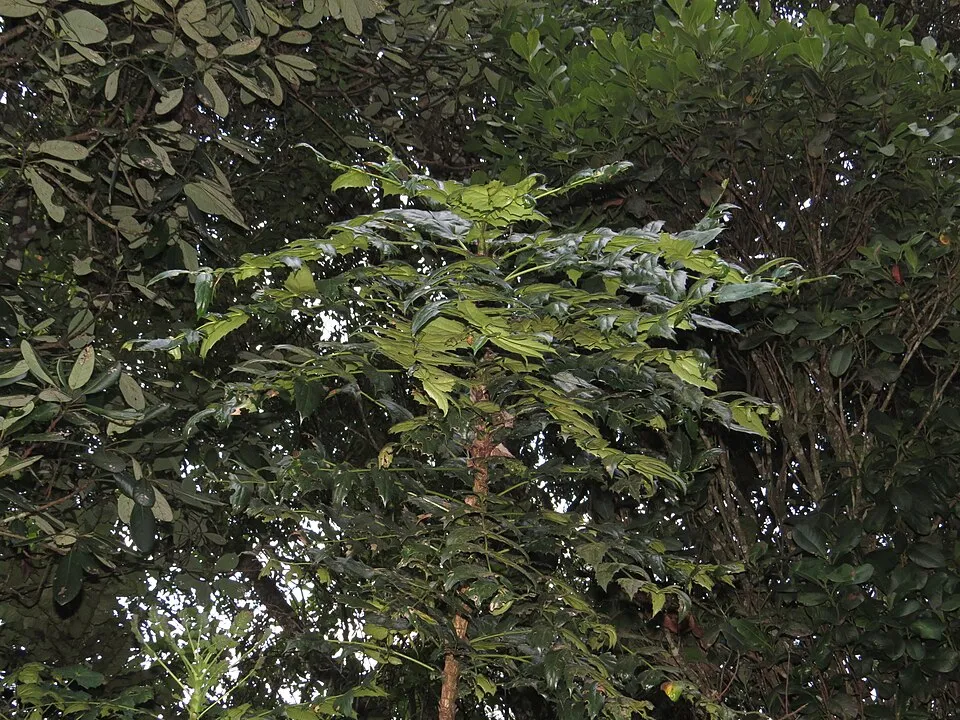
Mahonia napaulensis, widely recognized as Nepali Barberry, is an evergreen shrub native to the temperate Himalayan regions, thriving at altitudes between 1200 and 3000 meters across Nepal, Bhutan, Sikkim, and parts of Northern India, including Uttar Pradesh. This robust member of the Berberidaceae family typically attains a height of 1 to 2.5 meters, occasionally reaching up to 3 meters in optimal conditions, with a spread of similar dimensions. Its striking morphology features pinnate leaves, composed of 5 to 9 leaflets, which are a glossy dark green and measure approximately 5 to 15 cm in length. The leaflets possess prominent serrated or spiny margins, contributing to the plant's ornamental appeal and providing a defensive mechanism against herbivores. The plant's architecture is characterized by stout, woody stems that, when cut, reveal a distinctive bright yellow inner bark—a tell-tale sign of its rich alkaloid content, particularly berberine.
In early spring, typically from March to April, Mahonia napaulensis bursts into a vibrant display of golden-yellow flowers. These small, cup-shaped blossoms, each about 1.5 cm in diameter, are borne in dense, elongated clusters or racemes, emitting a delicate, sweet fragrance that attracts various insect pollinators. Following successful pollination, the flowers give way to small, ovoid berries, approximately 12 mm long, which mature to a dark blue-black or purplish hue. These succulent fruits, though tart, are edible and serve as a crucial food source for local bird populations and other wildlife, aiding in seed dispersal. Ecologically, Nepali Barberry prefers well-drained, slightly acidic to neutral soils, often forming dense thickets within the understory of oak and rhododendron forests, or amongst pine and broadleaf woodland.
It exhibits a preference for semi-shaded to dappled shade conditions, though it can tolerate full sun if provided with adequate moisture. The species is known for its hardiness, generally thriving in USDA zones 5-9, and is considered tolerant of heavy clay soils. Taxonomically, Mahonia napaulensis is classified under the order Ranunculales, and its close relationship with the genus Berberis has led to ongoing discussions regarding its classification, with some botanists considering Mahonia to be a subgenus of Berberis. Its historical significance in traditional medicine systems across Asia underscores its enduring value. Trusted Scientific References Authoritative external sources for M ...[CURRENT TEXT EXISTS: 2671 chars]
1.1.Mahonia Napaulensis — Distinguishing Points
- ✓Botanical Identity — Mahonia napaulensis, known as Nepali Barberry, belongs to the Berberidaceae family.
- ✓Geographic Origin — Native to the Himalayan regions of Nepal, Bhutan, Sikkim, and Northern India.
- ✓Morphology — Evergreen shrub growing 1-2.5 meters tall with glossy, pinnate leaves and spiny margins.
- ✓Flowering — Produces fragrant, vibrant yellow flowers in dense clusters from March to April.
- ✓Fruiting — Bears small, edible blue-black or purplish ovoid berries, about 12 mm long.
- ✓Distinctive Feature — Characterized by a bright yellow inner bark, indicative of high alkaloid content.
- ✓Primary Constituent — Rich in the isoquinoline alkaloid berberine, a compound with extensive medicinal properties.
- ✓Traditional Uses — Utilized in Ayurveda and Traditional Chinese Medicine for diverse therapeutic applications.
- ✓Medicinal Actions — Exhibits strong antimicrobial, anti-inflammatory, antioxidant, and immunomodulatory effects.
- ✓Organ System Support — Particularly noted for supporting digestive health, liver function, and blood sugar regulation.
- ✓Cultivation Adaptability — Grows well in semi-shade to full sun, preferring moist, well-drained, slightly acidic to neutral soils.
- ✓Propagation — Can be propagated effectively by seeds, stem cuttings, or division of suckers.
- ✓Safety Considerations — Potent herb with significant contraindications, especially for pregnant/breastfeeding individuals and infants.
- ✓SEO Relevance — High interest for natural health, traditional medicine, and botanical research communities.
1.2.Mahonia Napaulensis — In Brief
- ✓Nepali Barberry (Mahonia napaulensis) is an evergreen shrub from the Himalayas known for its vivid yellow flowers and blue-black berries.
- ✓Rich in the alkaloid berberine, it offers potent antimicrobial, anti-inflammatory, and antioxidant benefits.
- ✓Traditionally used in Ayurveda and TCM for digestive issues, liver support, infections, and skin ailments.
- ✓Key actions include improving gut health, regulating blood sugar, and supporting cardiovascular function.
- ✓Cultivation is straightforward in semi-shade and well-drained, moist soil.
- ✓Preparation methods include decoctions, tinctures, and edible berries.
- ✓Contraindicated in pregnancy, breastfeeding, and infants; caution with certain medications and medical conditions.
- ✓Always consult a healthcare professional before use due to its potent medicinal properties.
2.Mahonia Napaulensis — Scientific Identity
3.Mahonia Napaulensis — Vital Statistics
4.Mahonia Napaulensis — Botanical Features
5.Mahonia Napaulensis — Origin & Spread
6.Mahonia Napaulensis — Folk Medicine Applications
7.Mahonia Napaulensis — Phytochemistry
- ✓Isoquinoline Alkaloids — Berberine is the most prominent alkaloid, responsible for many of Mahonia napaulensis's medicinal properties including potent antimicrobial, anti-inflammatory, hypoglycemic, and hypolipidemic actions. Other significant isoquinoline alkaloids include Palmatine and Jatrorrhizine, which also contribute to its anti-inflammatory and antimicrobial profile.
- ✓Flavonoids — These are a diverse group of polyphenolic compounds such as quercetin and kaempferol derivatives, known for their strong antioxidant, anti-inflammatory, and cardioprotective activities. They help scavenge free radicals and support cellular health.
- ✓Phenolic Acids — Compounds like caffeic acid and ferulic acid contribute to the plant's antioxidant and anti-inflammatory capacity, protecting against oxidative damage and modulating immune responses.
- ✓Saponins — These glycosides possess detergent-like properties and are known for their expectorant, anti-inflammatory, and cholesterol-lowering effects, though their specific role in Mahonia napaulensis is less studied than alkaloids.
- ✓Tannins — Present in the bark and leaves, tannins are astringent compounds that contribute to antimicrobial and anti-inflammatory actions by precipitating proteins, which can aid in wound healing and reduce inflammation in mucous membranes.
- ✓Glycosides — Various glycosides are found, which can have diverse pharmacological activities depending on their sugar and aglycone moieties, often contributing to antioxidant or adaptogenic effects.
- ✓Resins — These complex mixtures of organic compounds are present in the plant and can contribute to its protective and antimicrobial properties, often forming a barrier against pathogens.
- ✓Volatile Oils — Trace amounts of volatile compounds may be present, contributing to the plant's aroma and potentially offering mild antiseptic or calming properties.
- ✓Sterols — Plant sterols such as beta-sitosterol are known for their cholesterol-lowering effects and anti-inflammatory properties, contributing to overall cardiovascular health.
8.Mahonia Napaulensis — Pharmacological Findings
- ✓Antimicrobial Action — Mahonia napaulensis, rich in berberine, exhibits potent broad-spectrum antimicrobial properties, effectively inhibiting the growth of various bacteria, fungi, viruses, and protozoa. This action is attributed to berberine's ability to disrupt microbial cell membranes, inhibit DNA and RNA synthesis, and interfere with bacterial replication, making it valuable for treating a range of infections.
- ✓Anti-inflammatory Support — The alkaloids present, particularly berberine, possess significant anti-inflammatory effects by modulating various inflammatory pathways, including the inhibition of pro-inflammatory cytokines and enzymes like COX-2. This can alleviate symptoms associated with inflammatory conditions throughout the body, from digestive tracts to joints.
- ✓Digestive Health Enhancement — Traditionally used to address digestive disorders, Mahonia napaulensis helps regulate gut motility, reduce intestinal inflammation, and combat pathogenic bacteria responsible for conditions like dysentery and traveler's diarrhea. Berberine supports a healthy gut microbiome while targeting harmful invaders.
- ✓Liver and Gallbladder Support — In Ayurvedic medicine, Nepali Barberry is valued for its hepatoprotective qualities, promoting liver detoxification pathways and stimulating bile flow. This choleretic and cholagogue action aids in fat digestion, nutrient absorption, and the elimination of metabolic waste products, contributing to overall liver health.
- ✓Blood Sugar Regulation — Research suggests berberine can improve insulin sensitivity, reduce glucose production in the liver, and enhance glucose uptake by cells, making it a valuable adjunct for managing blood sugar levels and supporting metabolic health.
- ✓Cardiovascular Health — Mahonia napaulensis may contribute to cardiovascular well-being by helping to lower LDL cholesterol and triglyceride levels, and by supporting healthy blood pressure. Its anti-inflammatory and antioxidant actions also protect vascular endothelial cells.
- ✓Skin Condition Management — Applied topically or consumed internally, the plant's anti-inflammatory and antimicrobial properties are beneficial for alleviating skin ailments such as eczema, psoriasis, and acne. It helps reduce redness, itching, and infection associated with various dermatological issues.
- ✓Antioxidant Activity — The plant contains various phenolic compounds and alkaloids that act as potent antioxidants, neutralizing harmful free radicals and reducing oxidative stress throughout the body. This protective effect contributes to cellular health and may slow aging processes.
- ✓Immunomodulatory Effects — Mahonia napaulensis can modulate the immune system, enhancing its ability to respond to pathogens while also helping to calm overactive immune responses. This dual action supports balanced immune function.
- ✓Analgesic Properties — The plant's anti-inflammatory and neuroprotective effects may contribute to its traditional use as an analgesic, helping to reduce pain, particularly that associated with inflammation or nerve discomfort.
- ✓Eye Health Support — A decoction of the bark has been traditionally used as eye drops to treat inflammations of the eyes, leveraging its antimicrobial and anti-inflammatory compounds to soothe irritation and combat infection.
- ✓Tonic and Bitter Action — Berberine acts as a bitter tonic, stimulating digestive secretions and improving overall physiological tone. This traditional tonic effect can enhance appetite, digestion, and nutrient assimilation, promoting general well-being.
- ✓Anti-tumour Potential — Preliminary in vitro studies have indicated that berberine, a key constituent, possesses antitumour activity by inducing apoptosis in cancer cells and inhibiting their proliferation. Further research is ongoing to explore its chemopreventive and therapeutic applications.
- ✓Diuretic and Demulcent Effects — The fruits are traditionally considered diuretic, promoting increased urine output to aid in fluid balance and detoxification, and demulcent, providing a soothing, protective effect on mucous membranes.
8.1.Mahonia Napaulensis — Reported Uses
9.Mahonia Napaulensis — Safety Considerations
9.1.Mahonia Napaulensis — Reported Side Effects
- ✓Gastrointestinal Upset — High doses may lead to nausea, vomiting, diarrhea, abdominal cramps, or constipation due to berberine's potent effects on the digestive system.
- ✓Hypotension — Berberine can lower blood pressure; individuals with hypotension or those on antihypertensive medications should use with caution.
- ✓Uterine Contractions — Due to its emmenagogue properties, Mahonia napaulensis may stimulate uterine contractions and is contraindicated in pregnancy.
- ✓Jaundice in Infants — Berberine can displace bilirubin from albumin, potentially leading to kernicterus in newborns; therefore, it is contraindicated in pregnant and breastfeeding women and infants.
- ✓Drug Interactions — Can interact with various medications including blood thinners, antidiabetics, antihypertensives, and drugs metabolized by the CYP450 enzyme system, potentially altering their efficacy or increasing side effects.
- ✓Allergic Reactions — Although rare, some individuals may experience allergic reactions such as skin rashes, itching, or respiratory distress.
- ✓Liver Enzyme Elevation — In sensitive individuals or with prolonged high doses, there might be a potential for elevated liver enzymes, warranting caution in those with pre-existing liver conditions.
- ✓Interaction with Liquorice — The PFAF source indicates that berberine should not be used with Glycyrrhiza species (Liquorice) as it may nullify the effects of berberine.
9.2.Mahonia Napaulensis — Toxicity Assessment
- ✓Pregnancy and Breastfeeding — Strictly contraindicated due to the risk of uterine stimulation and potential for bilirubin displacement in infants.
- ✓Infants and Young Children — Avoid use in infants and young children due to sensitivity and potential for adverse effects.
- ✓Pre-existing Conditions — Individuals with liver disease, gallbladder conditions, diabetes, or hypotension should exercise extreme caution and consult a healthcare professional.
- ✓Drug Interactions — Consult a physician or pharmacist before use if taking any medications, especially blood thinners, antidiabetics, antihypertensives, or immunosuppressants.
- ✓Dosage Adherence — Always adhere to recommended dosages from qualified healthcare practitioners or reputable sources; high doses can increase the risk of side effects.
- ✓Duration of Use — Long-term continuous use is generally not recommended without professional guidance, as berberine's effects can be potent and cumulative.
- ✓Professional Consultation — It is highly recommended to consult a qualified medical herbalist or healthcare provider before incorporating Mahonia napaulensis into any treatment regimen.
- ✓Quality Sourcing — Ensure plant material is sourced from reputable suppliers to guarantee purity, potency, and absence of contaminants.
- ✓Topical Use — When used topically, perform a patch test on a small area of skin to check for any adverse reactions before widespread application.
- ✓Ophthalmic Use — Only use highly diluted, sterile, and particulate-free preparations for eye applications, and discontinue use immediately if irritation occurs.
10.Mahonia Napaulensis — Preparations & Uses
- ✓Decoction of Root/Bark — Prepare by simmering dried root or bark in water for 15-20 minutes; traditionally used internally for infections, digestive issues, and liver support, and externally as a wash.
- ✓Tincture — Macerate dried root or bark in alcohol (e.g., vodka or grain alcohol) for several weeks to extract active compounds; dosage typically measured in drops or small spoonfuls.
- ✓Infusion (Leaf) — Steep dried leaves in hot water for 10-15 minutes to create a tea, often used for its milder tonic and antioxidant properties.
- ✓Topical Poultice/Compress — Crush fresh or rehydrated dried leaves/bark to apply directly to skin ailments like eczema or minor wounds, covered with a cloth.
- ✓Eye Drops (Bark Decoction) — A highly diluted and strained decoction of the bark can be used topically for eye inflammations, ensuring it is sterile and free from particulates.
- ✓Edible Berries (Raw) — The ripe, ovoid berries can be eaten fresh, though their tart flavor is best appreciated when added to muesli, porridge, or other dishes.
- ✓Edible Berries (Cooked) — Berries can be cooked into jams, jellies, pies, or sauces to moderate their acidity and enhance flavor.
- ✓Dried Berries — The fruit can be dried and consumed similarly to raisins, providing a nutritious snack or ingredient in baked goods.
- ✓Powdered Root/Bark — Dried plant material can be ground into a fine powder for encapsulation or mixing into beverages/foods, offering a concentrated form of its medicinal compounds.
- ✓Syrups/Elixirs — Combine decoctions or tinctures with honey or glycerin to create palatable syrups, particularly useful for children or those sensitive to alcohol.
11.Mahonia Napaulensis — Garden Cultivation
- ✓Site Selection — Prefers a sheltered, semi-shaded to dappled shade location, ideally protected from harsh, cold winds, though it can tolerate full sun in moist conditions.
- ✓Soil Requirements — Thrives in any good garden soil, including heavy clay, but prefers moist, well-drained, humus-rich soil that is slightly acidic to neutral in pH.
- ✓Hardiness Zones — Suitable for USDA hardiness zones 5-9 and UK zone 6, though young growth can be susceptible to late frosts in colder regions.
- ✓Watering — Requires consistently moist soil, especially during dry periods, but avoids waterlogging to prevent root rot.
- ✓Fertilization — Benefits from an annual application of compost or a balanced slow-release fertilizer in spring to support vigorous growth.
- ✓Propagation by Seed — Best sown as soon as ripe in a cold frame; 'green' seed germinates faster, while stored seed benefits from 3 weeks of cold stratification.
- ✓Propagation by Cuttings — Half-ripe wood cuttings, about 15 cm long, can be taken in July and rooted in individual pots within a frame.
- ✓Propagation by Division — Suckers can be divided in spring; better results are achieved by potting them up in a frame until established before planting out.
- ✓Pruning — Generally requires minimal pruning, primarily for shaping or removing dead/damaged branches after flowering.
- ✓Pest and Disease Management — Generally resistant to most pests and diseases, including honey fungus, making it a low-maintenance plant.
Reviewed by the Flora Medical Global Botanical Review Panel
Multi-disciplinary editorial group · Botany · Ethnobotany · Herbal-medicine literature
Who reviewed this: This page was checked by the Flora Medical Global Botanical Review Panel — an in-house editorial group of botany graduates, ethnobotany researchers, and horticulture practitioners who collectively maintain our 7,000+ plant encyclopedia. Meet the team.
Our 4-step verification process
1. Taxonomic verification
Scientific names and synonyms cross-checked against Kew POWO, World Flora Online, and The Plant List.
2. Phytochemical & medicinal cross-reference
Active compounds, traditional uses, and reported activities are cross-referenced with PubMed, USDA Dr. Duke's database, and peer-reviewed ethnobotanical literature.
3. Conservation & distribution check
Distribution, ecology, and conservation status confirmed against GBIF occurrence records and the IUCN Red List.
4. Editorial & safety review
Every entry passes an editorial pass for clarity, originality, and safety notices (toxicity, contraindications, dosage caveats) before publication.
Last reviewed:
Important medical disclaimer: This content is for educational and research purposes only. It is not medical advice and is not a substitute for consultation with a licensed healthcare provider. Do not use any herb to self-treat a medical condition without professional guidance.
Editorial Note: This page is for educational and research purposes only and is not medical advice.
Written by: Flora Medical Global Editorial Team
Reviewed by: Flora Medical Global Botanical Review Panel
Last Updated: June 15, 2026





Mahonia Napaulensis — Comments & Community Reviews
Rate this plant