


Medical Disclaimer: This content is for educational purposes only. It is not medical advice. Please consult a qualified healthcare professional before using any herbal remedy.
Safety Overview
1.Makhana (Fox Nut) — Introduction & Highlights
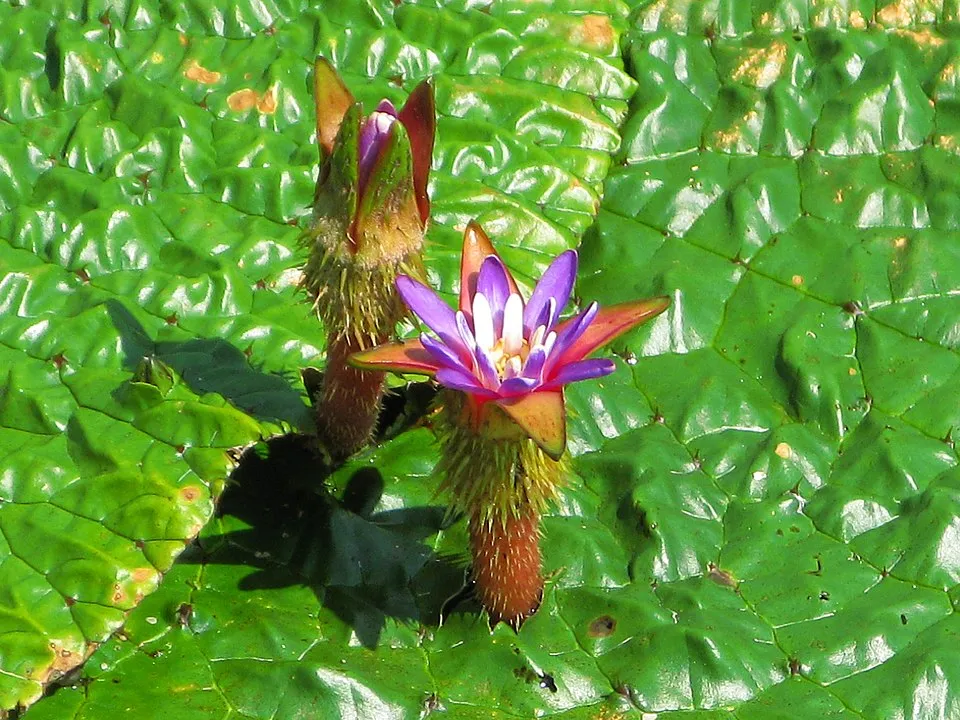
Euryale ferox, universally recognized as Makhana or Fox Nut, is a captivating aquatic perennial belonging to the Nymphaeaceae family, specifically within the subfamily Euryalinae. This unique plant thrives in the tranquil freshwater ecosystems of India, Nepal, and China, particularly in regions like Bihar's floodplains and Jiangxi province. It flourishes in shallow, slow-moving waters with loamy or silty-muddy bottoms, preferring warm, sunlit conditions at depths of approximately 1.5 meters (5 feet). The plant's morphology is striking: it features expansive, circular leaves that can grow up to 60 cm (2 feet) in diameter, characterized by a thick, waxy, and leathery upper surface that ensures buoyancy. These formidable lily pads anchor the plant while allowing its vibrant white to pale pink flowers, each reaching up to 10 cm (4 inches) across, to emerge just above the water surface from June to August.
These flowers eventually give way to singular, round seeds—the prized fox nuts—enclosed within spiky pods that develop beneath the water. The stems are elongated and hollow, perfectly adapted for an aquatic existence. Historically, Euryale ferox holds deep cultural and medicinal significance. Records from 8th-century CE Buddhist monasteries in Bihar highlight its use as a satiating food for monks during fasting. Classical Sanskrit texts, such as the 12th-century Rasaratna Samuccaya, laud its capacity to bolster Ojas, the vital essence, while Maharshi Charaka noted its role in pacifying Vata and Kapha doshas.
Traditional Tibetan medicine classified it as 'Ma Gnaga,' recommending it for 'wind-cold' ailments affecting joints and lower back pain. In rural Bengal, Makhana kheer was a staple for lactating mothers, valued for its nutritive profile. Mughal kitchens incorporated popped makhana into royal sweets, cementing its culinary versatility. After a period of reduced global visibility, the late 20th century saw its resurgence as a health-food advocate's delight, celebrated for its low-fat, gluten-free, and nutrient-dense properties, transitioning from an obscure pond plant to an internationally recognized superfood.
Trusted Scientific References
1. Authoritative external sources for Euryale ferox
1.1 Wikipedia — Euryale ferox
1.2 Kew POWO (Plants of the World Online)
1.3 PubMed — peer-reviewed research
1.4 NCBI Taxonomy Browser
1.5 GBIF — Global Biodiversity
1.1.Makhana (Fox Nut) — Defining Traits
- ✓Aquatic perennial plant — Aquatic perennial plant thriving in freshwater environments.
- ✓Produces large, circular, — Produces large, circular, buoyant leaves up to 60 cm in diameter.
- ✓Bears vibrant white — Bears vibrant white to pale pink flowers (up to 10 cm).
- ✓Edible seeds, known — Edible seeds, known as Makhana or Fox Nut, are harvested from spiky pods.
- ✓Member of the — Member of the Nymphaeaceae family, related to water lilies.
- ✓Native to India, — Native to India, Nepal, and China, with significant cultural importance.
- ✓Seeds are rich — Seeds are rich in carbohydrates, proteins, and dietary fiber.
- ✓Excellent source of — Excellent source of essential minerals like magnesium, potassium, and phosphorus.
- ✓Naturally gluten — free and low in fat, making it a healthy snack alternative.
- ✓Possesses potent antioxidant and anti — inflammatory properties.
- ✓Revered in Ayurveda — Revered in Ayurveda as an aphrodisiac and for strengthening vital essence (Ojas).
- ✓Contributes to improved — Contributes to improved digestion, cardiovascular health, and bone strength.
- ✓Helps in blood — Helps in blood sugar regulation and can aid in weight management.
- ✓Used in traditional — Used in traditional medicine systems for a wide array of therapeutic benefits.
- ✓Adaptable to various — Adaptable to various culinary preparations, from snacks to desserts and curries.
1.2.Makhana (Fox Nut) — Concise Overview
- ✓Nutrient-dense aquatic seed originating from Asia, known as Makhana or Fox Nut.
- ✓Highly valued in Ayurveda for its aphrodisiac, cardiotonic, and digestive benefits.
- ✓Rich in carbohydrates, protein, dietary fiber, magnesium, potassium, and antioxidants.
- ✓Supports heart health, bone density, blood sugar regulation, and digestive function.
- ✓A naturally gluten-free, low-fat, and satisfying snack option.
- ✓Traditionally used to bolster Ojas and pacify Vata and Kapha doshas.
- ✓Contains bioactive compounds like gallic acid, quercetin, and ellagic acid.
- ✓Generally safe as food, but medicinal doses require professional consultation and caution.
2.Makhana (Fox Nut) — Taxonomic Classification
3.Makhana (Fox Nut) — Botanical Stats
4.Makhana (Fox Nut) — Morphological Account
5.Makhana (Fox Nut) — Where It Grows
6.Makhana (Fox Nut) — Ethnobotanical Uses
7.Makhana (Fox Nut) — Secondary Metabolites
- ✓Gallic Acid — A powerful phenolic antioxidant known for its ability to scavenge free radicals, protecting cells from oxidative stress and exhibiting anti-inflammatory properties.
- ✓Ellagic Acid — This potent antioxidant and anti-inflammatory compound has shown potential anticancer properties in preliminary lab tests on colon cells, contributing to cellular protection.
- ✓Quercetin Glycosides — Flavonoids recognized for their cardiovascular protective effects, including modulating inflammatory pathways and reducing LDL oxidation, thereby supporting heart health.
- ✓Proanthocyanidins — These compounds contribute to strengthening capillary walls, which can improve circulation and potentially reduce edema, supporting vascular integrity.
- ✓Starch — Comprising a significant portion of the seeds, its slow-digesting nature helps stabilize blood sugar levels and provides sustained energy.
- ✓Protein — Euryale ferox seeds contain essential amino acids, making them a valuable protein source that complements grain-based diets and supports muscle health.
- ✓Calcium — A vital mineral abundantly present, crucial for maintaining bone mineral density, nerve function, and muscle contraction.
- ✓Magnesium — Essential for numerous enzymatic reactions, muscle and nerve function, blood glucose control, and blood pressure regulation.
- ✓Phosphorus — Plays a critical role in bone and tooth formation, energy metabolism, and cellular repair.
- ✓Iron — Necessary for oxygen transport in the blood and various metabolic processes, contributing to energy production and preventing anemia.
- ✓Zinc — Important for immune function, wound healing, DNA synthesis, and sensory perception.
- ✓Tannins — Contribute to the astringent properties of Makhana and possess antioxidant and anti-inflammatory effects.
- ✓Flavonoids — A broad class of plant compounds with diverse pharmacological activities, including antioxidant, anti-inflammatory, and cardioprotective effects.
- ✓Saponins — Natural compounds that may contribute to cholesterol-lowering and immune-modulating activities.
- ✓Alkaloids — While less prominent, certain alkaloid traces may contribute to the plant's overall bioactivity.
8.Makhana (Fox Nut) — Modern Studies
- ✓Anti-Inflammatory & Joint Support — A 2019 Indian Journal of Pharmacology study on rats demonstrated that fox nut extract significantly reduced paw edema, suggesting its potential in alleviating inflammatory conditions and supporting joint health by modulating inflammatory pathways.
- ✓Digestive Health Improvement — A 2021 pilot human trial indicated that regular consumption of popped makhana enhanced bowel regularity and mitigated bloating, attributing these effects to its resistant starch content which ferments into beneficial short-chain fatty acids in the colon.
- ✓Blood Sugar Regulation — In a small crossover study, pre-diabetic individuals consuming fox nuts before meals exhibited notably lower postprandial glucose peaks, suggesting its role in stabilizing blood sugar levels and potentially aiding diabetes management.
- ✓Potent Antioxidant Capacity — In vitro assays have revealed substantial DPPH radical scavenging activity, indicating that Euryale ferox possesses significant antioxidant power comparable to many berries, thus protecting cells from oxidative stress.
- ✓Cardiovascular Health Support — A randomized trial observed that consistent daily intake of makhana correlated with modest reductions in total cholesterol and LDL levels in middle-aged adults, contributing to improved heart health.
- ✓Bone and Kidney Health Enhancement — Rich in calcium, makhana supports bone mineral density, while its tannins and flavonoids exhibit mild diuretic properties, assisting in fluid balance and kidney function.
- ✓Cognitive Function Booster — Preliminary animal studies have hinted at memory-enhancing effects, potentially through acetylcholinesterase inhibition, though further human research is required to fully substantiate these claims.
- ✓Weight Management Aid — A satiety index test demonstrated that popped makhana induced a greater feeling of fullness for extended periods compared to other snacks like potato chips, making it an excellent choice for mindful snacking and appetite control.
- ✓Aphrodisiac Properties — In Ayurvedic medicine, Makhana is traditionally revered as an aphrodisiac, believed to enhance vitality and reproductive health, addressing conditions such as infertility, erectile dysfunction, and premature ejaculation.
- ✓Ojas Bolstering — Classical Ayurvedic texts praise makhana for its ability to strengthen Ojas, the vital essence, thereby promoting overall physical and mental vigor, immunity, and well-being.
- ✓Vata and Kapha Pacification — According to Ayurvedic principles, the sweet (madhura) and cooling (sheeta) nature of makhana helps to pacify aggravated Vata and Kapha doshas, restoring balance and harmony within the body.
- ✓Astringent Action — Makhana possesses astringent qualities, which can be beneficial in toning tissues, reducing excessive secretions, and supporting gastrointestinal health.
- ✓Diuretic Effect — Its mild diuretic action aids in promoting healthy urination and fluid balance, contributing to the body's natural detoxification processes.
- ✓Cardiotonic Properties — Traditionally considered a cardiotonic, Euryale ferox is believed to strengthen heart function and support overall cardiovascular system vitality.
- ✓Strengthens the Body — Regular consumption of makhana is thought to contribute to overall body strengthening, enhancing physical resilience and endurance.
- ✓Alleviates Joint Pain — Its anti-inflammatory properties extend to traditional uses for alleviating joint pain, making it a supportive remedy for musculoskeletal discomfort.
- ✓Spleen Health Support — In traditional systems, makhana is valued for its benefits to spleen health, which plays a crucial role in digestion, immunity, and blood filtration.
8.1.Makhana (Fox Nut) — Health Applications
9.Makhana (Fox Nut) — Adverse Effects
9.1.Makhana (Fox Nut) — Warnings
- ✓Gastrointestinal Upset — Overconsumption, particularly more than 60g in a single sitting, may lead to constipation, bloating, or gas due to its high starch and tannin content.
- ✓Oxalate Content — Individuals prone to kidney stones or with high oxalate sensitivity should exercise caution, as makhana contains mild levels of oxalates.
- ✓Blood Sugar Interaction — May potentiate the effects of hypoglycemic medications, requiring close monitoring of blood glucose levels in diabetic patients and potential medication adjustments.
- ✓Diuretic Interaction — Concurrent use with diuretic medications could lead to an additive effect, potentially amplifying fluid loss and necessitating careful monitoring of electrolyte balance.
- ✓Anticoagulant Interaction — The flavonoid content in makhana might theoretically alter bleeding risk, thus individuals on anticoagulant therapy should monitor clotting times and consult a healthcare provider.
- ✓Allergic Reactions — Rare, but individuals with known plant allergies or mast cell activation syndromes may experience adverse reactions.
- ✓Digestive Discomfort — For some sensitive individuals, the fiber content might initially cause mild digestive discomfort until the body adjusts.
- ✓Hypotension Risk — In very high doses, its mild hypotensive effect might be noticeable in individuals already on blood pressure-lowering medications.
9.2.Makhana (Fox Nut) — Safety Overview
- ✓General Consumption — Euryale ferox is generally considered safe and well-tolerated when consumed as a food in moderate amounts.
- ✓Medicinal Doses — Higher therapeutic doses warrant caution and should only be undertaken under the guidance of a qualified Ayurvedic or medical practitioner.
- ✓Pregnancy and Lactation — Pregnant women, especially during the first trimester, and lactating mothers should limit intake to 20g/day unless advised otherwise by a healthcare professional.
- ✓Children — Children under five years old should start with a small daily intake, typically around 5g/day, under adult supervision.
- ✓Kidney Stone Risk — Individuals with a history of kidney stones or high oxalate sensitivity should consume makhana in moderation and ensure adequate hydration.
- ✓Diabetic Patients — Those with diabetes should monitor blood glucose levels closely when incorporating makhana into their diet, especially if on medication, due to its blood sugar regulating effects.
- ✓Chronic Medications — Patients on chronic medications, particularly diuretics or anticoagulants, must consult their doctor before regular therapeutic use of makhana to avoid potential drug interactions.
- ✓Pre-existing Conditions — Individuals with pre-existing liver or kidney issues should seek professional medical advice before engaging in prolonged therapeutic use.
- ✓Allergies — Avoid if there is a known allergy or hypersensitivity to Euryale ferox or other Nymphaeaceae family plants.
- ✓Storage — Store dried and popped makhana in airtight containers in a cool, dry place to prevent moisture absorption and spoilage.
10.Makhana (Fox Nut) — Application Forms
- ✓As a Popped Snack — The most common method, popped makhana can be consumed plain, roasted with ghee and spices (turmeric, black pepper, salt), or flavored for a healthy, gluten-free snack.
- ✓In Culinary Dishes — Used in various Indian sweets (kheer, mithais), savory curries, puddings, or added to raita and salads for crunch.
- ✓Seed Powder Form — Dried makhana seeds can be ground into a fine powder and mixed with warm water, milk, or herbal decoctions for internal consumption.
- ✓Hot Infusion — For a mild anti-inflammatory effect, soak 10g of seeds overnight, then boil in 300ml of water, steep for 10 minutes, and strain before drinking.
- ✓Therapeutic Decoction — Seeds can be boiled with other herbs to create a concentrated decoction for specific Ayurvedic treatments, under professional guidance.
- ✓As a Thickener — Makhana powder can serve as a gluten-free thickening agent in soups, gravies, and sauces.
- ✓Extracts or Tinctures — Standardized hydroalcoholic extracts (e.g., 1:5 ratio) can be taken in doses of 2–4ml three times daily for targeted therapeutic effects, especially for joint pain, but require professional supervision.
- ✓For Lactating Mothers — Prepared into milk-based puddings (kheer) to support milk production and provide nourishment, as per traditional Bengali practice.
- ✓Fasting Food — Consumed during religious fasts due to its satiating and light energy-releasing properties, as historically noted in Buddhist monasteries.
- ✓Energy Booster — Ideal as a pre- or post-workout snack for sustained energy release due to its slow-digesting carbohydrates.
11.Makhana (Fox Nut) — Propagation & Care
- ✓Optimal Environment — Euryale ferox thrives in shallow, slow-moving freshwater bodies such as ponds, lagoons, and calm river backwaters.
- ✓Soil Preference — Requires loamy or silty-muddy bottoms that are rich in organic matter for optimal growth.
- ✓Climatic Conditions — Prefers subtropical climates with warm temperatures and ample sunlight, flourishing in sunlit areas.
- ✓Water Depth — Ideal growth occurs in water depths of around 1.5 meters (5 feet), allowing the leaves to float freely.
- ✓Propagation — Primarily propagated by seeds, which naturally disperse or are manually sown in suitable aquatic environments.
- ✓Harvesting Period — The pods are typically harvested at full maturity, usually in mid-autumn before the onset of frost, when the seeds inside are audible when shaken.
- ✓Seed Processing — After harvesting, the seeds are carefully extracted from their spiky pods.
- ✓Drying — Seeds must be thoroughly sun-dried to achieve less than 10% moisture content, which is crucial for preventing mold growth and extending shelf life.
- ✓Popping Process — Dried seeds are traditionally roasted in hot sand or oil, then popped to create the characteristic light and airy makhana snack.
- ✓Sustainable Practices — Emphasizes traditional, low-impact harvesting methods to maintain ecological balance and preserve natural habitats.
Reviewed by the Flora Medical Global Botanical Review Panel
Multi-disciplinary editorial group · Botany · Ethnobotany · Herbal-medicine literature
Who reviewed this: This page was checked by the Flora Medical Global Botanical Review Panel — an in-house editorial group of botany graduates, ethnobotany researchers, and horticulture practitioners who collectively maintain our 7,000+ plant encyclopedia. Meet the team.
Our 4-step verification process
1. Taxonomic verification
Scientific names and synonyms cross-checked against Kew POWO, World Flora Online, and The Plant List.
2. Phytochemical & medicinal cross-reference
Active compounds, traditional uses, and reported activities are cross-referenced with PubMed, USDA Dr. Duke's database, and peer-reviewed ethnobotanical literature.
3. Conservation & distribution check
Distribution, ecology, and conservation status confirmed against GBIF occurrence records and the IUCN Red List.
4. Editorial & safety review
Every entry passes an editorial pass for clarity, originality, and safety notices (toxicity, contraindications, dosage caveats) before publication.
Last reviewed:
Important medical disclaimer: This content is for educational and research purposes only. It is not medical advice and is not a substitute for consultation with a licensed healthcare provider. Do not use any herb to self-treat a medical condition without professional guidance.
Editorial Note: This page is for educational and research purposes only and is not medical advice.
Written by: Flora Medical Global Editorial Team
Reviewed by: Flora Medical Global Botanical Review Panel
Last Updated: June 15, 2026





Makhana (Fox Nut) — Comments & Community Reviews
Rate this plant