


Medical Disclaimer: This content is for educational purposes only. It is not medical advice. Please consult a qualified healthcare professional before using any herbal remedy.
Safety Overview
1.Malabar Spinach — Introduction & Highlights
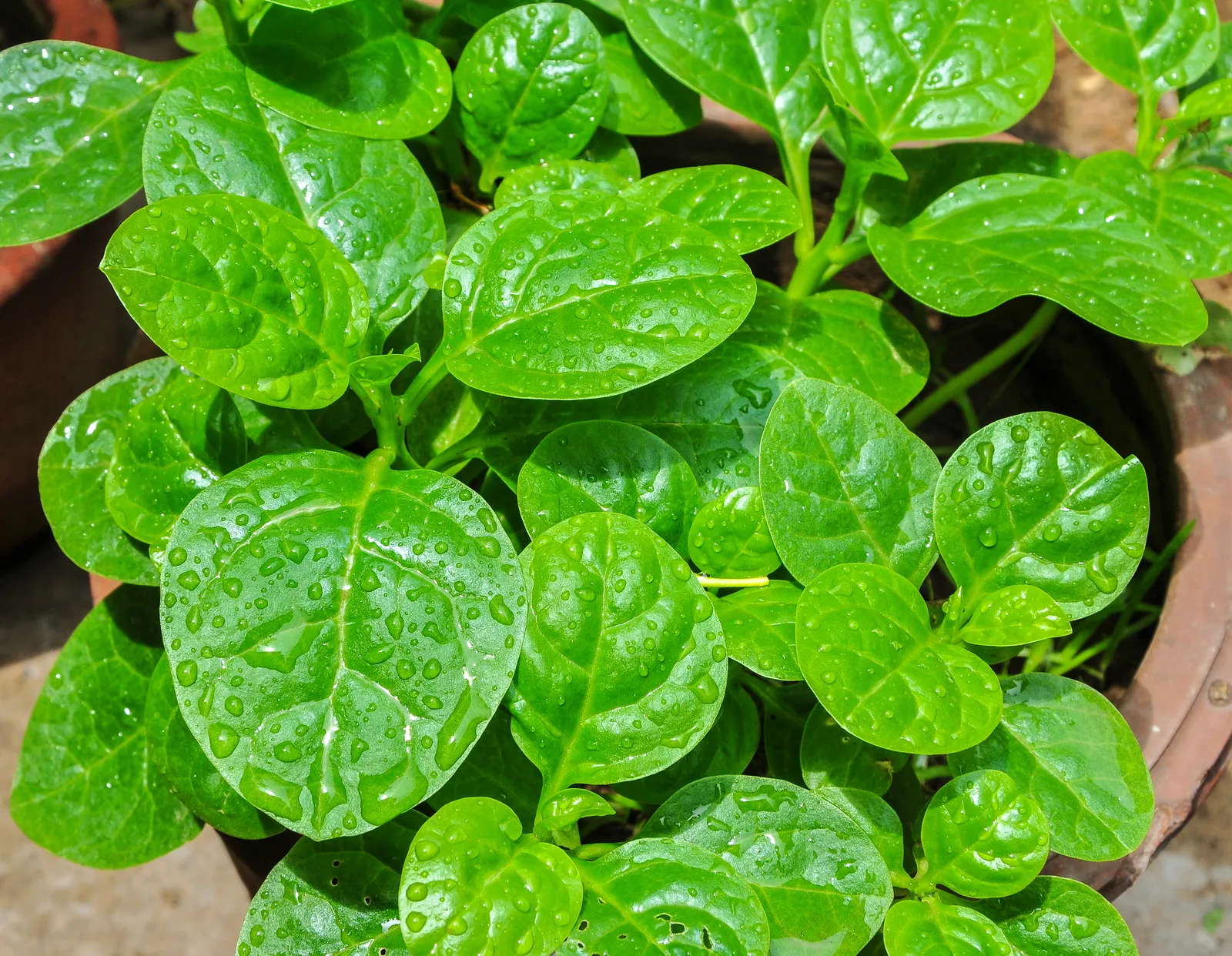
Malabar spinach, scientifically known as Basella alba, is a captivating and highly nutritious leafy green vine belonging to the Basellaceae family. Native to the tropical regions of Asia and Africa, this vigorous climber is widely cultivated across various warm and humid climates globally, appreciated for both its culinary versatility and ornamental appeal. Often referred to by other common names such as Indian spinach, Ceylon spinach, vine spinach, or climbing spinach, it stands apart from true spinach (Spinacia oleracea) by thriving in heat and humidity where its counterpart falters. Morphologically, Basella alba is a soft-stemmed, twining perennial vine that can extend up to 10 feet or more in length. It features an abundance of thick, semi-succulent leaves that are typically dark green, glossy, and range in shape from oval to heart-shaped.
These leaves are the primary edible part, known for their mild, slightly peppery flavor and distinctive mucilaginous texture, which becomes more pronounced upon cooking. The stems, depending on the variety, can be green (Basella alba) or a striking reddish-purple (Basella alba cv. 'Rubra'), adding an attractive visual dimension to gardens. Small, bisexual flowers appear on short spikes in the leaf axils, leading to the development of small, purple-black berries (drupes), which are also edible and historically used as a natural food colorant or dye. Its geographic distribution spans from its origins in tropical Asia and Africa, where it has been a staple food for centuries, to its widespread cultivation in the Americas, Australia, and other subtropical and tropical zones.
Historically, Malabar spinach has been valued not only as a resilient food source but also for its traditional medicinal uses across various indigenous cultures, predating modern botanical classification. Its ability to flourish in diverse settings, including poor soils and even under flood-tolerant conditions, underscores its adaptability and significance as a reliable crop, particularly in subsistence farming. Taxonomically, it is classified within the genus Basella, which includes only a few species, all characterized by their vining habit and succulent leaves. The species name 'alba' typically refers to the green-stemmed variety, while 'rubra' denotes the red-stemmed cultivar, though both are often considered within Basella alba. Its cultivation has expanded beyond traditional agricultural settings into urban farming, edible landscaping, and even ...[CURRENT TEXT EXISTS: 2801 chars]
1.1.Malabar Spinach — Standout Qualities
- ✓Fast — growing tropical vine
- ✓Heat and humidity — Heat and humidity tolerant
- ✓Edible leaves and — Edible leaves and tender stems
- ✓Distinctive mucilaginous texture — Distinctive mucilaginous texture
- ✓Rich source of — Rich source of Vitamins A, C, K, and Folate
- ✓High in essential minerals — Iron, Calcium, Magnesium
- ✓Potent antioxidant content (Beta — carotene, Lutein)
- ✓Natural laxative properties — Natural laxative properties
- ✓Supports bone and — Supports bone and immune health
- ✓Ornamental appeal (especially red — stemmed variety)
- ✓Pest and disease — Pest and disease resistant
- ✓Versatile culinary applications — Versatile culinary applications
- ✓Can be grown — Can be grown as a perennial or annual
- ✓Suitable for various — Suitable for various growing environments, including hydroponics
- ✓Traditional medicinal uses — Traditional medicinal uses (febrifuge, diuretic, wound healing)
1.2.Malabar Spinach — In Brief
- ✓Basella alba, or Malabar spinach, is a nutritious, fast-growing, tropical leafy green vine.
- ✓Rich in vitamins A, C, K, folate, iron, calcium, and potent antioxidants like lutein.
- ✓Offers significant digestive benefits due to high fiber and mucilage, acting as a natural laxative.
- ✓Supports immune function, bone health, and vision protection.
- ✓Known for anti-inflammatory, diuretic, and febrifuge properties in traditional medicine.
- ✓Easy to cultivate in warm climates, adaptable to various growing conditions, and pest-resistant.
- ✓Versatile culinary use, from raw salads to thickening soups and curries.
- ✓Generally safe for consumption as food, but caution advised for specific health conditions due to oxalate and Vitamin K content.
2.Malabar Spinach — Scientific Profile
3.Malabar Spinach — Botanical Stats
4.Malabar Spinach — Structural Profile
5.Malabar Spinach — Geographic Distribution
6.Malabar Spinach — Historical Applications
7.Malabar Spinach — Bioactive Constituents
- ✓Vitamins — Malabar spinach is an exceptional source of several essential vitamins, including Vitamin A (as beta-carotene, lutein, zeaxanthin) crucial for vision and immune function, Vitamin C for antioxidant defense and collagen synthesis, Vitamin E for cellular protection, Vitamin K for blood clotting and bone health, and various B-vitamins like Folate (B9) important for cell division and DNA synthesis.
- ✓Minerals — This plant is mineral-rich, containing significant levels of Iron vital for oxygen transport, Calcium and Magnesium fundamental for bone density and muscle function, Potassium for electrolyte balance and blood pressure regulation, Phosphorus for energy metabolism, and Zinc for immune support and wound healing.
- ✓Antioxidants — Beyond vitamins, Basella alba harbors a potent array of non-vitamin antioxidants. These include a high concentration of Carotenoids (beta-carotene, lutein, zeaxanthin) renowned for eye health and free radical scavenging, and Chlorophylls contributing to detoxification and cellular repair.
- ✓Saponins — These naturally occurring compounds are known for their foam-forming properties and have demonstrated various pharmacological activities, including hypocholesterolemic, anti-inflammatory, and immune-modulating effects.
- ✓Flavonoids — A diverse group of polyphenolic compounds, flavonoids in Malabar spinach, such as quercetin and kaempferol derivatives, exhibit strong antioxidant, anti-inflammatory, and potentially anti-cancer properties. They contribute significantly to the plant's protective effects.
- ✓Phenolic Acids — Compounds like caffeic acid, p-coumaric acid, and ferulic acid are present, acting as powerful antioxidants and contributing to the plant's anti-inflammatory and antimicrobial activities.
- ✓Polysaccharides — The characteristic mucilaginous texture of Malabar spinach is attributed to its high content of soluble polysaccharides. These dietary fibers are beneficial for digestive health, acting as prebiotics and contributing to the plant's laxative properties.
- ✓Anthocyanins — Especially prominent in the red-stemmed variety (Basella alba 'Rubra') and in leaves under stress, anthocyanins are pigments with potent antioxidant and anti-inflammatory properties, contributing to cardiovascular health and cellular protection.
- ✓Oxalic Acid — Like many leafy greens, Malabar spinach contains oxalic acid, though generally in moderate amounts. This compound can bind with minerals, and its intake needs to be considered for individuals prone to kidney stones.
- ✓Alkaloids — While not a primary constituent, trace amounts of various alkaloids may be present, contributing to subtle physiological effects.
- ✓Steroids — Phytosteroids, such as beta-sitosterol, are present and are known for their cholesterol-lowering properties and anti-inflammatory actions.
- ✓Fatty Acids — Small amounts of essential fatty acids are found, contributing to the plant's overall nutritional profile.
8.Malabar Spinach — Modern Studies
- ✓Digestive Health Support — Malabar spinach is renowned for its natural laxative properties, primarily due to its high fiber content and mucilaginous polysaccharides. These components help to soften stool, promote regular bowel movements, and alleviate symptoms of constipation, contributing to overall gut motility.
- ✓Anemia Prevention and Treatment — Rich in bioavailable iron, Basella alba plays a crucial role in supporting hemoglobin production and preventing iron-deficiency anemia. Regular consumption can help improve red blood cell count and enhance oxygen transport throughout the body.
- ✓Bone and Dental Strength — The substantial presence of calcium, magnesium, and phosphorus in Malabar spinach contributes significantly to maintaining strong bones and teeth. These minerals are essential for bone density, reducing the risk of osteoporosis and promoting skeletal health.
- ✓Immune System Enhancement — With an exceptionally high content of Vitamin C, Malabar spinach acts as a potent immune booster. Vitamin C stimulates the production of white blood cells and enhances their function, strengthening the body’s defense against infections and illnesses.
- ✓Vision Protection and Eye Health — Loaded with potent antioxidants like beta-carotene, lutein, and zeaxanthin, Basella alba is highly beneficial for ocular health. These carotenoids protect the eyes from oxidative damage, filter harmful blue light, and reduce the risk of age-related macular degeneration and cataracts.
- ✓Anti-inflammatory Action — The plant contains various flavonoids and phenolic compounds that exhibit significant anti-inflammatory properties. These compounds help to modulate inflammatory pathways, potentially alleviating symptoms associated with chronic inflammatory conditions.
- ✓Antioxidant Defense — Beyond eye-specific carotenoids, Malabar spinach provides a broad spectrum of antioxidants, including Vitamin C and E, which combat free radicals. This antioxidative activity protects cellular integrity, reduces oxidative stress, and may contribute to preventing chronic diseases.
- ✓Diuretic Properties — Traditionally, the shoots of Malabar spinach have been recognized for their mild diuretic effects. This action can assist the body in eliminating excess water and toxins, supporting kidney function and potentially aiding in managing conditions like edema.
- ✓Febrifuge (Fever-Reducing) Effects — In traditional medicine systems, the shoots are sometimes used as a febrifuge. While the exact mechanism is still under research, it is believed to help in cooling the body and reducing fever symptoms.
- ✓Wound Healing and Skin Sores — A poultice made from Malabar spinach leaves has been traditionally applied topically to boils, sores, and minor skin irritations. The mucilaginous content and potential anti-inflammatory compounds may help soothe the skin and promote healing.
- ✓Relief from Diarrhea — Interestingly, while the shoots are laxative, the roots of Basella alba are traditionally used in some systems to treat diarrhea. This suggests a complex phytochemical profile where different plant parts exert contrasting effects, possibly due to varying compound concentrations or specific constituents.
- ✓Blood Sugar Regulation — Emerging research suggests that certain compounds in Malabar spinach may play a role in blood sugar management. Its high fiber content also helps to slow down sugar absorption, contributing to better glycemic control.
- ✓Cardiovascular Health — The potassium content aids in blood pressure regulation by counteracting sodium, while antioxidants help prevent oxidative damage to blood vessels. These combined effects contribute to maintaining a healthy cardiovascular system and reducing heart disease risk.
- ✓Detoxification Support — The diuretic and antioxidant properties, coupled with high fiber, collectively support the body's natural detoxification processes. By aiding waste elimination and protecting against cellular damage, Malabar spinach contributes to overall systemic cleansing.
- ✓Skin and Hair Vitality — Vitamins A, C, and E, along with other antioxidants, promote healthy skin by supporting collagen production, protecting against UV damage, and reducing signs of aging. The plant's nutrients also contribute to stronger, healthier hair.
8.1.Malabar Spinach — Conditions Traditionally Used For
9.Malabar Spinach — Risk Profile
9.1.Malabar Spinach — Side Effects & Warnings
- ✓Oxalate Content — Like many leafy greens, Malabar spinach contains oxalates, which can contribute to kidney stone formation in susceptible individuals, especially when consumed in very large quantities.
- ✓Allergic Reactions — Although rare, some individuals may experience allergic reactions, such as skin rashes or digestive upset, upon consuming Malabar spinach.
- ✓Digestive Discomfort — The high fiber and mucilage content, while beneficial for most, might cause mild bloating or gas in sensitive individuals unaccustomed to such dietary fiber levels.
- ✓Mineral Absorption Interference — Oxalates can bind with certain minerals like calcium and iron, potentially reducing their absorption if consumed excessively with mineral-rich meals.
- ✓Anticoagulant Interaction — Due to its Vitamin K content, Malabar spinach might theoretically interfere with anticoagulant medications like warfarin; individuals on such medication should consult a healthcare provider.
- ✓Hypotension Risk — While beneficial for blood pressure, excessive consumption could potentially lead to a drop in blood pressure in very sensitive individuals or those already on hypotensive medication.
- ✓Bitter Taste with Age — As the plant ages or under prolonged high temperatures, leaves can accumulate anthocyanins and develop a slightly bitter taste, which might be undesirable for some.
- ✓Laxative Over-Effect — While a gentle laxative, extremely large quantities might lead to overly loose stools or discomfort for some individuals.
9.2.Malabar Spinach — Clinical Safety Notes
- ✓Pregnancy and Breastfeeding — Generally considered safe in culinary amounts; however, medicinal doses should be avoided due to insufficient research on potential effects during pregnancy and lactation.
- ✓Kidney Stone Predisposition — Individuals with a history of kidney stones should consume Malabar spinach in moderation due to its oxalate content and consult their doctor.
- ✓Anticoagulant Medication Users — Patients on blood-thinning medications should exercise caution and consult a healthcare professional due to the plant's Vitamin K content, which can affect blood clotting.
- ✓Children — Safe for children in normal dietary amounts as part of a balanced diet; medicinal uses are not recommended without professional guidance.
- ✓General Population — Considered safe for most healthy individuals when consumed as a food item; no widespread reports of severe adverse effects.
- ✓Allergic Sensitivities — People with known allergies to other leafy greens or mucilaginous plants should introduce Malabar spinach cautiously.
- ✓Cooking Recommendations — Cooking can reduce oxalate content, making it a safer option for those concerned about oxalate intake.
- ✓Moderation is Key — As with any medicinal plant or highly nutritious food, moderation in consumption is advised to balance benefits and potential risks.
10.Malabar Spinach — How to Use
- ✓Raw Consumption — Young, tender Malabar spinach leaves can be eaten raw in salads, offering a mild, slightly peppery flavor and a unique succulent texture.
- ✓Sautéed Dishes — The leaves and tender stems are excellent when lightly sautéed with garlic, oil, and spices, similar to traditional spinach or kale preparations.
- ✓Steamed Vegetable — Malabar spinach can be steamed as a nutritious side dish, preserving its vibrant color and many of its heat-sensitive nutrients.
- ✓Boiled Preparations — Commonly boiled in various cuisines, it can be added to stir-fries, curries, and vegetable mixes, where its mucilaginous quality can be appreciated.
- ✓Soup and Stew Thickener — Due to its natural mucilage, Malabar spinach leaves and stems are often used to thicken soups, stews, and gravies, imparting a smooth consistency without additional starches.
- ✓Traditional Curries — A staple in South Asian and Southeast Asian cuisine, it is frequently incorporated into coconut-based curries and lentil dishes, lending flavor and nutrition.
- ✓Green Smoothies and Juices — Its high nutrient content makes it an ideal addition to green smoothies and fresh vegetable juices for a healthy boost.
- ✓Leaf Poultice — In traditional medicine, crushed fresh leaves are applied topically as a poultice to boils, sores, and minor skin irritations to soothe and aid healing.
- ✓Root Decoction — Historically, a decoction made from the roots of Basella alba has been consumed to help manage symptoms of diarrhea.
- ✓Fruit Juice as Colorant — The juice extracted from the ripe purple berries is traditionally used as a natural food colorant or dye, and also applied to treat eye infections in some folk remedies.
- ✓Herbal Tea — Dried leaves can be steeped to make an herbal tea, particularly when seeking its diuretic or febrifuge properties, though this is less common than culinary uses.
- ✓Stir-fries — The succulent leaves and stems hold up well in stir-fries, adding a distinct texture and nutritional value to Asian-inspired dishes.
11.Malabar Spinach — Propagation & Care
- ✓Climate Preference — Malabar spinach thrives in hot, humid climates, making it an excellent warm-season alternative to true spinach; it is highly sensitive to frost and will not survive night temperatures below 60°F (15°C).
- ✓Soil Requirements — Prefers moist, fertile, and well-drained soils with a pH range of 6.0 to 7.0, though it can tolerate poorer soil conditions.
- ✓Light Exposure — Adaptable to both full sun and partial shade; full sun typically promotes more vigorous growth and higher yields.
- ✓Propagation — Easily propagated from both seeds and stem cuttings (8-10 inches long); seeds should be sown about an inch deep.
- ✓Seed Germination — To ensure even and quick germination, seeds benefit from overnight soaking in water or mechanical scarification, typically germinating within 6 days to 3 weeks at an optimum temperature of 75-95°F (24-35°C).
- ✓Watering — Requires consistently moist soil, especially during dry periods, but is also known for its flood tolerance.
- ✓Support Structure — As a vigorous, twining vine, Malabar spinach requires trellising, stakes, or fences to climb and spread effectively, or it can be grown in hanging baskets for ornamental purposes.
- ✓Fertilization — A slow-release fertilizer or regular application of compost can support its rapid growth and high nutrient demands.
- ✓Harvesting Technique — Tender tips and leaves can be harvested 30-45 days after planting or 50 days after seeding, with subsequent harvests possible every 2-5 days; removing seedling tips at the 5-6 leaf stage encourages lateral branching.
- ✓Pest and Disease Resistance — Malabar spinach is notably robust and highly resistant to most common insect pests and diseases, requiring minimal intervention.
- ✓Seed Saving — Flowers are bisexual and self-pollinating, setting seed easily; ripe berries can be dried and stored for future planting, ensuring adaptation to local conditions over generations.
- ✓Growing Locations — Highly versatile, it can be grown in traditional garden beds, raised beds, large planters, high tunnels, greenhouses, rooftops, and even indoors in brightly lit spots or in hydroponic/aquaponic systems.
Reviewed by the Flora Medical Global Botanical Review Panel
Multi-disciplinary editorial group · Botany · Ethnobotany · Herbal-medicine literature
Who reviewed this: This page was checked by the Flora Medical Global Botanical Review Panel — an in-house editorial group of botany graduates, ethnobotany researchers, and horticulture practitioners who collectively maintain our 7,000+ plant encyclopedia. Meet the team.
Our 4-step verification process
1. Taxonomic verification
Scientific names and synonyms cross-checked against Kew POWO, World Flora Online, and The Plant List.
2. Phytochemical & medicinal cross-reference
Active compounds, traditional uses, and reported activities are cross-referenced with PubMed, USDA Dr. Duke's database, and peer-reviewed ethnobotanical literature.
3. Conservation & distribution check
Distribution, ecology, and conservation status confirmed against GBIF occurrence records and the IUCN Red List.
4. Editorial & safety review
Every entry passes an editorial pass for clarity, originality, and safety notices (toxicity, contraindications, dosage caveats) before publication.
Last reviewed:
Important medical disclaimer: This content is for educational and research purposes only. It is not medical advice and is not a substitute for consultation with a licensed healthcare provider. Do not use any herb to self-treat a medical condition without professional guidance.
Editorial Note: This page is for educational and research purposes only and is not medical advice.
Written by: Flora Medical Global Editorial Team
Reviewed by: Flora Medical Global Botanical Review Panel
Last Updated: June 15, 2026
Malabar Spinach — Comments & Community Reviews
Rate this plant