

Medical Disclaimer: This content is for educational purposes only. It is not medical advice. Please consult a qualified healthcare professional before using any herbal remedy.
Safety Overview
1.Maqui Berry — Essential Profile
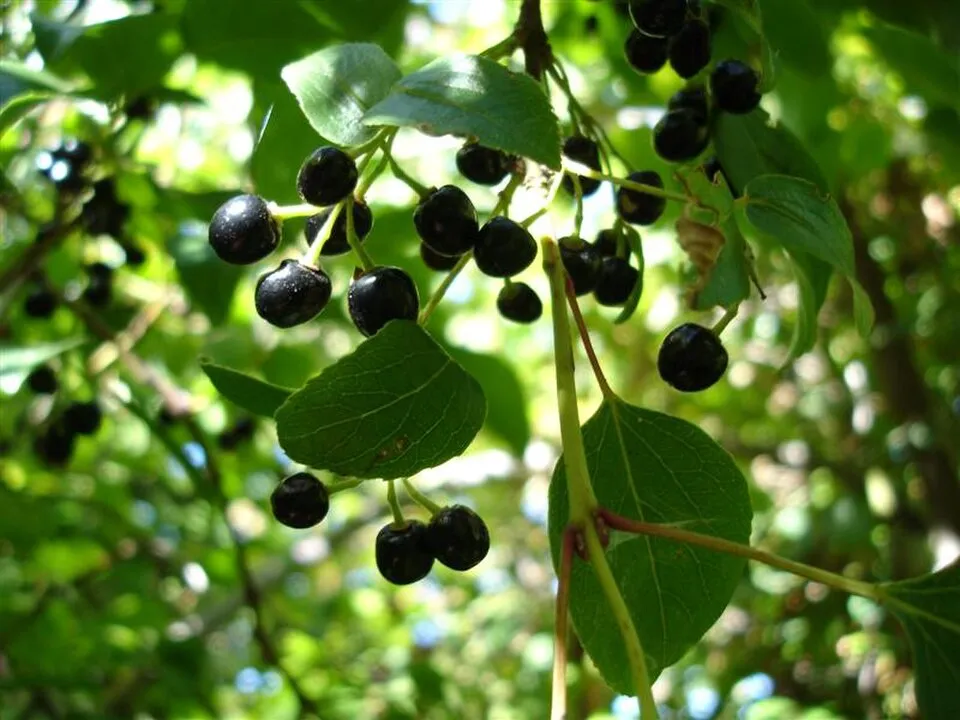
Maqui Berry, scientifically known as Aristotelia chilensis (Mol.) Stuntz, is a captivating evergreen shrub or small tree native to the temperate rainforests of southern Chile and adjacent regions of Argentina. Typically growing to heights of 1 to 3 meters as a shrub, it can occasionally reach up to 10 meters as a slender tree. Its distinctive lanceolate to elliptical leaves, measuring approximately 3 to 8 cm in length and 1 to 3 cm in width, display a vibrant glossy dark green throughout most of the year, transitioning to an arresting purplish hue in the cooler autumn months. The plant is dioecious, meaning individual plants bear either male or female flowers, which are small, pale yellow to white or pink, and about 0.5 to 1 cm in diameter.
Flowering typically occurs from late spring to early summer, specifically from October to December in its native Southern Hemisphere habitat. These delicate flowers give way to the plant's most prized feature: small, round, dark purple to black berries, approximately 5 to 9 mm in diameter. These fruits are a powerhouse of bioactive compounds, particularly anthocyanins, which are responsible for their intense, deep coloration. The branches of the Maqui Berry are generally stiff, covered with a smooth to slightly rough light brown bark.
This resilient perennial thrives in areas characterized by high rainfall and moderate temperatures, often forming dense thickets in its natural habitat. Taxonomically, Aristotelia chilensis belongs to the Elaeocarpaceae family, a group known for its diverse berry-producing species. Historically, the Maqui Berry has held profound cultural and nutritional significance for the Mapuche indigenous people of Chile, who have revered it for centuries as a vital food source and a powerful traditional medicine. Its rich antioxidant profile, predominantly featuring anthocyanins and flavonoids, continues to be a focal point of modern scientific inquiry, validating many of its long-standing health-promoting applications.
Trusted Scientific References
1. Authoritative external sources for Aristotelia chilensis
1.1 Wikipedia — Aristotelia chilensis
1.2 Kew POWO (Plants of the World Online)
1.3 PubMed — peer-reviewed research
1.4 NCBI Taxonomy Browser
1.5 GBIF — Global Biodiversity
1.1.Maqui Berry — Distinguishing Points
- ✓Endemic to Southern — Endemic to Southern Chile and Argentina.
- ✓Member of the — Member of the Elaeocarpaceae family.
- ✓Produces small, dark — Produces small, dark purple to black berries.
- ✓Exceptionally high in — Exceptionally high in antioxidant compounds.
- ✓Rich source of — Rich source of delphinidin anthocyanins.
- ✓Traditionally used by — Traditionally used by the Mapuche indigenous people.
- ✓Supports metabolic and — Supports metabolic and glycemic control.
- ✓Exhibits potent anti — inflammatory properties.
- ✓Contributes to cardiovascular — Contributes to cardiovascular health.
- ✓Aids in cognitive — Aids in cognitive and neurological protection.
- ✓Beneficial for vision — Beneficial for vision and eye health.
- ✓Boosts immune system — Boosts immune system function.
- ✓Contains dietary fiber — Contains dietary fiber for digestive health.
- ✓Known for its — Known for its vibrant natural coloring agent.
- ✓Increasingly recognized as — Increasingly recognized as a nutraceutical.
1.2.Maqui Berry — In Brief
- ✓Maqui Berry (Aristotelia chilensis) is a superfruit from Chile, renowned for its deep purple color.
- ✓It is exceptionally rich in antioxidants, especially delphinidin anthocyanins.
- ✓Traditionally used by Mapuche people for vitality and medicinal purposes.
- ✓Modern research supports its benefits for metabolic health, inflammation, and oxidative stress.
- ✓Key compounds include anthocyanins, flavonoids, ellagic acid, and phenolic acids.
- ✓Potential benefits for blood sugar control, cardiovascular health, and cognitive function.
- ✓Available as fresh berries, juice, powder, and standardized extracts.
- ✓Generally safe, but caution advised for diabetes, pregnancy, and those on blood thinners.
2.Maqui Berry — Botanical Identity
3.Maqui Berry — Key Data
4.Maqui Berry — Physical Description
5.Maqui Berry — Ecological Habitat
6.Maqui Berry — Folk Medicine Applications
7.Maqui Berry — Chemical Profile
- ✓Anthocyanins — Predominantly delphinidin-based compounds, including delphinidin 3-O-β-glucoside, delphinidin 3,5-O-diglucoside, and cyanidin 3-O-sambubioside. These are responsible for the berry's deep purple color and exhibit potent antioxidant, anti-inflammatory, and vasoprotective activities.
- ✓Flavonoids — Key flavonols include quercetin derivatives such as quercetin 3-O-glucoside and quercetin 3-O-rutinoside. Flavonoids contribute to antioxidant effects, support cardiovascular health, and possess anti-inflammatory properties.
- ✓Ellagic Acid — A phenolic compound found in Maqui Berry, known for its strong antioxidant and potential anti-cancer properties. It helps protect cells from damage and supports detoxification pathways.
- ✓Phenolic Acids — Includes caffeic acid and ferulic acid, which contribute to the overall antioxidant capacity of the berry. These acids also exhibit anti-inflammatory and antimicrobial activities.
- ✓Indole Alkaloids — While less studied in Maqui Berry compared to other compounds, these nitrogen-containing compounds can have diverse pharmacological actions, including potential effects on neurotransmission and cellular signaling.
- ✓Coumarins — A class of organic compounds with varied biological activities, including anticoagulant, anti-inflammatory, and antimicrobial properties. Their presence contributes to the plant's overall therapeutic profile.
- ✓Monounsaturated Fatty Acids (MUFAs) — Found in the seeds, these healthy fats, such as oleic acid, are beneficial for cardiovascular health and help reduce inflammation.
- ✓Polyunsaturated Fatty Acids (PUFAs) — Also present in the seeds, including linoleic acid (Omega-6) and alpha-linolenic acid (Omega-3). These essential fatty acids are crucial for brain function, cell growth, and reducing systemic inflammation.
- ✓Terpenoids — A diverse group of organic compounds that contribute to the plant's aroma and flavor, often possessing anti-inflammatory, antimicrobial, and antioxidant properties.
- ✓Vitamin C — A potent water-soluble antioxidant essential for immune function, collagen synthesis, and protecting cells from oxidative damage.
- ✓Minerals — Contains essential minerals such as potassium, calcium, and iron, vital for various physiological processes including nerve function, bone health, and oxygen transport.
8.Maqui Berry — Scientific Evidence
- ✓Potent Antioxidant Protection — Maqui Berry is exceptionally rich in anthocyanins, particularly delphinidins, which act as powerful antioxidants. These compounds neutralize harmful free radicals throughout the body, significantly reducing oxidative stress and cellular damage.
- ✓Anti-inflammatory Effects — The high concentration of polyphenols and other bioactive compounds in Maqui Berry helps to modulate inflammatory pathways. This action can alleviate symptoms associated with chronic inflammatory conditions and support overall immune balance.
- ✓Supports Glycemic and Metabolic Control — Research indicates that Maqui Berry may help regulate blood sugar levels by improving insulin sensitivity and inhibiting certain carbohydrate-digesting enzymes. This makes it a promising aid in managing metabolic syndrome and type 2 diabetes.
- ✓Aids in Weight Management and Obesity Prevention — Due to its potential to influence fat metabolism and improve glucose utilization, Maqui Berry extract may contribute to weight management efforts. It can support a healthy metabolism and reduce fat accumulation.
- ✓Promotes Cardiovascular Health — The antioxidants in Maqui Berry protect blood vessels from oxidative damage and support healthy endothelial function. This contributes to maintaining healthy blood pressure and reducing the risk of cardiovascular diseases.
- ✓Enhances Cognitive Function and Neuroprotection — The neuroprotective properties of Maqui Berry's anthocyanins can help protect brain cells from oxidative stress and inflammation. This may support cognitive health, memory, and potentially reduce the risk of neurodegenerative conditions like dementia.
- ✓Supports Eye Health and Vision — Delphinidins present in Maqui Berry are beneficial for ocular health, helping to protect the eyes from light-induced damage and improve visual acuity. They may also aid in reducing eye fatigue and supporting night vision.
- ✓Boosts Immune System Function — The comprehensive array of vitamins, minerals, and antioxidants in Maqui Berry strengthens the body's natural defenses. Regular consumption can enhance immune response and help the body ward off infections.
- ✓Promotes Digestive Health — Maqui Berry is a source of dietary fiber, which supports healthy digestion and regular bowel movements. Its anti-inflammatory properties may also soothe the digestive tract.
- ✓Antimicrobial Properties — Certain compounds within Aristotelia chilensis have demonstrated antimicrobial activity against various pathogens. This suggests a potential role in supporting the body's defense against microbial infections.
- ✓Supports Bone Structure and Health — Emerging research points to Maqui Berry's potential in preventing alterations to bone structure. Its anti-inflammatory and antioxidant actions may contribute to maintaining bone density and health.
- ✓Protects Against Oxidative Stress from Environmental Factors — Specifically, Maqui Berry has shown protective effects against oxidative stress induced by factors like cigarette smoke. Its robust antioxidant capacity helps mitigate cellular damage from environmental toxins.
- ✓Potential Anti-Cancer Activity — The powerful antioxidant and anti-inflammatory properties, coupled with the ability to inhibit enzymes involved in metabolic syndrome, suggest Maqui Berry may have a role in cancer prevention by inhibiting abnormal cell growth and promoting apoptosis.
- ✓Skin Health Benefits — By combating oxidative stress and inflammation, Maqui Berry can contribute to healthier, more resilient skin. It helps protect against UV damage and supports cellular regeneration, potentially reducing signs of aging.
8.1.Maqui Berry — Therapeutic Indications
9.Maqui Berry — Safety & Side Effects
9.1.Maqui Berry — Reported Side Effects
- ✓Digestive Upset — High consumption of Maqui Berry, especially in raw or concentrated forms, may lead to mild digestive issues such as bloating, gas, or diarrhea in some sensitive individuals.
- ✓Allergic Reactions — Although rare, individuals may experience allergic reactions, including skin rashes, itching, or swelling, particularly if sensitive to other berries or fruits.
- ✓Hypoglycemic Effects — Due to its potential to lower blood sugar, Maqui Berry might cause hypoglycemia (low blood sugar) if consumed in large quantities, especially by individuals with diabetes or those on blood sugar-lowering medication.
- ✓Potential Blood-Thinning Effects — Some compounds in berries, including Maqui, may have mild antiplatelet effects. Caution is advised for individuals on anticoagulant medications or those with bleeding disorders.
- ✓Gastrointestinal Discomfort — In some cases, the fiber content or specific compounds could cause stomach discomfort or cramps, particularly with initial high doses.
- ✓Drug Interactions — May interact with medications for diabetes (potentiating their effects) and potentially with blood thinners. Consultation with a healthcare provider is essential.
9.2.Maqui Berry — Safety Overview
- ✓Pregnancy and Lactation — Insufficient research exists regarding the safety of Maqui Berry supplements during pregnancy and breastfeeding. It is advisable for pregnant or lactating women to avoid consumption or consult a healthcare professional.
- ✓Children — While fresh berries are generally safe in moderation, concentrated extracts or supplements for children should be used with caution and under medical guidance.
- ✓Diabetes Management — Individuals with diabetes should monitor their blood sugar levels closely if consuming Maqui Berry, especially in concentrated forms, due to its potential hypoglycemic effects. Adjustments to medication may be necessary.
- ✓Bleeding Disorders and Surgery — Due to potential mild antiplatelet effects, individuals with bleeding disorders or those scheduled for surgery should discontinue Maqui Berry consumption well in advance and consult their doctor.
- ✓Allergic Sensitivities — People with known allergies to berries or other fruits should exercise caution and monitor for any adverse reactions.
- ✓Dosage — Adhere to recommended dosages for supplements. For fresh or dried berries, moderation is key, and individual tolerance should be considered.
- ✓Quality and Purity — Ensure that Maqui Berry products are sourced from reputable suppliers to guarantee purity, avoid contaminants, and ensure accurate labeling of active compounds.
- ✓Consultation with Healthcare Professional — Always consult with a doctor or qualified herbalist before incorporating Maqui Berry into a therapeutic regimen, particularly if you have pre-existing health conditions or are taking medications.
10.Maqui Berry — Preparations & Uses
- ✓Fresh Berries — Enjoy Maqui Berry directly after harvesting for maximum nutritional benefits, adding them to cereals, yogurt, or fruit salads.
- ✓Juices and Smoothies — Blend fresh or frozen Maqui berries into refreshing juices or nutrient-dense smoothies, often combined with other fruits.
- ✓Dried Berries — Dehydrated Maqui berries serve as a convenient snack, similar to raisins, and can be added to trail mixes or baked goods.
- ✓Powdered Extract — Maqui berry powder, made from freeze-dried berries, can be easily incorporated into beverages, yogurts, or as a supplement in capsules.
- ✓Infusions and Teas — Dried leaves or berries can be steeped in hot water to create a healthful herbal tea, though the berry is more commonly used.
- ✓Culinary Applications — Utilize Maqui berries in jams, jellies, sauces, desserts, pies, and other baked goods, imparting a unique flavor and vibrant color.
- ✓Syrups and Concentrates — Produce concentrated syrups or extracts from Maqui berries for use as natural sweeteners or flavorings in drinks and foods.
- ✓Tinctures — Create an alcohol-based tincture from fresh or dried berries for a concentrated medicinal extract, typically taken in drops.
- ✓Topical Applications — Extracts or infused oils may be used in skincare products for their antioxidant properties, promoting skin health and protection.
- ✓Standardized Supplements — Consume Maqui berry in capsule or tablet form, often as a standardized extract, to ensure consistent dosing of bioactive compounds.
11.Maqui Berry — How to Grow
- ✓Climate Requirements — Thrives in temperate to subtropical climates with high humidity and moderate temperatures, ideally mimicking its native Chilean rainforest environment.
- ✓Soil Preferences — Prefers well-drained, slightly acidic to neutral soils (pH 5.0-7.0) rich in organic matter. Clay or sandy loams are suitable if amended properly.
- ✓Sunlight Exposure — Requires adequate sunlight, ideally full sun to partial shade. In hotter climates, some afternoon shade can prevent stress.
- ✓Watering Needs — Demands regular and consistent watering, especially during dry periods and fruit development. The soil should remain consistently moist but not waterlogged.
- ✓Propagation — Can be propagated from seeds, which require stratification for successful germination, or from semi-hardwood cuttings taken in late summer.
- ✓Pruning Techniques — Minimal pruning is required, primarily to remove dead or diseased branches, shape the plant, and encourage air circulation. Best done in late winter or early spring.
- ✓Fertilization — Benefits from a balanced organic fertilizer application in spring to support vigorous growth and fruit production.
- ✓Pest and Disease Management — Generally robust, but can be susceptible to common berry pests like aphids and certain fungal diseases in overly humid conditions. Integrated pest management is recommended.
- ✓Harvesting — Berries are typically harvested once a year, from December to February in the Southern Hemisphere, when they reach their characteristic dark purple to black color and optimal ripeness.
- ✓Cold Hardiness — Mature plants can tolerate mild frosts, but young plants may need protection in colder climates. It is best suited for USDA hardiness zones 8-10.
Reviewed by the Flora Medical Global Botanical Review Panel
Multi-disciplinary editorial group · Botany · Ethnobotany · Herbal-medicine literature
Who reviewed this: This page was checked by the Flora Medical Global Botanical Review Panel — an in-house editorial group of botany graduates, ethnobotany researchers, and horticulture practitioners who collectively maintain our 7,000+ plant encyclopedia. Meet the team.
Our 4-step verification process
1. Taxonomic verification
Scientific names and synonyms cross-checked against Kew POWO, World Flora Online, and The Plant List.
2. Phytochemical & medicinal cross-reference
Active compounds, traditional uses, and reported activities are cross-referenced with PubMed, USDA Dr. Duke's database, and peer-reviewed ethnobotanical literature.
3. Conservation & distribution check
Distribution, ecology, and conservation status confirmed against GBIF occurrence records and the IUCN Red List.
4. Editorial & safety review
Every entry passes an editorial pass for clarity, originality, and safety notices (toxicity, contraindications, dosage caveats) before publication.
Last reviewed:
Important medical disclaimer: This content is for educational and research purposes only. It is not medical advice and is not a substitute for consultation with a licensed healthcare provider. Do not use any herb to self-treat a medical condition without professional guidance.
Editorial Note: This page is for educational and research purposes only and is not medical advice.
Written by: Flora Medical Global Editorial Team
Reviewed by: Flora Medical Global Botanical Review Panel
Last Updated: June 15, 2026





Maqui Berry — Comments & Community Reviews
Rate this plant