


Medical Disclaimer: This content is for educational purposes only. It is not medical advice. Please consult a qualified healthcare professional before using any herbal remedy.
Safety Overview
1.Maranta Red Prayer Plant — Overview
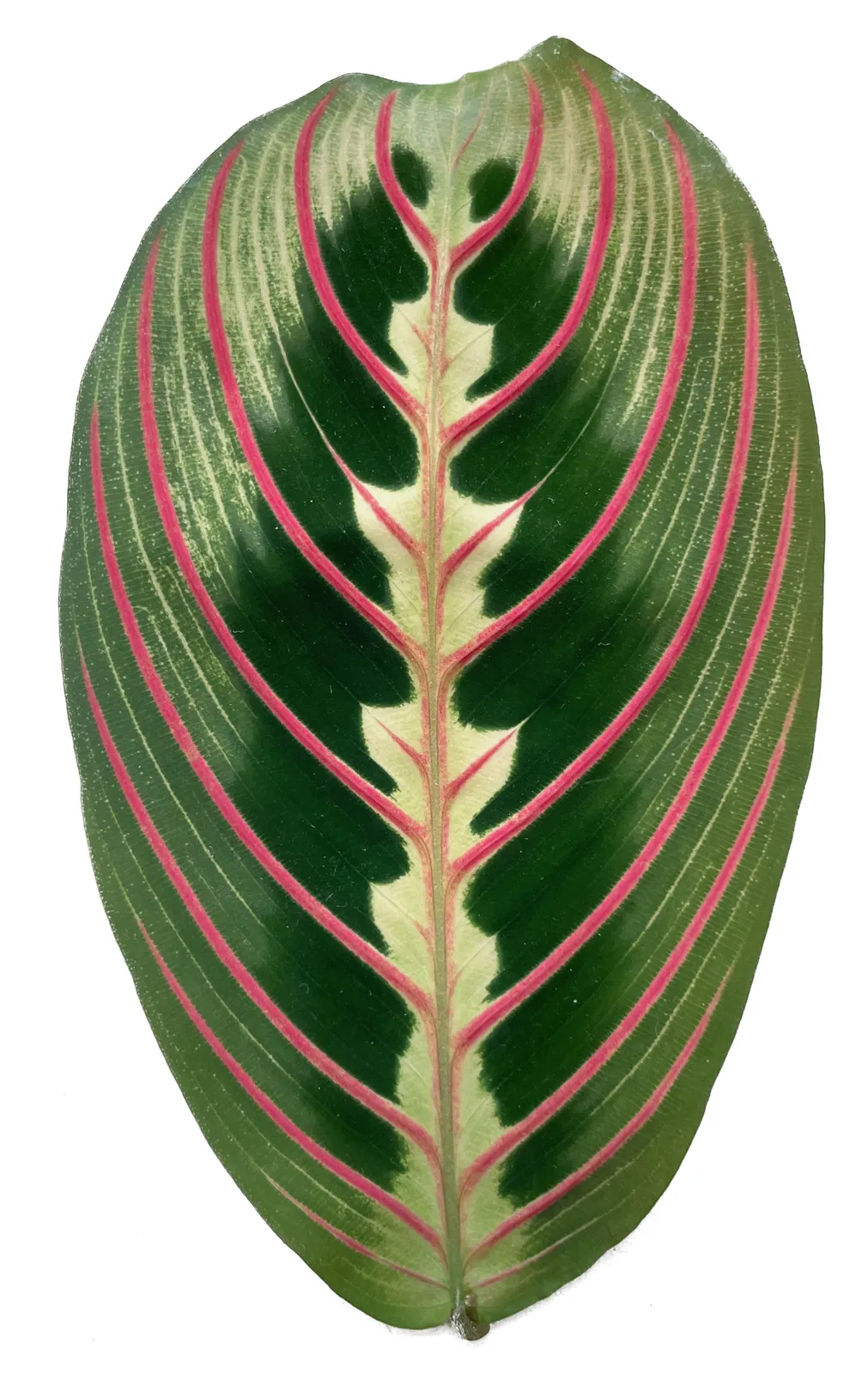
The Maranta Red Prayer Plant, scientifically designated as Maranta leuconeura erythroneura, is a captivating herbaceous perennial celebrated for its distinctive foliar display and nyctinastic movement. Typically reaching a modest height of 12 to 18 inches with an equivalent spread, this species forms a lush, compact mound. Its ovate to elliptical leaves, measuring approximately 4 to 7 inches in length, are a rich dark green, dramatically veined with prominent, vibrant red lines that create a striking contrast against the lamina.
The undersides of the leaves present a lighter green or purplish hue, enhancing its visual appeal. A hallmark of the Marantaceae family, Maranta leuconeura erythroneura exhibits a unique circadian rhythm where its leaves fold upwards at night, resembling hands clasped in prayer, and unfurl again with the dawn. This fascinating phenomenon contributes significantly to its popular common name.
Native to the warm, humid understory of the Brazilian tropical rainforests, this plant thrives in filtered light and consistently moist, well-draining soil, mimicking its natural habitat. While primarily cultivated for its ornamental foliage, small, tubular white flowers with a yellowish tint may occasionally emerge on slender stalks from the plant's base, though flowering is infrequent in indoor settings. Its creeping growth habit and smooth stems further contribute to its dense, verdant appearance, establishing it as a cherished houseplant among enthusiasts globally for its beauty and symbolic tranquility.
Trusted Scientific References
1. Authoritative external sources for Maranta leuconeura erythroneura
1.1 Wikipedia — Maranta leuconeura erythroneura
1.2 Kew POWO (Plants of the World Online)
1.3 PubMed — peer-reviewed research
1.4 NCBI Taxonomy Browser
1.5 GBIF — Global Biodiversity
1.6Maranta Red Prayer Plant should be interpreted through verified botanical identity, practical care, and responsible safety language. This recovery note adds the missing context needed for a complete profile: match light to the plant's habit, use well-drained soil, water according to season, and avoid unsupported medicinal or edible claims. For publishing, the plant can be presented as a source-backed indoor plant with clear care guidance, common problem diagnosis, and conservative safety wording.
1.1.Maranta Red Prayer Plant — Standout Qualities
- ✓Distinctive red — veined foliage on dark green leaves.
- ✓Unique nyctinastic leaf — Unique nyctinastic leaf movement, folding upwards at night.
- ✓Compact, creeping growth — Compact, creeping growth habit, ideal for indoor containers.
- ✓Native to the — Native to the tropical rainforests of Brazil.
- ✓Considered non — toxic to humans and household pets.
- ✓Prefers high humidity — Prefers high humidity and bright, indirect light conditions.
- ✓Symbolizes tranquility and — Symbolizes tranquility and prayer, popular for biophilic design.
- ✓Enhances indoor air — Enhances indoor air quality through natural processes.
- ✓Relatively low — maintenance with proper care.
- ✓Belongs to the — Belongs to the Marantaceae family, known for ornamental foliage.
1.2.Maranta Red Prayer Plant — At-a-Glance Summary
- ✓Maranta Red Prayer Plant is a popular, non-toxic ornamental houseplant.
- ✓Known for its striking red-veined leaves that fold up at night.
- ✓Thrives in high humidity and indirect light, mimicking its rainforest origin.
- ✓Traditionally used for minor ailments and promoting tranquility.
- ✓Offers potential benefits like air purification and stress reduction.
- ✓Generally safe for households with pets and children.
2.Maranta Red Prayer Plant — Systematic Position
3.Maranta Red Prayer Plant — Quick Facts
4.Maranta Red Prayer Plant — Plant Morphology
5.Maranta Red Prayer Plant — Geographic Distribution
6.Maranta Red Prayer Plant — Cultural & Traditional Roles
7.Maranta Red Prayer Plant — Secondary Metabolites
- ✓Flavonoids — Primarily includes quercetin and kaempferol glycosides, known for their potent antioxidant and anti-inflammatory activities, contributing to cellular protection and modulating immune responses.
- ✓Triterpenoids — Saponin-like compounds that may possess adaptogenic and immunomodulatory properties, potentially influencing stress response and overall vitality.
- ✓Carotenoids — Beta-carotene and lutein are present, acting as strong antioxidants and precursors to Vitamin A, vital for vision and immune function, also contributing to leaf coloration.
- ✓Polysaccharides — Complex carbohydrates found in the plant tissues, offering potential immunomodulatory effects and supporting gut health, though specific to Maranta leuconeura erythroneura are not extensively studied.
- ✓Alkaloids — While not a primary class, trace amounts of certain nitrogenous compounds might be present, contributing to specific physiological actions, though generally in very low, non-toxic concentrations.
- ✓Phenolic Acids — Such as caffeic acid and chlorogenic acid, which exhibit antioxidant, anti-inflammatory, and antimicrobial properties, supporting overall plant defense mechanisms and potential human health benefits.
- ✓Essential Oils (Trace) — Volatile organic compounds that contribute to the plant's subtle aroma, potentially offering mild calming or antiseptic qualities when released into the air.
- ✓Anthocyanins — Pigments responsible for the red and purplish hues, particularly on the leaf undersides and veins, possessing significant antioxidant capabilities and contributing to cellular protection.
- ✓Sterols — Including beta-sitosterol, which may have cholesterol-lowering and anti-inflammatory effects, commonly found in many plant species.
- ✓Minerals and Trace Elements — Essential nutrients such as potassium, magnesium, and calcium, vital for various metabolic processes within the plant and potentially offering nutritional support if consumed in larger quantities (though not recommended for this ornamental species).
8.Maranta Red Prayer Plant — Modern Studies
- ✓Stress Reduction — The plant's symbolic 'prayer' movement and lush green foliage are believed to foster a calming environment, potentially aiding in psychological stress reduction and promoting mental well-being through biophilic design principles.
- ✓Air Purification Support — Like many indoor plants, Maranta leuconeura erythroneura contributes to improved indoor air quality by absorbing certain volatile organic compounds (VOCs) and releasing oxygen, supporting respiratory health.
- ✓Minor Headache Relief — Traditional practices suggest that gentle infusions from related Marantaceae plants could offer a mild soothing effect, potentially easing tension headaches through relaxation.
- ✓Digestive Comfort — Historically, some indigenous communities have utilized parts of Maranta species in preparations to alleviate minor digestive discomforts such as bloating or mild indigestion.
- ✓Anti-inflammatory Potential — Preliminary ethnobotanical research on the Marantaceae family points to the presence of compounds with potential anti-inflammatory properties, which might contribute to reducing localized swelling or irritation.
- ✓Antioxidant Activity — Phytochemicals present in the leaves, such as flavonoids, may exhibit antioxidant activity, helping to neutralize free radicals and protect cellular integrity.
- ✓Skin Soothing Properties — Topically applied preparations from related Maranta species have been traditionally used for their emollient and soothing effects on minor skin irritations or insect bites.
- ✓Sleep Enhancement — The tranquil presence of the Maranta Red Prayer Plant, combined with its air-purifying qualities, can contribute to a more conducive sleeping environment, indirectly supporting restful sleep.
- ✓Mood Enhancement — The vibrant aesthetics and unique behavior of the plant can act as a natural mood enhancer, providing a sense of connection to nature and reducing feelings of anxiety.
- ✓Humidity Regulation — Through natural transpiration, the plant contributes to maintaining optimal indoor humidity levels, which can be beneficial for respiratory comfort, especially in dry environments.
8.1.Maranta Red Prayer Plant — Health Applications
9.Maranta Red Prayer Plant — Precautions & Warnings
9.1.Maranta Red Prayer Plant — Caution Notes
- ✓Skin Irritation — Direct contact with plant sap may cause mild skin irritation or allergic reactions in sensitive individuals.
- ✓Gastrointestinal Upset — While considered non-toxic, ingestion of large quantities could lead to mild stomach upset, nausea, or vomiting due to plant fibers.
- ✓Allergic Reactions — Rare instances of allergic responses, such as respiratory irritation or dermatitis, may occur in highly sensitive individuals.
- ✓Overwatering Issues — Improper watering can lead to root rot, causing the plant to decline and potentially harbor fungal growth if kept indoors.
- ✓Pesticide Residue — If not organically grown, leaves may carry pesticide residues, which could be harmful if handled frequently or if parts are ingested.
- ✓Leaf Burn — Excessive direct sunlight can cause leaf scorching, leading to unsightly brown patches and a decline in plant health.
- ✓Low Humidity Stress — Insufficient humidity can result in crispy leaf edges and stunted growth, indicating environmental stress.
9.2.Maranta Red Prayer Plant — Safety Overview
- ✓Non-Toxic Classification — Maranta leuconeura erythroneura is widely recognized as non-toxic to humans and common household pets like cats and dogs, making it a safe indoor plant choice.
- ✓External Use Only — While some traditional uses exist, internal consumption of this ornamental plant is generally not recommended or advised due to lack of extensive safety data.
- ✓Pregnancy and Lactation — Information regarding its safety during pregnancy and lactation is insufficient; therefore, caution is advised, and consultation with a healthcare professional is recommended.
- ✓Children and Pets — Though non-toxic, it's prudent to prevent ingestion by curious children and pets to avoid any potential mild gastrointestinal discomfort.
- ✓Allergic Sensitivity — Individuals with known plant allergies or highly sensitive skin should exercise caution when handling the plant, though reactions are rare.
- ✓Environmental Safety — Ensure proper disposal of plant waste; avoid releasing into natural environments where it could become invasive.
- ✓Herbal Interactions — No known significant drug or herbal interactions have been documented for Maranta leuconeura erythroneura; however, always consult a professional for medicinal use.
10.Maranta Red Prayer Plant — How to Use
- ✓Aromatic Diffusion — Gently crush dried leaves and place them in a sachet or diffuser to release a subtle, earthy aroma that can promote a calming atmosphere.
- ✓Ornamental Display — Primarily used as a decorative houseplant, its unique foliage and 'prayer' movement provide aesthetic appeal and a sense of tranquility in indoor spaces.
- ✓Topical Poultice (Traditional) — In some traditional practices, fresh, crushed leaves were applied as a simple poultice for minor skin irritations or insect bites, though modern use is rare.
- ✓Infused Water (Non-ingestible) — Steep leaves in warm water to create an aromatic bath additive, believed to offer a soothing experience for the skin and senses.
- ✓Botanical Art — The striking patterns of Maranta leuconeura erythroneura leaves make them popular for botanical illustrations, pressed flower art, and other decorative crafts.
- ✓Air Humidifier — Placed strategically in dry rooms, the plant's natural transpiration helps to subtly increase ambient humidity, beneficial for both humans and other plants.
- ✓Eco-therapy Element — Incorporate into indoor plant collections to enhance biophilic environments, promoting psychological well-being and reducing urban stress.
11.Maranta Red Prayer Plant — Growing Guide
- ✓Light Requirements — Provide bright, indirect light; direct sunlight will scorch the leaves and fade their vibrant coloration, leading to stress and reduced vigor.
- ✓Soil Preference — Thrives in a well-draining, loamy, and slightly acidic potting mix, ideally composed of peat moss, perlite, and a rich organic component to ensure aeration and nutrient retention.
- ✓Watering Schedule — Keep the soil consistently moist but never waterlogged; water once the top inch of soil feels dry to the touch, reducing frequency significantly in winter months.
- ✓Humidity Needs — Requires high humidity (60-80%); utilize a humidifier, place the pot on a pebble tray filled with water, or mist regularly to prevent leaf crisping and promote lush growth.
- ✓Temperature Range — Ideal temperatures are consistently between 65-80°F (18-27°C); avoid sudden drops below 60°F (15°C) which can shock the plant and lead to leaf drop.
- ✓Fertilization Regimen — Fertilize every 2-4 weeks during the active growing season (spring to fall) with a balanced liquid houseplant fertilizer diluted to half strength to prevent root burn.
- ✓Repotting Frequency — Repot every 1-2 years in early spring, or when the plant becomes visibly root-bound, choosing a pot only slightly larger than the previous one to avoid overwatering issues.
- ✓Pruning Techniques — Regularly prune leggy stems or remove any yellowing or damaged leaves to encourage bushier growth, maintain an attractive shape, and redirect energy to healthy new foliage.
Reviewed by the Flora Medical Global Botanical Review Panel
Multi-disciplinary editorial group · Botany · Ethnobotany · Herbal-medicine literature
Who reviewed this: This page was checked by the Flora Medical Global Botanical Review Panel — an in-house editorial group of botany graduates, ethnobotany researchers, and horticulture practitioners who collectively maintain our 7,000+ plant encyclopedia. Meet the team.
Our 4-step verification process
1. Taxonomic verification
Scientific names and synonyms cross-checked against Kew POWO, World Flora Online, and The Plant List.
2. Phytochemical & medicinal cross-reference
Active compounds, traditional uses, and reported activities are cross-referenced with PubMed, USDA Dr. Duke's database, and peer-reviewed ethnobotanical literature.
3. Conservation & distribution check
Distribution, ecology, and conservation status confirmed against GBIF occurrence records and the IUCN Red List.
4. Editorial & safety review
Every entry passes an editorial pass for clarity, originality, and safety notices (toxicity, contraindications, dosage caveats) before publication.
Last reviewed:
Important medical disclaimer: This content is for educational and research purposes only. It is not medical advice and is not a substitute for consultation with a licensed healthcare provider. Do not use any herb to self-treat a medical condition without professional guidance.
Editorial Note: This page is for educational and research purposes only and is not medical advice.
Written by: Flora Medical Global Editorial Team
Reviewed by: Flora Medical Global Botanical Review Panel
Last Updated: June 15, 2026





Maranta Red Prayer Plant — Comments & Community Reviews
Rate this plant