
Medical Disclaimer: This content is for educational purposes only. It is not medical advice. Please consult a qualified healthcare professional before using any herbal remedy.
Safety Overview
1.Marsh Mallow — Plant Snapshot
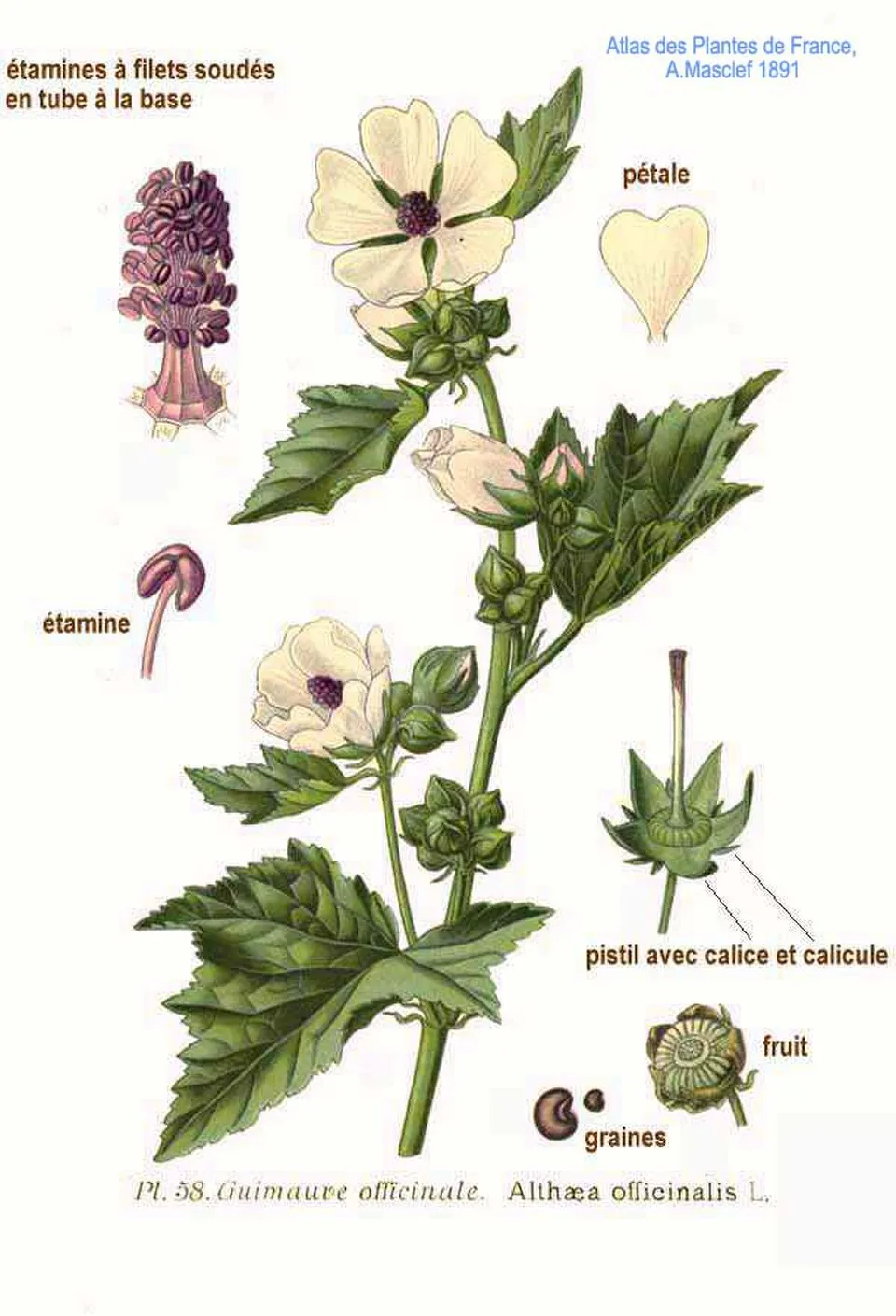
Marsh Mallow, scientifically known as Althaea officinalis L., is a distinguished perennial herbaceous plant belonging to the Malvaceae family, a lineage it shares with other notable plants like hibiscus and okra. This resilient species typically achieves a substantial height of 1 to 2 meters, characterized by its robust, erect stems that can reach a thickness of up to 2 cm and possess a slightly fibrous bark.
The plant's foliage is a vibrant green, with leaves often exhibiting a heart-shaped or ovate-lanceolate morphology, measuring between 10 to 15 cm in length. A defining feature of Marsh Mallow leaves is their soft, velvety texture, attributed to a dense covering of fine, stellate hairs, which contributes to their distinctive tactile quality.
During the summer months, specifically from July to September, Althaea officinalis showcases elegant pale pink to white flowers. These delicate blooms, typically 5 to 8 cm in diameter, feature five distinct petals arranged in clusters at the apex of the stems, playing a vital role in attracting a diverse array of pollinators for successful reproduction.
The plant's preference for wet, marshy habitats is evident in its name, thriving in waterlogged soils commonly found along coastal areas, riverbanks, and ditches across Western Europe. Its historical presence is particularly strong in countries like France and the UK, where it has been collected and cultivated for centuries.
Beyond its botanical characteristics, Marsh Mallow holds significant historical and cultural importance. Its use dates back to ancient Egyptian, Greek, and Roman civilizations, where the roots and leaves were prized for both culinary and medicinal purposes. The genus name 'Althaea' itself is derived from the Greek word 'althainein,' meaning 'to heal,' directly reflecting its long-standing reputation as a therapeutic herb.
The plant’s mucilaginous properties, particularly concentrated in the root, were recognized early on, leading to its application in soothing various ailments. This rich history underscores Marsh Mallow's enduring legacy as a valuable botanical resource, bridging ancient traditions with modern understanding of its beneficial compounds.
Trusted Scientific References
1. Authoritative external sources for Althaea officinalis L.
1.1 Wikipedia — Althaea officinalis L.
1.2 Kew POWO (Plants of the World Online)
1.3 PubMed — peer-reviewed research
1.4 NCBI Taxonomy Browser
1.5 GBIF — Global Biodiversity
1.1.Marsh Mallow — Defining Traits
- ✓Botanical Name — Althaea officinalis L., commonly known as Marsh Mallow.
- ✓Family Affiliation — Member of the Malvaceae family, sharing traits with hibiscus and okra.
- ✓Morphology — Tall perennial herb, reaching 1-2 meters, with velvety, heart-shaped leaves and pale pink-white flowers.
- ✓Habitat Preference — Thrives in moist, marshy environments like riverbanks and coastal areas.
- ✓Primary Active Compound — Abundant mucilage (polysaccharides) in the root and leaves.
- ✓Demulcent Action — Creates a protective, soothing coating on irritated tissues.
- ✓Antitussive Effect — Calms coughs and soothes sore throats effectively.
- ✓Digestive Aid — Alleviates symptoms of gastritis, ulcers, reflux, and IBS.
- ✓Skin Emollient — Applied topically, it softens and protects irritated skin.
- ✓Anti — inflammatory — Reduces inflammation internally and externally.
- ✓Historical Use — Valued since ancient times by Egyptian, Greek, and Roman civilizations for medicinal and culinary purposes.
- ✓Traditional Systems — Integrated into European herbalism and folk medicine for centuries.
- ✓Preparation Versatility — Used in teas, decoctions, tinctures, poultices, and syrups.
- ✓Gentle Action — Known for its mild and gentle therapeutic effects, suitable for sensitive individuals.
- ✓Root and Leaf Use — Both parts are medicinally valuable, with the root being particularly rich in mucilage.
1.2.Marsh Mallow — In Brief
- ✓Althaea officinalis L. is a perennial herb known for its soothing properties.
- ✓Rich in mucilage, it forms a protective layer on mucous membranes.
- ✓Traditionally used for respiratory, digestive, and skin ailments.
- ✓Effective for coughs, sore throats, gastritis, and skin irritation.
- ✓Must be taken separately from other oral medications due to mucilage.
- ✓Exhibits anti-inflammatory and antioxidant actions.
- ✓Roots and leaves are the primary medicinal parts.
- ✓Consult a healthcare professional, especially if pregnant, nursing, or on medication.
2.Marsh Mallow — Scientific Profile
3.Marsh Mallow — Botanical Stats
4.Marsh Mallow — Plant Morphology
5.Marsh Mallow — Habitat & Distribution
6.Marsh Mallow — Ethnobotanical Uses
7.Marsh Mallow — Active Compounds
- ✓Polysaccharides — The primary active constituents are mucilaginous polysaccharides, including arabinogalactans, glucans, rhamnogalacturonans, and arabinans. These polymers are responsible for the plant's demulcent, antitussive, and anti-inflammatory actions by forming a protective, soothing gel.
- ✓Flavonoids — Compounds such as kaempferol, quercetin, hyperoside, and their glycosides are present. These contribute to Marsh Mallow's antioxidant and anti-inflammatory effects by scavenging free radicals and modulating inflammatory pathways.
- ✓Phenolic Acids — Caffeic acid, p-coumaric acid, ferulic acid, and chlorogenic acid are found, providing significant antioxidant activity. They help protect cellular structures from oxidative stress and may possess mild anti-inflammatory properties.
- ✓Coumarins — Minor amounts of coumarins, including scopoletin, have been identified. These compounds can have mild anti-inflammatory and antispasmodic effects, contributing to the plant's overall therapeutic profile.
- ✓Tannins — Small quantities of tannins are present, primarily in the leaves. Tannins exert mild astringent effects, which can be beneficial in soothing irritated mucous membranes and contributing to wound healing.
- ✓Asparagine — This amino acid is found in the root. While its direct pharmacological activity in Marsh Mallow is not extensively studied, asparagine plays a role in metabolic processes and nerve function.
- ✓Phytosterols — Compounds like beta-sitosterol are present. Phytosterols are known for their potential anti-inflammatory and cholesterol-lowering properties, though their contribution to Marsh Mallow's primary actions is secondary.
- ✓Fatty Acids — Small amounts of fatty acids are found, primarily in the seeds, contributing to the plant's nutritional profile but not its main medicinal actions.
- ✓Volatile Oils — Trace amounts of volatile oils may be present, contributing subtly to the plant's aroma and potentially offering minor antimicrobial properties, though not a primary active component.
- ✓Starch — The root contains a significant amount of starch, serving as an energy reserve for the plant and contributing to its bulk. It is considered a filler but also contributes to the demulcent texture.
- ✓Sugars — Various simple sugars are present, which are essential for plant metabolism and contribute to the overall composition of the extract.
- ✓Pectins — Another type of polysaccharide, pectins contribute to the gelling properties of the mucilage and can have beneficial effects on digestive health.
8.Marsh Mallow — What Research Suggests
- ✓Demulcent Action — Marsh Mallow root is rich in mucilage, a soluble fiber that forms a protective, soothing layer over irritated mucous membranes, making it highly effective for conditions affecting the respiratory and digestive tracts.
- ✓Antitussive Properties — The mucilage coats the throat, reducing irritation and reflex coughing, providing relief from dry coughs, bronchitis, and sore throats. This action helps to calm the cough reflex without suppressing it entirely.
- ✓Anti-inflammatory Effects — Compounds like flavonoids and polysaccharides contribute to its anti-inflammatory properties, helping to reduce swelling and pain in various tissues, both internally and externally. This can be beneficial for conditions like gastritis or skin inflammation.
- ✓Digestive Health Support — By soothing the lining of the digestive tract, Marsh Mallow can alleviate symptoms of conditions such as acid reflux, peptic ulcers, gastritis, and irritable bowel syndrome (IBS). It helps to protect the stomach and intestinal walls from irritants.
- ✓Constipation Relief — The mucilage acts as a bulk-forming laxative, increasing stool volume and softening it, which promotes regular bowel movements and eases constipation. It does so gently without harsh stimulant effects.
- ✓Diarrhea Management — While soothing, the mucilage can also help to absorb excess water in the gut, firming up stools and providing relief from certain types of diarrhea. Its demulcent action also calms intestinal irritation.
- ✓Skin Irritation Soother — Applied topically, Marsh Mallow extracts can calm irritated skin conditions like eczema, dermatitis, and minor burns due to its emollient and anti-inflammatory properties. It forms a protective barrier on the skin.
- ✓Wound Healing Aid — Traditional uses and some studies suggest that Marsh Mallow can support the healing of minor wounds, cuts, and abrasions by promoting tissue regeneration and protecting the affected area from infection. Its soothing nature also reduces discomfort.
- ✓Oral Health Support — Used as a mouthwash or gargle, it can soothe mouth ulcers, gum inflammation, and sore throats, providing relief from pain and discomfort. The mucilage coats and protects the delicate oral tissues.
- ✓Urinary Tract Comfort — Its demulcent properties extend to the urinary tract, potentially helping to soothe irritation and inflammation associated with conditions like cystitis or urethritis. It may assist in flushing toxins.
- ✓Immune System Modulation — While not a direct immune stimulant, its ability to soothe and protect mucous membranes can indirectly support immune function by maintaining the integrity of these first-line defenses. It helps the body respond to minor irritations.
- ✓Respiratory Tract Cleanser — By loosening mucus and soothing airways, Marsh Mallow can help clear congestion in the respiratory tract, making it easier to breathe. This is particularly useful in conditions with thick, tenacious mucus.
- ✓Antioxidant Protection — The presence of flavonoids and phenolic acids provides antioxidant activity, helping to neutralize free radicals and protect cells from oxidative damage. This contributes to overall cellular health and wellness.
- ✓Blood Sugar Regulation — Some historical and preliminary research suggests a potential role in modest blood sugar regulation, possibly due to its fiber content slowing glucose absorption. However, more robust research is needed in this area.
- ✓Breast Engorgement Relief — In traditional practices, topical application of Marsh Mallow compresses has been used to alleviate discomfort and reduce swelling associated with breast engorgement in lactating women. Its anti-inflammatory action is key.
8.1.Marsh Mallow — Health Applications
9.Marsh Mallow — Risk Profile
9.1.Marsh Mallow — Warnings
- ✓Reduced Drug Absorption — The high mucilage content can interfere with the absorption of orally administered medications, potentially reducing their effectiveness. It is crucial to take Marsh Mallow at least one hour after other oral drugs.
- ✓Allergic Reactions — While rare, some individuals may experience allergic reactions, manifesting as skin rashes, itching, or difficulty breathing, particularly in those sensitive to other plants in the Malvaceae family.
- ✓Mild Digestive Upset — In some sensitive individuals, high doses of Marsh Mallow may cause mild gastrointestinal discomfort, such as bloating, gas, or nausea, especially when not consumed with sufficient water.
- ✓Increased Bleeding Risk — Some sources suggest that Marsh Mallow might slow blood clotting, potentially increasing the risk of bruising or bleeding, particularly for individuals with bleeding disorders or those on anticoagulant medications.
- ✓Hypoglycemia Potential — Although not definitively proven, due to its potential to influence blood sugar levels, individuals with diabetes should monitor their glucose carefully when using Marsh Mallow.
- ✓Interaction with Lithium — Marsh Mallow may have a diuretic-like effect, potentially decreasing the body's elimination of lithium, which could lead to increased lithium levels and serious side effects. Consult a healthcare provider if taking lithium.
9.2.Marsh Mallow — Clinical Safety Notes
- ✓Pregnancy and Breast-feeding — Insufficient reliable information exists regarding the safety of Marsh Mallow during pregnancy and breast-feeding. It is generally advised to avoid medicinal amounts and stick to food amounts or consult a healthcare professional.
- ✓Drug Interactions — Its mucilage content can significantly reduce the absorption of other orally administered medications. To prevent this, take Marsh Mallow at least one hour after any prescribed oral drugs.
- ✓Bleeding Disorders — Individuals with bleeding disorders or those taking anticoagulant/antiplatelet medications should exercise caution, as Marsh Mallow might slow blood clotting and increase the risk of bleeding.
- ✓Scheduled Surgery — Due to its potential to affect blood clotting, it is recommended to discontinue Marsh Mallow use at least two weeks before any scheduled surgical procedure.
- ✓Diabetes — Individuals with diabetes should monitor blood sugar levels closely, as Marsh Mallow may have a mild effect on glucose regulation, though more research is needed.
- ✓Allergic Sensitivities — People with known allergies to plants in the Malvaceae family (e.g., hibiscus, okra) should use Marsh Mallow with caution due to potential cross-reactivity.
- ✓Dosage Importance — Always adhere to recommended dosages on product labels or as advised by a qualified healthcare professional, as excessive intake may lead to adverse effects.
- ✓Quality and Purity — Ensure that any Marsh Mallow product is sourced from reputable suppliers to guarantee purity and absence of contaminants like heavy metals or pesticides.
- ✓Pediatric Use — For children, consult a pediatrician or qualified herbalist before administering Marsh Mallow, especially for medicinal purposes, to ensure appropriate dosage and safety.
10.Marsh Mallow — How to Use
- ✓Herbal Tea (Infusion) — For leaves and flowers, steep 1-2 teaspoons of dried herb in hot water for 10-15 minutes. This is ideal for soothing coughs, sore throats, and mild digestive upset.
- ✓Decoction (Root Tea) — For dried root, simmer 1-2 teaspoons in a cup of cold water for 15-20 minutes, then strain. Cold infusions are often preferred as heat can degrade some mucilage; let it steep for several hours or overnight.
- ✓Cold Infusion — Place 1-2 tablespoons of dried, chopped Marsh Mallow root in 250ml of cold water and let it steep for 4-8 hours or overnight. This maximizes mucilage extraction for demulcent effects.
- ✓Tincture — Prepare by macerating dried Marsh Mallow root in alcohol (e.g., 40-60%) for several weeks, then straining. Tinctures offer a concentrated form for internal use, typically taken in drops or small doses.
- ✓Poultice — Mix powdered Marsh Mallow root with a small amount of warm water to form a paste. Apply directly to skin irritations, minor wounds, or insect bites to soothe and promote healing.
- ✓Topical Compress — Soak a cloth in a strong Marsh Mallow infusion or decoction, then apply it to irritated skin, eczema, or minor burns for its emollient and anti-inflammatory benefits.
- ✓Gargle/Mouthwash — Use a cooled Marsh Mallow tea (infusion or decoction) as a gargle for sore throats or as a mouthwash for gum inflammation and mouth ulcers. Do not swallow if using a large amount for gargling.
- ✓Syrups — Combine a strong Marsh Mallow decoction with honey or glycerin to create a soothing cough syrup, particularly effective for dry, irritating coughs.
- ✓Capsules/Tablets — Standardized extracts of Marsh Mallow root are available in capsule or tablet form for convenient internal administration, especially for digestive issues.
- ✓Culinary Use — Young leaves can be added to salads or cooked as a vegetable, while the root can be boiled and consumed, traditionally used as a thickening agent in some cuisines.
11.Marsh Mallow — Growth Requirements
- ✓Site Selection — Choose a location with full sun to partial shade, ensuring at least 4-6 hours of direct sunlight daily for optimal growth and flowering.
- ✓Soil Preparation — Marsh Mallow thrives in moist, rich, well-drained loamy soils. Amend heavy clay soils with compost or sand to improve drainage, and sandy soils with organic matter to retain moisture.
- ✓PH Preference — Ideal soil pH ranges from 6.0 to 7.5, which is slightly acidic to neutral. Perform a soil test to determine if amendments are needed.
- ✓Watering — Requires consistent moisture, especially during dry spells. Ensure the soil remains evenly moist but not waterlogged. Established plants are somewhat drought-tolerant but benefit from regular watering.
- ✓Propagation from Seed — Sow seeds directly outdoors in spring after the last frost or indoors 6-8 weeks before. Scarify seeds or soak them overnight to improve germination rates, which can be slow.
- ✓Propagation by Division — Established clumps can be divided in spring or fall. Gently lift the plant, separate the rootball into sections, ensuring each has roots and shoots, then replant.
- ✓Spacing — Plant seedlings or divisions 45-60 cm (18-24 inches) apart to allow for mature growth and good air circulation.
- ✓Fertilization — Marsh Mallow generally doesn't require heavy fertilization. A top dressing of compost in spring or a balanced liquid feed every few weeks during the growing season is usually sufficient.
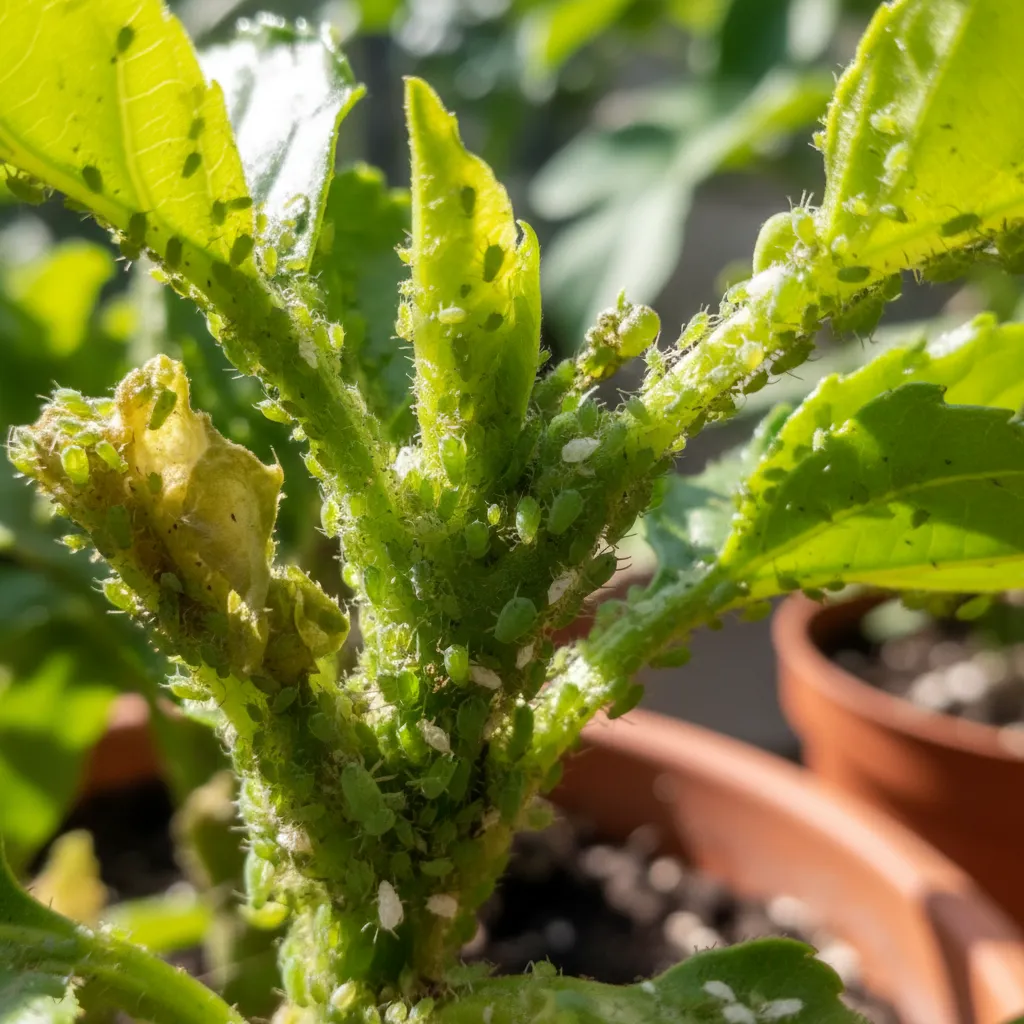
- ✓Pest and Disease Management — Generally robust, but watch for common garden pests like slugs, snails, and aphids. Fungal diseases like rust can occur in very humid conditions; ensure good air circulation.
- ✓Harvesting — Leaves and flowers can be harvested throughout the growing season. Roots are best harvested in the autumn of the second or third year, after the plant has stored maximum energy.
- ✓Winter Care — In colder climates, mulch around the base of the plants in late fall to protect the roots from freezing temperatures. The aerial parts will die back and regrow in spring.
- ✓Container Growing — Can be grown in large containers, provided they have good drainage and are kept consistently moist. Choose a container that can accommodate its mature size.
Reviewed by the Flora Medical Global Botanical Review Panel
Multi-disciplinary editorial group · Botany · Ethnobotany · Herbal-medicine literature
Who reviewed this: This page was checked by the Flora Medical Global Botanical Review Panel — an in-house editorial group of botany graduates, ethnobotany researchers, and horticulture practitioners who collectively maintain our 7,000+ plant encyclopedia. Meet the team.
Our 4-step verification process
1. Taxonomic verification
Scientific names and synonyms cross-checked against Kew POWO, World Flora Online, and The Plant List.
2. Phytochemical & medicinal cross-reference
Active compounds, traditional uses, and reported activities are cross-referenced with PubMed, USDA Dr. Duke's database, and peer-reviewed ethnobotanical literature.
3. Conservation & distribution check
Distribution, ecology, and conservation status confirmed against GBIF occurrence records and the IUCN Red List.
4. Editorial & safety review
Every entry passes an editorial pass for clarity, originality, and safety notices (toxicity, contraindications, dosage caveats) before publication.
Last reviewed:
Important medical disclaimer: This content is for educational and research purposes only. It is not medical advice and is not a substitute for consultation with a licensed healthcare provider. Do not use any herb to self-treat a medical condition without professional guidance.
Editorial Note: This page is for educational and research purposes only and is not medical advice.
Written by: Flora Medical Global Editorial Team
Reviewed by: Flora Medical Global Botanical Review Panel
Last Updated: June 15, 2026




Marsh Mallow — Comments & Community Reviews
Rate this plant