
Medical Disclaimer: This content is for educational purposes only. It is not medical advice. Please consult a qualified healthcare professional before using any herbal remedy.
Safety Overview
1.Marsilea — Plant Snapshot
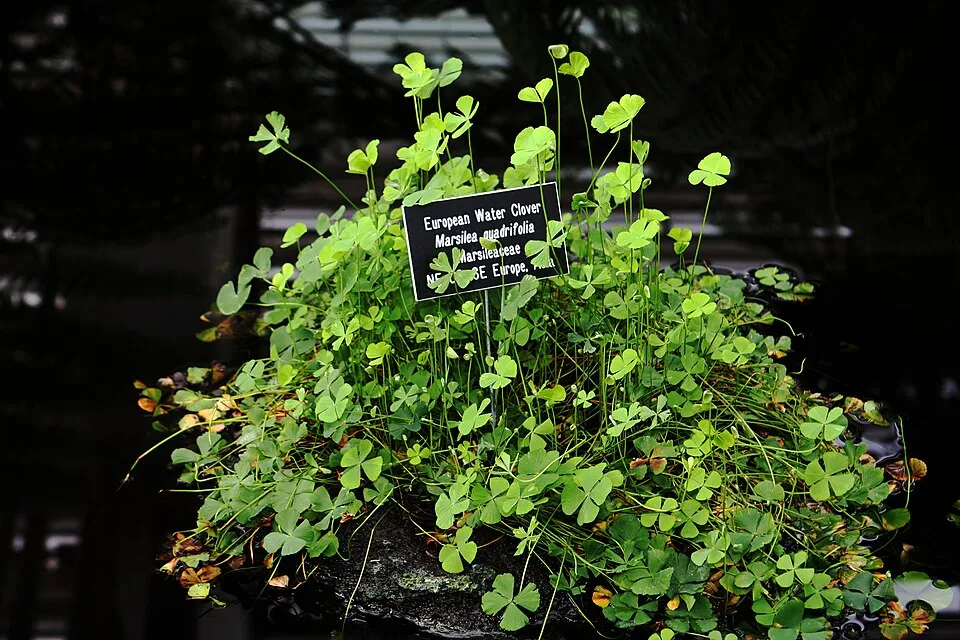
Marsilea quadrifolia, commonly known as the European water clover, four-leaf clover, water shamrock, or pepperwort, is a fascinating aquatic fern belonging to the Marsileaceae family. Its scientific name, coined by Carl Linnaeus, honors the Italian botanist Luigi Ferdinando Marsili, while 'quadrifolia' aptly describes its distinctive four-leaflet leaves that resemble a clover. This leptosporangiate fern is a true botanical anomaly, characterized by heterospory, a crucial ancestral trait in plant evolution that predates the development of seeds. Its life cycle involves an alternation of generations, capable of both sexual and vegetative propagation. Morphologically, Marsilea quadrifolia features creeping, fleshy rhizomes that anchor adventitious roots within the substrate of shallow water bodies.
From these rhizomes, long petioles extend upwards, terminating in the iconic four-part leaves that typically float on or emerge above the water surface. At the base of these petioles, or along the rhizomes, are the hard, bean-shaped sporocarps, which are specialized structures containing both microspores and megaspores – the reproductive units. These sporocarps are vital for taxonomic identification due to their consistent morphology, contrasting with the high plasticity of the vegetative leaves which can vary significantly with environmental conditions like water level and nutrient availability. Geographically, Marsilea quadrifolia boasts a widespread distribution across central-southern Europe, extending through Eurasia to tropical and temperate regions of eastern Asia and North America. Despite its broad range, it is considered non-native in some areas, such as North America.
Historically, it has been a common sight in wet habitats including lakes, small rivers, ditches, and rice fields, often considered a 'paddy weed'. However, in its native European range, the species is now critically threatened and listed as 'Vulnerable' in the European Union Red List. Habitat loss and degradation, excessive water eutrophication, and modern agricultural practices like herbicide use and mechanization have led to its decline and local extirpation in several countries. Historically, Marsilea quadrifolia has been harvested for centuries in Asian countries, not only as a food source but also for its ethnobotanical applications, particularly within Ayurvedic medicine. Its resilience to nutrient-rich waters and its phytoremediation properties, capable of counteracting moderate orga ...[CURRENT TEXT EXISTS: 2979 chars]
1.1.Marsilea — Defining Traits
- ✓Aquatic Fern Species — A unique leptosporangiate fern adapted to shallow freshwater environments.
- ✓Quadrifoliate Leaves — Distinctive four-leaflet leaves resembling a clover, giving it common names like 'four-leaf clover'.
- ✓Heterosporous — Possesses heterospory, an evolutionary significant trait leading to seed development.
- ✓Creeping Rhizomes — Features fleshy, creeping rhizomes with adventitious roots for anchorage.
- ✓Sporocarps — Produces hard, bean-shaped sporocarps containing microspores and megaspores for reproduction.
- ✓Traditional Medicinal Use — Valued in Ayurvedic medicine for its therapeutic properties.
- ✓Edible Plant — Young leaves and sporocarps are consumed as food in various Asian cultures.
- ✓Phytoremediation Potential — Capable of tolerating and partially counteracting organic enrichment in sediments.
- ✓Rich in Bioactive Compounds — Contains flavonoids (quercetin, kaempferol), alkaloids (chelidonine), tannins, and phenolic compounds.
- ✓Antioxidant & Anti — inflammatory — Key pharmacological actions include potent antioxidant and anti-inflammatory effects.
- ✓Diuretic & Depurative — Traditionally used to promote diuresis and blood purification.
- ✓Conservation Status — Listed as 'Vulnerable' in Europe due to habitat degradation and agricultural threats.
- ✓Widespread Distribution — Found across Europe, Asia, and North America, though threatened in parts of its native range.
- ✓Morphological Plasticity — Exhibits significant variation in leaf morphology depending on environmental conditions.
1.2.Marsilea — Snapshot Summary
- ✓Marsilea quadrifolia is an aquatic fern known as European water clover.
- ✓Historically used in Ayurveda and as a food source in Asia.
- ✓Rich in flavonoids, alkaloids, and phenolic compounds.
- ✓Offers antioxidant, anti-inflammatory, and diuretic benefits.
- ✓Threatened in Europe due to habitat loss and agricultural practices.
- ✓Requires shallow water and rich soil for cultivation.
- ✓Used in decoctions, juices, poultices, and culinary preparations.
- ✓Caution advised for pregnancy, lactation, and drug interactions.
2.Marsilea — Taxonomic Classification
3.Marsilea — Botanical Stats
4.Marsilea — Structural Profile
5.Marsilea — Habitat & Distribution
6.Marsilea — Historical Applications
7.Marsilea — Secondary Metabolites
- ✓Flavonoids — Key compounds include quercetin and kaempferol, renowned for their potent antioxidant, anti-inflammatory, and cardioprotective activities. These polyphenols contribute significantly to the plant's free radical scavenging capacity and its ability to modulate immune responses.
- ✓Alkaloids — Chelidonine is a notable alkaloid identified, which has demonstrated preliminary analgesic and potentially cytotoxic properties. Other uncharacterized alkaloids may also contribute to the plant's diverse pharmacological profile.
- ✓Terpenes — Limonene, a monoterpene, contributes to the plant's aromatic profile and has been investigated for its anxiolytic, anti-inflammatory, and antioxidant effects. Other terpenoids may also be present, influencing various biological activities.
- ✓Tannins — These phenolic compounds impart astringent properties to Marsilea quadrifolia. Tannins are known for their ability to bind to proteins, offering antiseptic, anti-inflammatory, and wound-healing effects, and contributing to digestive health.
- ✓Phenolic Acids — Beyond flavonoids, other phenolic compounds like gallic acid and caffeic acid derivatives may be present. These compounds are strong antioxidants and contribute to the plant's overall protective and antimicrobial actions.
- ✓Saponins — While not explicitly detailed in the existing content, many ferns contain saponins, which can exhibit hemolytic, anti-inflammatory, and immunomodulatory properties, potentially contributing to the plant's traditional uses.
- ✓Steroids/Phytosterols — Plant steroids, such as beta-sitosterol, are common in botanical sources and may contribute to anti-inflammatory, immune-modulating, and cholesterol-lowering effects.
- ✓Glycosides — Various glycosides, including flavonoid glycosides, can be present, enhancing the bioavailability and activity of their aglycone forms. These often contribute to antioxidant and anti-inflammatory actions.
- ✓Fatty Acids — Essential fatty acids and other lipids may be found, playing roles in cellular structure, energy storage, and contributing to the plant's nutritional value, especially when consumed as food.
- ✓Vitamins and Minerals — As a food source, Marsilea quadrifolia would naturally contain various vitamins (e.g., Vitamin C, B vitamins) and essential minerals (e.g., iron, calcium, magnesium) crucial for human health, supporting general wellness and metabolic functions.
8.Marsilea — Modern Studies
- ✓Cognitive Enhancement — Marsilea quadrifolia has been traditionally used to support brain function. Research suggests its antioxidant compounds may protect neuronal cells from oxidative stress, potentially improving memory and overall cognitive performance.
- ✓Anti-inflammatory Action — The plant contains flavonoids and phenolic compounds that exhibit potent anti-inflammatory effects. These compounds help to mitigate inflammatory responses by inhibiting pro-inflammatory mediators, offering relief for various inflammatory conditions.
- ✓Antioxidant Support — Rich in free radical scavenging compounds like quercetin and kaempferol, Marsilea quadrifolia effectively neutralizes harmful free radicals. This robust antioxidant activity protects cells from oxidative damage, contributing to overall cellular health and disease prevention.
- ✓Diuretic Properties — Traditional systems like Ayurveda utilize Marsilea for its natural diuretic effects. It helps promote increased urine output, which can assist in flushing toxins from the body and supporting kidney health.
- ✓Depurative (Blood Purifying) — As a depurative agent, Marsilea quadrifolia is believed to aid in purifying the blood. This action is often linked to its diuretic and detoxifying properties, helping the body eliminate metabolic waste products.
- ✓Antimicrobial Activity — Studies indicate that various extracts of Marsilea quadrifolia possess antimicrobial properties against certain bacteria and fungi. This suggests its potential in combating infections and supporting immune defense mechanisms.
- ✓Digestive Health Promotion — Traditionally, Marsilea has been used to soothe digestive discomfort. Its tannins may offer astringent effects, potentially helping to tone the digestive tract and alleviate minor gastrointestinal issues.
- ✓Immunomodulation — Bioactive compounds within Marsilea quadrifolia may help regulate the immune system. This immunomodulatory effect can contribute to strengthening the body's natural defenses and improving resilience against pathogens.
- ✓Stress and Anxiety Reduction — In some traditional practices, Marsilea is employed for its calming properties. While direct mechanisms are under investigation, its general wellness-enhancing effects may contribute to reducing stress and promoting relaxation.
- ✓Skin Health Support — The antioxidant and anti-inflammatory properties of Marsilea quadrifolia can be beneficial for skin health. It may help protect the skin from environmental damage and soothe irritated skin conditions.
- ✓Cardiovascular Protection — Flavonoids present in Marsilea can support cardiovascular health by reducing oxidative stress and inflammation within the circulatory system. This may contribute to maintaining healthy blood vessel function.
- ✓Liver Support — Through its detoxifying and antioxidant actions, Marsilea quadrifolia may offer protective benefits to the liver. It helps in the neutralization of toxins, reducing the burden on liver function.
- ✓Potential Cytotoxic Effects — Preliminary research has explored its cytotoxic potential, particularly in the context of inhibiting certain abnormal cell growths. Further extensive research is required to fully understand these complex mechanisms and applications.
- ✓Wound Healing — The astringent and antimicrobial properties could contribute to traditional uses in wound care, helping to cleanse and protect minor cuts or abrasions and support the natural healing process.
- ✓Pain Management — Some traditional uses suggest analgesic properties, possibly linked to compounds like certain alkaloids. This may offer a natural approach to managing mild discomfort, though more research is needed for substantiation.
8.1.Marsilea — Therapeutic Indications
9.Marsilea — Risk Profile
9.1.Marsilea — Side Effects & Warnings
- ✓Allergic Reactions — Individuals sensitive to ferns or other plants in the Marsileaceae family may experience allergic reactions, including skin rash, itching, or respiratory issues.
- ✓Gastrointestinal Upset — High doses or sensitive individuals might experience mild digestive disturbances such as nausea, stomach discomfort, or diarrhea.
- ✓Hypotension — Due to its potential diuretic properties, excessive consumption could theoretically lead to a temporary drop in blood pressure, especially in individuals prone to hypotension or on blood pressure medication.
- ✓Electrolyte Imbalance — Prolonged or excessive diuretic action could lead to imbalances in electrolytes, such as potassium, requiring careful monitoring.
- ✓Drug Interactions — May interact with diuretic medications, blood pressure drugs, or other pharmaceutical agents, potentially altering their efficacy or increasing side effects.
- ✓Pregnancy and Breastfeeding — Insufficient safety data exists for use during pregnancy and breastfeeding, thus it is generally advised to avoid use in these populations.
- ✓Kidney Strain — While traditionally used for kidney support, extremely high doses or prolonged use in individuals with pre-existing kidney conditions might theoretically impose undue strain.
- ✓Contamination Risk — As an aquatic plant, there is a risk of heavy metal or pesticide contamination depending on its growing environment, which could lead to toxicity if ingested.
9.2.Marsilea — Toxicity Assessment
- ✓Pregnancy and Lactation — Avoid use during pregnancy and breastfeeding due to a lack of sufficient safety data to confirm its harmlessness to the developing fetus or infant.
- ✓Children — Not recommended for use in infants and young children without expert medical guidance, as specific pediatric dosing and safety profiles are not established.
- ✓Pre-existing Conditions — Individuals with chronic kidney disease, heart conditions, or electrolyte imbalances should consult a healthcare professional before use.
- ✓Drug Interactions — Exercise caution if taking diuretics, antihypertensives, or any medications that affect fluid balance or kidney function, as Marsilea may potentiate their effects.
- ✓Dosage — Adhere strictly to recommended dosages from qualified herbalists or product labels; excessive intake can increase the risk of side effects.
- ✓Quality Sourcing — Ensure Marsilea quadrifolia products are sourced from reputable suppliers to minimize risks of contamination with heavy metals, pesticides, or other pollutants.
- ✓Allergic History — Individuals with known allergies to ferns or other aquatic plants should avoid use due to potential cross-reactivity.
- ✓Discontinue if Adverse Effects — If any adverse reactions such as severe gastrointestinal upset, skin rashes, or dizziness occur, discontinue use immediately and seek medical advice.
- ✓Professional Consultation — Always consult a qualified medical herbalist or healthcare provider before incorporating Marsilea quadrifolia into a therapeutic regimen, especially for chronic conditions.
10.Marsilea — How to Use
- ✓Decoction — The dried plant material can be boiled in water to create a decoction, traditionally used for internal consumption to leverage its diuretic and depurative effects.
- ✓Fresh Juice — Fresh leaves can be crushed and their juice extracted, often mixed with other ingredients in Ayurvedic medicine for specific therapeutic applications.
- ✓Poultice/Paste — Fresh or dried leaves, ground into a paste, can be applied topically as a poultice for skin conditions, minor wounds, or localized inflammation due to its astringent and anti-inflammatory properties.
- ✓Culinary Use — In some Asian cultures, the young leaves and sporocarps are consumed as a vegetable, added to salads, stir-fries, or soups for their nutritional value and subtle flavor.
- ✓Tincture — An alcoholic extract of the plant can be prepared, offering a concentrated form for internal use, allowing for precise dosing and extended shelf life.
- ✓Powdered Herb — Dried Marsilea quadrifolia can be ground into a fine powder, which can then be encapsulated, mixed with honey, or blended into smoothies for systemic benefits.
- ✓Infusion — While decoctions are common for tougher parts, a hot water infusion (steeping) can be made from the leaves for milder therapeutic effects.
- ✓Herbal Tea — Dried leaves can be steeped to make a therapeutic tea, often combined with other herbs to enhance specific health outcomes or improve palatability.
- ✓External Wash — A strong decoction can be cooled and used as an external wash for skin irritations, minor infections, or as a general antiseptic.
- ✓Standardized Extracts — Modern applications may involve standardized extracts, where specific bioactive compounds are concentrated for consistent medicinal efficacy in supplements.
11.Marsilea — Growth Requirements
- ✓Habitat Replication — Marsilea quadrifolia thrives in shallow, still, or slow-moving freshwater environments, mimicking its natural wetland habitats like ponds, ditches, and rice paddies.
- ✓Substrate Requirements — It prefers a rich, well-drained loamy or muddy soil substrate with ample organic matter to support its creeping rhizomes and adventitious root system.
- ✓Water Depth Management — Maintain a consistent water depth of 5-30 cm (2-12 inches) above the substrate for optimal growth, allowing leaves to float or emerge.
- ✓Sunlight Exposure — Requires full to partial sunlight exposure, ideally 6-8 hours of direct sunlight daily for robust growth and sporocarp production.
- ✓Temperature Range — Prefers warm temperate to tropical conditions, with ideal water temperatures between 20-30°C (68-86°F).
- ✓Nutrient Availability — Tolerates and can even benefit from moderate nutrient-rich waters, indicating its adaptability to slightly eutrophic conditions and its phytoremediation potential.
- ✓Propagation Methods — Can be propagated effectively through vegetative division of its rhizomes or sexually via sporocarps. In vitro propagation is also used for conservation efforts.
- ✓Pest and Disease Management — Generally robust, but monitor for common aquatic plant pests. Maintain water quality to prevent algal blooms that can compete with the plant.
- ✓Conservation Cultivation — For endangered populations, cultivate in botanical gardens or controlled environments, implementing reintroduction programs into protected natural habitats.
- ✓Water Quality — Ensure good water quality, although it can tolerate some organic enrichment, excessive pollution should be avoided for healthy growth.
- ✓Container Growing — Can be successfully grown in containers submerged in water features or ponds, making it suitable for controlled environments.
Reviewed by the Flora Medical Global Botanical Review Panel
Multi-disciplinary editorial group · Botany · Ethnobotany · Herbal-medicine literature
Who reviewed this: This page was checked by the Flora Medical Global Botanical Review Panel — an in-house editorial group of botany graduates, ethnobotany researchers, and horticulture practitioners who collectively maintain our 7,000+ plant encyclopedia. Meet the team.
Our 4-step verification process
1. Taxonomic verification
Scientific names and synonyms cross-checked against Kew POWO, World Flora Online, and The Plant List.
2. Phytochemical & medicinal cross-reference
Active compounds, traditional uses, and reported activities are cross-referenced with PubMed, USDA Dr. Duke's database, and peer-reviewed ethnobotanical literature.
3. Conservation & distribution check
Distribution, ecology, and conservation status confirmed against GBIF occurrence records and the IUCN Red List.
4. Editorial & safety review
Every entry passes an editorial pass for clarity, originality, and safety notices (toxicity, contraindications, dosage caveats) before publication.
Last reviewed:
Important medical disclaimer: This content is for educational and research purposes only. It is not medical advice and is not a substitute for consultation with a licensed healthcare provider. Do not use any herb to self-treat a medical condition without professional guidance.
Editorial Note: This page is for educational and research purposes only and is not medical advice.
Written by: Flora Medical Global Editorial Team
Reviewed by: Flora Medical Global Botanical Review Panel
Last Updated: June 15, 2026





Marsilea — Comments & Community Reviews
Rate this plant