


Medical Disclaimer: This content is for educational purposes only. It is not medical advice. Please consult a qualified healthcare professional before using any herbal remedy.
Safety Overview
1.Marula — At a Glance
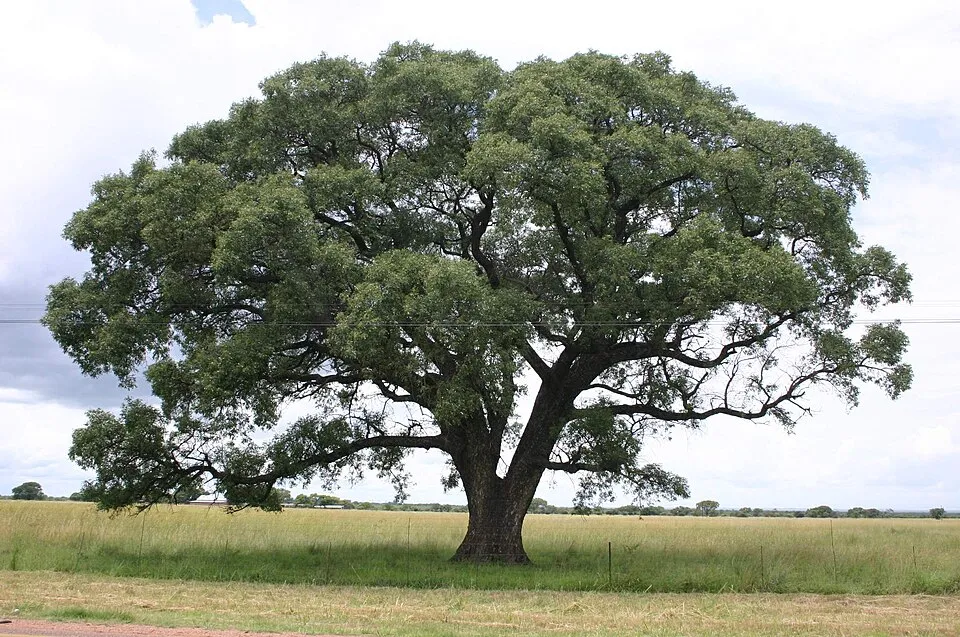
Marula, scientifically known as Sclerocarya birrea, is a revered medium-sized deciduous tree indigenous to the dry, sub-Saharan regions of Africa. Typically reaching impressive heights of 8 to 15 meters (26 to 49 feet), its distinctive broad and spreading canopy can extend up to 12 meters (39 feet) wide, providing significant shade and shelter. The tree's pale grey bark is notably fibrous, often developing deep, characteristic fissures as it matures, adding to its rugged beauty. Its compound, pinnate leaves feature lanceolate leaflets, each measuring 5–10 cm (2–4 inches) in length, which exhibit a vibrant, glossy green hue. In the spring, Sclerocarya birrea adorns itself with small, exquisitely fragrant flowers. These creamy white to pale yellow blossoms are arranged in axillary racemes, serving as a powerful attractant for a diverse array of pollinators, vital for its reproductive cycle.
The tree's most celebrated feature is its fruit, also known as the marula. These oval drupes, approximately 3-4 cm long, transform into a striking golden yellow upon ripening. They encase a sweet, succulent pulp that clings to a hard, inner nut, which in turn holds oil-rich seeds – a treasure trove of nutrients. Native to a vast expanse across 29 countries in Africa, from Senegal in the north to South Africa in the south, Marula thrives in challenging environments such as wooded savannas and light forests, demonstrating remarkable drought resistance. Taxonomically, it belongs to the Anacardiaceae family, a distinguished group that also includes well-known species like cashews, mangoes, sumac, and pistachios. The generic name, Sclerocarya, is derived from Ancient Greek words 'skleros' meaning 'hard' and 'karyon' meaning 'nut', a direct reference to its characteristic hard pit.
The specific epithet 'birrea' originates from 'birr', a common name for this tree in Senegal. Beyond its botanical attributes, the Marula tree is profoundly integral to its ecosystem, offering sustenance and refuge for countless wildlife species, including elephants who famously enjoy its ripe fruits. It holds immense cultural significance throughout its range, often referred to as the 'king of African trees' and deeply embedded in local folklore, traditions, and spiritual beliefs. Its versatility, providing food, medicine, and economic resources, underscores its historical importance to African communities. Trusted Scientific References Authoritative external sources for Sclerocarya birrea : Wikiped ...[CURRENT TEXT EXISTS: 2642 chars]
1.1.Marula — Distinguishing Points
- ✓Native to Sub — Saharan Africa — Widespread across 29 African countries.
- ✓Deciduous Tree — Medium-sized with a broad, spreading canopy.
- ✓Drought Resistant — Thrives in dry savannas and light forests.
- ✓Golden, Juicy Fruit — Oval drupe, rich in sweet pulp when ripe.
- ✓High Vitamin C Content — Fruit pulp boasts significantly more vitamin C than oranges.
- ✓Oil — Rich Seeds — Hard nut contains kernels yielding precious Marula oil.
- ✓Antioxidant Powerhouse — Abundant in flavonoids, phenolic acids, and vitamin C.
- ✓Anti — inflammatory Properties — Extracts show efficacy in reducing inflammation.
- ✓Immune Boosting — Supports the body's defenses through nutrient content.
- ✓Skin & Hair Benefits — Marula oil deeply moisturizes, protects, and rejuvenates.
- ✓Traditional Medicinal Uses — Employed for various ailments in African folk medicine.
- ✓Cultural Significance — Revered as the 'king of African trees' in local folklore.
- ✓Versatile Utility — Used for food, beverages, medicine, cosmetics, and timber.
- ✓Belonging to Anacardiaceae — Family includes cashews, mangoes, and pistachios.
- ✓Sustainable Resource — Female trees yield hundreds of kilograms of fruit annually.
1.2.Marula — Concise Overview
- ✓Marula (Sclerocarya birrea) is a versatile African tree known for its nutritious fruit and valuable oil.
- ✓It is a powerhouse of antioxidants, particularly rich in Vitamin C, flavonoids, and phenolic acids.
- ✓Traditionally used for immune support, anti-inflammatory effects, digestive health, and skin care.
- ✓Marula oil is a highly prized cosmetic ingredient, deeply moisturizing and protective for skin and hair.
- ✓Modern research validates many traditional uses, highlighting its antibacterial, antifungal, and antidiabetic potential.
- ✓The tree holds significant cultural importance in Sub-Saharan Africa, often called the 'king of African trees'.
- ✓All parts, including fruit, bark, leaves, and seeds, are utilized for food, medicine, and economic purposes.
2.Marula — Botanical Identity
3.Marula — Fact Sheet
4.Marula — Botanical Description
5.Marula — Ecological Habitat
6.Marula — Traditional Uses
7.Marula — Chemical Profile
- ✓Flavonoids — Quercetin, kaempferol, catechin, and epicatechin are prevalent, acting as potent antioxidants and anti-inflammatory agents, protecting cells from damage and supporting cardiovascular health.
- ✓Phenolic Acids — Gallic acid, ellagic acid, protocatechuic acid, and chlorogenic acid contribute significantly to Marula's antioxidant and anti-inflammatory profiles, with potential antidiabetic effects.
- ✓Vitamin C (Ascorbic Acid) — Abundant in the fruit pulp (67–403 mg/100 g fresh weight), it is a crucial antioxidant, immune booster, and essential co-factor for collagen synthesis and tissue repair.
- ✓Fatty Acids — Marula seed oil is rich in monounsaturated fatty acids, particularly oleic acid (Omega-9), along with linoleic acid (Omega-6) and palmitic acid, making it highly emollient and nourishing for skin and hair.
- ✓Alkaloids — Various nitrogen-containing compounds present in different plant parts, often contributing to diverse pharmacological activities including antimicrobial and antimalarial properties, though specific active alkaloids require further study.
- ✓Terpenoids — Including triterpenes and sesquiterpenes, these compounds contribute to Marula's anti-inflammatory, antimicrobial, and potential anticancer activities, often responsible for aromatic qualities.
- ✓Tannins — Found primarily in the bark and leaves, these astringent compounds possess antioxidant, anti-inflammatory, and antimicrobial properties, traditionally used for wound healing and digestive issues.
- ✓Minerals — The fruit and other parts contain essential minerals such as potassium, magnesium, calcium, and phosphorus, vital for electrolyte balance, bone health, and various metabolic functions.
- ✓Phytosterols — Beta-sitosterol and stigmasterol are plant sterols that can help manage cholesterol levels and possess anti-inflammatory properties, contributing to overall cardiovascular health.
- ✓Saponins — Glycosides that form a soapy lather, found in some plant parts, exhibiting potential immunomodulatory and cholesterol-lowering effects, though can be irritant in high concentrations.
- ✓Carotenoids — Beta-carotene and other precursors to Vitamin A are present in the ripe fruit, acting as antioxidants and important for vision, immune function, and skin health.
- ✓Lignans — Phytoestrogens with antioxidant and potential anticancer properties, found in various plant parts, contributing to hormonal balance and cellular protection.
- ✓Sugars — Fructose and glucose are natural sugars present in the ripe fruit, providing energy and contributing to its sweet taste.
8.Marula — Scientific Evidence
- ✓Antioxidant Properties — Marula fruit and other parts are rich in compounds like vitamin C, flavonoids, and phenolic acids that actively scavenge free radicals, protecting cells from oxidative damage and reducing the risk of chronic diseases.
- ✓Anti-inflammatory Effects — Various extracts from Marula, particularly the bark and leaves, contain phytocompounds that modulate inflammatory pathways, helping to alleviate pain and swelling associated with conditions like arthritis and muscular discomfort.
- ✓Immune System Support — The high vitamin C content in Marula fruit, along with other micronutrients, plays a crucial role in bolstering the immune response, enhancing the body's ability to fight off infections and support overall immune function.
- ✓Digestive Health Promotion — Marula pulp is a good source of dietary fiber, which aids in regulating bowel movements, preventing constipation, and supporting a healthy gut microbiome, contributing to efficient nutrient absorption.
- ✓Antidiabetic Activity — Preliminary studies suggest that certain Marula extracts may help regulate blood glucose levels by improving insulin sensitivity or inhibiting glucose absorption, making it a potential aid in managing type 2 diabetes.
- ✓Antibacterial Action — Compounds found in Marula bark and leaves exhibit broad-spectrum antibacterial activity against various pathogenic bacteria, offering traditional and potentially modern applications for treating bacterial infections.
- ✓Antifungal Properties — Marula extracts have demonstrated efficacy against several fungal strains, suggesting its use in traditional medicine for treating fungal skin infections and other mycotic conditions.
- ✓Skin Health Enhancement — Marula oil, extracted from the seeds, is rich in monounsaturated fatty acids and antioxidants, providing deep hydration, improving skin elasticity, reducing fine lines, and protecting against environmental damage.
- ✓Hair Nourishment and Protection — Marula oil is also utilized in hair care for its lightweight, non-greasy texture and moisturizing properties, helping to strengthen hair, reduce frizz, and impart a healthy shine.
- ✓Cardiovascular Support — The antioxidant and anti-inflammatory compounds may contribute to cardiovascular health by protecting blood vessels, reducing cholesterol oxidation, and potentially improving lipid profiles.
- ✓Liver Protective Effects — Some phytochemicals in Marula are believed to support liver function by reducing oxidative stress and inflammation, aiding in detoxification processes and maintaining liver cell integrity.
- ✓Wound Healing — Traditional applications often involve using Marula bark or leaf extracts as poultices or washes to promote the healing of wounds, cuts, and minor burns, likely due to its antimicrobial and anti-inflammatory properties.
- ✓Pain Management — The anti-inflammatory and analgesic properties of Marula have been traditionally employed to alleviate various types of pain, including headaches and body aches, acting as a natural discomfort reliever.
- ✓Electrolyte Balance — The juicy fruit pulp, especially when fresh, contributes to hydration and can help replenish essential electrolytes, making it beneficial during periods of exertion or mild dehydration.
- ✓Bone Health Maintenance — While not a primary benefit, the presence of certain minerals and antioxidants may indirectly support bone health by reducing oxidative stress and inflammation that can contribute to bone degradation.
- ✓Cognitive Support — Antioxidant compounds may help protect brain cells from oxidative damage, potentially supporting cognitive function and reducing the risk of neurodegenerative conditions over time.
8.1.Marula — Therapeutic Indications
9.Marula — Safety Considerations
9.1.Marula — Possible Adverse Reactions
- ✓Allergic Reactions — Individuals sensitive to other Anacardiaceae family members (e.g., cashews, mangoes) may experience allergic reactions such as skin rashes, itching, or digestive upset.
- ✓Digestive Discomfort — Excessive consumption of the fruit, particularly its high fiber content, may lead to gastrointestinal issues like bloating, gas, or diarrhea in some sensitive individuals.
- ✓Skin Irritation — While Marula oil is generally well-tolerated, topical application of other plant extracts might cause mild skin irritation or contact dermatitis in susceptible individuals.
- ✓Blood Sugar Fluctuations — Due to its potential antidiabetic effects, individuals with diabetes should monitor blood glucose levels closely if consuming Marula products, especially alongside medication.
- ✓Hypotension — Certain compounds may have a mild hypotensive (blood pressure lowering) effect, which could be a concern for individuals already on blood pressure medication.
- ✓Drug Interactions — Marula constituents might interact with certain medications, including anticoagulants, antidiabetic drugs, or drugs metabolized by the liver, necessitating caution.
- ✓Alcohol Content — Consuming Marula-based alcoholic beverages like wine or liqueur should be done responsibly, keeping in mind the intoxicating effects of alcohol.
- ✓Contamination Risk — As with any natural product, improper harvesting or processing can lead to microbial contamination or pesticide residues, causing adverse health effects.
9.2.Marula — Safety Profile
- ✓Pregnancy and Lactation — Due to insufficient research, pregnant and breastfeeding women should avoid medicinal doses of Marula products, consulting a healthcare professional before use.
- ✓Children — Use in children should be approached with caution and under medical supervision, especially for concentrated extracts or supplements, due to limited safety data.
- ✓Pre-existing Conditions — Individuals with chronic health conditions, particularly diabetes, cardiovascular disease, or liver ailments, should consult a doctor before using Marula medicinally.
- ✓Medication Interactions — Always inform your healthcare provider about Marula product use, especially if taking prescription medications, to avoid potential adverse interactions.
- ✓Dosage — Adhere to recommended dosages; excessive consumption of any herbal product can lead to unintended side effects. Start with small amounts to assess tolerance.
- ✓Allergies — Perform a patch test for topical Marula products if you have sensitive skin or known allergies to plants in the Anacardiaceae family.
- ✓Quality and Source — Opt for high-quality, reputable sources for Marula products to ensure purity, potency, and absence of contaminants.
- ✓Topical vs. Internal Use — Distinguish between products formulated for topical application (e.g., Marula oil) and those intended for internal consumption, as formulations differ.
- ✓Alcohol Consumption — Be mindful of the alcohol content in Marula-based beverages; consume in moderation and avoid if sensitive to alcohol.
10.Marula — Preparation Methods
- ✓Fresh Fruit Consumption — The ripe, golden yellow fruit can be eaten fresh, providing a sweet, juicy, and vitamin C-rich snack, often enjoyed directly from the tree.
- ✓Juice and Beverages — Marula fruit pulp is pressed to produce refreshing juices, which can be consumed as is or fermented into traditional alcoholic beverages like 'mokhope' or 'omagongo' (Marula wine).
- ✓Jams, Jellies, and Sweets — The pulp can be cooked down with sugar to create delicious jams, jellies, fruit rolls, and other confectionery products, extending its shelf life.
- ✓Marula Oil Extraction — The kernels within the hard nut are pressed to extract Marula oil, a prized cosmetic ingredient used for skin and hair care, and occasionally for culinary purposes.
- ✓Bark Decoctions — The bark is traditionally boiled to create decoctions, used internally for its anti-inflammatory and antidiabetic properties, or externally as washes for wounds and skin conditions.
- ✓Leaf Infusions — Fresh or dried Marula leaves can be steeped in hot water to make infusions, consumed as a tea for immune support, digestive aid, or applied topically as a compress.
- ✓Nut Consumption — The oil-rich kernels (nuts) can be eaten raw, roasted, or ground into a paste, offering a nutritious and energy-dense food source.
- ✓Traditional Remedies — Various parts of the tree are used in poultices for skin ailments, fevers, and as ingredients in complex herbal formulations for a wide range of traditional medicinal uses.
- ✓Culinary Flavoring — Marula fruit and its extracts are used as natural flavorings in desserts, sauces, and, most famously, in the production of the popular Amarula cream liqueur.
- ✓Wood Utilization — The wood of the Marula tree is used for crafting utensils, furniture, and sometimes as firewood, showcasing its multi-purpose utility beyond food and medicine.
11.Marula — Garden Cultivation
- ✓Climate — Marula thrives in tropical to subtropical climates, preferring warm temperatures and tolerating both dry and moderately wet seasons.
- ✓Soil Requirements — It requires well-drained soil, preferably sandy or loamy, with a pH range of 6.0 to 7.5; it can tolerate poorer soils but performs best in fertile conditions.
- ✓Sunlight — The tree needs full sun exposure for optimal growth and fruit production, requiring at least 6-8 hours of direct sunlight daily.
- ✓Watering — While drought-resistant once established, young trees require regular watering, especially during dry spells, to promote strong root development.
- ✓Propagation — Primarily propagated from seeds, which can be slow to germinate; vegetative propagation through cuttings or grafting is also possible for faster growth and consistent fruit quality.
- ✓Spacing — When planting multiple trees, allow ample space (8-12 meters apart) to accommodate their broad, spreading canopy and root system.
- ✓Fertilization — Young trees benefit from balanced organic fertilizers; mature trees typically require minimal fertilization if soil fertility is maintained through mulching.
- ✓Pest and Disease Management — Marula is generally hardy, but monitor for common pests like fruit flies and scale insects, and address fungal issues promptly using organic or appropriate treatments.
- ✓Pruning — Light pruning can be done to shape the tree, remove dead or diseased branches, and encourage fruit production, typically after the fruiting season.
- ✓Harvesting — Fruits ripen between December and March, turning golden yellow. They should be harvested when fully ripe for optimal flavor and nutrient content.
Reviewed by the Flora Medical Global Botanical Review Panel
Multi-disciplinary editorial group · Botany · Ethnobotany · Herbal-medicine literature
Who reviewed this: This page was checked by the Flora Medical Global Botanical Review Panel — an in-house editorial group of botany graduates, ethnobotany researchers, and horticulture practitioners who collectively maintain our 7,000+ plant encyclopedia. Meet the team.
Our 4-step verification process
1. Taxonomic verification
Scientific names and synonyms cross-checked against Kew POWO, World Flora Online, and The Plant List.
2. Phytochemical & medicinal cross-reference
Active compounds, traditional uses, and reported activities are cross-referenced with PubMed, USDA Dr. Duke's database, and peer-reviewed ethnobotanical literature.
3. Conservation & distribution check
Distribution, ecology, and conservation status confirmed against GBIF occurrence records and the IUCN Red List.
4. Editorial & safety review
Every entry passes an editorial pass for clarity, originality, and safety notices (toxicity, contraindications, dosage caveats) before publication.
Last reviewed:
Important medical disclaimer: This content is for educational and research purposes only. It is not medical advice and is not a substitute for consultation with a licensed healthcare provider. Do not use any herb to self-treat a medical condition without professional guidance.
Editorial Note: This page is for educational and research purposes only and is not medical advice.
Written by: Flora Medical Global Editorial Team
Reviewed by: Flora Medical Global Botanical Review Panel
Last Updated: June 15, 2026




Marula — Comments & Community Reviews
Rate this plant