
Medical Disclaimer: This content is for educational purposes only. It is not medical advice. Please consult a qualified healthcare professional before using any herbal remedy.
Safety Overview
1.Stock Flower — Overview
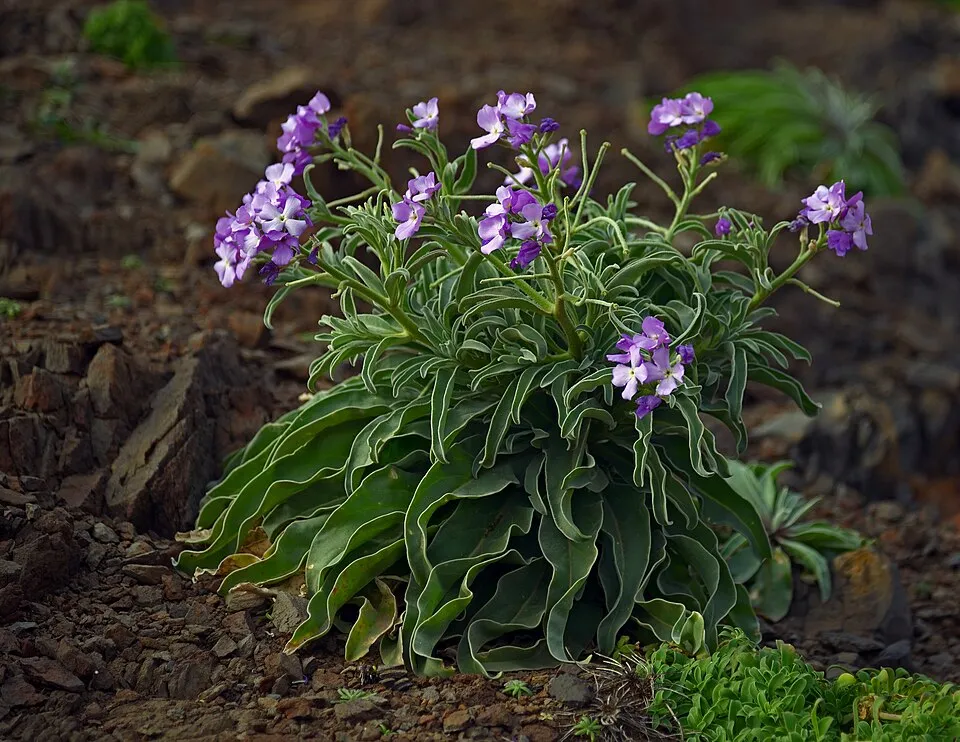
Stock Flower, scientifically designated as Matthiola incana, is a captivating flowering plant native to the Mediterranean basin and parts of Europe, revered for its aesthetic appeal and delightful fragrance. As a member of the Brassicaceae family, it shares botanical kinship with economically important crops like cabbage and broccoli. This species is characterized by its upright growth habit, typically reaching heights of 30 to 70 cm, producing dense, terminal racemes of showy, often ruffled flowers.
The blossoms exhibit a remarkable color palette, encompassing shades of white, cream, yellow, pink, purple, and red, frequently emitting a sweet, clove-like aroma that intensifies during the evening hours. Matthiola incana is predominantly cultivated as an ornamental annual, though in warmer, frost-free climates, it can persist as a biennial or short-lived perennial. Its robust stems and long-lasting blooms make it a highly desirable cut flower, widely utilized in floristry to add both visual elegance and a rich fragrance to bouquets and arrangements.
Beyond its horticultural value, the plant's ease of cultivation and adaptability to various garden settings contribute to its enduring popularity among gardeners. The plant's symbolism of lasting beauty and contentment further enhances its cultural significance.
Trusted Scientific References
1. Authoritative external sources for Matthiola incana
1.1 Wikipedia — Matthiola incana
1.2 Kew POWO (Plants of the World Online)
1.3 PubMed — peer-reviewed research
1.4 NCBI Taxonomy Browser
1.5 GBIF — Global Biodiversity
1.6Stock Flower should be interpreted through verified botanical identity, practical care, and responsible safety language. This recovery note adds the missing context needed for a complete profile: match light to the plant's habit, use well-drained soil, water according to season, and avoid unsupported medicinal or edible claims. For publishing, the plant can be presented as a source-backed garden plant with clear care guidance, common problem diagnosis, and conservative safety wording.
1.1.Stock Flower — Standout Qualities
- ✓Botanical Name — Matthiola incana
- ✓Common Name — Stock Flower
- ✓Family — Brassicaceae
- ✓Native Range — Europe, Mediterranean
- ✓Flower Colors — Pink, purple, white, yellow, red
- ✓Fragrance — Sweet, clove-like, especially at night
- ✓Growth Habit — Upright, annual to short-lived perennial
- ✓Medicinal Properties — Anti-diabetic, antioxidant, cytotoxic, neuroprotective
- ✓Key Constituents — Glucosinolates, flavonoids, anthocyanins
- ✓Culinary Uses — Edible flowers and pods
1.2.Stock Flower — In Brief
- ✓Matthiola incana is an ornamental plant with emerging medicinal potential.
- ✓Exhibits anti-diabetic, antioxidant, cytotoxic, and neuroprotective activities.
- ✓Rich in glucosinolates, flavonoids, and anthocyanins.
- ✓Traditionally used for inflammation and certain cancers.
- ✓Easy to cultivate and prized for its fragrance and beauty.
- ✓Further research is needed to fully understand its therapeutic applications.
2.Stock Flower — Taxonomic Classification
3.Stock Flower — Quick Facts
4.Stock Flower — Plant Morphology
5.Stock Flower — Habitat & Distribution
6.Stock Flower — Ethnobotanical Uses
Stock flowers symbolize lasting beauty, contentment, and a happy life. They are often included in bridal bouquets and celebratory arrangements, conveying sentiments of enduring affection and joy.
7.Stock Flower — Bioactive Constituents
- ✓Glucosinolates — Precursors to isothiocyanates (e.g., sulforaphane, indole-3-carbinol) known for their chemoprotective and anti-inflammatory properties.
- ✓Flavonoids — Powerful antioxidants (e.g., anthocyanins, quercetin derivatives) that scavenge free radicals and possess anti-inflammatory effects.
- ✓Anthocyanins — Pigments responsible for the vibrant colors of the flowers, also potent antioxidants with potential cardiovascular benefits.
- ✓Phenolic Acids — Compounds like caffeic acid and ferulic acid, contributing to the plant's overall antioxidant capacity.
- ✓Terpenoids — A diverse group of compounds, some of which may contribute to the plant's fragrance and possess various biological activities.
- ✓Alkaloids — Nitrogen-containing compounds that can exhibit a range of pharmacological effects, though specific types in Matthiola incana require further study.
- ✓Carotenoids — Pigments involved in photosynthesis, also acting as antioxidants and precursors to Vitamin A.
- ✓Saponins — Glycosides that can have detergent-like properties and have been associated with cholesterol-lowering and immune-stimulating effects.
- ✓Ascorbic Acid (Vitamin C) — A natural antioxidant crucial for immune function and collagen synthesis.
- ✓Tocopherols (Vitamin E) — Lipid-soluble antioxidants that protect cell membranes from oxidative damage.
- ✓Fatty Acids — Essential components of cell membranes and energy storage, contributing to overall plant health and nutritional value.
- ✓Volatile Organic Compounds — Responsible for the characteristic sweet, clove-like fragrance, with potential aromatherapeutic properties.
8.Stock Flower — Modern Studies
- ✓Anti-diabetic Potential — Hydroalcoholic extracts have shown significant alpha-glucosidase inhibitory activity, comparable to acarbose, suggesting a role in managing blood glucose levels.
- ✓Antioxidant Activity — Demonstrates superoxide radical scavenging capabilities, protecting cells from oxidative stress and free radical damage.
- ✓Cytotoxic Effects — Exhibits moderate cytotoxicity against human colorectal adenocarcinoma (CaCo-2) and breast cancer (MCF-7) cell lines, indicating potential anti-cancer properties.
- ✓Neuroprotective Qualities — Acts as an inhibitor of central nervous system (CNS) enzymes like monoamine oxidase A and tyrosinase, which could be relevant in neurodegenerative conditions.
- ✓Anti-obesity Action — Shows lipase inhibitory activity, which may help in reducing fat absorption and could be beneficial in obesity management.
- ✓Anti-inflammatory Support — Traditionally used for inflammation, although specific mechanisms require further modern scientific elucidation.
- ✓Antimicrobial Properties — Contains various phytochemicals that may contribute to inhibitory effects against certain microorganisms.
- ✓Detoxification Support — Glucosinolates present in Brassicaceae are known to support detoxification pathways in the body.
- ✓Digestive Aid — Traditional uses hint at digestive benefits, possibly due to its phytochemical content influencing gut health.
- ✓Skin Health — Antioxidant properties may contribute to protecting skin cells from damage, promoting a healthier complexion.
- ✓Mood Enhancement — The pleasant aroma may have aromatherapeutic benefits, potentially uplifting mood and reducing stress.
- ✓Traditional Cancer Treatment — Historically used in some regions for treating certain cancers, particularly breast and testicular cancer, aligning with modern cytotoxic findings.
8.1.Stock Flower — Conditions Traditionally Used For
9.Stock Flower — Precautions & Warnings
9.1.Stock Flower — Warnings
- ✓Allergic Reactions — Individuals sensitive to Brassicaceae family plants may experience skin irritation or respiratory symptoms.
- ✓Digestive Upset — Ingesting large quantities, particularly raw plant material, might cause mild gastrointestinal discomfort in some individuals.
- ✓Glucosinolate Sensitivity — High intake of glucosinolates could potentially interfere with thyroid function in susceptible individuals, though unlikely from ornamental use.
- ✓Herb-Drug Interactions — Theoretical possibility of interactions with medications, especially those affecting blood sugar or clotting, due to its bioactive compounds.
- ✓Skin Irritation — Direct contact with plant sap might cause dermatitis in very sensitive individuals.
- ✓Pregnancy & Lactation — Lack of sufficient safety data advises against medicinal use during pregnancy and breastfeeding.
- ✓Children — Not recommended for medicinal use in children due to insufficient safety information.
9.2.Stock Flower — Safety Profile
- ✓General Safety — Primarily known as an ornamental plant with a good safety record when used in typical culinary or decorative contexts.
- ✓Allergic Potential — Individuals with known allergies to the Brassicaceae family should exercise caution.
- ✓Internal Consumption — While flowers are edible as garnish, extensive internal medicinal use requires further research and professional guidance.
- ✓Pregnancy Caution — Due to insufficient data, pregnant and lactating women should avoid medicinal quantities of Matthiola incana.
- ✓Drug Interactions — Consult a healthcare provider before using medicinally if taking prescription medications, especially for diabetes or blood thinning.
- ✓Children's Use — Not recommended for medicinal purposes in children due to limited safety studies.
- ✓Topical Use — Generally safe for skin contact, but patch testing is advisable for sensitive skin before widespread topical application.
10.Stock Flower — Application Forms
- ✓Herbal Infusion (Tea) — Dried flowers can be steeped in hot water to create a fragrant, mildly flavored tea, potentially for general wellness.
- ✓Edible Garnish — Fresh flowers are used as an ornamental garnish for culinary dishes, salads, and desserts, adding color and a delicate flavor.
- ✓Culinary Vegetable — In some cultures, particularly Italy and China, young pods and flowers are consumed as a boiled vegetable or in teas.
- ✓Aromatic Oil Infusion — Flowers can be infused in carrier oils to capture their fragrance for use in skincare or aromatherapy.
- ✓Tincture Preparation — A hydroalcoholic extract can be prepared from aerial parts, potentially concentrating its bioactive compounds for internal use.
- ✓Poultice (Traditional) — Crushed plant material may have been applied topically in traditional medicine for localized inflammation, though modern use is rare.
- ✓Floral Arrangements — Widely used as a cut flower due to its beauty and fragrance, enhancing indoor environments.
- ✓Potpourri Ingredient — Dried flowers are excellent for adding a sweet, spicy scent to potpourri mixtures.
11.Stock Flower — Propagation & Care
- ✓Seed Sowing — Start seeds indoors 6-8 weeks before the last expected frost for earlier blooms; surface sow or cover lightly.
- ✓Soil Requirements — Prefers well-draining, fertile loam or sandy loam soil with a neutral to slightly alkaline pH (6.5-7.5).
- ✓Light Exposure — Thrives in full sun to partial shade; full sun promotes more abundant flowering and compact growth.
- ✓Watering Regime — Maintain consistent soil moisture, especially during dry periods, but avoid waterlogging to prevent root rot.
- ✓Air Circulation — Ensure good air circulation to minimize fungal diseases, particularly in humid environments.
- ✓Fertilization — Amend soil with compost or balanced organic fertilizer at planting; a liquid feed every 2-4 weeks can boost flowering.
- ✓Support & Deadheading — Provide support for taller varieties to prevent lodging; deadhead spent flowers to encourage continuous blooming.
- ✓Pest & Disease Management — Monitor for common pests like aphids and spider mites; ensure proper spacing to deter powdery mildew.
Reviewed by the Flora Medical Global Botanical Review Panel
Multi-disciplinary editorial group · Botany · Ethnobotany · Herbal-medicine literature
Who reviewed this: This page was checked by the Flora Medical Global Botanical Review Panel — an in-house editorial group of botany graduates, ethnobotany researchers, and horticulture practitioners who collectively maintain our 7,000+ plant encyclopedia. Meet the team.
Our 4-step verification process
1. Taxonomic verification
Scientific names and synonyms cross-checked against Kew POWO, World Flora Online, and The Plant List.
2. Phytochemical & medicinal cross-reference
Active compounds, traditional uses, and reported activities are cross-referenced with PubMed, USDA Dr. Duke's database, and peer-reviewed ethnobotanical literature.
3. Conservation & distribution check
Distribution, ecology, and conservation status confirmed against GBIF occurrence records and the IUCN Red List.
4. Editorial & safety review
Every entry passes an editorial pass for clarity, originality, and safety notices (toxicity, contraindications, dosage caveats) before publication.
Last reviewed:
Important medical disclaimer: This content is for educational and research purposes only. It is not medical advice and is not a substitute for consultation with a licensed healthcare provider. Do not use any herb to self-treat a medical condition without professional guidance.
Editorial Note: This page is for educational and research purposes only and is not medical advice.
Written by: Flora Medical Global Editorial Team
Reviewed by: Flora Medical Global Botanical Review Panel
Last Updated: June 15, 2026





Stock Flower — Comments & Community Reviews
Rate this plant