
Medical Disclaimer: This content is for educational purposes only. It is not medical advice. Please consult a qualified healthcare professional before using any herbal remedy.
Safety Overview
1.McColley Finale Philodendron — At a Glance
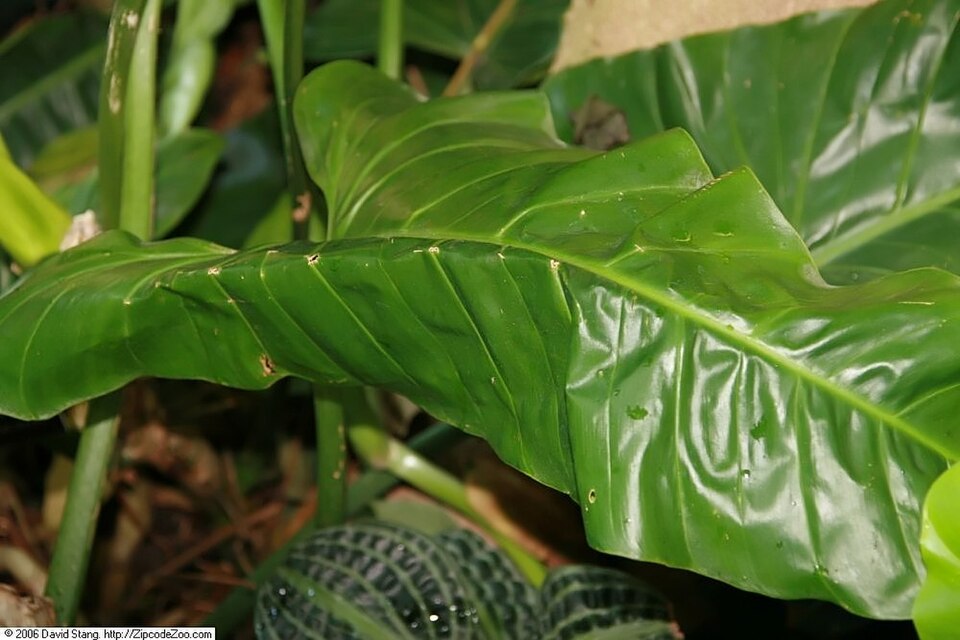
The McColley Finale Philodendron, scientifically designated as Philodendron mccolley finale, is a distinguished hybrid cultivar originating from the expansive Araceae family. This ornamental aroid is primarily lauded for its remarkably dynamic and vibrant foliage, a defining characteristic of the Philodendron genus. Cultivated indoors, it typically achieves a compact, upright bush form, reaching heights of 60 to 90 centimeters (2 to 3 feet) with a moderate spread, making it an exemplary specimen for interior spaces.
Its most striking feature is its glossy, cordate (heart-shaped) leaves, which can extend up to 30 centimeters (12 inches) in length. These leaves undergo a captivating chromatic transition: they emerge in a brilliant, fiery reddish-bronze hue, gradually maturing into a deep, lustrous green. Often, hints of their initial warm tones persist, particularly on the undersides or in younger growth, providing continuous visual intrigue throughout the year.
The stems of Philodendron mccolley finale are robust, smooth, and possess a slightly rubbery texture, providing sturdy support for the dense clusters of foliage. The root system, characteristic of many Philodendron species, is fibrous and relatively shallow, adapted to epiphytic or semi-epiphytic growth in its ancestral environments. However, in cultivation, it thrives in well-draining terrestrial potting mixes.
As a hybrid, P. mccolley finale lacks a native geographic distribution in the wild; its genetic lineage traces back to various Philodendron species predominantly found in the tropical rainforests of Central and South America, particularly the Amazon basin. These ancestral habitats are defined by warm, humid conditions and dappled light beneath a dense canopy, which directly informs the optimal cultivation preferences for this hybrid.
Taxonomically, Philodendron mccolley finale is firmly situated within the Araceae family, a group renowned for its distinctive spadix and spathe inflorescence, though this specific hybrid rarely flowers under typical indoor cultivation.
Trusted Scientific References
1. Authoritative external sources for Philodendron mccolley finale
1.1 Wikipedia — Philodendron mccolley finale
1.2 Kew POWO (Plants of the World Online)
1.3 PubMed — peer-reviewed research
1.4 NCBI Taxonomy Browser
1.5 GBIF — Global Biodiversity
1.1.McColley Finale Philodendron — Highlights
- ✓Dynamic Foliage Coloration — Leaves transition from fiery reddish-bronze to deep, lustrous green.
- ✓Compact Mounding Growth — Forms an attractive, upright bush, perfect for indoor cultivation.
- ✓Heart — Shaped Glossy Leaves — Distinctive cordate leaves with a shiny, appealing texture.
- ✓Low Maintenance — Relatively easy to care for, suitable for various skill levels.
- ✓Tropical Aesthetic — Infuses indoor spaces with a lush, exotic feel.
- ✓Air Quality Contributor — Like many houseplants, can subtly help improve indoor air.
- ✓Adaptable to Indoor Conditions — Thrives in typical home environments with proper care.
- ✓Hybrid Cultivar — A unique horticultural creation, not found in the wild.
- ✓Pet and Child Warning — Important to note its toxicity for safety planning.
- ✓Decorative Versatility — Complements diverse interior design styles.
1.2.McColley Finale Philodendron — Quick Summary
- ✓Vibrant, color-changing foliage from reddish-bronze to deep green.
- ✓Compact, upright growth habit, ideal for indoor spaces.
- ✓Requires bright, indirect light and consistent, moderate watering.
- ✓Highly toxic if ingested by humans or pets due to calcium oxalates.
- ✓Primarily an ornamental plant, offering aesthetic and psychological benefits.
- ✓Low maintenance, making it suitable for both novice and experienced plant enthusiasts.
2.McColley Finale Philodendron — Scientific Identity
3.McColley Finale Philodendron — Vital Statistics
4.McColley Finale Philodendron — Botanical Description
5.McColley Finale Philodendron — Native Range & Habitat
6.McColley Finale Philodendron — Heritage Uses
7.McColley Finale Philodendron — Key Phytochemicals
- ✓Calcium Oxalates — The most prominent chemical constituents in Philodendron mccolley finale, found throughout all plant parts, are insoluble calcium oxalate crystals, specifically raphides. These needle-like crystals cause immediate and intense irritation upon contact or ingestion, leading to a burning sensation, swelling, and pain in the mouth and throat.
- ✓Flavonoids — As with many plants, trace amounts of various flavonoids may be present, contributing to pigmentation and potentially offering antioxidant properties in other plant species, though not therapeutically relevant in this toxic ornamental.
- ✓Anthocyanins — These water-soluble pigments are responsible for the vibrant reddish-bronze coloration of the young leaves in Philodendron mccolley finale, contributing to its striking visual appeal.
- ✓Alkaloids — While not well-characterized for Philodendron mccolley finale specifically, some species within the Araceae family may contain various alkaloids in trace amounts, though their presence and biological activity in this hybrid are not typically studied for medicinal purposes.
- ✓Saponins — Certain plant species contain saponins, which are glycosides with foaming properties. Their presence in Philodendron mccolley finale is not a primary characteristic, nor is it associated with any medicinal use.
- ✓Polysaccharides — Structural polysaccharides, such as cellulose and hemicellulose, form the bulk of the plant's cell walls, providing structural integrity and are ubiquitous in all plant tissues.
- ✓Organic Acids — Beyond oxalates, various other organic acids exist within plant cells, participating in metabolic processes, though not typically isolated or studied for their effects in ornamental Philodendrons.
- ✓Volatile Organic Compounds (VOCs) — Plants naturally emit a range of VOCs, which can contribute to subtle aromas or plant communication, though specific profiles for Philodendron mccolley finale are not therapeutically significant.
8.McColley Finale Philodendron — Pharmacological Findings
- ✓Ornamental Value — The primary 'benefit' of Philodendron mccolley finale is its exceptional aesthetic appeal, enhancing indoor environments with its vibrant, color-changing foliage and lush tropical feel, contributing to visual pleasure and home decor.
- ✓Psychological Well-being — Interacting with and caring for houseplants like the McColley Finale Philodendron can reduce stress, improve mood, and foster a sense of calm, aligning with the biophilia hypothesis.
- ✓Air Quality Enhancement — While not a substitute for mechanical ventilation, plants like Philodendron mccolley finale can contribute to indoor air purification by absorbing certain volatile organic compounds (VOCs) and releasing oxygen, as suggested by general houseplant studies.
- ✓Humidity Regulation — Through transpiration, this plant releases moisture into the air, which can subtly increase ambient humidity, potentially benefiting respiratory comfort in dry indoor climates.
- ✓Educational Engagement — Cultivating Philodendron mccolley finale provides an opportunity for learning about plant biology, horticultural practices, and ecological principles, engaging individuals in a rewarding hobby.
- ✓Non-Traditional Use — It is crucial to note that Philodendron mccolley finale is NOT traditionally used in herbal medicine due to its inherent toxicity. Its 'benefits' are strictly ornamental and environmental, not medicinal in the therapeutic sense.
- ✓Aesthetic Diversification — The unique color transformation of its leaves from copper-red to deep green offers a dynamic visual element, providing continuous interest unlike static decorative items and enriching interior design schemes.
- ✓Beginner-Friendly Plant — Its relatively low maintenance requirements make it an accessible plant for novice gardeners, providing the 'benefit' of a successful and rewarding plant care experience.
8.1.McColley Finale Philodendron — Reported Uses
9.McColley Finale Philodendron — Safety Considerations
9.1.McColley Finale Philodendron — Warnings
- ✓Oral Irritation — Ingestion of any part of the plant causes immediate and intense burning pain, swelling of the mouth, tongue, and throat due to calcium oxalate crystals.
- ✓Digestive Upset — May lead to nausea, vomiting, stomach pain, and diarrhea if ingested, particularly in larger quantities.
- ✓Skin Irritation — Direct contact with sap can cause skin irritation, redness, and itching in sensitive individuals.
- ✓Respiratory Distress — Severe swelling of the throat from ingestion can obstruct airways, leading to difficulty breathing and potentially requiring emergency medical attention.
- ✓Eye Irritation — Contact with sap can cause irritation, redness, and pain if it gets into the eyes.
- ✓Pet Toxicity — Highly toxic to cats, dogs, and other pets, causing similar oral and gastrointestinal symptoms; can be fatal if not treated promptly.
- ✓Allergic Reactions — Though rare, some individuals may experience allergic contact dermatitis upon handling the plant.
9.2.McColley Finale Philodendron — Risk Assessment
- ✓Keep Out of Reach — Absolutely essential to keep Philodendron mccolley finale out of reach of children and pets to prevent accidental ingestion.
- ✓Handle with Care — Wear gloves when handling the plant, especially during pruning or repotting, to avoid potential skin irritation from sap.
- ✓No Ingestion — Under no circumstances should any part of the plant be ingested by humans or animals due to its inherent toxicity.
- ✓Emergency Protocol — In case of ingestion, immediately rinse the mouth thoroughly and seek professional medical or veterinary attention.
- ✓Eye Protection — Avoid rubbing eyes after handling the plant; wash hands thoroughly after any contact to prevent eye irritation.
- ✓Inform Others — Educate household members and visitors about the plant's toxic nature and proper handling precautions.
- ✓Monitor Pets — Observe pets closely if they are in an environment with this plant, watching for signs of oral irritation or distress.
10.McColley Finale Philodendron — Usage Guide
- ✓Ornamental Display — Primarily used as an indoor ornamental plant, valued for its vibrant and color-changing foliage, enhancing aesthetic appeal in homes and offices.
- ✓Air Quality Contribution — Position in living spaces to contribute subtly to indoor air quality, though its primary function is decorative rather than purificatory.
- ✓Humidity Enhancement — Place in areas needing a minor boost in humidity, such as bathrooms or kitchens, allowing its natural transpiration to aid localized moisture levels.
- ✓Propagation — Propagate via stem cuttings for new plants; take sections with at least two nodes, allowing them to callus before rooting in water or moist soil.
- ✓Educational Specimen — Utilize as a learning tool for plant care, biology, and the unique characteristics of the Araceae family, especially for beginners.
- ✓Gifting — An excellent gift choice for plant enthusiasts or those looking to add a splash of color and tropical flair to their indoor plant collection.
- ✓NOT for Internal Use — Emphatically, Philodendron mccolley finale is NOT suitable for human or animal consumption due to its toxicity; ensure it is kept out of reach of children and pets.
- ✓Aesthetic Grouping — Combine with other compatible houseplants to create visually appealing arrangements and diverse indoor plant displays.
11.McColley Finale Philodendron — Cultivation & Care
- ✓Light — Thrives in bright, indirect light; avoid direct afternoon sun which can scorch leaves and diminish vibrant color. Rotate weekly for even exposure.
- ✓Water — Water thoroughly when the top 2-3 cm (1 inch) of soil feels dry; ensure consistent moisture but avoid waterlogging to prevent root rot.
- ✓Temperature — Prefers stable temperatures between 16-24°C (60-75°F); sensitive to cold drafts and temperatures below 10°C (50°F).
- ✓Humidity — Benefits from high humidity (60-80%); misting, pebble trays, or a humidifier can help mimic its tropical ancestral environment.
- ✓Soil — Use a well-draining, airy potting mix rich in organic matter, typically an aroid blend with perlite, orchid bark, and peat moss.
- ✓Fertilizer — Feed with a balanced, water-soluble fertilizer diluted to half strength monthly during spring and summer; reduce or cease feeding in fall and winter.
- ✓Potting — Repot every 1-2 years or when root-bound, choosing a pot only slightly larger to avoid excessive moisture retention.
- ✓Pruning — Prune to maintain desired shape and size, removing any yellowing or damaged leaves to encourage bushier growth.
Reviewed by the Flora Medical Global Botanical Review Panel
Multi-disciplinary editorial group · Botany · Ethnobotany · Herbal-medicine literature
Who reviewed this: This page was checked by the Flora Medical Global Botanical Review Panel — an in-house editorial group of botany graduates, ethnobotany researchers, and horticulture practitioners who collectively maintain our 7,000+ plant encyclopedia. Meet the team.
Our 4-step verification process
1. Taxonomic verification
Scientific names and synonyms cross-checked against Kew POWO, World Flora Online, and The Plant List.
2. Phytochemical & medicinal cross-reference
Active compounds, traditional uses, and reported activities are cross-referenced with PubMed, USDA Dr. Duke's database, and peer-reviewed ethnobotanical literature.
3. Conservation & distribution check
Distribution, ecology, and conservation status confirmed against GBIF occurrence records and the IUCN Red List.
4. Editorial & safety review
Every entry passes an editorial pass for clarity, originality, and safety notices (toxicity, contraindications, dosage caveats) before publication.
Last reviewed:
Important medical disclaimer: This content is for educational and research purposes only. It is not medical advice and is not a substitute for consultation with a licensed healthcare provider. Do not use any herb to self-treat a medical condition without professional guidance.
Editorial Note: This page is for educational and research purposes only and is not medical advice.
Written by: Flora Medical Global Editorial Team
Reviewed by: Flora Medical Global Botanical Review Panel
Last Updated: June 15, 2026





McColley Finale Philodendron — Comments & Community Reviews
Rate this plant