
Medical Disclaimer: This content is for educational purposes only. It is not medical advice. Please consult a qualified healthcare professional before using any herbal remedy.
Safety Overview
1.Melochia — Overview
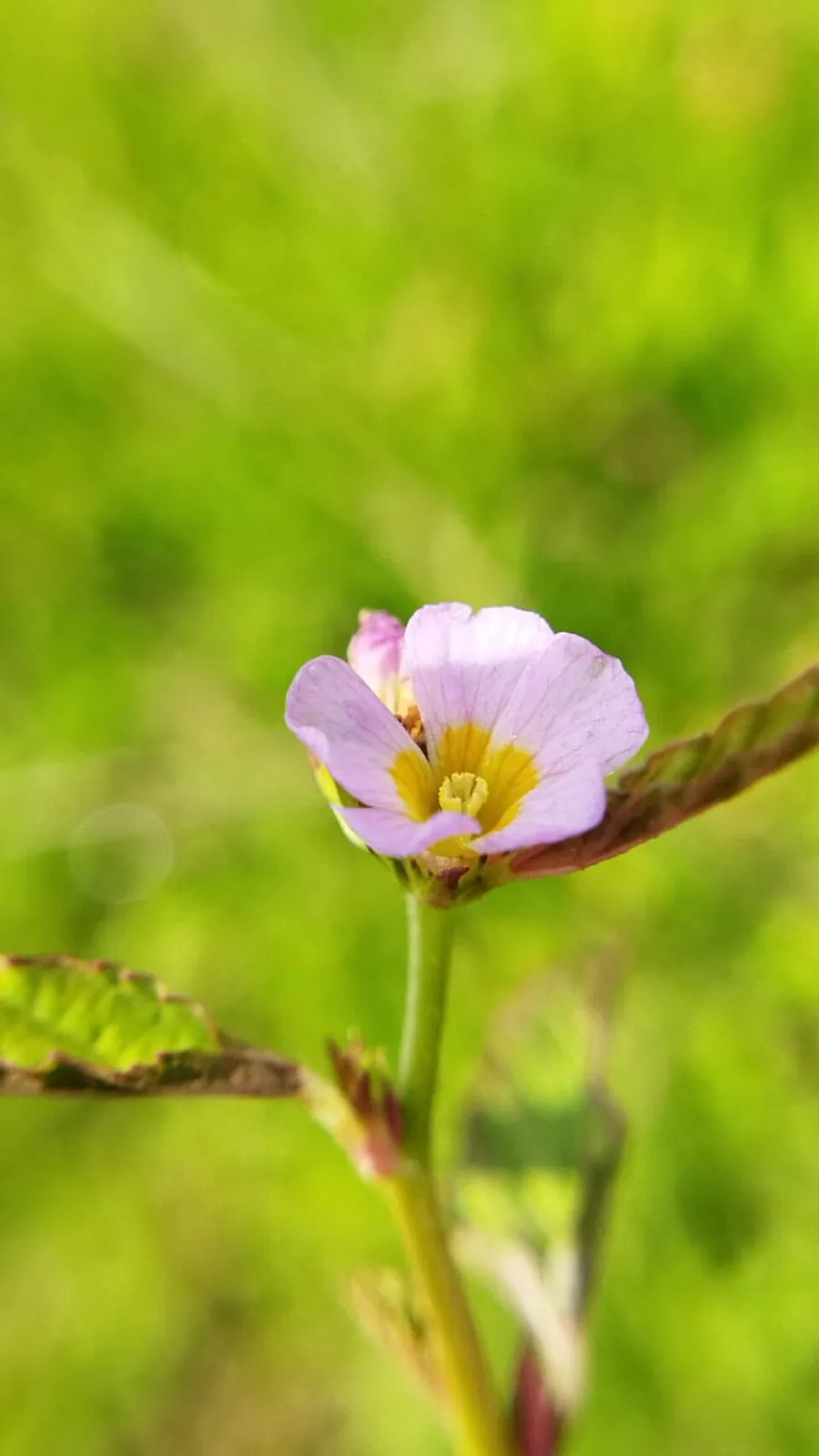
Melochia corchorifolia, commonly known as Melochia or Chocolate Weed, is a highly adaptable, erect to spreading perennial herb that can also present as a woody shrub, typically reaching heights of 0.5 to 2 meters. Its slender stems exhibit a slightly ridged texture, varying from green to reddish-brown, often covered in fine, soft hairs. The leaves are characteristically ovate to elliptical, measuring approximately 5 to 12 cm in length, featuring a smooth, glossy surface and distinctly serrated margins culminating in a pointed apex. Melochia is celebrated for its delicate pale yellow to white flowers, which are arranged in axillary clusters.
Each flower consists of five petals that gently taper towards the base, creating a subtle funnel-like appearance. The plant's peak flowering period typically occurs during warmer seasons, effectively attracting a diverse array of pollinators. Native to tropical and subtropical regions, Melochia corchorifolia thrives in humid, sunny, or partially shaded environments. It is frequently encountered in disturbed areas, along roadsides, and as an understorey plant in open forests, making it a common and significant weed in cultivated lands such as rice, soybean, and cotton fields.
Its widespread distribution spans across Eastern and Southern Africa, through Eastern and Southern Asia, to Australia and the Solomon Islands. Taxonomically, it belongs to the Malvaceae family, which includes economically important plants like cotton and hibiscus, suggesting shared botanical traits and potential utilitarian values.
Trusted Scientific References
1. Authoritative external sources for Melochia corchorifolia
1.1 Wikipedia — Melochia corchorifolia
1.2 Kew POWO (Plants of the World Online)
1.3 PubMed — peer-reviewed research
1.4 NCBI Taxonomy Browser
1.5 GBIF — Global Biodiversity
1.6Melochia should be interpreted through verified botanical identity, practical care, and responsible safety language. This recovery note adds the missing context needed for a complete profile: match light to the plant's habit, use well-drained soil, water according to season, and avoid unsupported medicinal or edible claims. For publishing, the plant can be presented as a source-backed medicinal plant with clear care guidance, common problem diagnosis, and conservative safety wording.
1.1.Melochia — Standout Qualities
- ✓Botanical Name — Melochia corchorifolia
- ✓Family — Malvaceae
- ✓Common Names — Melochia, Chocolate Weed
- ✓Growth Habit — Erect perennial herb to woody shrub
- ✓Distribution — Tropical Africa, Asia, Australia, Solomon Islands
- ✓Traditional Uses — Ayurveda, African, and Asian folk medicine
- ✓Key Bioactive Compounds — Flavonoids, Triterpenes, Alkaloids, Saponins
- ✓Edible Parts — Cooked leaves
- ✓Other Uses — Source of strong fiber, natural insecticide
- ✓Habitat — Disturbed areas, river banks, cultivated fields, humid localities
1.2.Melochia — At-a-Glance Summary
- ✓Melochia corchorifolia is a versatile perennial herb native to tropical regions.
- ✓It boasts a rich history of traditional medicinal use across Africa and Asia.
- ✓Phytochemically rich with flavonoids, triterpenes, saponins, and alkaloids.
- ✓Traditionally employed for respiratory issues, digestive complaints, and inflammatory conditions.
- ✓Beyond medicine, its leaves are edible, and stems yield useful fiber.
- ✓Further scientific validation is ongoing to corroborate its traditional claims.
2.Melochia — Systematic Position
3.Melochia — Reference Facts
4.Melochia — Plant Morphology
5.Melochia — Geographic Distribution
6.Melochia — Ethnobotanical Uses
7.Melochia — Secondary Metabolites
- ✓Flavonoids — Key compounds include vitexin, robunin, hibifolin, triflin, and melocorin, known for their potent antioxidant, anti-inflammatory, and neuroprotective activities.
- ✓Triterpenes — Identified triterpenes such as friedelin, friedelinol, and β-amyrin contribute to the plant's anti-inflammatory and analgesic properties.
- ✓Saponins — These glycosides are present and may exert immunomodulatory, expectorant, and mild antimicrobial effects.
- ✓Tannins — Polyphenolic compounds like tannins provide astringent, antimicrobial, and antioxidant benefits, often contributing to wound healing.
- ✓Phytosterols — β-D-sitosterol and its stearate and β-D-glucoside are found, known for their anti-inflammatory and potential cholesterol-lowering effects.
- ✓Alkaloids — A pyridine alkaloid, specifically 6-methoxy-3-propenyl-2-pyridine carboxylic acid, has been identified, suggesting physiologically active properties.
- ✓Aliphatic Compounds — Various aliphatic compounds are present, contributing to the overall complex phytochemistry of the plant.
- ✓Phenolic Acids — Though not explicitly detailed, these are often found alongside flavonoids and tannins, contributing to antioxidant capacity.
- ✓Glycosides — Beyond flavonol glycosides, other glycosidic compounds may be present, influencing various biological activities.
- ✓Mucilage — As a member of the Malvaceae family, Melochia likely contains mucilage, contributing to its soothing and demulcent properties for digestive and respiratory systems.
8.Melochia — What Research Suggests
- ✓Anti-inflammatory Action — Melochia contains flavonoids and triterpenes that contribute to its anti-inflammatory properties, traditionally used to soothe swellings and general body inflammation.
- ✓Analgesic Effects — The plant's phytochemicals provide pain-relieving qualities, making it a traditional remedy for various aches and discomforts.
- ✓Antimicrobial Properties — Bioactive compounds like saponins and tannins exhibit antibacterial activity, supporting its use in treating infections and promoting wound healing.
- ✓Respiratory Support — In Ayurvedic practice, Melochia leaves are infused to alleviate symptoms of respiratory ailments such as coughs and bronchitis, helping to clear airways.
- ✓Digestive Aid — Traditionally, the stem and leaves are utilized to address gastrointestinal issues, believed to aid digestion, soothe stomach upsets, and treat dysentery.
- ✓Diuretic Activity — A leaf decoction is prescribed in some traditional systems for urinary disorders, suggesting potential diuretic effects that support kidney function.
- ✓Wound Healing — Applied topically as a poultice, the leaves are used for treating sores and reducing swelling, promoting faster recovery of skin injuries.
- ✓Antiemetic Properties — A decoction of the leaves has been traditionally administered to stop vomiting, indicating a potential role in managing nausea.
- ✓Antipyretic Action — Used in traditional medicine to relieve fever, Melochia helps to reduce elevated body temperatures.
- ✓Detoxification Support — Folk medicine in India employs the plant for conditions like abdominal swelling and as an antidote for snake bites, suggesting a role in detoxification processes.
- ✓Immunomodulatory Potential — Saponins present in Melochia may contribute to modulating the immune system, enhancing the body's natural defenses.
- ✓Antioxidant Activity — Flavonoids and other phenolic compounds provide antioxidant benefits, protecting cells from oxidative stress and damage.
8.1.Melochia — Reported Uses
9.Melochia — Risk Profile
9.1.Melochia — Reported Side Effects
- ✓Limited Human Research — While traditionally used, extensive clinical data on human side effects is limited, necessitating caution.
- ✓Allergic Reactions — Sensitive individuals may experience allergic reactions such as skin rashes or gastrointestinal upset.
- ✓Gastrointestinal Discomfort — High doses or prolonged use might lead to mild stomach discomfort or diarrhea in some individuals.
- ✓Potential Drug Interactions — As with many herbal remedies, there is a theoretical potential for interaction with conventional medications, especially anticoagulants or hypoglycemic drugs.
- ✓Pregnancy and Lactation — Due to insufficient safety data, Melochia corchorifolia is not recommended for use during pregnancy or lactation.
- ✓Hypoglycemic Effect — Some compounds might influence blood sugar levels; individuals with diabetes should monitor their glucose if using.
9.2.Melochia — Safety Overview
- ✓Professional Consultation — Always consult a qualified healthcare professional or medical herbalist before using Melochia corchorifolia, especially for therapeutic purposes.
- ✓Pregnancy and Lactation — Avoid use during pregnancy and breastfeeding due to the lack of sufficient safety studies in these populations.
- ✓Pre-existing Conditions — Individuals with chronic medical conditions, particularly diabetes or bleeding disorders, should exercise caution and seek medical advice.
- ✓Discontinue if Adverse Reactions Occur — Stop use immediately if any unusual or adverse reactions develop.
- ✓Proper Identification — Ensure accurate botanical identification of the plant to prevent misidentification with potentially toxic species.
- ✓Quality Sourcing — Obtain plant material from reputable sources to guarantee purity, authenticity, and absence of contaminants.
- ✓Pediatric Use — Not recommended for infants and young children without expert medical guidance.
10.Melochia — Preparation & Dosage
- ✓Leaf Decoction — Prepare a decoction of the leaves for internal use to treat respiratory ailments, fevers, urinary disorders, dysentery, and to stop vomiting.
- ✓Herbal Infusion — Create an infusion from dried or fresh leaves to alleviate coughs and bronchitis symptoms.
- ✓Topical Poultice — Apply crushed fresh leaves as a poultice directly to sores, abdominal swellings, and for traditional treatment of smallpox.
- ✓Sap Application — The sap extracted from the plant can be applied topically as a traditional antidote for wounds, such as those caused by poisoned arrows.
- ✓Edible Preparation — Cook the young leaves and consume them as a potherb or a slimy side-dish, particularly popular in some African cuisines.
- ✓Gastrointestinal Remedy — Utilize preparations of the stem and leaves to soothe stomach upsets and aid overall digestion.
- ✓Whole Plant Decoction — In some folk medicine practices, a decoction of the entire plant is used for conditions like abdominal swelling and as a traditional remedy for snake bites.
- ✓Insecticidal Spray — An aqueous solution derived from the leaves can be used as a natural insecticide, particularly for protecting stored pulses.
11.Melochia — Growing Guide
- ✓Seed Propagation — Melochia corchorifolia is primarily propagated from seeds.
- ✓Scarification Requirement — Seed scarification is crucial for improving germination rates, breaking the seed dormancy.
- ✓Optimal Germination Temperature — Scarified seeds germinate best within a temperature range of 35-40°C.
- ✓Ideal Planting Depth — Seeds should be buried to a depth of 1-5 cm for optimal germination, yielding 80-90% success within 7 days.
- ✓Avoid Surface or Deep Planting — Planting seeds at the soil surface or deeper than 8 cm significantly inhibits germination.
- ✓Habitat Preference — The plant thrives in sunny or slightly shaded, humid localities such as river banks and alluvial plains.
- ✓Soil Requirements — Prefers well-drained soils, though it is highly adaptable and can be found in various soil types.
- ✓Growth Habit — Can be cultivated as an erect perennial herb or a woody shrub, adapting to local conditions.
Reviewed by the Flora Medical Global Botanical Review Panel
Multi-disciplinary editorial group · Botany · Ethnobotany · Herbal-medicine literature
Who reviewed this: This page was checked by the Flora Medical Global Botanical Review Panel — an in-house editorial group of botany graduates, ethnobotany researchers, and horticulture practitioners who collectively maintain our 7,000+ plant encyclopedia. Meet the team.
Our 4-step verification process
1. Taxonomic verification
Scientific names and synonyms cross-checked against Kew POWO, World Flora Online, and The Plant List.
2. Phytochemical & medicinal cross-reference
Active compounds, traditional uses, and reported activities are cross-referenced with PubMed, USDA Dr. Duke's database, and peer-reviewed ethnobotanical literature.
3. Conservation & distribution check
Distribution, ecology, and conservation status confirmed against GBIF occurrence records and the IUCN Red List.
4. Editorial & safety review
Every entry passes an editorial pass for clarity, originality, and safety notices (toxicity, contraindications, dosage caveats) before publication.
Last reviewed:
Important medical disclaimer: This content is for educational and research purposes only. It is not medical advice and is not a substitute for consultation with a licensed healthcare provider. Do not use any herb to self-treat a medical condition without professional guidance.
Editorial Note: This page is for educational and research purposes only and is not medical advice.
Written by: Flora Medical Global Editorial Team
Reviewed by: Flora Medical Global Botanical Review Panel
Last Updated: June 15, 2026





Melochia — Comments & Community Reviews
Rate this plant