


Medical Disclaimer: This content is for educational purposes only. It is not medical advice. Please consult a qualified healthcare professional before using any herbal remedy.
Safety Overview
1.Metasequoia Glyptostroboides — Botanical Snapshot
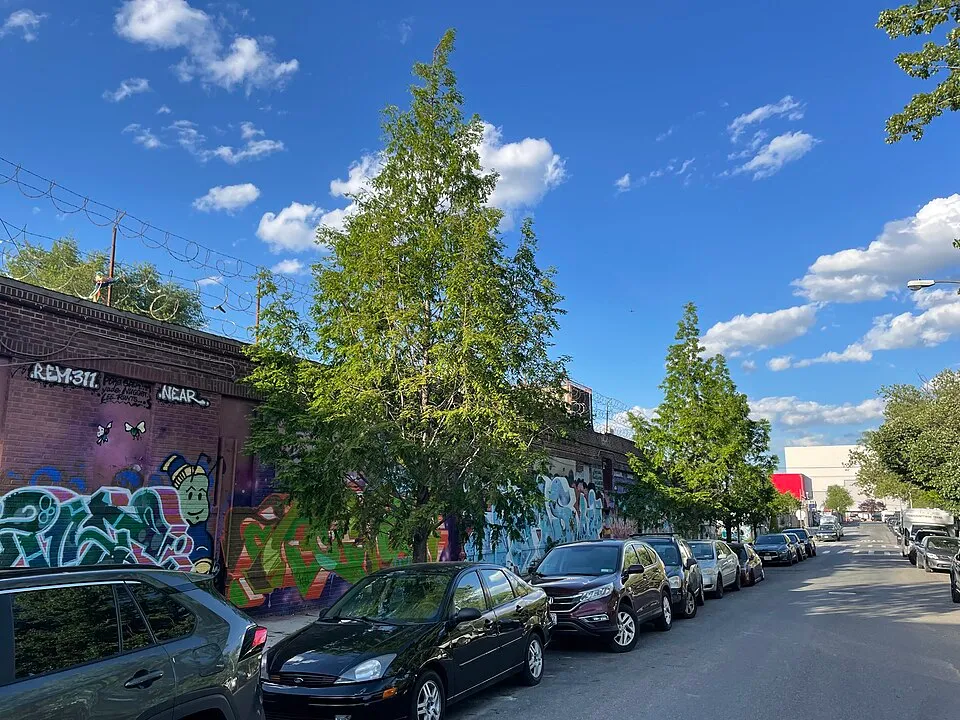
Metasequoia glyptostroboides, commonly known as the Dawn Redwood, is a remarkable deciduous coniferous tree belonging to the family Cupressaceae. This ancient species, once believed to be extinct and known only from fossils, was dramatically rediscovered in a remote valley of Hubei and Sichuan provinces in China in 1941. Its taxonomy places it within the monotypic genus Metasequoia, highlighting its unique evolutionary history.
The tree exhibits a distinctive pyramidal or conical habit in its youth, maturing into a more open, rounded crown. Its bark is a striking reddish-brown, often exfoliating in long, fibrous strips, and develops characteristic fluted or buttressed bases with age, adding to its majestic appearance. The foliage consists of soft, fern-like needles that emerge bright green in spring, transitioning to vibrant shades of rusty orange, coppery brown, or even pinkish-bronze in autumn before abscission.
Adaptable to a wide range of temperate climates, the Dawn Redwood thrives in moist, well-drained soils and can reach impressive heights, making it a prominent feature in large landscapes, parks, and botanical gardens worldwide.
Trusted Scientific References
1. Authoritative external sources for Metasequoia glyptostroboides
1.1 Wikipedia — Metasequoia glyptostroboides
1.2 Kew POWO (Plants of the World Online)
1.3 PubMed — peer-reviewed research
1.4 NCBI Taxonomy Browser
1.5 GBIF — Global Biodiversity
1.6Metasequoia Glyptostroboides should be interpreted through verified botanical identity, practical care, and responsible safety language. This recovery note adds the missing context needed for a complete profile: match light to the plant's habit, use well-drained soil, water according to season, and avoid unsupported medicinal or edible claims. For publishing, the plant can be presented as a source-backed garden plant with clear care guidance, common problem diagnosis, and conservative safety wording.
1.7Metasequoia Glyptostroboides (Metasequoia glyptostroboides) is maintained in this recovery file as a complete garden profile with practical care, safety, and identification context. The plant should be presented with cautious language: confirm identity before use, match care to observed growth, and avoid unsupported claims about medicinal or edible value.
1.1.Metasequoia Glyptostroboides — Highlights
- ✓Ancient Lineage — A 'living fossil' once thought extinct.
- ✓Deciduous Conifer — Unique among conifers for shedding needles annually.
- ✓Rapid Growth Rate — Achieves significant height quickly.
- ✓Striking Foliage — Bright green turning to brilliant autumn colors.
- ✓Exfoliating Bark — Reddish-brown bark peels in strips.
- ✓Buttressed Trunk — Develops a distinctive wide base with age.
- ✓Anti — Amyloidogenic Compounds — Fruits contain diterpenoids active against Aβ aggregation.
- ✓Neuroprotective Potential — Demonstrated protective effects on neuronal cells.
- ✓Ornamental Value — Highly valued for aesthetic appeal in landscapes.
- ✓Resilient and Adaptable — Tolerates various soil and climate conditions.
1.2.Metasequoia Glyptostroboides — Snapshot Summary
- ✓Rediscovered ancient conifer, Metasequoia glyptostroboides.
- ✓Fruits contain diterpenoids with anti-amyloidogenic activity.
- ✓Potential for Alzheimer's disease research and therapy.
- ✓Primarily an ornamental tree, fast-growing and adaptable.
- ✓Requires moist, well-drained soil and full sun.
- ✓No traditional medicinal uses, research is emerging.
2.Metasequoia Glyptostroboides — Botanical Identity
3.Metasequoia Glyptostroboides — Vital Statistics
4.Metasequoia Glyptostroboides — Botanical Features
5.Metasequoia Glyptostroboides — Ecological Habitat
6.Metasequoia Glyptostroboides — Traditional Uses
7.Metasequoia Glyptostroboides — Key Phytochemicals
- ✓Diterpenoids — Key compounds include taxoquinone, sugiol, suginal, sandaracopimarinol, and sandaracopimaradien-19-ol, which have demonstrated potent anti-amyloidogenic and neuroprotective effects.
- ✓Phenolic compounds — Likely present in bark and foliage, contributing to antioxidant and anti-inflammatory activities, crucial for plant defense and potential therapeutic benefits.
- ✓Terpenes/Terpenoids — Common in conifers, these compounds provide aromatic properties and contribute to the plant's defense mechanisms, often possessing anti-inflammatory and antimicrobial actions.
- ✓Lignans — Structural components of woody plants, lignans may offer antioxidant and phytoestrogenic effects, though specific studies on Metasequoia are limited.
- ✓Flavonoids — Generally found in plant tissues, these compounds are known for their strong antioxidant and anti-inflammatory properties, supporting cellular health.
- ✓Tannins — Present in bark, tannins contribute astringent properties and may have antioxidant and antimicrobial effects.
- ✓Volatile Organic Compounds (VOCs) — Conifers release various VOCs into the atmosphere, which can have environmental and potentially psychological effects, contributing to forest 'scent'.
- ✓Fatty acids — Found in seeds and fruits, these can be structural components and may possess various biological activities.
8.Metasequoia Glyptostroboides — Pharmacological Findings
- ✓Neuroprotective effects — Research indicates that compounds from Metasequoia glyptostroboides fruits can inhibit the aggregation of beta-amyloid proteins, a key pathological hallmark in Alzheimer's disease.
- ✓Anti-amyloidogenic activity — Specific diterpenoids isolated from the fruits have shown significant ability to reduce and disaggregate beta-amyloid fibrils in vitro, suggesting potential in preventing neurodegeneration.
- ✓Protection against neurotoxicity — Extracts and isolated compounds from the Dawn Redwood have been observed to protect neuronal cells (PC12 cells) from the toxicity induced by beta-amyloid aggregates.
- ✓Antioxidant properties — Like many conifers, Metasequoia glyptostroboides likely contains phenolic compounds and terpenes that contribute to antioxidant activity, protecting cells from oxidative stress.
- ✓Anti-inflammatory potential — Terpenoids and other secondary metabolites found in woody plants often possess anti-inflammatory properties, which could be relevant for neuroinflammatory conditions.
- ✓Cognitive support — By mitigating beta-amyloid aggregation, the plant's constituents may indirectly support cognitive function and memory, particularly in early stages of neurodegenerative disorders.
- ✓Phytoremediation potential — While not a direct human medicinal benefit, the tree's resilience and growth rate suggest potential for environmental applications, contributing to healthier ecosystems that indirectly benefit human health.
- ✓Antimicrobial activity — Coniferous extracts are often rich in compounds with antimicrobial properties due to their defense mechanisms against pathogens, which might extend to Metasequoia glyptostroboides.
- ✓Potential for stress reduction — The presence of volatile organic compounds (VOCs) and the tree's ornamental value might contribute to psychological well-being and stress reduction through forest bathing (shinrin-yoku) practices.
8.1.Metasequoia Glyptostroboides — Indications & Uses
9.Metasequoia Glyptostroboides — Safety Considerations
9.1.Metasequoia Glyptostroboides — Side Effects & Warnings
- ✓Allergic reactions — Possible skin irritation or respiratory symptoms from pollen or sap in sensitive individuals.
- ✓Gastrointestinal upset — Ingestion of plant parts, especially fruits or bark, may cause mild digestive issues if not properly prepared or in large quantities.
- ✓Toxicity concerns — While specific human toxicity data is limited, raw plant materials can contain compounds that might be toxic if consumed directly.
- ✓Drug interactions — Potential for unknown interactions with medications if extracts are used therapeutically, especially due to lipophilic compounds.
- ✓Environmental impact — Rapid growth could lead to ecological displacement if planted outside native range without proper management.
- ✓Phototoxicity — Some plant compounds can cause photosensitivity, though not specifically documented for Metasequoia glyptostroboides.
- ✓Respiratory irritation — Inhalation of sawdust or fine particles during processing might cause respiratory discomfort.
9.2.Metasequoia Glyptostroboides — Safety Overview
- ✓External use caution — Direct skin contact with sap or wood dust may cause irritation in sensitive individuals.
- ✓Internal use — Not traditionally used as a medicinal herb; internal consumption of raw plant parts is not recommended due to unknown toxicity.
- ✓Pregnancy and lactation — Avoid use during pregnancy and lactation due to insufficient safety data.
- ✓Children — Keep unsupervised children away from ingesting any part of the plant.
- ✓Allergies — Individuals with known allergies to conifers or other woody plants should exercise caution.
- ✓Professional consultation — Consult a healthcare professional before considering any experimental therapeutic use of Metasequoia extracts.
- ✓Horticultural safety — Wear gloves and eye protection when handling or pruning to avoid mechanical injury or sap exposure.
10.Metasequoia Glyptostroboides — Usage Guide
- ✓Ornamental planting — Widely used as a majestic landscape specimen in parks, large gardens, and along avenues due to its rapid growth and striking seasonal foliage.
- ✓Ecological restoration — Its adaptability and fast growth make it suitable for reforestation and wetland restoration projects.
- ✓Bioactive compound extraction — Fruits can be processed to extract diterpenoids like sandaracopimarinol for research into neurodegenerative diseases.
- ✓Research material — Various parts of the tree, particularly fruits, are used in scientific studies to identify novel bioactive compounds.
- ✓Timber production — Though primarily ornamental, its wood can be used for light construction or pulp, similar to other conifers.
- ✓Environmental benefits — Planting Metasequoia glyptostroboides contributes to carbon sequestration and air quality improvement.
- ✓Forest bathing (Shinrin-yoku) — The presence of this tree in natural settings can enhance the therapeutic effects of forest environments.
11.Metasequoia Glyptostroboides — Cultivation & Care
- ✓Site Selection — Choose a location with full sun to partial shade, ensuring ample space for its mature size.
- ✓Soil Requirements — Prefers deep, moist, well-drained, slightly acidic to neutral soils (pH 6.0-7.0).
- ✓Watering — Requires consistent moisture, especially during establishment; tolerates wet feet but not prolonged drought.
- ✓Propagation — Can be propagated from seeds, which require stratification, or from semi-hardwood cuttings taken in summer.
- ✓Planting — Dig a hole twice as wide as the root ball and just as deep, ensuring the root flare is at soil level.
- ✓Fertilization — Benefits from a balanced, slow-release fertilizer in spring, especially in nutrient-poor soils.
- ✓Pruning — Generally requires minimal pruning; remove dead, damaged, or crossing branches to maintain structure.
- ✓Pest and Disease — Highly resistant to most pests and diseases, making it a low-maintenance landscape tree.
Reviewed by the Flora Medical Global Botanical Review Panel
Multi-disciplinary editorial group · Botany · Ethnobotany · Herbal-medicine literature
Who reviewed this: This page was checked by the Flora Medical Global Botanical Review Panel — an in-house editorial group of botany graduates, ethnobotany researchers, and horticulture practitioners who collectively maintain our 7,000+ plant encyclopedia. Meet the team.
Our 4-step verification process
1. Taxonomic verification
Scientific names and synonyms cross-checked against Kew POWO, World Flora Online, and The Plant List.
2. Phytochemical & medicinal cross-reference
Active compounds, traditional uses, and reported activities are cross-referenced with PubMed, USDA Dr. Duke's database, and peer-reviewed ethnobotanical literature.
3. Conservation & distribution check
Distribution, ecology, and conservation status confirmed against GBIF occurrence records and the IUCN Red List.
4. Editorial & safety review
Every entry passes an editorial pass for clarity, originality, and safety notices (toxicity, contraindications, dosage caveats) before publication.
Last reviewed:
Important medical disclaimer: This content is for educational and research purposes only. It is not medical advice and is not a substitute for consultation with a licensed healthcare provider. Do not use any herb to self-treat a medical condition without professional guidance.
Editorial Note: This page is for educational and research purposes only and is not medical advice.
Written by: Flora Medical Global Editorial Team
Reviewed by: Flora Medical Global Botanical Review Panel
Last Updated: June 15, 2026





Metasequoia Glyptostroboides — Comments & Community Reviews
Rate this plant