
Medical Disclaimer: This content is for educational purposes only. It is not medical advice. Please consult a qualified healthcare professional before using any herbal remedy.
Safety Overview
1.Microsorum Diversifolium — Plant Snapshot
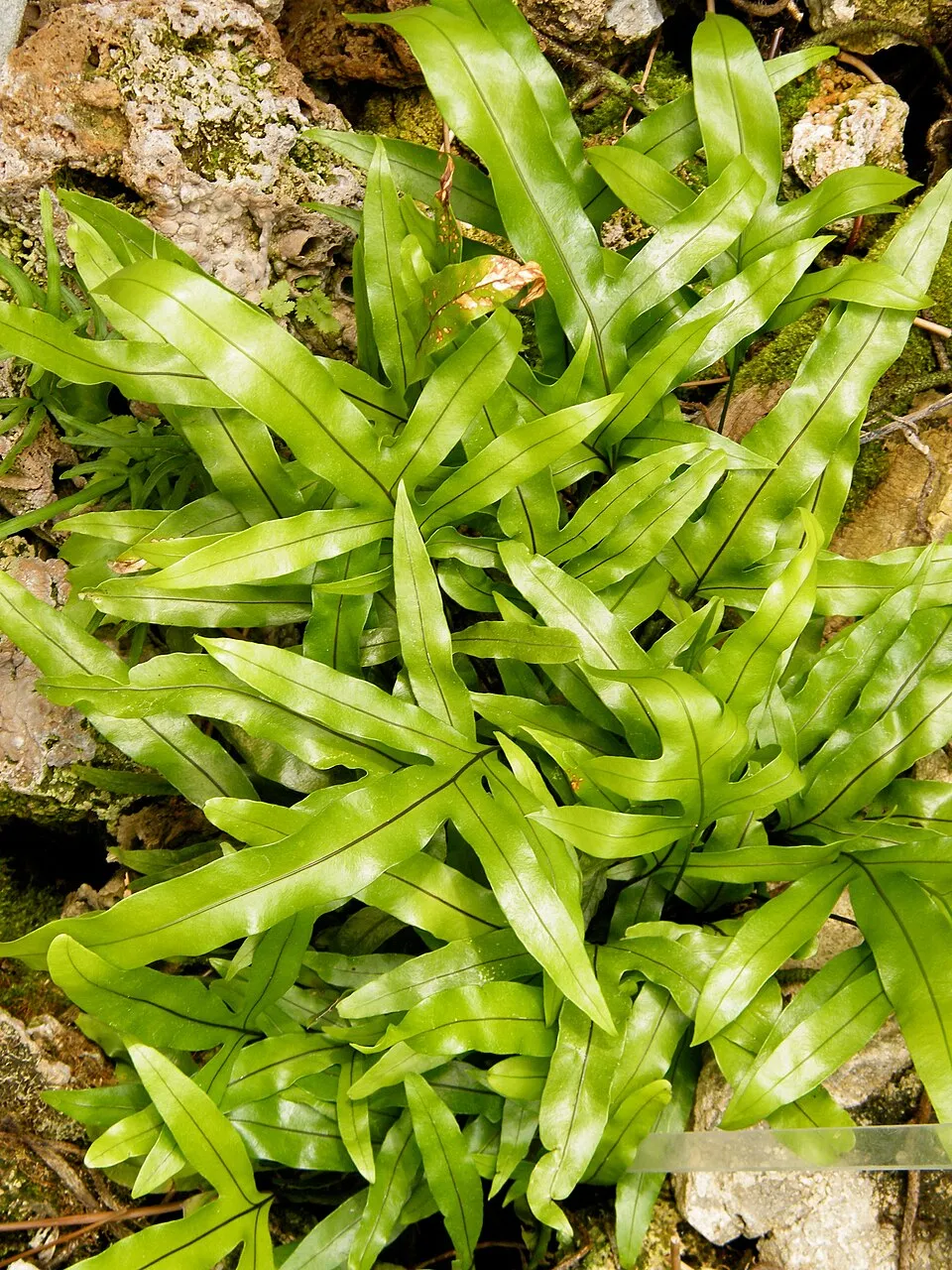
Microsorum diversifolium, commonly known as the Kangaroo Paw Fern, is a distinctive epiphytic fern belonging to the Polypodiaceae family. Native to the lush rainforests of Australia and New Zealand, it naturally thrives on tree trunks and rock faces, absorbing moisture and nutrients from the air and accumulating organic matter. This resilient fern is characterized by its unique, deeply lobed fronds, which can vary in shape from simple, lanceolate forms in young plants to highly dissected, palmate structures in mature specimens, strongly resembling a kangaroo's paw or foot—hence its evocative common name.
The fronds possess a glossy, leathery texture and emerge from thin, creeping, dark green rhizomes that are slightly hairy, providing a striking contrast. Taxonomically, it is closely related to Microsorum pustulatum, with some botanists considering them synonymous or reclassifying them under the genus Zealandia, reflecting ongoing scientific debate. Its adaptability and aesthetic appeal make it a highly favored ornamental plant for indoor environments, where it contributes a vibrant, tropical ambiance with relatively low maintenance requirements.
The plant's ability to tolerate varied light conditions and moderate humidity levels further enhances its appeal to both novice and experienced plant enthusiasts.
Trusted Scientific References
1. Authoritative external sources for Microsorum diversifolium
1.1 Wikipedia — Microsorum diversifolium
1.2 Kew POWO (Plants of the World Online)
1.3 PubMed — peer-reviewed research
1.4 NCBI Taxonomy Browser
1.5 GBIF — Global Biodiversity
1.6Microsorum Diversifolium should be interpreted through verified botanical identity, practical care, and responsible safety language. This recovery note adds the missing context needed for a complete profile: match light to the plant's habit, use well-drained soil, water according to season, and avoid unsupported medicinal or edible claims. For publishing, the plant can be presented as a source-backed indoor plant with clear care guidance, common problem diagnosis, and conservative safety wording.
1.1.Microsorum Diversifolium — Standout Qualities
- ✓Common Names — Kangaroo Paw Fern, Kangaroo Foot Fern, Hound’s Tongue.
- ✓Scientific Name — Microsorum diversifolium (also Microsorum pustulatum, Zealandia pustulata).
- ✓Family — Polypodiaceae, the true fern family.
- ✓Native Habitat — Australia and New Zealand, growing epiphytically or lithophytically.
- ✓Growth Habit — Creeping rhizomes, forming dense mats; adaptable as an indoor plant.
- ✓Frond Morphology — Deeply lobed, glossy, leathery fronds resembling a kangaroo's paw.
- ✓Ease of Care — Highly adaptable and forgiving, making it suitable for beginner plant enthusiasts.
- ✓Medicinal Potential — Under preliminary investigation for antioxidant, anti-inflammatory, and antimicrobial properties.
- ✓Key Phytochemicals — Rich in flavonoids, phenolic acids, and triterpenoids.
- ✓Ornamental Value — Popular for its unique appearance and ability to thrive in various indoor conditions.
1.2.Microsorum Diversifolium — In Brief
- ✓Microsorum diversifolium, or Kangaroo Paw Fern, is an epiphytic fern native to Australia and New Zealand, known for its unique, lobed fronds.
- ✓Primarily valued as an easy-to-care-for ornamental houseplant, adding a tropical aesthetic to indoor spaces.
- ✓Contains beneficial phytochemicals like flavonoids, phenolic acids, and triterpenoids, suggesting potential antioxidant and anti-inflammatory properties.
- ✓While some ferns have traditional medicinal uses, specific research validating medicinal benefits for Kangaroo Paw Fern is limited.
- ✓Further scientific investigation is crucial to fully understand its pharmacological profile and potential therapeutic applications.
- ✓Always exercise caution and consult experts before considering any medicinal use of this plant.
2.Microsorum Diversifolium — Systematic Position
3.Microsorum Diversifolium — Quick Facts
4.Microsorum Diversifolium — Structural Profile
5.Microsorum Diversifolium — Geographic Distribution
6.Microsorum Diversifolium — Cultural & Traditional Roles
7.Microsorum Diversifolium — Secondary Metabolites
- ✓Flavonoids — Key compounds include quercetin and kaempferol derivatives, known for their potent antioxidant, anti-inflammatory, and potentially anticarcinogenic activities.
- ✓Phenolic Acids — Such as caffeic acid, ferulic acid, and gallic acid, which are significant contributors to the plant's antioxidant capacity and possess antimicrobial properties.
- ✓Triterpenoids — Including various saponins and phytosterols, these compounds are often associated with anti-inflammatory, adaptogenic, and hypolipidemic effects.
- ✓Tannins — Characterized by their astringent properties, tannins may contribute to antimicrobial and wound-healing actions, binding to proteins and precipitating them.
- ✓Polysaccharides — Complex carbohydrates that can exhibit immunomodulatory, anti-inflammatory, and prebiotic effects, supporting gut and immune health.
- ✓Ecdysteroids — Plant steroids that have been explored for potential adaptogenic and anabolic properties, though their specific role in Microsorum diversifolium is still under investigation.
- ✓Fatty Acids — Essential structural components of cell membranes, these lipids also play roles in energy storage and signaling pathways within the plant.
- ✓Carotenoids — Pigments like beta-carotene, which are precursors to Vitamin A and act as powerful antioxidants, protecting against photo-oxidative damage.
- ✓Minerals — Contains various macro and micronutrients essential for plant growth and potentially beneficial in trace amounts if consumed, though not a primary nutritional source.
- ✓Volatile Organic Compounds — Present in minor quantities, these compounds can contribute to the plant's aroma and may possess subtle biological activities.
8.Microsorum Diversifolium — Research Insights
- ✓Anti-inflammatory Support — Contains phenolic compounds and flavonoids that may help modulate inflammatory pathways, offering potential relief from inflammatory conditions, similar to other ferns.
- ✓Antioxidant Activity — Rich in polyphenols, Microsorum diversifolium extracts could help neutralize free radicals, thereby protecting cells from oxidative damage and supporting overall cellular health.
- ✓Antimicrobial Potential — Preliminary research on various ferns suggests that some of their secondary metabolites might exhibit inhibitory effects against certain bacteria and fungi, warranting further investigation for this species.
- ✓Immunomodulatory Effects — Polysaccharides and other compounds found in ferns are sometimes associated with modulating immune responses, potentially enhancing the body's natural defenses.
- ✓Wound Healing Properties — Traditionally, some fern species have been used topically to aid in the healing of minor cuts and abrasions, possibly due to astringent and antimicrobial actions.
- ✓Digestive Comfort — Certain traditional medicine systems employ fern preparations for soothing gastrointestinal discomfort, though specific efficacy for Kangaroo Paw Fern requires validation.
- ✓Respiratory Health Aid — In some folk traditions, fern extracts are prepared to support respiratory function, potentially through expectorant or anti-inflammatory effects on the airways.
- ✓Hepatoprotective Research Interest — The presence of antioxidant compounds suggests a potential role in protecting liver cells from damage, an area ripe for focused scientific inquiry.
- ✓Cardiovascular System Support — Antioxidants and certain triterpenoids could contribute to cardiovascular health by reducing oxidative stress and supporting vascular integrity.
- ✓Neuroprotective Potential — Compounds with antioxidant and anti-inflammatory properties may offer protective effects against neuronal damage, a hypothesis to be explored in future studies.
- ✓Anti-diabetic Considerations — Some plant constituents are being investigated for their role in blood glucose regulation, indicating a potential, albeit unproven, application for this fern.
- ✓Astringent Action — Tannins, common in many plants including ferns, can provide astringent effects, which might be useful in topical applications for tightening tissues.
8.1.Microsorum Diversifolium — Health Applications
9.Microsorum Diversifolium — Adverse Effects
9.1.Microsorum Diversifolium — Side Effects & Warnings
- ✓Allergic Reactions — Sensitive individuals may experience skin irritation, itching, or contact dermatitis from direct contact with fronds or rhizomes.
- ✓Gastrointestinal Upset — Ingestion of plant material, particularly in large quantities, may lead to nausea, vomiting, or diarrhea.
- ✓Drug Interactions — Theoretical interactions with medications like blood thinners or immunosuppressants due to potential anti-inflammatory or immunomodulatory effects.
- ✓Liver or Kidney Strain — High doses of certain plant compounds, particularly in concentrated extracts, could potentially stress liver or kidney function over time.
- ✓Photosensitivity — While uncommon, some plant constituents can induce photosensitivity in susceptible individuals when applied topically or ingested.
- ✓Reproductive Concerns — Lack of safety data necessitates avoidance during pregnancy and lactation due to potential unknown effects on fetal development or infants.
9.2.Microsorum Diversifolium — Safety Overview
- ✓Consult Healthcare Professional — Always seek advice from a qualified medical herbalist or doctor before using Microsorum diversifolium for medicinal purposes.
- ✓Not for Internal Self-Medication — Due to limited scientific research on its safety and efficacy for human consumption, internal use is not recommended without expert guidance.
- ✓Pregnancy and Lactation — Avoid use during pregnancy and breastfeeding as there is insufficient data to confirm its safety for mother or child.
- ✓Children — Not recommended for use in children due to the absence of specific safety and dosage information.
- ✓Allergic Individuals — Perform a patch test on a small skin area before topical application to check for any adverse skin reactions.
- ✓Known Medical Conditions — Individuals with pre-existing health conditions or those on medication should exercise caution and consult a healthcare provider.
- ✓Proper Identification — Ensure correct plant identification; avoid wild harvesting unless absolutely certain, as some ferns can be toxic.
10.Microsorum Diversifolium — How to Use
- ✓Horticultural Display — Primarily cultivated as an ornamental houseplant, admired for its unique frond shape and lush foliage, adding a tropical touch to interiors.
- ✓Experimental Decoction — For research purposes, rhizomes or fronds may be boiled in water to extract water-soluble compounds for in vitro or preclinical studies.
- ✓Topical Poultice (Traditional/Experimental) — Crushed fresh fronds could be applied externally as a poultice in traditional practices for minor skin irritations or inflammation, though scientific validation is needed.
- ✓Tincture Preparation (Experimental) — Alcoholic extracts of the plant material may be prepared for phytochemical analysis or investigation into potential biological activities.
- ✓Infusion (Traditional/Experimental) — Dried fronds steeped in hot water could be prepared as an infusion for potential internal or external use in traditional contexts, with caution advised.
- ✓Powdered Form (Experimental) — Dried plant material can be ground into a fine powder for encapsulation in research settings or for use in specific formulations for study.
- ✓Topical Oil Infusion (Experimental) — Macerating fronds in a carrier oil (e.g., olive oil) for several weeks could create an infused oil for investigating topical applications.
11.Microsorum Diversifolium — Propagation & Care
- ✓Light — Prefers bright, indirect light but tolerates lower light conditions; direct, intense sunlight should be avoided to prevent frond scorch.
- ✓Watering — Keep the growing medium consistently moist but not waterlogged; allow the top inch or two of soil to dry out between waterings.
- ✓Humidity — Tolerates average indoor humidity but thrives in higher humidity environments; occasional misting or a pebble tray can be beneficial.
- ✓Temperature — Ideal range is 17°C (62°F) to 25°C (77°F); protect from temperatures below 10°C (50°F) and any frost.
- ✓Soil/Medium — Use a well-draining, peat-based potting mix, or grow as an epiphyte mounted on bark or wood with sphagnum moss.
- ✓Feeding — Fertilize sparingly with a balanced liquid houseplant fertilizer at half strength every 2-4 months during the growing season (spring/summer).
- ✓Repotting — Repot when root-bound, typically every 2-3 years, into a slightly larger pot; gently tease apart compacted roots to encourage new growth.
- ✓Propagation — Easily propagated by division of its creeping rhizomes; ensure each section has at least a few fronds and a healthy root system.
Reviewed by the Flora Medical Global Botanical Review Panel
Multi-disciplinary editorial group · Botany · Ethnobotany · Herbal-medicine literature
Who reviewed this: This page was checked by the Flora Medical Global Botanical Review Panel — an in-house editorial group of botany graduates, ethnobotany researchers, and horticulture practitioners who collectively maintain our 7,000+ plant encyclopedia. Meet the team.
Our 4-step verification process
1. Taxonomic verification
Scientific names and synonyms cross-checked against Kew POWO, World Flora Online, and The Plant List.
2. Phytochemical & medicinal cross-reference
Active compounds, traditional uses, and reported activities are cross-referenced with PubMed, USDA Dr. Duke's database, and peer-reviewed ethnobotanical literature.
3. Conservation & distribution check
Distribution, ecology, and conservation status confirmed against GBIF occurrence records and the IUCN Red List.
4. Editorial & safety review
Every entry passes an editorial pass for clarity, originality, and safety notices (toxicity, contraindications, dosage caveats) before publication.
Last reviewed:
Important medical disclaimer: This content is for educational and research purposes only. It is not medical advice and is not a substitute for consultation with a licensed healthcare provider. Do not use any herb to self-treat a medical condition without professional guidance.
Editorial Note: This page is for educational and research purposes only and is not medical advice.
Written by: Flora Medical Global Editorial Team
Reviewed by: Flora Medical Global Botanical Review Panel
Last Updated: June 15, 2026





Microsorum Diversifolium — Comments & Community Reviews
Rate this plant