
Medical Disclaimer: This content is for educational purposes only. It is not medical advice. Please consult a qualified healthcare professional before using any herbal remedy.
Safety Overview
1.Ming Aralia Bonsai — Overview
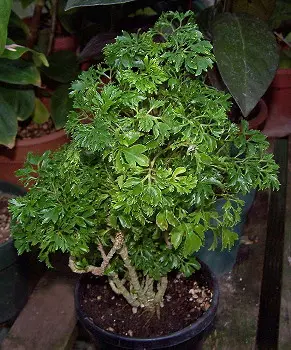
The Ming Aralia Bonsai, scientifically known as Polyscias fruticosa bonsai, is a distinguished member of the Araliaceae family, celebrated for its intricate, fern-like foliage and elegant growth habit. Native to the tropical and subtropical regions of the Indo-Pacific, particularly India and Polynesia, this species flourishes in warm, humid environments, often found as an understory shrub or small tree in its natural habitat. As a bonsai, its cultivation accentuates its naturally bushy, upright form, typically maintained at heights ranging from 1 to 3 feet, meticulously crafted into a miniature tree. The plant's morphology is highly distinctive; its leaves are its most striking attribute, presenting as dark green, glossy, and intricately compound.
Each leaf can measure 3 to 6 inches in length and is deeply dissected into numerous pointed lobes, often described as tripinnately compound, creating a delicate, almost feathery appearance. The crisp texture of these leaves significantly contributes to its visual allure, even in the absence of flowers. While Polyscias fruticosa is capable of producing small, inconspicuous white to yellowish-green flowers in terminal panicles, these are rarely observed in indoor cultivated specimens, as the plant is primarily valued for its ornamental foliage. The bark typically exhibits a smooth, grayish-brown exterior in younger plants, gradually developing a slightly textured or fissured character with age, which enhances its aesthetic charm as a bonsai specimen.
Its fibrous and relatively shallow root system adapts well to the confined spaces of bonsai pots, making it a suitable choice for this art form. Taxonomically, Polyscias fruticosa belongs to a genus encompassing a diverse group of evergreen trees and shrubs. Historically, beyond its profound ornamental appeal, various parts of Polyscias fruticosa have been noted in traditional medicine systems across its native range, hinting at a cultural significance extending beyond mere aesthetics and its adaptability and relatively low maintenance requirements have contributed to its global popularity.
Trusted Scientific References
1. Authoritative external sources for Polyscias fruticosa bonsai
1.1 Wikipedia — Polyscias fruticosa bonsai
1.2 Kew POWO (Plants of the World Online)
1.3 PubMed — peer-reviewed research
1.4 NCBI Taxonomy Browser
1.5 GBIF — Global Biodiversity
1.1.Ming Aralia Bonsai — Key Features
- ✓Distinctive Fern — like Foliage — Deeply dissected, glossy, dark green leaves creating an intricate, delicate appearance.
- ✓Elegant Bonsai Specimen — Highly prized for its suitability for bonsai cultivation, forming miniature tree shapes.
- ✓Tropical Origin — Thrives in warm, humid environments, ideal for indoor cultivation.
- ✓Evergreen Shrub — Maintains its lush foliage year-round, providing continuous aesthetic appeal.
- ✓Adaptable Growth Habit — Naturally bushy and upright, allowing for various styling in bonsai.
- ✓Traditional Medicinal Uses — Historically utilized in folk medicine for various ailments in its native regions.
- ✓Relatively Low Maintenance — Requires consistent care but is manageable for dedicated plant enthusiasts.
- ✓Fibrous Root System — Adapts well to confined spaces, making it suitable for bonsai pots.
- ✓Air Purifying Qualities — Contributes to improved indoor air quality as a houseplant.
- ✓Unique Bark Texture — Develops a slightly fissured, grayish-brown bark with age, enhancing its visual charm.
1.2.Ming Aralia Bonsai — Quick Summary
- ✓Polyscias fruticosa bonsai is an ornamental evergreen shrub from the Araliaceae family.
- ✓Valued for its unique, fern-like, deeply dissected foliage and elegant bonsai form.
- ✓Native to tropical Indo-Pacific regions, it thrives in warm, humid, indirect light conditions.
- ✓Traditionally noted for medicinal uses like anti-inflammatory and digestive support.
- ✓Contains saponins, flavonoids, and phenolic acids, contributing to its potential benefits.
- ✓Toxic to pets (dogs and cats) and can cause mild skin irritation in humans.
2.Ming Aralia Bonsai — Taxonomic Classification
3.Ming Aralia Bonsai — Reference Facts
4.Ming Aralia Bonsai — Plant Morphology
5.Ming Aralia Bonsai — Geographic Distribution
6.Ming Aralia Bonsai — Historical Applications
7.Ming Aralia Bonsai — Active Compounds
- ✓Saponins — Polysciosides and other triterpenoid saponins are abundant, known for their anti-inflammatory, adaptogenic, and potential immune-modulating actions.
- ✓Triterpenes — Compounds like oleanolic acid and asiatic acid derivatives contribute to the plant's traditional use in wound healing and anti-inflammatory remedies.
- ✓Flavonoids — Quercetin, kaempferol, and their glycosides are present, offering significant antioxidant and free-radical scavenging properties.
- ✓Phenolic Acids — Caffeic acid, ferulic acid, and chlorogenic acid derivatives contribute to the plant's overall antioxidant capacity and potential anti-inflammatory effects.
- ✓Polysaccharides — Complex carbohydrates that may contribute to immunomodulatory activities and overall plant health benefits.
- ✓Essential Oils — Trace amounts of volatile compounds contribute to the plant's characteristic aroma and may possess mild antimicrobial properties.
- ✓Sterols — Phytosterols such as beta-sitosterol are found, which are known for their anti-inflammatory and cholesterol-lowering potential.
- ✓Alkaloids — While less prominent, certain alkaloidal compounds might be present, contributing to diverse pharmacological activities.
- ✓Tannins — Astringent compounds that can contribute to wound healing and anti-inflammatory effects, particularly in topical applications.
8.Ming Aralia Bonsai — Research Insights
- ✓Anti-inflammatory Properties — Traditionally, extracts from Polyscias fruticosa have been used to alleviate inflammation, potentially due to the presence of triterpenoids and saponins that modulate inflammatory pathways.
- ✓Antioxidant Activity — Rich in flavonoids and phenolic compounds, the plant exhibits antioxidant effects, helping to neutralize free radicals and protect cells from oxidative stress.
- ✓Digestive Aid — In some traditional practices, preparations from the leaves or roots were consumed to support digestive health and alleviate minor gastrointestinal discomfort.
- ✓Wound Healing Support — Topically, poultices made from crushed leaves have been applied to minor cuts and abrasions, believed to accelerate healing and prevent infection.
- ✓Diuretic Effects — Certain traditional remedies suggest Polyscias fruticosa may possess mild diuretic properties, aiding in fluid balance and kidney support.
- ✓Antipyretic Action — Historically, infusions were sometimes used to help reduce fever, indicating a traditional understanding of its potential antipyretic qualities.
- ✓Anti-diabetic Potential — Preliminary research on related Araliaceae species suggests potential for blood sugar regulation, though specific studies on P. fruticosa are limited.
- ✓Antimicrobial Properties — Extracts have shown some in vitro activity against certain bacteria and fungi, supporting its traditional use in preventing infections.
- ✓Stress Reduction (Indirect) — As an ornamental bonsai, its cultivation and presence contribute to a calming environment, indirectly aiding in mental well-being and stress reduction.
- ✓Air Purification (Indoor) — Like many houseplants, it contributes to improved indoor air quality by absorbing certain volatile organic compounds, promoting a healthier living space.
8.1.Ming Aralia Bonsai — Health Applications
9.Ming Aralia Bonsai — Adverse Effects
9.1.Ming Aralia Bonsai — Reported Side Effects
- ✓Pet Toxicity — Ming Aralia is toxic to dogs and cats, causing oral irritation, vomiting, and difficulty swallowing if ingested.
- ✓Skin Irritation — Direct contact with plant sap can cause mild skin irritation or allergic reactions in sensitive individuals.
- ✓Gastrointestinal Upset — Ingesting large quantities, particularly by humans, may lead to gastrointestinal discomfort, nausea, or vomiting.
- ✓Allergic Reactions — Individuals sensitive to plants in the Araliaceae family may experience allergic symptoms like dermatitis or respiratory issues.
- ✓Drug Interactions (Potential) — If used internally, active compounds might theoretically interact with medications, particularly those affecting blood clotting or blood sugar.
- ✓Pregnancy and Lactation — Lack of sufficient safety data advises against internal use during pregnancy and breastfeeding.
- ✓Children — Due to potential toxicity, keep out of reach of young children to prevent accidental ingestion.
9.2.Ming Aralia Bonsai — Clinical Safety Notes
- ✓Keep Away from Pets — Highly toxic to dogs and cats; ensure the plant is inaccessible to household animals to prevent ingestion and adverse reactions.
- ✓Avoid Ingestion — Not recommended for internal consumption by humans without expert guidance due to potential gastrointestinal irritation and lack of comprehensive safety data.
- ✓Skin Contact Precaution — Wear gloves when handling if you have sensitive skin, as sap can cause mild irritation or allergic dermatitis.
- ✓Pregnancy and Breastfeeding — Exercise extreme caution; internal use is contraindicated due to insufficient research on safety during these periods.
- ✓Children Safety — Ensure the plant is placed where young children cannot reach it, minimizing the risk of accidental exposure or ingestion.
- ✓Allergic Sensitivity — Individuals with known allergies to plants in the Araliaceae family should handle with care or avoid contact.
- ✓Consult a Professional — Always seek advice from a qualified medical herbalist or healthcare provider before using any part of the plant for medicinal purposes.
10.Ming Aralia Bonsai — Preparation & Dosage
- ✓Ornamental Display — Primarily cultivated as an exquisite indoor bonsai or houseplant, valued for its aesthetic beauty and unique foliage.
- ✓Traditional Decoction — In traditional medicine, dried leaves or roots might be boiled in water to create a decoction for internal consumption, targeting digestive or anti-inflammatory benefits.
- ✓Herbal Infusion — Fresh or dried leaves can be steeped in hot water to prepare an infusion, traditionally used for fevers or as a general tonic.
- ✓Topical Poultice — Crushed fresh leaves or powdered dried plant material may be applied directly to the skin as a poultice for minor wounds, cuts, or skin irritations.
- ✓Air Purification — Positioned indoors, the plant contributes to improved air quality by naturally filtering certain airborne toxins.
- ✓Aesthetic and Wellness Aid — Its presence as a living art form in indoor spaces promotes a sense of calm and connection to nature, supporting mental well-being.
- ✓Herbal Bath Additive — Infusions or decoctions could be added to bathwater in traditional practices for skin ailments or relaxation.
- ✓Culinary (Limited Traditional Use) — In some cultures, very young leaves or shoots might be sparingly used in certain traditional dishes, though this is not widespread.
11.Ming Aralia Bonsai — Growing Guide
- ✓Placement — Requires temperatures above 17°C (62°F) and prefers light to partial shade, avoiding strong midday sun to prevent leaf scorching.
- ✓Watering — Keep soil consistently moist but never waterlogged; water when the topsoil begins to dry, reducing frequency in cooler months.
- ✓Humidity — Thrives in high humidity; mist foliage regularly or place the pot on a pebble tray filled with water to increase ambient moisture.
- ✓Fertilizing — Apply a balanced liquid fertilizer every two weeks during the growing season (spring to fall), suspending feeding in winter.
- ✓Pruning — Prune regularly to maintain desired bonsai shape and shorten shoot tips; note that Polyscias does not easily sprout from old wood.
- ✓Repotting — Repot every two years for younger bonsai, or every 3-5 years for older specimens, in early spring or autumn, using a well-draining soil mix.
- ✓Propagation — Easily propagated by stem cuttings, which root best in warm conditions (20-30°C / 68-86°F), or through air-layering.
- ✓Soil Requirements — Prefers a rich, well-draining soil mixture with a pH between 6.0 and 7.5; sensitive to overly calcareous water.
Reviewed by the Flora Medical Global Botanical Review Panel
Multi-disciplinary editorial group · Botany · Ethnobotany · Herbal-medicine literature
Who reviewed this: This page was checked by the Flora Medical Global Botanical Review Panel — an in-house editorial group of botany graduates, ethnobotany researchers, and horticulture practitioners who collectively maintain our 7,000+ plant encyclopedia. Meet the team.
Our 4-step verification process
1. Taxonomic verification
Scientific names and synonyms cross-checked against Kew POWO, World Flora Online, and The Plant List.
2. Phytochemical & medicinal cross-reference
Active compounds, traditional uses, and reported activities are cross-referenced with PubMed, USDA Dr. Duke's database, and peer-reviewed ethnobotanical literature.
3. Conservation & distribution check
Distribution, ecology, and conservation status confirmed against GBIF occurrence records and the IUCN Red List.
4. Editorial & safety review
Every entry passes an editorial pass for clarity, originality, and safety notices (toxicity, contraindications, dosage caveats) before publication.
Last reviewed:
Important medical disclaimer: This content is for educational and research purposes only. It is not medical advice and is not a substitute for consultation with a licensed healthcare provider. Do not use any herb to self-treat a medical condition without professional guidance.
Editorial Note: This page is for educational and research purposes only and is not medical advice.
Written by: Flora Medical Global Editorial Team
Reviewed by: Flora Medical Global Botanical Review Panel
Last Updated: June 15, 2026





Ming Aralia Bonsai — Comments & Community Reviews
Rate this plant