
Medical Disclaimer: This content is for educational purposes only. It is not medical advice. Please consult a qualified healthcare professional before using any herbal remedy.
Safety Overview
1.Kratom Leaf — Plant Snapshot
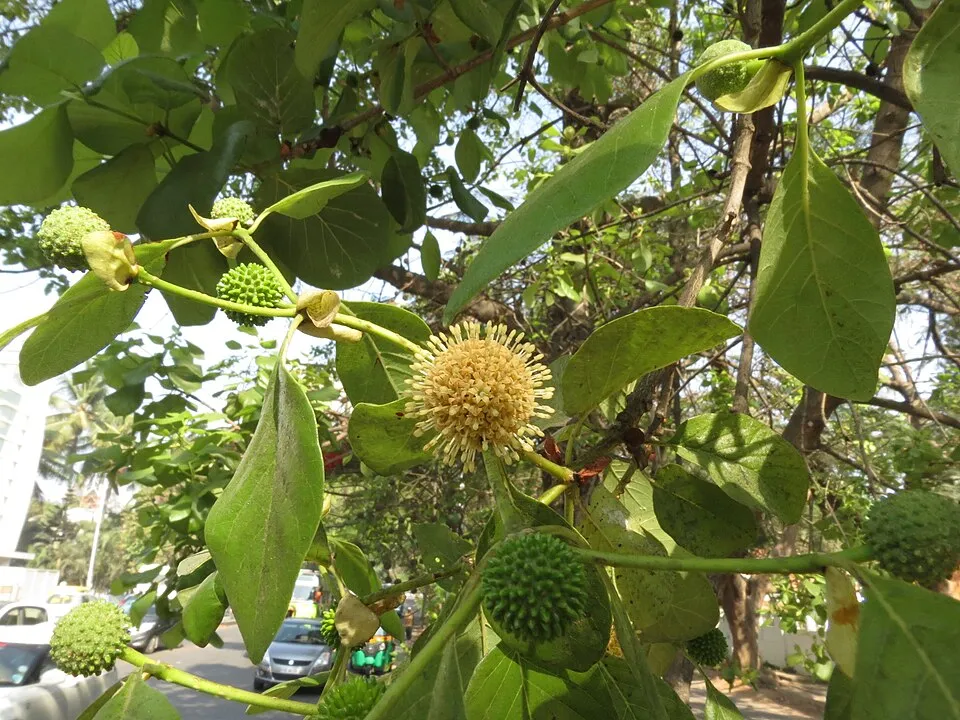
Mitragyna speciosa (Korth.) Havil., commonly known as Kratom Leaf, is a majestic tropical evergreen tree native to the humid rainforests of Southeast Asia, specifically thriving across Thailand, Malaysia, Indonesia, and Myanmar. This impressive species can attain significant heights, often reaching up to 30 meters (approximately 98 feet), characterized by a straight, robust trunk encased in smooth, greyish-brown bark that may exhibit subtle horizontal lenticels. The foliage of Mitragyna speciosa is particularly notable: its leaves are substantially large, typically measuring between 10 to 20 centimeters in length and 5 to 10 centimeters in width.
They possess an elongated elliptical shape, a glossy dark green upper surface, and a lighter green underside, with prominent venation contributing to their distinct appearance. The plant flowers in dense, spherical clusters, producing small, white to yellowish blooms, each about 5 to 10 millimeters across, which add a delicate aesthetic to the tree. Following flowering, it produces a small, round capsule fruit containing numerous seeds, essential for its natural propagation.
Mitragyna speciosa flourishes in well-drained, fertile soils under humid, tropical climatic conditions, often found as an understory component within its native rainforest ecosystems. It is a distinguished member of the Rubiaceae family, a diverse botanical group renowned for its many medicinally significant plants. Historically, local communities have long recognized and utilized this species, referring to it by various regional names such as thang, kakuam, thom, ketum, and biak.
Trusted Scientific References
1. Authoritative external sources for Mitragyna parvifolia
1.1 Wikipedia — Mitragyna parvifolia
1.2 Kew POWO (Plants of the World Online)
1.3 PubMed — peer-reviewed research
1.4 NCBI Taxonomy Browser
1.5 GBIF — Global Biodiversity
1.6Kratom Leaf should be interpreted through verified botanical identity, practical care, and responsible safety language. This recovery note adds the missing context needed for a complete profile: match light to the plant's habit, use well-drained soil, water according to season, and avoid unsupported medicinal or edible claims. For publishing, the plant can be presented as a source-backed medicinal plant with clear care guidance, common problem diagnosis, and conservative safety wording.
1.1.Kratom Leaf — Standout Qualities
- ✓Tropical evergreen tree — Tropical evergreen tree belonging to the Rubiaceae family.
- ✓Indigenous to Southeast — Indigenous to Southeast Asia, particularly Thailand, Malaysia, and Indonesia.
- ✓Leaves are rich — Leaves are rich in over 40 distinct alkaloids, with mitragynine and 7-hydroxymitragynine being the most active.
- ✓Exhibits a unique dose — dependent biphasic effect, acting as a stimulant at low doses and a sedative at high doses.
- ✓Possesses traditional ethnobotanical — Possesses traditional ethnobotanical uses for pain management, fever reduction, mood enhancement, and energy.
- ✓Its primary active — Its primary active compounds exert their effects through partial agonism at mu-opioid receptors.
- ✓Available in various — Available in various forms for consumption, including raw leaves, powdered form, capsules, teas, and concentrated extracts.
- ✓Has garnered attention — Has garnered attention for its potential role in mitigating symptoms associated with opioid withdrawal.
- ✓Use is associated — Use is associated with risks of dependence, a range of side effects, and potential drug-drug interactions.
- ✓Faces varied legal — Faces varied legal and regulatory landscapes globally, often remaining unregulated or subject to specific restrictions.
1.2.Kratom Leaf — At-a-Glance Summary
- ✓Kratom (Mitragyna speciosa) is a tropical tree native to Southeast Asia, renowned for its diverse stimulant and sedative properties.
- ✓Its primary psychoactive compounds are indole alkaloids, notably mitragynine and 7-hydroxymitragynine, which interact with opioid receptors.
- ✓Traditionally employed for pain relief, fever reduction, energy boosting, mood enhancement, and as a substitute for opium.
- ✓Effects are highly dose-dependent — lower doses typically provide stimulating effects, while higher doses induce sedation.
- ✓Regular use carries risks of physiological and psychological dependence, withdrawal symptoms, and side effects such as nausea, constipation, and potential hepatotoxicity.
- ✓Kratom's legal and regulatory status is complex and varies by region; it is not approved for medical use by the FDA and is a DEA 'Drug and Chemical of Concern'.
2.Kratom Leaf — Taxonomic Classification
3.Kratom Leaf — Botanical Stats
4.Kratom Leaf — Structural Profile
5.Kratom Leaf — Habitat & Distribution
6.Kratom Leaf — Historical Applications
7.Kratom Leaf — Bioactive Constituents
- ✓Indole Alkaloids — Mitragynine (C23H30N2O4) is the predominant psychoactive alkaloid, acting as a partial agonist at mu-opioid receptors and is largely responsible for the plant's analgesic and stimulating effects.
- ✓Oxindole Alkaloids — 7-hydroxymitragynine, a potent minor alkaloid and a metabolite of mitragynine, exhibits significantly higher affinity and efficacy at opioid receptors, contributing substantially to Kratom's pain-relieving properties.
- ✓Other Indole Alkaloids — Speciogynine, paynantheine, and speciociliatine are present, each possessing distinct pharmacological profiles, including muscle relaxant and mild opioid activities.
- ✓Minor Alkaloids — Over 40 structurally related alkaloids have been identified, such as speciofoline, which, unlike mitragynine, does not demonstrate measurable binding affinity at mu-, delta-, or kappa-opioid receptors.
- ✓Flavonoids — These compounds contribute to the plant's antioxidant and anti-inflammatory properties, supporting cellular health and modulating immune responses.
- ✓Terpenoids — Various terpenoids are present, potentially playing a role in the plant's characteristic aroma and contributing to its diverse range of pharmacological actions.
- ✓Polyphenols — Acting as potent antioxidants, polyphenols help to protect the body's cells from damage caused by oxidative stress and free radicals.
- ✓Saponins — These naturally occurring glycosides may influence the absorption and bioavailability of other active compounds due to their surfactant properties.
- ✓Glycosides — A variety of glycosides are found within the plant, collectively contributing to the overall medicinal effects and physiological interactions of Kratom.
8.Kratom Leaf — Modern Studies
- ✓Analgesic Properties — Mitragynine and 7-hydroxymitragynine act as partial agonists at mu-opioid receptors, offering significant pain relief without fully recruiting beta-arrestin, a mechanism potentially leading to fewer side effects than traditional opioids.
- ✓Antipyretic Effects — Traditionally utilized in Ayurvedic and local Southeast Asian medicine to reduce fever, likely through its influence on inflammatory pathways and systemic responses.
- ✓Mood Enhancement — At lower doses, users often report increased alertness, enhanced physical energy, and improved talkativeness, contributing to an uplifted mood and greater focus.
- ✓Sedative Effects — Conversely, higher doses of Kratom induce pronounced relaxation and sedation, making it traditionally valuable for calming the mind and aiding sleep.
- ✓Anti-inflammatory Potential — Certain alkaloids within Mitragyna speciosa may possess inherent anti-inflammatory properties, thereby augmenting its pain-relieving capabilities.
- ✓Antidepressant-like Effects — Many individuals report a noticeable reduction in symptoms associated with depression and anxiety, though the precise pharmacological mechanisms are still under active investigation.
- ✓Energy Booster — In small quantities, Kratom functions as a stimulant, effectively enhancing physical endurance and mitigating feelings of fatigue.
- ✓Opioid Withdrawal Management — With a long history as an opium substitute, Kratom is currently explored for its potential to alleviate the severe symptoms of opioid addiction and withdrawal.
- ✓Antidiarrheal Action — Traditional practices include employing Kratom to manage diarrhea, an effect attributed to its opioid-like influence on gastrointestinal motility.
- ✓Appetite Modulation — Some users experience a loss of appetite, an effect that could be historically utilized in certain traditional contexts for dietary management.
- ✓Anticough Properties — Traditional medicine sometimes employs Kratom for symptomatic cough relief, potentially due to its sedative and antitussive actions on the respiratory system.
8.1.Kratom Leaf — Indications & Uses
9.Kratom Leaf — Precautions & Warnings
9.1.Kratom Leaf — Side Effects & Warnings
- ✓Nausea and Vomiting — Frequently reported, particularly with higher doses or on an empty stomach, often accompanied by general stomach discomfort.
- ✓Constipation — Due to its opioid-like effects on gut motility, slowing down bowel movements and leading to difficulty with defecation.
- ✓Dry Mouth and Sweating — Users commonly experience xerostomia (dry mouth) and increased perspiration.
- ✓Drowsiness and Dizziness — Especially at elevated doses, this can lead to impaired coordination, reduced alertness, and a general feeling of lethargy.
- ✓Addiction and Dependence — Regular and prolonged use can lead to psychological and physiological dependence, with withdrawal symptoms upon cessation.
- ✓Psychotic Symptoms — In rare cases, high doses or chronic use has been associated with psychotic episodes, including hallucinations, delusions, and severe confusion.
- ✓Hepatotoxicity — Though uncommon, several cases of acute liver injury and hepatotoxicity have been linked to Kratom use, particularly with chronic intake.
9.2.Kratom Leaf — Safety Overview
- ✓Legal Status — Kratom is not federally controlled in the U.S., but its legal status varies significantly by state and local jurisdiction; the FDA has not approved it for any medical use and lists it as a concern.
- ✓Pregnancy and Lactation — Contraindicated during pregnancy and breastfeeding due to a critical lack of safety data and potential for adverse effects on fetal development or infant health.
- ✓Drug Interactions — Mitragynine and other alkaloids can inhibit cytochrome P450 enzymes (e.g., CYP3A4, CYP2D6), posing a significant risk for dangerous interactions with many prescription medications.
- ✓Pre-existing Conditions — Individuals with liver disease, seizure disorders, cardiovascular issues, or psychiatric conditions should avoid Kratom as it may exacerbate these conditions.
- ✓Driving and Operating Machinery — Impairment of cognitive and motor functions, including drowsiness and dizziness, makes driving or operating heavy machinery unsafe while under the influence of Kratom.
- ✓Dosage and Duration — The risk of developing dependence, experiencing severe side effects, and potential toxicity increases substantially with higher doses and prolonged, chronic use.
- ✓Quality and Purity — The unregulated market means Kratom products may be adulterated with other substances, contain inconsistent alkaloid levels, or be contaminated, posing unpredictable health risks.
10.Kratom Leaf — Preparation & Dosage
- ✓Chewing Raw Leaves — Traditionally, fresh Kratom leaves are directly chewed by laborers in Southeast Asia, allowing for a slow and sustained release of active compounds.
- ✓Brewing as Tea — Dried and crushed or powdered leaves are commonly steeped in hot water to create an herbal tea, a popular method for consumption both traditionally and in modern use.
- ✓Encapsulated Powder — Finely ground, dried Kratom leaf is frequently encapsulated into gel capsules, offering a convenient, discreet, and taste-neutral method of oral ingestion.
- ✓Tinctures and Extracts — Concentrated liquid forms are produced by extracting the active compounds using alcohol or other solvents, providing a potent and easily dosed preparation.
- ✓Smoking or Vaping — While less common and potentially harsh on the respiratory system, dried Kratom leaves can be smoked or vaporized, leading to a rapid onset of effects.
- ✓Topical Applications — Some traditional practices involve crushing fresh leaves and applying them as poultices directly to the skin for localized pain relief or wound care, though scientific evidence is limited.
- ✓Resins and Concentrates — Highly concentrated products are made by boiling down large quantities of leaves into a thick resin, which can then be consumed directly or dissolved in liquids.
- ✓Blending into Food/Drink — Powdered Kratom can be mixed into smoothies, yogurt, juices, or other food items to mask its naturally bitter flavor, though accurate dosing can be challenging.
11.Kratom Leaf — Growth Requirements
- ✓Climate Preference — Mitragyna speciosa thrives in hot, consistently humid tropical climates, requiring high rainfall and temperatures typically between 24-32°C.
- ✓Soil Requirements — Prefers well-drained, fertile, loamy soils rich in organic matter, with an optimal pH range slightly acidic to neutral (5.5-6.5).
- ✓Propagation — Can be propagated from seeds, though germination rates are often low and slow; propagation from stem cuttings is more reliable for consistent plant characteristics.
- ✓Light Exposure — Young plants necessitate partial shade to establish, while mature trees can tolerate full sun exposure, although some shade can enhance leaf quality.
- ✓Water Management — Requires consistent and ample moisture, necessitating regular watering, but is highly susceptible to root rot in waterlogged or poorly draining conditions.
- ✓Nutrient Needs — Benefits significantly from regular application of balanced organic or inorganic fertilizers to support vigorous growth and optimize alkaloid production.
- ✓Pest and Disease Control — Generally hardy, but can be affected by common tropical pests like scale insects and mealybugs, and fungal issues in overly damp or poorly ventilated environments.
- ✓Harvesting — Leaves are typically harvested from mature trees, usually by hand, focusing on fully expanded leaves which tend to have optimal alkaloid concentrations.
Reviewed by the Flora Medical Global Botanical Review Panel
Multi-disciplinary editorial group · Botany · Ethnobotany · Herbal-medicine literature
Who reviewed this: This page was checked by the Flora Medical Global Botanical Review Panel — an in-house editorial group of botany graduates, ethnobotany researchers, and horticulture practitioners who collectively maintain our 7,000+ plant encyclopedia. Meet the team.
Our 4-step verification process
1. Taxonomic verification
Scientific names and synonyms cross-checked against Kew POWO, World Flora Online, and The Plant List.
2. Phytochemical & medicinal cross-reference
Active compounds, traditional uses, and reported activities are cross-referenced with PubMed, USDA Dr. Duke's database, and peer-reviewed ethnobotanical literature.
3. Conservation & distribution check
Distribution, ecology, and conservation status confirmed against GBIF occurrence records and the IUCN Red List.
4. Editorial & safety review
Every entry passes an editorial pass for clarity, originality, and safety notices (toxicity, contraindications, dosage caveats) before publication.
Last reviewed:
Important medical disclaimer: This content is for educational and research purposes only. It is not medical advice and is not a substitute for consultation with a licensed healthcare provider. Do not use any herb to self-treat a medical condition without professional guidance.
Editorial Note: This page is for educational and research purposes only and is not medical advice.
Written by: Flora Medical Global Editorial Team
Reviewed by: Flora Medical Global Botanical Review Panel
Last Updated: June 15, 2026





Kratom Leaf — Comments & Community Reviews
Rate this plant