

Medical Disclaimer: This content is for educational purposes only. It is not medical advice. Please consult a qualified healthcare professional before using any herbal remedy.
Safety Overview
1.Money Tree Braided — Botanical Snapshot
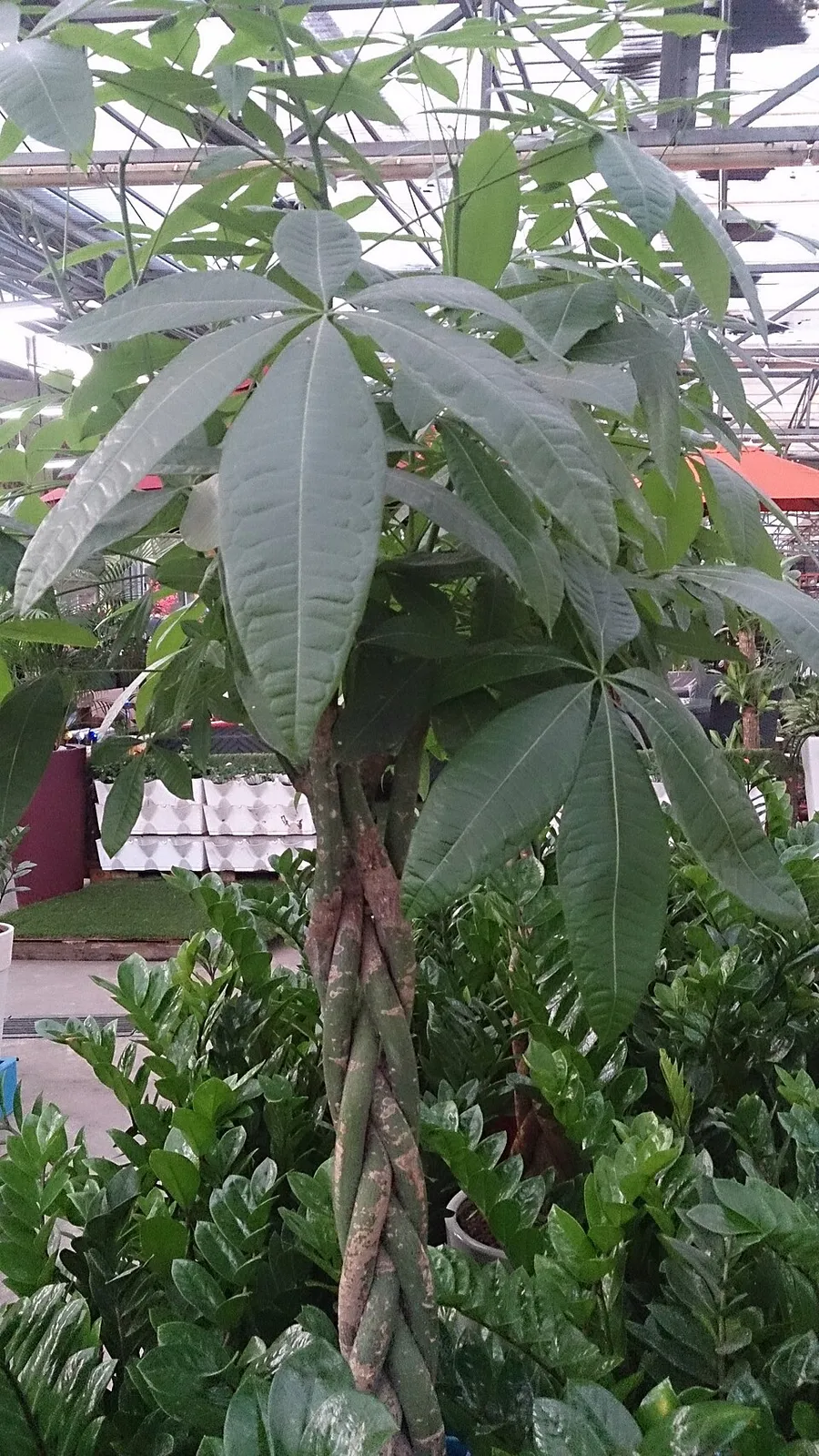
The Money Tree Braided, scientifically known as Pachira aquatica (braided var), is a captivating tropical plant celebrated for its distinctive braided trunk and luxuriant, palmate foliage. This species, a member of the Malvaceae family, is native to the swampy regions, riverbanks, and bogs of Central and South America, where it thrives in humid environments. In its natural habitat, Pachira aquatica can grow into a substantial tree reaching up to 75 feet, producing fragrant yellow or white flowers that are bat-pollinated, followed by large, woody seed pods.
However, when cultivated indoors, it typically remains between 2 to 4 feet tall, occasionally reaching 6-8 feet under optimal conditions, and rarely flowers. Its leaves are a prominent feature, comprising five to seven glossy, lance-shaped leaflets, each measuring approximately 5-7 inches in length. The trunk, often artistically braided from multiple young stems, presents a smooth, light gray bark that sometimes displays small lenticels.
Beyond its aesthetic appeal, Pachira aquatica is also known as the Guiana Chestnut, owing to its large, edible seeds which are a traditional food source. Culturally, it holds significant value, particularly in Feng Shui practices, where it symbolizes prosperity, good fortune, and positive energy, making it a cherished ornamental plant globally.
Trusted Scientific References
1. Authoritative external sources for Pachira aquatica braided var
1.1 Wikipedia — Pachira aquatica braided var
1.2 Kew POWO (Plants of the World Online)
1.3 PubMed — peer-reviewed research
1.4 NCBI Taxonomy Browser
1.5 GBIF — Global Biodiversity
1.6Money Tree Braided should be interpreted through verified botanical identity, practical care, and responsible safety language. This recovery note adds the missing context needed for a complete profile: match light to the plant's habit, use well-drained soil, water according to season, and avoid unsupported medicinal or edible claims. For publishing, the plant can be presented as a source-backed indoor plant with clear care guidance, common problem diagnosis, and conservative safety wording.
1.1.Money Tree Braided — Notable Characteristics
- ✓Botanical Name — Pachira aquatica (Malvaceae family)
- ✓Common Names — Money Tree, Guiana Chestnut, Saba Nut
- ✓Distinctive Braided Trunk — Often cultivated with intertwined stems for ornamental appeal.
- ✓Palmate, Glossy Leaves — Features 5-7 bright green leaflets, creating a lush canopy.
- ✓Edible Seeds — Produces large, nutritious seeds consumed in its native habitat.
- ✓Cultural Symbolism — Widely associated with good fortune and prosperity in Feng Shui.
- ✓Tropical Origin — Native to the wetlands of Central and South America.
- ✓Indoor Adaptability — Thrives as an easy-to-care-for houseplant in various indoor settings.
- ✓Non — Toxic — Considered safe for household pets and human interaction.
- ✓Potential Phytochemicals — Contains fatty acids, flavonoids, and other beneficial plant compounds.
1.2.Money Tree Braided — At-a-Glance Summary
- ✓Ornamental and Cultural Significance — Prized for its braided trunk and lush foliage, symbolizing prosperity in Feng Shui.
- ✓Edible Seeds (Guiana Chestnut) — Known for nutritious seeds, rich in essential fatty acids, used culinarily.
- ✓Low Toxicity Profile — Generally considered safe for humans and pets.
- ✓Easy Indoor Care — Adaptable as a houseplant, suitable for various indoor conditions and beginner gardeners.
- ✓Limited Specific Medicinal Research — While traditional uses exist, comprehensive scientific studies on its medicinal benefits are sparse.
- ✓Rich in Essential Fatty Acids — Seeds provide valuable monounsaturated and polyunsaturated fats.
2.Money Tree Braided — Scientific Identity
3.Money Tree Braided — Key Data
4.Money Tree Braided — Botanical Description
5.Money Tree Braided — Native Range & Habitat
6.Money Tree Braided — Heritage Uses
7.Money Tree Braided — Key Phytochemicals
- ✓Fatty Acids — The seeds are particularly rich in essential fatty acids, including oleic acid (monounsaturated) and linoleic acid (omega-6 polyunsaturated), vital for cellular integrity and energy production.
- ✓Flavonoids — Polyphenolic compounds such as quercetin and kaempferol derivatives are likely present in the leaves and bark, contributing to antioxidant and potential anti-inflammatory activities.
- ✓Saponins — Glycosides with diverse biological activities, potentially found in the bark and roots, exhibiting properties that can range from anti-inflammatory to immune-modulating.
- ✓Triterpenes — Pentacyclic triterpenoids, common in many tropical plants, may be present, often associated with anti-inflammatory, hepatoprotective, and potentially adaptogenic effects.
- ✓Phenolic Acids — Compounds like gallic acid and caffeic acid derivatives are expected in various plant parts, contributing to the plant's overall antioxidant capacity and potential antimicrobial properties.
- ✓Polysaccharides — Complex carbohydrates found throughout the plant, which can contribute to immune system support and dietary fiber content, particularly in the seeds.
- ✓Phytosterols — Plant sterols such as beta-sitosterol may be present, known for their potential to help manage cholesterol levels and exert mild anti-inflammatory actions.
- ✓Tannins — Astringent compounds, likely found in the bark and leaves, providing antioxidant and antimicrobial properties, traditionally used for their binding and protective qualities.
- ✓Vitamins and Minerals — The edible seeds and leaves are expected to contain various essential vitamins (e.g., Vitamin E, B vitamins) and minerals (e.g., magnesium, potassium, calcium) crucial for human health.
8.Money Tree Braided — Evidence-Based Benefits
- ✓Nutritional Support — The seeds of Pachira aquatica, often referred to as Guiana Chestnuts, are rich in essential fatty acids, proteins, and carbohydrates, offering significant caloric and nutritional value.
- ✓Antioxidant Potential — Preliminary phytochemical screenings suggest the presence of flavonoids and phenolic compounds in the leaves and bark, which may contribute to scavenging free radicals and reducing oxidative stress.
- ✓Digestive Aid — Traditionally, the cooked seeds are consumed, and their fiber content may aid in promoting healthy digestion and regular bowel movements.
- ✓Anti-inflammatory Properties — Certain plant compounds, such as triterpenes and specific flavonoids, often found in tropical flora, could potentially exert mild anti-inflammatory effects, though specific research on Pachira aquatica is limited.
- ✓Skin Health Support — The oil extracted from the seeds, rich in emollients and fatty acids, might traditionally be used topically to moisturize and soothe dry or irritated skin, similar to other plant-based oils.
- ✓Cardiovascular Wellness — The essential fatty acids, particularly monounsaturated and polyunsaturated fats present in the seeds, may contribute to maintaining healthy cholesterol levels and supporting overall heart health.
- ✓Immune System Modulator — Some plant polysaccharides and other compounds are known to interact with the immune system, potentially offering general supportive effects, though specific mechanisms for Pachira aquatica require further study.
- ✓Stress Reduction (Environmental) — As a prominent ornamental plant, its presence in indoor environments is culturally believed to promote a sense of calm and positive energy, indirectly contributing to mental well-being and stress reduction.
- ✓Blood Sugar Regulation — The dietary fiber in the seeds may help moderate the absorption of glucose, potentially assisting in the stabilization of blood sugar levels.
- ✓Traditional Culinary Versatility — Beyond direct health benefits, the seeds are a valuable traditional food source, used in soups, roasted, or ground into flour, contributing to dietary diversity and resilience.
8.1.Money Tree Braided — Reported Uses
9.Money Tree Braided — Cautions & Contraindications
9.1.Money Tree Braided — Side Effects & Warnings
- ✓Allergic Reactions — While rare, individuals sensitive to plants in the Malvaceae family may experience mild skin irritation upon contact with sap or leaves.
- ✓Digestive Discomfort — Ingesting large quantities of uncooked seeds or other raw plant parts might lead to mild gastrointestinal upset due to natural compounds.
- ✓Overconsumption of Seeds — Excessive intake of the calorie-dense, fatty seeds could potentially result in digestive heaviness or contribute to caloric surplus.
- ✓Contamination Risk — Foraging wild Pachira aquatica for consumption carries a risk of exposure to environmental pollutants or pesticides.
- ✓Potential Medication Interactions — Though not specifically documented, general herbal caution suggests potential interactions with certain medications, such as blood thinners, if consumed medicinally in significant amounts.
- ✓Misidentification — There is a theoretical risk of confusing Pachira aquatica with other plants, potentially leading to the ingestion of non-edible or toxic species.
9.2.Money Tree Braided — Safety Overview
- ✓Generally Non-toxic — Pachira aquatica is widely regarded as non-toxic to humans and common household pets, making it a safe ornamental plant.
- ✓Edible Seeds — The seeds are a recognized and safe food source in its native regions, particularly when cooked by roasting or boiling.
- ✓Caution with Raw Plant Material — While seeds are edible, it is advisable to cook them prior to consumption, as raw plant material can sometimes cause mild digestive issues.
- ✓Pregnancy and Lactation — Due to limited specific research on medicinal uses beyond culinary seeds, pregnant or lactating individuals should consult a healthcare professional before consuming any plant parts.
- ✓Children and Sensitive Individuals — Though generally safe, supervise children and individuals with known plant allergies to monitor for any rare adverse reactions to contact or ingestion.
- ✓Topical Use Precaution — For external applications of extracts or poultices, perform a patch test on a small skin area first to check for any rare sensitivities.
- ✓Sourcing Integrity — Ensure any plant material intended for consumption or medicinal use is sourced from clean, reputable environments free from contaminants.
10.Money Tree Braided — Preparations & Uses
- ✓Culinary Seed Preparation — The seeds, known as Guiana Chestnuts, are typically roasted, boiled, or fried, offering a nutritious, nutty snack or a versatile ingredient in soups and stews.
- ✓Traditional Leaf Infusion — Young leaves may be steeped in hot water to create an herbal tea, traditionally consumed in some regions for mild digestive support or as a general tonic.
- ✓Seed Oil Application — Oil extracted from the seeds, rich in fatty acids, can be used in culinary applications or potentially as a topical emollient for skin hydration and soothing.
- ✓Bark Decoction (Ethnobotanical) — In certain indigenous practices, bark is boiled to produce a decoction, which might be applied externally for minor skin ailments or consumed internally with caution.
- ✓Topical Poultice — Crushed fresh leaves or bark, when mixed with a suitable binder, can be traditionally applied as a poultice to minor skin irritations or localized swellings.
- ✓Environmental Integration — Incorporating the Money Tree as an ornamental plant in living or work spaces aligns with Feng Shui principles, believed to enhance positive energy and promote well-being.
- ✓Seed Flour Production — Dried and ground seeds can be processed into a gluten-free flour, utilized in traditional baking or as a thickening agent in various culinary preparations.
11.Money Tree Braided — Garden Cultivation
- ✓Potting Medium — Utilize well-draining potting mix; a standard blend or a custom mix of coco coir, compost, and perlite/horticultural sand ensures optimal drainage.
- ✓Container Selection — Choose terracotta pots 1-2 inches wider than the root ball, ensuring adequate drainage holes to prevent root rot.
- ✓Watering Regimen — Water when the top 1 inch of soil feels dry to the touch, ensuring consistent moisture without waterlogging; reduce frequency in fall and winter.
- ✓Light Exposure — Provide bright, indirect light; direct sun can scorch leaves, while low light leads to leggy growth. Rotate the plant regularly for even development.
- ✓Humidity and Temperature — Maintain standard indoor humidity levels (above 30%) and household temperatures between 65-75°F (18-24°C); protect from drafts.
- ✓Fertilization Schedule — Feed monthly during spring and summer with a diluted organic liquid houseplant fertilizer; cease fertilization in fall and winter.
- ✓Repotting Frequency — Repot annually or bi-annually in spring when roots emerge from drainage holes, using fresh potting mix and a slightly larger pot.
Reviewed by the Flora Medical Global Botanical Review Panel
Multi-disciplinary editorial group · Botany · Ethnobotany · Herbal-medicine literature
Who reviewed this: This page was checked by the Flora Medical Global Botanical Review Panel — an in-house editorial group of botany graduates, ethnobotany researchers, and horticulture practitioners who collectively maintain our 7,000+ plant encyclopedia. Meet the team.
Our 4-step verification process
1. Taxonomic verification
Scientific names and synonyms cross-checked against Kew POWO, World Flora Online, and The Plant List.
2. Phytochemical & medicinal cross-reference
Active compounds, traditional uses, and reported activities are cross-referenced with PubMed, USDA Dr. Duke's database, and peer-reviewed ethnobotanical literature.
3. Conservation & distribution check
Distribution, ecology, and conservation status confirmed against GBIF occurrence records and the IUCN Red List.
4. Editorial & safety review
Every entry passes an editorial pass for clarity, originality, and safety notices (toxicity, contraindications, dosage caveats) before publication.
Last reviewed:
Important medical disclaimer: This content is for educational and research purposes only. It is not medical advice and is not a substitute for consultation with a licensed healthcare provider. Do not use any herb to self-treat a medical condition without professional guidance.
Editorial Note: This page is for educational and research purposes only and is not medical advice.
Written by: Flora Medical Global Editorial Team
Reviewed by: Flora Medical Global Botanical Review Panel
Last Updated: June 15, 2026





Money Tree Braided — Comments & Community Reviews
Rate this plant