
Medical Disclaimer: This content is for educational purposes only. It is not medical advice. Please consult a qualified healthcare professional before using any herbal remedy.
Safety Overview
1.Monstera Dubia — Essential Profile
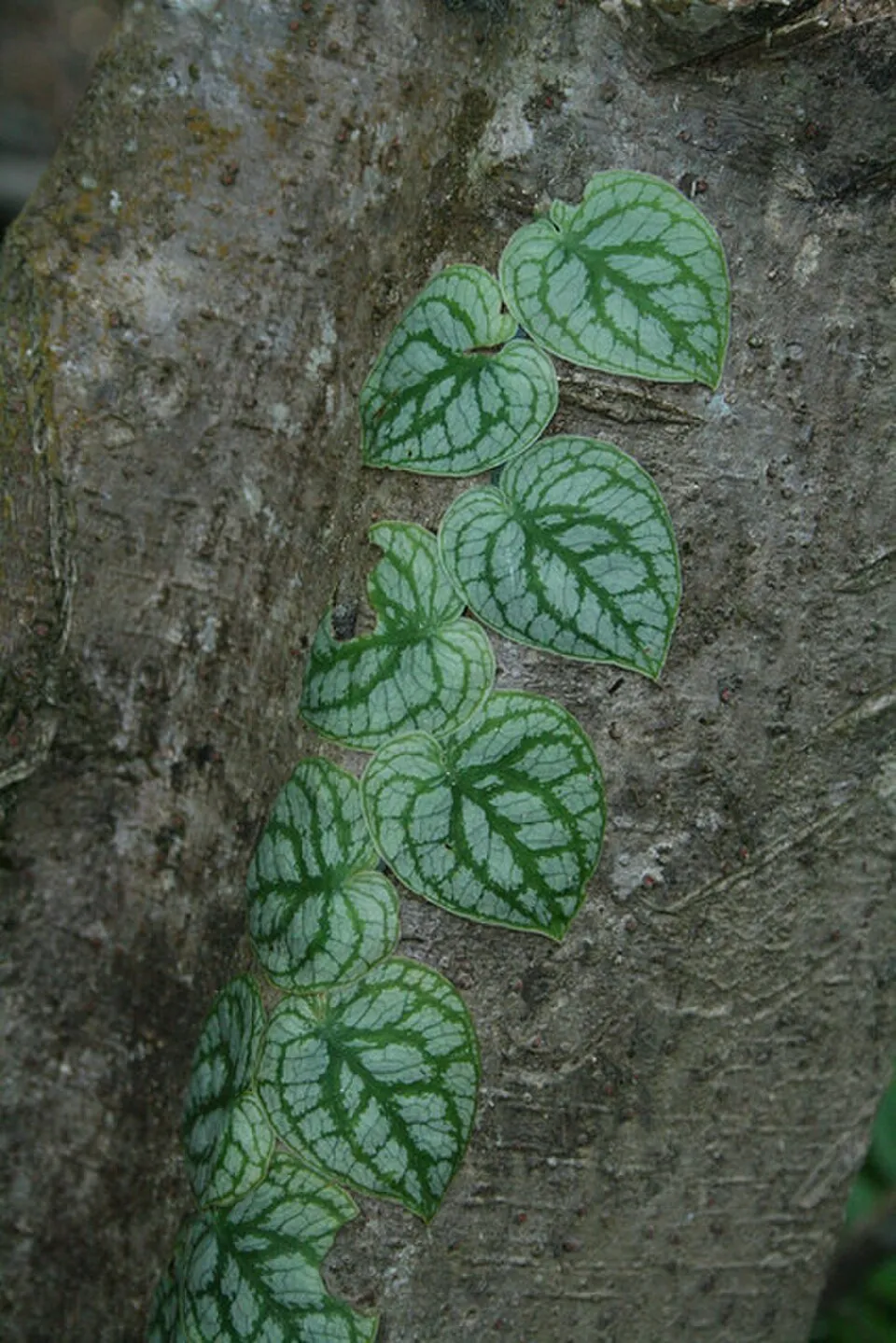
Monstera dubia, an exquisite member of the Araceae family, is celebrated for its distinctive shingling growth habit and captivating foliage. In its juvenile form, the plant showcases flat, heart-shaped to oval leaves, typically measuring 7 to 15 centimeters in length. These leaves are a soft green adorned with intricate silver variegation, creating a mosaic-like appearance that adheres closely to surfaces, giving rise to its common name, the Shingle Plant.
As the plant matures and ascends vertical supports, its leaves undergo a remarkable transformation, developing the characteristic fenestrations and a more lobed structure synonymous with adult Monstera species. The slender stems, which can reach up to 2 centimeters thick, are smooth and green, often producing aerial roots that aid in its climbing behavior. Native to the humid, dappled understory of tropical forests across Central and South America, Monstera dubia thrives in environments mimicking its natural habitat, preferring bright, indirect light, high humidity, and well-draining, organic-rich soil.
While it can produce a small spadix flower in its native range, this botanical event is exceedingly rare in indoor cultivation. This species, often growing 1 to 2 meters in its natural setting, is typically maintained at 4-6 feet indoors with proper care and support, making it a highly sought-after ornamental for its unique aesthetic appeal and dynamic growth cycle.
Trusted Scientific References
1. Authoritative external sources for Monstera dubia
1.1 Wikipedia — Monstera dubia
1.2 Kew POWO (Plants of the World Online)
1.3 PubMed — peer-reviewed research
1.4 NCBI Taxonomy Browser
1.5 GBIF — Global Biodiversity
1.6Monstera Dubia should be interpreted through verified botanical identity, practical care, and responsible safety language. This recovery note adds the missing context needed for a complete profile: match light to the plant's habit, use well-drained soil, water according to season, and avoid unsupported medicinal or edible claims. For publishing, the plant can be presented as a source-backed indoor plant with clear care guidance, common problem diagnosis, and conservative safety wording.
1.1.Monstera Dubia — Distinguishing Points
- ✓Distinctive Shingling Growth Habit — Leaves lie flat against climbing surfaces.
- ✓Striking Juvenile Foliage — Heart-shaped leaves with prominent silver variegation.
- ✓Mature Fenestrated Leaves — Develops characteristic splits and holes with age.
- ✓Epiphytic Climbing Vine — Naturally attaches and ascends trees in its native habitat.
- ✓Member of the Araceae Family — Shares characteristics with other aroids.
- ✓Tropical Origin — Thrives in warm, humid environments.
- ✓Ornamental Houseplant — Highly valued for its aesthetic appeal in indoor settings.
- ✓Low — Maintenance (with proper humidity) — Relatively easy to care for once conditions are met.
- ✓Potential Ethnobotanical Significance — Traditionally used for various ailments in indigenous cultures.
- ✓Contains Calcium Oxalates — Important safety consideration due to irritant properties.
1.2.Monstera Dubia — In Brief
- ✓Unique 'Shingle Plant' with juvenile silver-variegated leaves.
- ✓Climbs and develops fenestrations as it matures.
- ✓Native to tropical Central and South American rainforests.
- ✓Primarily ornamental, with limited ethnobotanical uses.
- ✓Contains calcium oxalate crystals, making it an irritant and toxic if ingested.
- ✓Requires bright, indirect light and high humidity for optimal growth.
2.Monstera Dubia — Nomenclature & Classification
3.Monstera Dubia — Fact Sheet
4.Monstera Dubia — Physical Description
5.Monstera Dubia — Native Range & Habitat
6.Monstera Dubia — Heritage Uses
7.Monstera Dubia — Chemical Profile
- ✓Flavonoids — Compounds like quercetin and kaempferol derivatives are likely present, contributing to potential antioxidant and anti-inflammatory activities.
- ✓Phenolic Acids — Gallic acid and caffeic acid are anticipated, known for their antioxidant, astringent, and antimicrobial properties.
- ✓Alkaloids — Trace amounts of various nitrogen-containing compounds may exist, which could contribute to diverse pharmacological effects, though specific types are yet to be fully characterized.
- ✓Saponins — Triterpenoid saponins might be found, potentially exhibiting expectorant or adaptogenic properties in traditional contexts.
- ✓Tannins — Astringent compounds that could contribute to wound healing and anti-inflammatory effects through protein precipitation.
- ✓Glycosides — Various sugar-bound compounds, including cardiac glycosides (caution required), may be present, influencing physiological processes.
- ✓Terpenoids — Volatile organic compounds such as monoterpenes and sesquiterpenes could impart aromatic qualities and contribute to therapeutic potential.
- ✓Calcium Oxalate — Raphides (needle-like crystals) of calcium oxalate are notably present in all parts of the plant, responsible for its irritant properties upon ingestion or contact.
- ✓Sterols — Plant sterols like beta-sitosterol may be found, known for their anti-inflammatory and cholesterol-lowering potential.
- ✓Lignans — These phenolic compounds are recognized for their antioxidant and phytoestrogenic activities, possibly present in trace amounts.
8.Monstera Dubia — Evidence-Based Benefits
- ✓Anti-inflammatory Properties — Ethnobotanical accounts suggest that preparations from Monstera dubia may traditionally be used to alleviate local inflammation, potentially due to the presence of certain flavonoids and phenolic compounds.
- ✓Analgesic Effects — Indigenous communities have historically employed parts of the plant for their purported pain-relieving qualities, specifically for minor aches and discomforts, though scientific validation is still needed.
- ✓Wound Healing — Traditional applications include poultices made from crushed leaves, believed to support the healing of superficial cuts and abrasions by promoting tissue regeneration and providing a protective barrier.
- ✓Antioxidant Support — The presence of various plant secondary metabolites, such as phenolics, suggests potential antioxidant activity that could help neutralize free radicals and mitigate cellular damage.
- ✓Antiseptic Action — Certain plant extracts may possess mild antiseptic properties, traditionally used to cleanse minor wounds and prevent infection in folk medicine practices.
- ✓Digestive Aid — In some traditional systems, dilute preparations have been anecdotally used to soothe mild digestive discomfort, although caution is advised due to the plant's oxalate content.
- ✓Respiratory Support — Vapors from boiled leaves were sometimes used traditionally to ease congestion and support respiratory comfort, particularly during colds or minor respiratory irritations.
- ✓Diuretic Properties — Folk medicine suggests that certain plant preparations might exhibit mild diuretic effects, aiding in the body's natural fluid balance and detoxification processes.
- ✓Skin Health — Extracts or topical applications (with extreme caution) have been explored in traditional practices for addressing minor skin irritations or promoting a healthy complexion, likely due to anti-inflammatory components.
- ✓Fever Reduction — Anecdotal evidence from native regions points to the traditional use of Monstera dubia in decoctions to help reduce mild fevers.
8.1.Monstera Dubia — Therapeutic Indications
9.Monstera Dubia — Cautions & Contraindications
9.1.Monstera Dubia — Reported Side Effects
- ✓Oral and Gastrointestinal Irritation — Ingestion of any part of Monstera dubia can cause severe irritation, burning, and swelling of the mouth, throat, and digestive tract due to calcium oxalate crystals.
- ✓Skin Contact Dermatitis — Direct contact with the sap or crushed plant material may lead to skin irritation, itching, redness, or a rash in sensitive individuals.
- ✓Nausea and Vomiting — Accidental ingestion can trigger symptoms of nausea, vomiting, and abdominal pain due to the irritant effect on the stomach lining.
- ✓Swelling of Mucous Membranes — Oral exposure can cause significant swelling of the lips, tongue, and throat, potentially leading to difficulty breathing or swallowing.
- ✓Ocular Irritation — Contact with the eyes can result in pain, redness, and irritation, requiring immediate flushing with water.
- ✓Allergic Reactions — Sensitive individuals may experience allergic responses, including hives or more severe systemic reactions, though rare.
- ✓Pet Toxicity — Highly toxic to pets; ingestion can cause intense oral pain, drooling, vomiting, and difficulty swallowing.
9.2.Monstera Dubia — Safety Profile
- ✓Calcium Oxalate Content — All parts of Monstera dubia contain insoluble calcium oxalate crystals, making it toxic if ingested and an irritant upon contact.
- ✓Not for Internal Consumption — Due to its oxalate content, internal consumption is strongly discouraged and potentially dangerous for humans and animals.
- ✓Keep Away from Children and Pets — Ensure the plant is placed out of reach of curious children and pets to prevent accidental ingestion or contact.
- ✓Handle with Gloves — When handling or repotting, it is advisable to wear gloves to avoid skin irritation from sap.
- ✓Avoid Eye Contact — Prevent sap or plant debris from coming into contact with eyes; flush immediately with copious water if exposure occurs.
- ✓Pregnancy and Lactation — There is insufficient data on its safety during pregnancy and lactation; therefore, use should be strictly avoided.
- ✓Allergic Sensitivity — Individuals with known plant allergies, especially to members of the Araceae family, should exercise caution.
10.Monstera Dubia — Preparation Methods
- ✓Traditional Poultice — For minor skin irritations or superficial wounds, crushed fresh leaves may be applied topically as a poultice, with extreme caution to avoid direct contact with broken skin due to oxalates.
- ✓Infusion (External) — A weak infusion of dried leaves might be used as a traditional wash for skin conditions, ensuring proper dilution and patch testing first.
- ✓Decoction (Limited Internal) — In highly diluted, traditional internal uses (e.g., for fevers or digestive aid), a decoction of specific plant parts would be prepared, but this is NOT recommended without expert ethnobotanical guidance due to toxicity.
- ✓Tincture (Topical) — An alcoholic extract (tincture) could be traditionally made for external application, potentially concentrating beneficial compounds, but also increasing irritant risk.
- ✓Vapor Inhalation — Boiling leaves in water to create a steam for inhalation has been a traditional method for respiratory congestion, ensuring distance from direct steam.
- ✓Maceration (External Oil) — Plant material might be macerated in a carrier oil for topical application as a liniment for muscle aches, strictly for external use.
- ✓Herbal Compress — Soaked cloths in a cooled, dilute herbal infusion can be applied as a compress to reduce localized swelling or discomfort, again with caution.
- ✓Ethnobotanical Preparations — Indigenous practices involve specific ceremonial or ritualistic preparations, often with precise dosages and combinations, which are not for general use.
11.Monstera Dubia — Cultivation & Care
- ✓Light — Provide bright, indirect light; direct sunlight can scorch the delicate leaves and diminish variegation.
- ✓Water — Allow the top inch of soil to dry out completely between waterings, then water thoroughly, ensuring excellent drainage.
- ✓Humidity — Thrives in high humidity (60-80%); use a humidifier, pebble tray, or regular misting to mimic its tropical native environment.
- ✓Feeding — Fertilize every 4-6 weeks during spring and summer with a balanced liquid fertilizer, reducing frequency in fall and winter.
- ✓Temperature — Maintain consistent temperatures between 65°F and 85°F (18°C-29°C); protect from cold drafts and temperatures below 60°F (15°C).
- ✓Soil — Use a well-draining, airy potting mix rich in organic matter, ideally an aroid-specific blend to prevent root rot.
- ✓Support — Provide a moss pole, plank, or flat surface for climbing; this encourages the plant to mature, develop larger leaves, and fenestrations.
- ✓Propagation — Easily propagated through stem cuttings containing at least one node, placed in water or moist soil until roots develop.
Reviewed by the Flora Medical Global Botanical Review Panel
Multi-disciplinary editorial group · Botany · Ethnobotany · Herbal-medicine literature
Who reviewed this: This page was checked by the Flora Medical Global Botanical Review Panel — an in-house editorial group of botany graduates, ethnobotany researchers, and horticulture practitioners who collectively maintain our 7,000+ plant encyclopedia. Meet the team.
Our 4-step verification process
1. Taxonomic verification
Scientific names and synonyms cross-checked against Kew POWO, World Flora Online, and The Plant List.
2. Phytochemical & medicinal cross-reference
Active compounds, traditional uses, and reported activities are cross-referenced with PubMed, USDA Dr. Duke's database, and peer-reviewed ethnobotanical literature.
3. Conservation & distribution check
Distribution, ecology, and conservation status confirmed against GBIF occurrence records and the IUCN Red List.
4. Editorial & safety review
Every entry passes an editorial pass for clarity, originality, and safety notices (toxicity, contraindications, dosage caveats) before publication.
Last reviewed:
Important medical disclaimer: This content is for educational and research purposes only. It is not medical advice and is not a substitute for consultation with a licensed healthcare provider. Do not use any herb to self-treat a medical condition without professional guidance.
Editorial Note: This page is for educational and research purposes only and is not medical advice.
Written by: Flora Medical Global Editorial Team
Reviewed by: Flora Medical Global Botanical Review Panel
Last Updated: June 15, 2026





Monstera Dubia — Comments & Community Reviews
Rate this plant