
Medical Disclaimer: This content is for educational purposes only. It is not medical advice. Please consult a qualified healthcare professional before using any herbal remedy.
Safety Overview
1.Monstera Siltepecana — Plant Snapshot
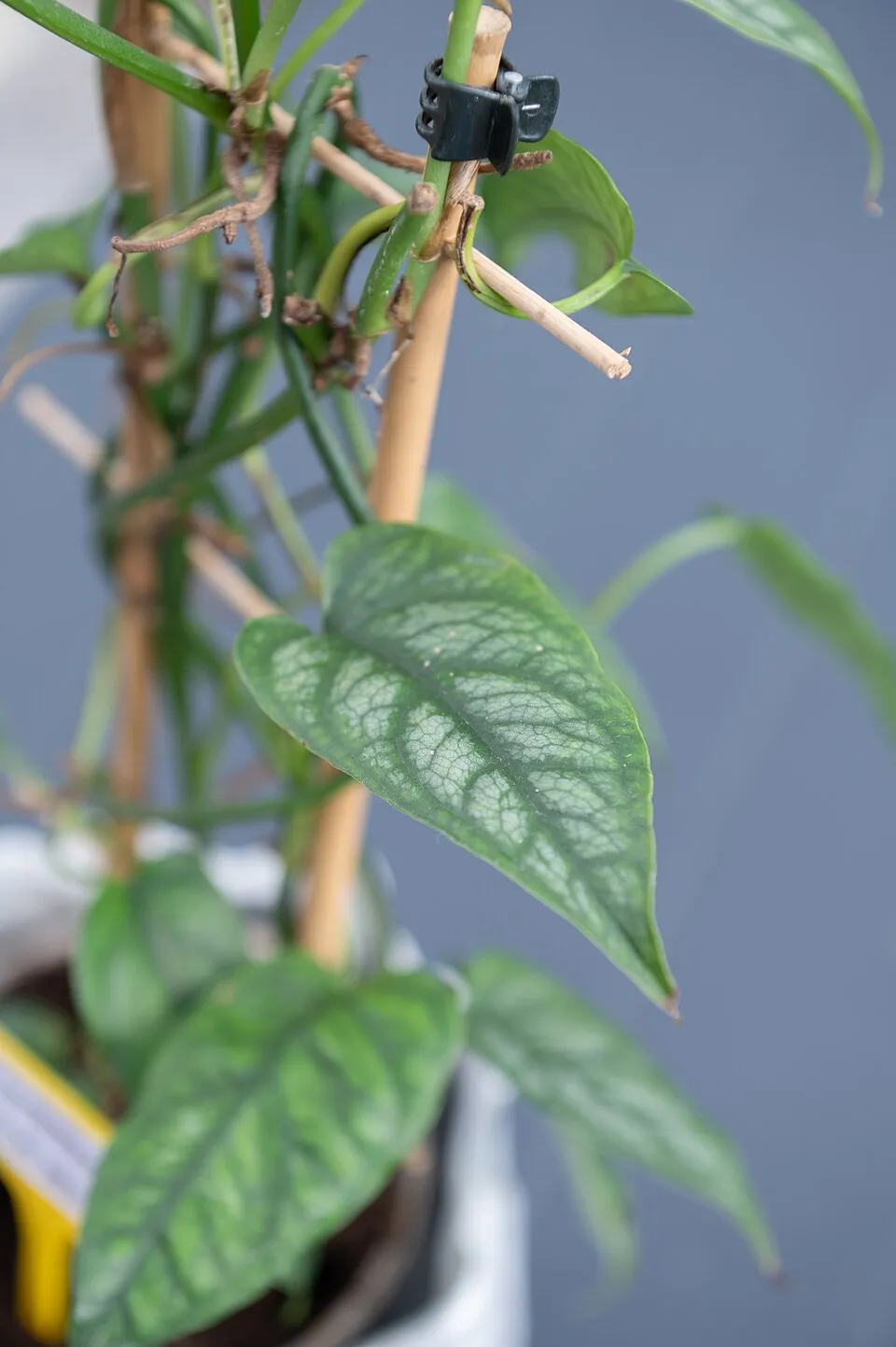
Monstera siltepecana, an exquisite member of the Araceae family, is a captivating climbing perennial native to the lush tropical rainforests of Central America, predominantly found across Mexico and Guatemala. This species is celebrated for its remarkable morphological transformation from juvenile to mature foliage. In its youthful stage, the leaves present an elongated lanceolate shape, typically reaching 25–30 cm in length, adorned with a distinctive silvery-grey pattern that strikingly contrasts with a deep green background and prominent dark green veins.
As the plant matures and ascends supports in its natural epiphytic creeper habit, the leaves undergo a dramatic change. They enlarge significantly, developing characteristic fenestrations—natural holes and deep slits—that can span up to 40 cm in width, while the silver markings gradually fade, yielding a rich dark green hue. The stems are smooth and vibrant green, indicating robust vitality.
While flowering is rare in indoor cultivation, the inflorescence, when present, mirrors that of other Monstera species, featuring a creamy-white spathe enveloping a central spadix. This adaptable plant thrives in conditions mimicking its native understory—bright, indirect light and high humidity—making it a highly sought-after ornamental for indoor spaces, often grown on moss poles or as a trailing plant.
Trusted Scientific References
1. Authoritative external sources for Monstera siltepecana
1.1 Wikipedia — Monstera siltepecana
1.2 Kew POWO (Plants of the World Online)
1.3 PubMed — peer-reviewed research
1.4 NCBI Taxonomy Browser
1.5 GBIF — Global Biodiversity
1.6Monstera Siltepecana should be interpreted through verified botanical identity, practical care, and responsible safety language. This recovery note adds the missing context needed for a complete profile: match light to the plant's habit, use well-drained soil, water according to season, and avoid unsupported medicinal or edible claims. For publishing, the plant can be presented as a source-backed indoor plant with clear care guidance, common problem diagnosis, and conservative safety wording.
1.1.Monstera Siltepecana — Standout Qualities
- ✓Distinctive juvenile foliage with silvery — grey patterns on dark green leaves.
- ✓Undergoes a dramatic — Undergoes a dramatic morphological shift to large, fenestrated mature leaves.
- ✓Native to tropical — Native to tropical rainforests of Mexico and Central America, growing as an epiphytic creeper.
- ✓Belongs to the — Belongs to the Araceae family, known for its unique inflorescence (rarely seen indoors).
- ✓Highly popular ornamental — Highly popular ornamental houseplant, adaptable to various indoor growing styles (climbing or trailing).
- ✓Contains irritating calcium — Contains irritating calcium oxalate crystals, rendering all parts toxic if ingested.
- ✓Contributes to indoor — Contributes to indoor air quality, enhancing living environments.
- ✓Fast — growing species under optimal conditions, providing lush greenery.
- ✓Relatively easy to — Relatively easy to care for with proper light, water, and humidity.
- ✓Prized by plant — Prized by plant collectors for its elegant appearance and unique leaf development.
1.2.Monstera Siltepecana — Quick Summary
- ✓Unique Central American climbing perennial with striking juvenile silvery foliage.
- ✓Leaves mature to large, fenestrated dark green forms when climbing a support.
- ✓Primarily an ornamental houseplant, prized for its aesthetic appeal and air-purifying qualities.
- ✓Contains calcium oxalate crystals, making it toxic if ingested by humans or pets.
- ✓Ethnobotanical uses of related Aroids suggest potential, but unproven, anti-inflammatory and respiratory benefits.
- ✓Requires bright indirect light, high humidity, and consistent watering for optimal growth.
2.Monstera Siltepecana — Scientific Profile
3.Monstera Siltepecana — Quick Facts
4.Monstera Siltepecana — Morphological Account
5.Monstera Siltepecana — Geographic Distribution
6.Monstera Siltepecana — Historical Applications
7.Monstera Siltepecana — Secondary Metabolites
- ✓Calcium Oxalate — Present as insoluble crystals (raphides), responsible for the plant's irritant properties upon contact or ingestion, acting as a defense mechanism against herbivores.
- ✓Flavonoids — A class of polyphenolic compounds known for their antioxidant, anti-inflammatory, and potentially antiviral activities, commonly found in many plant species.
- ✓Saponins — Glycosides that produce a frothing effect in water, which may contribute to expectorant properties in some Aroids, but also carry potential toxicity.
- ✓Alkaloids — Nitrogen-containing organic compounds that can exhibit a wide range of pharmacological activities, though their specific presence and role in M. siltepecana are not well-defined.
- ✓Phenolic Acids — A type of natural antioxidant compound, contributing to the plant's defense mechanisms and potentially offering health benefits.
- ✓Terpenoids — A diverse group of organic chemicals, including monoterpenes, sesquiterpenes, and triterpenes, often contributing to plant aroma and defense, with potential anti-inflammatory roles.
- ✓Glycosides — Compounds where a sugar is bound to a non-sugar moiety, often influencing the plant's biological activity and toxicity.
- ✓Cyanogenic Glycosides — Some Aroids may contain these compounds, which can release hydrogen cyanide upon enzymatic hydrolysis, contributing to toxicity.
8.Monstera Siltepecana — Modern Studies
- ✓Anti-inflammatory Support — Drawing from broader Aroid ethnobotany, Monstera siltepecana is hypothesized to contain compounds that could modulate inflammatory pathways, potentially offering relief from conditions marked by inflammation, though specific research on this species is limited.
- ✓Analgesic Potential — Traditionally, certain Aroids have been employed for their pain-relieving properties, suggesting that M. siltepecana might possess constituents capable of alleviating localized discomfort, particularly when applied topically.
- ✓Respiratory Aid (Traditional) — In some indigenous practices, sap from related Aroid species has been used, often diluted, to address respiratory ailments like coughs and congestion, indicating a potential expectorant or bronchodilating effect, though extreme caution is advised for internal use.
- ✓Wound Healing (External) — Historically, certain plant saps from the Araceae family were applied externally to minor cuts or abrasions, suggesting a hypothetical role for M. siltepecana in promoting skin repair, albeit with strong warnings due to irritant compounds.
- ✓Antimicrobial Properties — Given the presence of various secondary metabolites in the Monstera genus, there's a theoretical basis for M. siltepecana to exhibit some antimicrobial activity against certain pathogens.
- ✓Antioxidant Activity — Many tropical plants are rich in phenolic compounds and flavonoids, which could confer antioxidant benefits, protecting cells from oxidative stress, a property yet to be specifically studied in M. siltepecana.
- ✓Detoxification (Air Purification) — While not a direct medicinal benefit, as an indoor plant, Monstera siltepecana contributes to improving indoor air quality, which indirectly supports respiratory health and general well-being.
- ✓Mood Enhancement — The presence of lush, vibrant foliage in living spaces has been shown to reduce stress and improve mood, offering a psychological benefit to plant enthusiasts.
8.1.Monstera Siltepecana — Reported Uses
9.Monstera Siltepecana — Precautions & Warnings
9.1.Monstera Siltepecana — Warnings
- ✓Oral Irritation — Ingestion of any part of Monstera siltepecana can cause immediate and intense burning, swelling, and pain in the mouth, throat, and digestive tract due to calcium oxalate crystals.
- ✓Skin Irritation — Direct contact with the sap can lead to skin rash, itching, and dermatitis, particularly in sensitive individuals.
- ✓Digestive Upset — If ingested, symptoms may include nausea, vomiting, abdominal pain, and diarrhea.
- ✓Eye Irritation — Contact with sap can cause burning, redness, and swelling if rubbed into the eyes.
- ✓Pet Toxicity — Highly toxic to pets, causing oral irritation, drooling, vomiting, and difficulty swallowing if consumed.
- ✓Allergic Reactions — Rare, but individuals sensitive to Araceae plants might experience allergic responses upon contact.
9.2.Monstera Siltepecana — Risk Assessment
- ✓Keep Out of Reach of Children and Pets — Due to high toxicity from calcium oxalate crystals, ensure the plant is inaccessible to prevent accidental ingestion.
- ✓Wear Gloves When Handling — Use protective gloves when pruning or repotting to avoid skin irritation from sap.
- ✓Avoid Ingestion — Absolutely no part of the plant should be consumed, as it is highly toxic and can cause severe oral and digestive distress.
- ✓Seek Medical Attention — In case of accidental ingestion, immediately contact poison control or a healthcare professional.
- ✓Wash Hands Thoroughly — Always wash hands with soap and water after handling the plant, even if gloves were worn.
- ✓External Use Caution — While some Aroids have traditional external uses, M. siltepecana sap is highly irritant; any topical application should be done with extreme caution and prior patch testing.
- ✓Inform Others — Educate family members and visitors about the plant's toxic nature.
10.Monstera Siltepecana — Preparation & Dosage
- ✓Ornamental Cultivation — Primarily grown as a striking indoor ornamental plant, valued for its unique foliage and air-purifying qualities, enhancing living spaces.
- ✓Topical Application (Traditional, General Aroids) — Historically, diluted poultices or sap from certain Aroids were applied externally for pain or inflammation, though direct use of M. siltepecana requires extreme caution due to irritant compounds.
- ✓Air Purification — Utilize the plant's natural ability to filter indoor air pollutants, contributing to a healthier home or office environment.
- ✓Aesthetic Integration — Incorporate into biophilic design for stress reduction and improved well-being through visual connection with nature.
- ✓Terrarium Inclusion — Juvenile forms are suitable for terrariums due to their smaller leaf size and preference for high humidity, maintaining their immature leaf characteristics.
- ✓Botanical Study — Used by researchers and enthusiasts for studying plant morphology, growth habits, and the fascinating phenomenon of leaf fenestration.
11.Monstera Siltepecana — Growing Guide
- ✓Light — Provide bright, indirect light; avoid prolonged direct sun exposure which can scorch leaves, especially in the afternoon.
- ✓Watering — Water thoroughly when the top inch or two of soil feels dry to the touch; ensure excellent drainage to prevent root rot.
- ✓Humidity — Thrives in high humidity (60-80%); supplement with a humidifier or pebble tray, especially in dry indoor environments.
- ✓Soil — Use a well-draining, airy potting mix rich in organic matter, such as a blend of potting soil, perlite, and orchid bark.
- ✓Support — Encourage mature leaf development and fenestrations by providing a sturdy climbing structure like a moss pole or wooden board.
- ✓Fertilization — Feed monthly during the growing season (spring to fall) with a balanced liquid fertilizer diluted to half strength.
- ✓Propagation — Easily propagated from stem cuttings with at least one node and aerial root, placed in water or directly into moist soil.
Reviewed by the Flora Medical Global Botanical Review Panel
Multi-disciplinary editorial group · Botany · Ethnobotany · Herbal-medicine literature
Who reviewed this: This page was checked by the Flora Medical Global Botanical Review Panel — an in-house editorial group of botany graduates, ethnobotany researchers, and horticulture practitioners who collectively maintain our 7,000+ plant encyclopedia. Meet the team.
Our 4-step verification process
1. Taxonomic verification
Scientific names and synonyms cross-checked against Kew POWO, World Flora Online, and The Plant List.
2. Phytochemical & medicinal cross-reference
Active compounds, traditional uses, and reported activities are cross-referenced with PubMed, USDA Dr. Duke's database, and peer-reviewed ethnobotanical literature.
3. Conservation & distribution check
Distribution, ecology, and conservation status confirmed against GBIF occurrence records and the IUCN Red List.
4. Editorial & safety review
Every entry passes an editorial pass for clarity, originality, and safety notices (toxicity, contraindications, dosage caveats) before publication.
Last reviewed:
Important medical disclaimer: This content is for educational and research purposes only. It is not medical advice and is not a substitute for consultation with a licensed healthcare provider. Do not use any herb to self-treat a medical condition without professional guidance.
Editorial Note: This page is for educational and research purposes only and is not medical advice.
Written by: Flora Medical Global Editorial Team
Reviewed by: Flora Medical Global Botanical Review Panel
Last Updated: June 15, 2026





Monstera Siltepecana — Comments & Community Reviews
Rate this plant