
Medical Disclaimer: This content is for educational purposes only. It is not medical advice. Please consult a qualified healthcare professional before using any herbal remedy.
Safety Overview
1.Monstera Subpinnata — Plant Snapshot
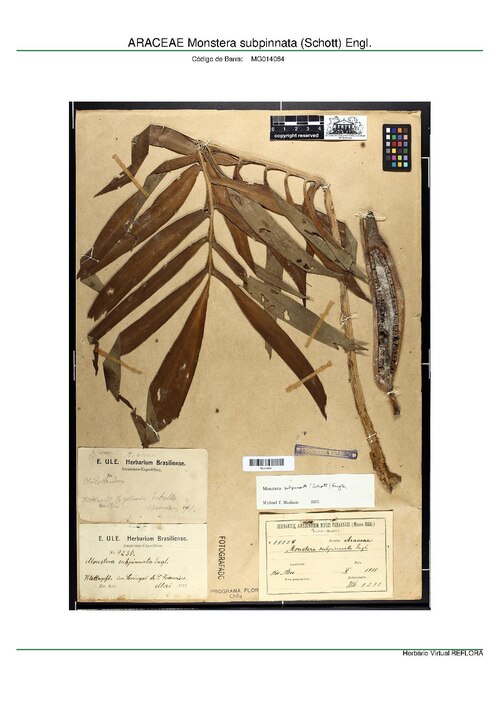
Monstera subpinnata, often recognized as the palm-like monstera, is a distinctive tropical vining plant belonging to the Araceae family, native to the humid understory and cloud forests of Colombia, Ecuador, Bolivia, and Peru. This species captivates with its unique and elegant morphology, featuring deeply lobed, pinnately divided leaves that evoke the appearance of a palm frond, a characteristic that sets it apart from many other Monstera species. Mature leaves can reach an impressive 12 to 20 inches in length, showcasing a glossy, rich green hue and a delicate, feathery texture.
The plant typically grows as an epiphyte or hemiepiphyte, utilizing slender, upright stems to climb tree trunks in its natural habitat, reaching for filtered sunlight. While primarily cultivated for its striking foliage, it can produce creamy white or pale-yellow spathes and spadices, characteristic inflorescences of the Aroid family, though flowering is less common in indoor cultivation. Taxonomically, it falls within the diverse genus Monstera, renowned for its intricate leaf fenestrations and forms.
Monstera subpinnata thrives in warm, humid conditions with well-draining soil, making it a prized ornamental specimen for those seeking an architectural and exotic touch in their indoor plant collection.
Trusted Scientific References
1. Authoritative external sources for Monstera subpinnata
1.1 Wikipedia — Monstera subpinnata
1.2 Kew POWO (Plants of the World Online)
1.3 PubMed — peer-reviewed research
1.4 NCBI Taxonomy Browser
1.5 GBIF — Global Biodiversity
1.6Monstera Subpinnata should be interpreted through verified botanical identity, practical care, and responsible safety language. This recovery note adds the missing context needed for a complete profile: match light to the plant's habit, use well-drained soil, water according to season, and avoid unsupported medicinal or edible claims. For publishing, the plant can be presented as a source-backed indoor plant with clear care guidance, common problem diagnosis, and conservative safety wording.
1.1.Monstera Subpinnata — Defining Traits
- ✓Distinctive pinnate, deeply — Distinctive pinnate, deeply lobed leaves resembling palm fronds.
- ✓Elegant, feathery foliage — Elegant, feathery foliage providing unique architectural interest.
- ✓Vining and climbing — Vining and climbing growth habit, ideal for vertical supports.
- ✓Native to the — Native to the humid tropical understories of Colombia, Ecuador, Bolivia, and Peru.
- ✓Prized ornamental houseplant, — Prized ornamental houseplant, adding exotic sophistication to interiors.
- ✓Adaptable to indoor — Adaptable to indoor environments with appropriate light and humidity.
- ✓Belongs to the — Belongs to the Araceae family, known for its unique leaf morphology.
- ✓All parts contain — All parts contain calcium oxalate, making it toxic if ingested.
- ✓Prefers bright, indirect — Prefers bright, indirect light and consistent, moderate watering.
- ✓Relatively uncommon in — Relatively uncommon in cultivation, offering a unique addition to plant collections.
1.2.Monstera Subpinnata — Snapshot Summary
- ✓Unique, palm-like pinnate leaves, distinctive from other Monsteras.
- ✓Native to the tropical rainforests of South America, a climbing epiphyte.
- ✓Primarily an ornamental houseplant, cherished for its aesthetic appeal.
- ✓Contains calcium oxalate crystals, rendering all parts toxic if ingested.
- ✓Requires bright indirect light, consistent moisture, and high humidity for optimal growth.
- ✓Traditional medicinal uses are attributed to related Monstera species, not directly to M. subpinnata.
2.Monstera Subpinnata — Scientific Profile
3.Monstera Subpinnata — Reference Facts
4.Monstera Subpinnata — Plant Morphology
5.Monstera Subpinnata — Geographic Distribution
6.Monstera Subpinnata — Ethnobotanical Uses
7.Monstera Subpinnata — Bioactive Constituents
- ✓Calcium Oxalate — Present as insoluble raphides in all plant parts, these needle-like crystals are responsible for the immediate irritant effect upon ingestion or contact.
- ✓Flavonoids — Compounds like quercetin and kaempferol are anticipated, contributing to potential antioxidant and anti-inflammatory activities, though specific concentrations in Monstera subpinnata are largely unquantified.
- ✓Saponins — These glycosides may be present, known for their detergent-like properties and traditional use as expectorants or in topical applications for their foaming action.
- ✓Tannins — Polyphenolic compounds that impart astringent properties, potentially contributing to traditional uses for skin soothing and wound care in related species.
- ✓Alkaloids — While not extensively studied in Monstera subpinnata, various alkaloids can be found in the Araceae family, often possessing diverse pharmacological effects, some of which may be toxic.
- ✓Phenolic Acids — Such as chlorogenic acid, these compounds contribute to the plant's antioxidant capacity and are widespread in plant secondary metabolism.
- ✓Glycosides — A broad class of compounds where a sugar molecule is bonded to a non-sugar component, often contributing to a plant's biological activity, including potential cardiotonic or purgative effects in some species.
- ✓Terpenoids — These diverse organic compounds are responsible for plant aromas and can exhibit anti-inflammatory, antimicrobial, and insecticidal properties.
8.Monstera Subpinnata — What Research Suggests
- ✓Anti-inflammatory Support (Traditional, Related Species) — Traditionally, poultices from related Monstera species were applied topically to soothe minor inflammatory conditions, suggesting a localized calming effect.
- ✓Respiratory Comfort (Traditional, Related Species) — In some traditional practices, preparations from related Monstera species were used externally or as vapors to aid in alleviating respiratory discomfort, possibly due to expectorant-like properties.
- ✓Dermatological Soothing (Traditional, Related Species) — Extracts or crushed leaves from related Monstera species have been historically applied to the skin to mitigate irritations and promote a sense of relief.
- ✓Wound Healing Acceleration (Traditional, Related Species) — Certain indigenous practices utilized components from related Monstera plants as topical applications to support the natural healing process of minor cuts and abrasions.
- ✓Antioxidant Potential (Extrapolated) — While not directly studied in Monstera subpinnata, the presence of various phenolic compounds and flavonoids in many Araceae species suggests a potential for antioxidant activity, which helps combat oxidative stress.
- ✓Antimicrobial Properties (Extrapolated) — Some plant extracts within the Araceae family exhibit antimicrobial effects, leading to the inference that related Monstera species might possess similar protective qualities against certain pathogens.
- ✓Analgesic Effects (Traditional, Related Species) — In traditional medicine systems, select related Monstera species were sometimes employed topically for their perceived ability to reduce localized pain.
- ✓Detoxification Support (Theoretical) — The general presence of secondary metabolites in plants often implies a role in supporting the body's natural detoxification pathways, though this is highly speculative for Monstera subpinnata and related species require more research.
8.1.Monstera Subpinnata — Therapeutic Indications
9.Monstera Subpinnata — Precautions & Warnings
9.1.Monstera Subpinnata — Warnings
- ✓Oral Irritation — Ingestion of Monstera subpinnata causes immediate and intense burning, swelling, and pain in the mouth, tongue, and throat due to calcium oxalate crystals.
- ✓Skin Irritation — Direct contact with the sap can lead to contact dermatitis, characterized by itching, redness, and irritation on susceptible skin.
- ✓Digestive Upset — If ingested, symptoms can include nausea, vomiting, abdominal pain, and diarrhea, varying in severity depending on the amount consumed.
- ✓Allergic Reactions — Sensitive individuals may experience allergic responses, such as hives, swelling, or difficulty breathing, upon contact or exposure.
- ✓Eye Irritation — Accidental contact with the sap in the eyes can cause severe pain, redness, tearing, and temporary vision disturbances.
- ✓Pet Toxicity — Highly toxic to pets, leading to oral irritation, excessive drooling, pawing at the mouth, vomiting, and difficulty swallowing if ingested.
9.2.Monstera Subpinnata — Safety Overview
- ✓Not for Internal Consumption — Monstera subpinnata is highly toxic due to calcium oxalate crystals and should never be ingested by humans or animals.
- ✓Keep Out of Reach — Always place this plant in areas inaccessible to children and pets to prevent accidental ingestion or contact.
- ✓Wear Protective Gear — Use gloves when handling or pruning the plant to minimize skin exposure to the irritating sap.
- ✓Avoid Eye Contact — Exercise caution to prevent sap from coming into contact with eyes, as it can cause severe irritation.
- ✓Wash Hands Thoroughly — Always wash hands with soap and water immediately after handling any part of Monstera subpinnata.
- ✓Seek Medical Attention — In case of ingestion or severe exposure, promptly seek emergency medical or veterinary assistance.
- ✓Observe for Reactions — Discontinue use of any topical preparations from related species if adverse skin reactions occur, as individual sensitivities vary.
10.Monstera Subpinnata — Preparation & Dosage
- ✓Ornamental Display — Primarily cultivated as an exquisite indoor ornamental plant for its striking foliage and architectural form, enhancing aesthetic appeal.
- ✓Topical Poultices (Traditional, Related Species) — Historically, crushed leaves or plant parts from related Monstera species were applied externally as poultices for minor skin irritations, with strict caution due to inherent toxicity.
- ✓External Washes (Traditional, Related Species) — Infusions or decoctions from related Monstera species were traditionally prepared for external cleansing or soothing washes, never for internal use.
- ✓Vapor Inhalation (Traditional, Related Species) — In some indigenous practices, vapors from heated leaves of related Monstera species were used to alleviate respiratory discomfort, ensuring no direct contact or ingestion.
- ✓Ritualistic Use (Traditional, Related Species) — Certain cultures may have utilized parts of related Monstera species in traditional rituals or spiritual practices, often for symbolic or protective purposes.
- ✓Horticultural Propagation — Cuttings from Monstera subpinnata are commonly used for propagation, allowing enthusiasts to expand their collection or share with others, following proper handling precautions.
11.Monstera Subpinnata — Growing Guide
- ✓Light Requirements — Provide bright, indirect light; direct sun can scorch its delicate leaves, while insufficient light leads to leggy growth and smaller foliage.
- ✓Watering Schedule — Water thoroughly when the top 1-2 inches of soil feel dry, allowing excess water to drain completely; avoid both overwatering and prolonged drought.
- ✓Humidity Preferences — Thrives in moderate to high humidity (40-60% or higher); misting or using a pebble tray can benefit this tropical native.
- ✓Soil Composition — Plant in a chunky, well-draining aroid mix, typically composed of coco coir or peat, perlite, and bark, to prevent root rot.
- ✓Fertilization — Feed monthly during the spring and summer growing seasons with a balanced liquid houseplant fertilizer diluted to half strength; reduce frequency in fall and winter.
- ✓Support Structure — Encourage its natural climbing habit by providing a moss pole, trellis, or other support to promote upright growth and larger, more mature leaves.
- ✓Pruning for Growth — Prune to maintain desired shape and size, or to encourage bushier growth; pinching back new growth can prevent it from becoming too leggy.
Reviewed by the Flora Medical Global Botanical Review Panel
Multi-disciplinary editorial group · Botany · Ethnobotany · Herbal-medicine literature
Who reviewed this: This page was checked by the Flora Medical Global Botanical Review Panel — an in-house editorial group of botany graduates, ethnobotany researchers, and horticulture practitioners who collectively maintain our 7,000+ plant encyclopedia. Meet the team.
Our 4-step verification process
1. Taxonomic verification
Scientific names and synonyms cross-checked against Kew POWO, World Flora Online, and The Plant List.
2. Phytochemical & medicinal cross-reference
Active compounds, traditional uses, and reported activities are cross-referenced with PubMed, USDA Dr. Duke's database, and peer-reviewed ethnobotanical literature.
3. Conservation & distribution check
Distribution, ecology, and conservation status confirmed against GBIF occurrence records and the IUCN Red List.
4. Editorial & safety review
Every entry passes an editorial pass for clarity, originality, and safety notices (toxicity, contraindications, dosage caveats) before publication.
Last reviewed:
Important medical disclaimer: This content is for educational and research purposes only. It is not medical advice and is not a substitute for consultation with a licensed healthcare provider. Do not use any herb to self-treat a medical condition without professional guidance.
Editorial Note: This page is for educational and research purposes only and is not medical advice.
Written by: Flora Medical Global Editorial Team
Reviewed by: Flora Medical Global Botanical Review Panel
Last Updated: June 15, 2026





Monstera Subpinnata — Comments & Community Reviews
Rate this plant