


Medical Disclaimer: This content is for educational purposes only. It is not medical advice. Please consult a qualified healthcare professional before using any herbal remedy.
Safety Overview
1.Monstera Thai — Essential Profile
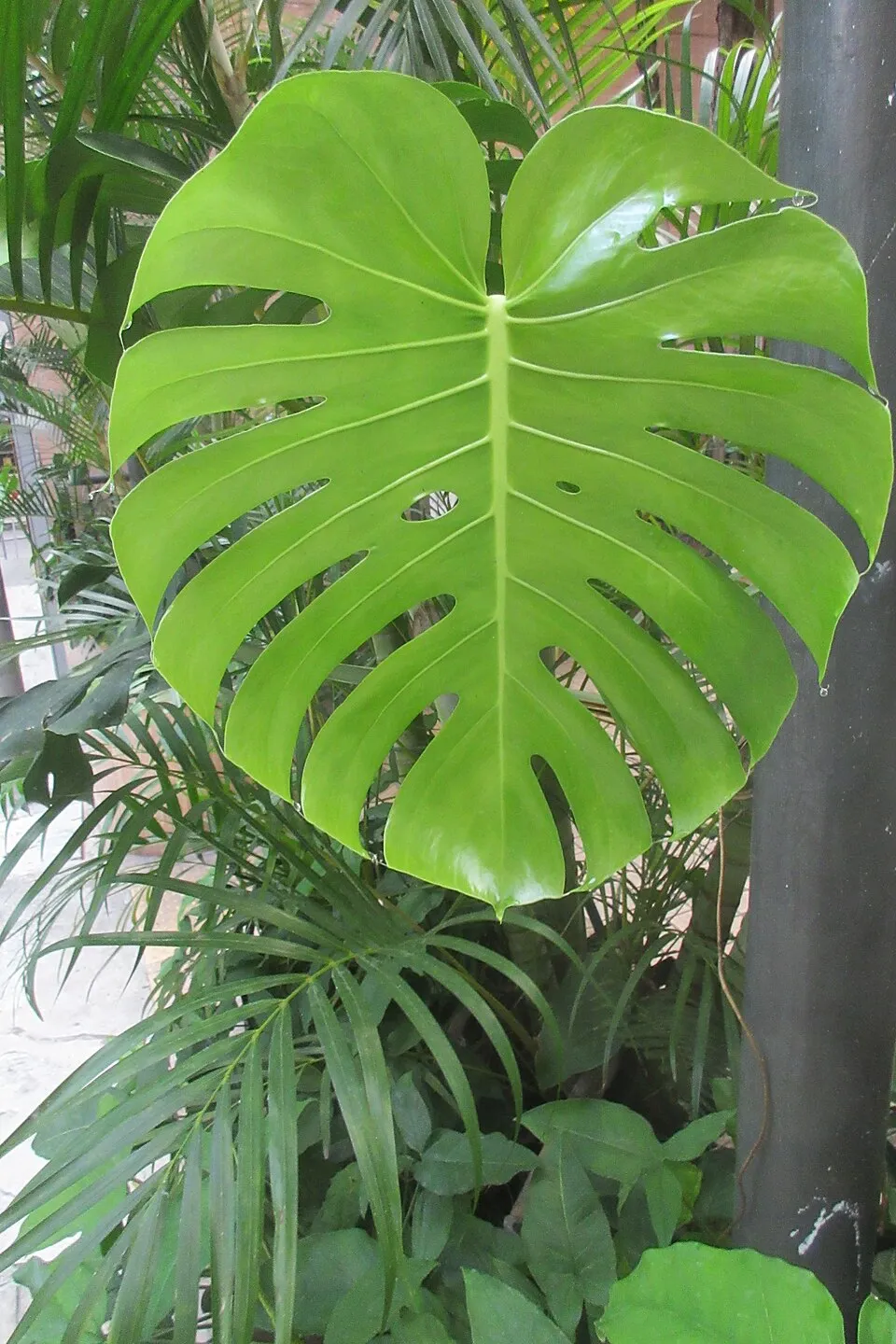
Monstera deliciosa 'Thai Constellation', widely recognized as Monstera Thai, is a highly prized variegated cultivar of the classic Swiss Cheese Plant. This striking evergreen climber belongs to the Araceae family and originates from the humid tropical rainforests of Central America, specifically from southern Mexico to Panama.
In its native environment, the parent species, Monstera deliciosa, thrives as an epiphyte or hemiepiphyte, utilizing robust aerial roots to anchor itself to larger trees and scale impressive heights. While the wild species can grow into a massive presence, the 'Thai Constellation' cultivar is primarily cultivated as an indoor ornamental, typically reaching 1-3 meters (3-10 feet) with adequate structural support like moss poles or trellises.
The plant's most captivating feature is its spectacular foliage. The large, glossy leaves develop characteristic fenestrations—splits and holes—as they mature, earning the species its common 'Swiss Cheese Plant' moniker. These leaves can reach up to 90 cm (3 feet) in length under optimal conditions.
The 'Thai Constellation' variant is distinguished by its unique, stable creamy-white or pale-yellow speckling and marbling across a dark green lamina, creating a 'starry night' effect. This stable variegation is a chimeral genetic mutation, meaning different plant tissues possess distinct genetic makeups, leading to the consistent color patterns. The stem is sturdy and green, and its extensive aerial root system, crucial for support and nutrient absorption in the wild, is also prominent in cultivated specimens.
While the parent species produces an edible fruit, flowering and fruiting are exceptionally rare for the 'Thai Constellation' cultivar, and all other parts of the plant are considered toxic.
Trusted Scientific References
1. Authoritative external sources for Monstera deliciosa Thai Constellation
1.1 Wikipedia — Monstera deliciosa Thai Constellation
1.2 Kew POWO (Plants of the World Online)
1.3 PubMed — peer-reviewed research
1.4 NCBI Taxonomy Browser
1.5 GBIF — Global Biodiversity
1.1.Monstera Thai — Highlights
- ✓Stable Variegation — Features consistent, creamy-white to pale-yellow speckling and marbling across dark green leaves, a stable genetic mutation.
- ✓Fenestrated Leaves — Develops characteristic splits and holes (fenestrations) in its large, glossy leaves as they mature.
- ✓Aerial Roots — Produces prominent aerial roots that aid in support and nutrient absorption.
- ✓Epiphytic/Hemiepiphytic Growth — Naturally grows by climbing on other plants or structures in its native tropical habitat.
- ✓Tropical Origin — Native to the humid rainforests of Central America, requiring warm, humid conditions.
- ✓Ornamental Value — Highly prized for its unique aesthetic and decorative appeal in indoor spaces.
- ✓Araceae Family Member — Belongs to the Arum family, sharing characteristics with other aroids.
- ✓Climbing Habit — Benefits from support structures like moss poles to achieve larger, more mature foliage.
- ✓Slow to Moderate Growth — Grows slower than its all-green counterpart, especially in lower light conditions.
1.2.Monstera Thai — In Brief
- ✓Highly sought-after variegated ornamental plant.
- ✓All parts (except ripe fruit of parent species) are toxic due to calcium oxalate.
- ✓Requires bright indirect light, high humidity, and well-draining aroid mix.
- ✓Known for stable, speckled creamy-white variegation on fenestrated leaves.
- ✓Not used for medicinal purposes due to toxicity; primarily valued for aesthetics.
- ✓Prone to root rot if overwatered.
2.Monstera Thai — Nomenclature & Classification
3.Monstera Thai — Vital Statistics
4.Monstera Thai — Botanical Description
5.Monstera Thai — Origin & Spread
6.Monstera Thai — Traditional Uses
7.Monstera Thai — Chemical Profile
- ✓Calcium Oxalate Raphides — These needle-like crystals are the primary toxic component found in all parts of the Monstera Thai Constellation, except the fully ripe fruit of the parent species, causing severe irritation upon ingestion or contact.
- ✓Flavonoids — Present in trace amounts, these phenolic compounds possess general antioxidant properties common to many plants, contributing to plant defense mechanisms.
- ✓Saponins — Low concentrations of saponins may be found, which can exhibit foaming properties and some biological activity, though not in therapeutically relevant amounts for this cultivar.
- ✓Phenolic Acids — Various phenolic acids are likely present, contributing to the plant's overall chemical profile and acting as antioxidants.
- ✓Ascorbic Acid (Vitamin C) — Abundant in the fully ripe fruit of the parent species, Monstera deliciosa, providing antioxidant and immune-supporting benefits, but not in the vegetative parts of the 'Thai Constellation' cultivar.
- ✓Carotenoids — Found in the ripe fruit of the parent species, these pigments act as antioxidants and precursors to Vitamin A, contributing to nutritional value.
- ✓Dietary Fiber — Present in the ripe fruit of the parent species, essential for digestive health and regularity.
- ✓Volatile Organic Compounds — As a living plant, it releases various volatile compounds, some of which may contribute to air purification effects in indoor settings.
8.Monstera Thai — Pharmacological Findings
- ✓Ornamental Value — The striking variegation and unique leaf morphology of Monstera Thai Constellation contribute significantly to aesthetic appeal, fostering a sense of well-being and reducing stress in indoor environments.
- ✓Air Purification (General Houseplant) — Like many houseplants, it contributes to improving indoor air quality by absorbing certain volatile organic compounds, though its direct impact is modest compared to specialized air purifiers.
- ✓Mood Enhancement — The presence of lush, vibrant foliage, particularly variegated specimens, has been linked to psychological benefits such as improved mood, increased focus, and a connection to nature.
- ✓Traditional External Anti-inflammatory (Monstera deliciosa species, not cultivar) — Historically, poultices made from the leaves of the parent species, Monstera deliciosa, have been applied externally in some traditional medicine systems for conditions like arthritis and inflammation, though scientific validation is limited and this cultivar is not used for such purposes.
- ✓Traditional Snakebite Remedy (Monstera deliciosa species, not cultivar) — In certain indigenous practices, parts of the Monstera deliciosa species have been used topically as a folk remedy for snakebites, a practice unsupported by modern scientific evidence and highly discouraged for this toxic cultivar.
- ✓Digestive Support (Ripe Fruit of Monstera deliciosa species) — The ripe fruit of the parent species, when consumed, is a good source of dietary fiber, which can aid in digestion and promote gut health, a benefit not associated with the ornamental 'Thai Constellation' cultivar.
- ✓Vitamin C Source (Ripe Fruit of Monstera deliciosa species) — The fully ripened fruit of Monstera deliciosa is rich in Vitamin C, acting as an antioxidant and supporting immune function, a nutritional benefit exclusively of the fruit and not applicable to the 'Thai Constellation' plant itself.
- ✓Humidifying Effect — Transpiration from the large leaves can slightly increase ambient humidity, which can be beneficial in dry indoor environments for human respiratory comfort.
8.1.Monstera Thai — Conditions Traditionally Used For
9.Monstera Thai — Safety & Side Effects
9.1.Monstera Thai — Warnings
- ✓Oral and Gastrointestinal Irritation — Ingestion of any part of the plant (except ripe fruit of the parent species) causes immediate burning, swelling of the mouth, throat, and tongue, difficulty swallowing, and potential vomiting due to calcium oxalate raphides.
- ✓Skin Irritation — Direct contact with the sap can cause dermatitis, itching, and irritation, particularly for sensitive individuals.
- ✓Root Rot — Overwatering, especially in dense soil, leads to root rot, characterized by mushy roots, yellowing leaves, and plant decline.
- ✓Leaf Scorch — Exposure to direct, intense sunlight can cause brown, crispy patches on the leaves, particularly on the variegated sections.
- ✓Edema — Irregular watering can lead to water-soaked spots or blisters on leaves, a physiological disorder.
- ✓Pest Infestations — Susceptible to common houseplant pests such as spider mites, mealybugs, and thrips, which can cause leaf damage and stunted growth.
9.2.Monstera Thai — Clinical Safety Notes
- ✓High Toxicity (Except Ripe Fruit) — All parts of Monstera deliciosa 'Thai Constellation', including leaves, stems, and unripe fruit, are toxic due to insoluble calcium oxalate crystals and should never be ingested.
- ✓Keep Away from Children and Pets — Ensure the plant is placed in an area inaccessible to young children and household pets to prevent accidental ingestion.
- ✓Wear Protective Gear — Use gloves when handling the plant, especially during pruning or repotting, to avoid skin contact with the irritating sap.
- ✓Not for Internal Medicinal Use — This cultivar is strictly ornamental and should not be used for any internal medicinal purposes due to its toxic nature.
- ✓Eye Contact Precaution — Avoid rubbing eyes after handling the plant; if sap enters the eyes, flush immediately with plenty of water and seek medical attention.
- ✓Symptom Awareness — Be aware of symptoms of poisoning (oral pain, swelling, difficulty breathing) and seek immediate medical help if ingestion occurs.
- ✓Ripe Fruit of Parent Species — Only the fully ripe fruit of the parent species, Monstera deliciosa, is edible, but the 'Thai Constellation' cultivar rarely, if ever, produces fruit, and any fruit should be handled with extreme caution.
10.Monstera Thai — Preparation Methods
- ✓Ornamental Display — Primarily cultivated as an indoor ornamental plant, display in well-lit areas away from direct sun to showcase its unique variegated foliage.
- ✓Safe Handling — Always wear gloves when handling the plant, especially when pruning, to avoid skin irritation from the sap containing calcium oxalate crystals.
- ✓Propagation by Cuttings — Propagate using stem cuttings with at least one node and aerial root, rooting them in water, sphagnum moss, or a well-draining aroid mix.
- ✓Leaf Cleaning — Gently wipe leaves with a damp cloth periodically to remove dust, allowing for better photosynthesis and maintaining the plant's glossy appearance.
- ✓Placement Strategy — Position out of reach of children and pets due to the plant's toxicity if ingested, preventing accidental exposure.
- ✓Support Structure Integration — Train aerial roots onto a moss pole or coir pole to encourage upward growth and larger, more mature leaves with fenestrations.
- ✓Monitoring for Pests — Regularly inspect leaves and stems for signs of pests like spider mites or mealybugs, treating promptly with appropriate organic solutions.
- ✓Environmental Enrichment — Utilize its presence to enhance indoor aesthetics and contribute to biophilic design principles within living or working spaces.
11.Monstera Thai — Garden Cultivation
- ✓Optimal Light — Provide bright, indirect light; direct sunlight can scorch the variegated leaves, while too little light will slow growth and reduce variegation.
- ✓Well-Draining Aroid Mix — Plant in a chunky, soil-free aroid mix composed of orchid bark, perlite, pumice, and horticultural charcoal to ensure excellent drainage and aeration, crucial for preventing root rot.
- ✓Consistent Moisture — Water thoroughly when the top 2-3 inches of soil are dry, but avoid letting the plant sit in standing water; Monstera Thai is less tolerant of drying out than its all-green relatives.
- ✓High Humidity — Maintain high humidity levels (60-80%) through regular misting, a humidifier, or a pebble tray, mimicking its tropical native habitat.
- ✓Stable Temperature — Keep temperatures between 18-30°C (65-85°F) and avoid sudden drops or cold drafts, which can stress the plant.
- ✓Fertilization — Fertilize sparingly with a balanced liquid fertilizer diluted to half strength during the growing season (spring and summer), as variegated plants are sensitive to over-fertilization.
- ✓Provide Support — Offer a moss pole or trellis for aerial roots to cling to, encouraging larger leaf development and an upright growth habit.
- ✓Repotting — Repot only when root-bound, typically every 1-2 years, increasing pot size by only one inch to avoid excess soil volume that can retain too much moisture and lead to root rot.
Reviewed by the Flora Medical Global Botanical Review Panel
Multi-disciplinary editorial group · Botany · Ethnobotany · Herbal-medicine literature
Who reviewed this: This page was checked by the Flora Medical Global Botanical Review Panel — an in-house editorial group of botany graduates, ethnobotany researchers, and horticulture practitioners who collectively maintain our 7,000+ plant encyclopedia. Meet the team.
Our 4-step verification process
1. Taxonomic verification
Scientific names and synonyms cross-checked against Kew POWO, World Flora Online, and The Plant List.
2. Phytochemical & medicinal cross-reference
Active compounds, traditional uses, and reported activities are cross-referenced with PubMed, USDA Dr. Duke's database, and peer-reviewed ethnobotanical literature.
3. Conservation & distribution check
Distribution, ecology, and conservation status confirmed against GBIF occurrence records and the IUCN Red List.
4. Editorial & safety review
Every entry passes an editorial pass for clarity, originality, and safety notices (toxicity, contraindications, dosage caveats) before publication.
Last reviewed:
Important medical disclaimer: This content is for educational and research purposes only. It is not medical advice and is not a substitute for consultation with a licensed healthcare provider. Do not use any herb to self-treat a medical condition without professional guidance.
Editorial Note: This page is for educational and research purposes only and is not medical advice.
Written by: Flora Medical Global Editorial Team
Reviewed by: Flora Medical Global Botanical Review Panel
Last Updated: June 15, 2026





Monstera Thai — Comments & Community Reviews
Rate this plant