
Medical Disclaimer: This content is for educational purposes only. It is not medical advice. Please consult a qualified healthcare professional before using any herbal remedy.
Safety Overview
1.Motherwort — Introduction & Highlights
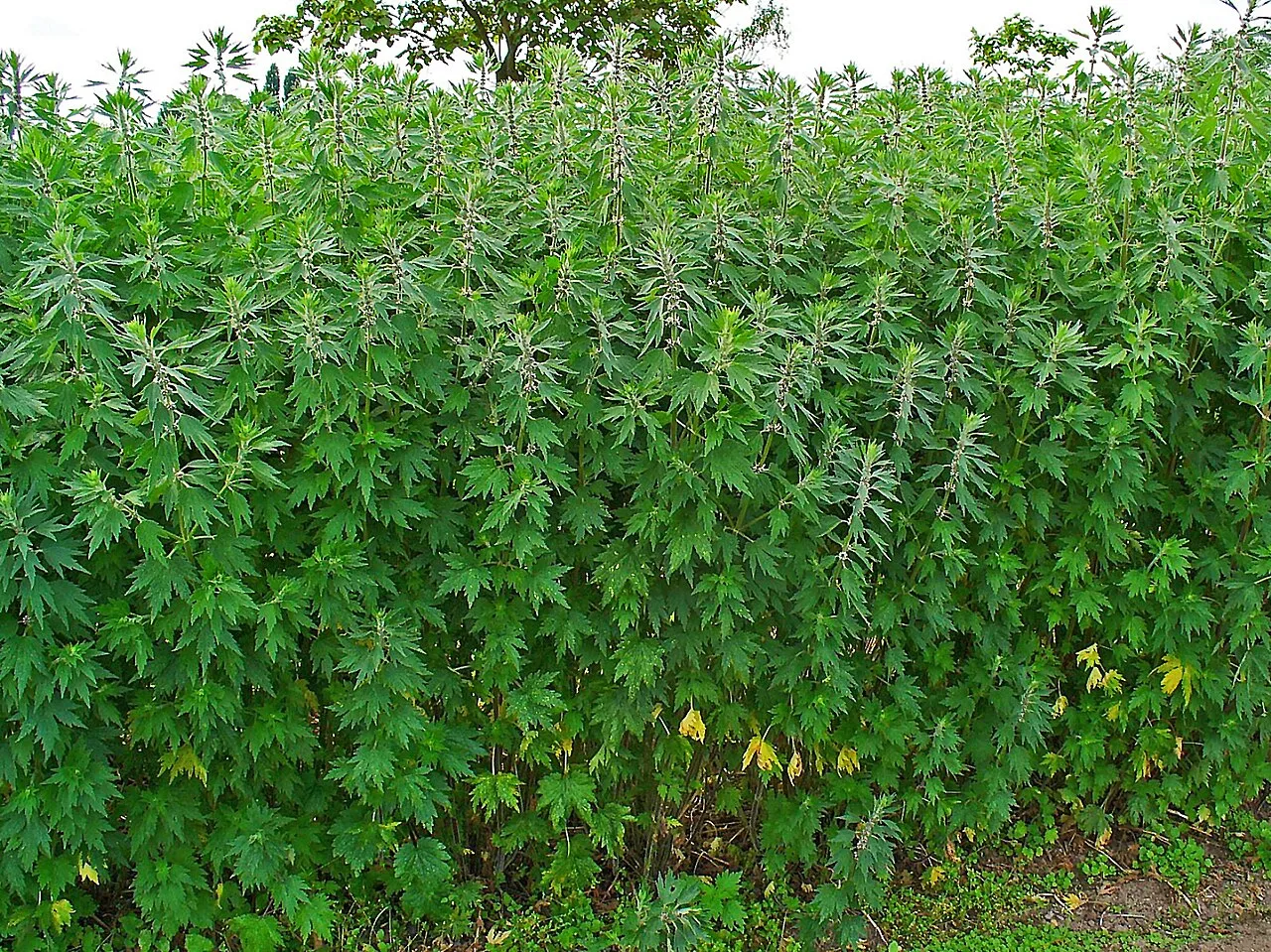
Motherwort, scientifically known as Leonurus cardiaca, is a robust herbaceous perennial belonging to the Lamiaceae family, commonly recognized by its square stems and deeply lobed, opposite leaves. The plant typically grows to a height of 60-120 cm (2-4 feet), featuring clusters of small, pinkish-purple, two-lipped flowers arranged in whorls along the upper leaf axils. These flowers are often bristly and give way to small nutlets.
Native to central Asia and southeastern Europe, Motherwort has naturalized widely across temperate regions globally, thriving in disturbed soils, roadsides, and waste areas, often indicating its adaptability and resilience. Its specific epithet 'cardiaca' directly references its historical use in supporting heart health. The plant's morphology, including its characteristic square stem and distinct leaf venation, makes it identifiable in the wild.
It prefers well-drained soil and partial to full sun, demonstrating a preference for temperate climates. This widespread distribution and ease of growth have contributed to its long-standing presence in various traditional herbal pharmacopeias.
Trusted Scientific References
1. Authoritative external sources for Leonurus cardiaca
1.1 Wikipedia — Leonurus cardiaca
1.2 Kew POWO (Plants of the World Online)
1.3 PubMed — peer-reviewed research
1.4 NCBI Taxonomy Browser
1.5 GBIF — Global Biodiversity
1.6Motherwort should be interpreted through verified botanical identity, practical care, and responsible safety language. This recovery note adds the missing context needed for a complete profile: match light to the plant's habit, use well-drained soil, water according to season, and avoid unsupported medicinal or edible claims. For publishing, the plant can be presented as a source-backed medicinal plant with clear care guidance, common problem diagnosis, and conservative safety wording.
1.7Motherwort (Leonurus cardiaca) is maintained in this recovery file as a complete medicinal profile with practical care, safety, and identification context. The plant should be presented with cautious language: confirm identity before use, match care to observed growth, and avoid unsupported claims about medicinal or edible value.
1.1.Motherwort — Standout Qualities
- ✓Cardiotonic Properties — Historically recognized for its ability to support heart function and alleviate palpitations.
- ✓Women's Health Ally — Widely used for regulating menstrual cycles and easing menopausal symptoms.
- ✓Nervine Action — Acts as a mild sedative and anxiolytic, promoting relaxation and reducing nervous tension.
- ✓Rich Phytochemistry — Contains a complex array of bioactive compounds including alkaloids, flavonoids, and terpenoids.
- ✓Widespread Distribution — Native to Eurasia, now naturalized globally, making it accessible.
- ✓Ease of Cultivation — A hardy plant that thrives in various conditions, easily grown from seed.
- ✓Traditional Medicine Staple — Integral to Traditional Chinese Medicine, European folk medicine, and other systems.
- ✓Distinct Morphology — Characterized by square stems, deeply lobed leaves, and bristly pink-purple flowers.
- ✓Adaptogenic Potential — May help the body adapt to stress, though not a primary adaptogen.
1.2.Motherwort — At-a-Glance Summary
- ✓Motherwort (Leonurus cardiaca) is a Lamiaceae family herb.
- ✓Traditionally valued for cardiac and women's health.
- ✓Rich in alkaloids (leonurine), flavonoids, and phenolic acids.
- ✓Known for nervine, anxiolytic, and uterine tonic properties.
- ✓Used as tea, tincture, or extract for various ailments.
- ✓Contraindicated in pregnancy and requires caution with medications.
2.Motherwort — Systematic Position
3.Motherwort — Quick Facts
4.Motherwort — Structural Profile
5.Motherwort — Geographic Distribution
6.Motherwort — Cultural & Traditional Roles
7.Motherwort — Active Compounds
- ✓Alkaloids — Key compounds include leonurine, stachydrine, and leonurinine, which are primarily responsible for Motherwort's cardiotonic and uterine-stimulating effects, influencing smooth muscle function.
- ✓Flavonoids — Rich in compounds like rutin, hyperoside, quercetin, and apigenin, these contribute significantly to the plant's antioxidant, anti-inflammatory, and cardioprotective activities.
- ✓Terpenoids — Contains various diterpenes and iridoids, which contribute to the plant's bitter taste and possess anti-inflammatory and antimicrobial properties.
- ✓Glycosides — Including cardiac glycosides in trace amounts, though not its primary active constituents, contributing to its traditional cardiac applications.
- ✓Phenolic Acids — Such as caffeic acid, chlorogenic acid, and rosmarinic acid, known for their potent antioxidant and anti-inflammatory benefits.
- ✓Tannins — Present in the plant, tannins confer astringent properties, which can be beneficial for digestive health and wound healing.
- ✓Saponins — These compounds contribute to the plant's expectorant and diuretic actions, though their specific role in Motherwort's primary uses is secondary.
- ✓Volatile Oils — Present in small quantities, contributing to the plant's characteristic aroma and potentially offering mild antiseptic properties.
8.Motherwort — Modern Studies
- ✓Cardiac Support — Motherwort is traditionally revered as a cardiac tonic, assisting in the regulation of heart palpitations, especially those associated with anxiety or stress, by potentially modulating the nervous system and improving coronary blood flow.
- ✓Menstrual Health Regulation — Widely used to alleviate symptoms of dysmenorrhea (painful periods), amenorrhea (absent periods), and to promote regular menstruation due to its emmenagogue properties that stimulate uterine contractions.
- ✓Menopausal Symptom Relief — It can help mitigate uncomfortable menopausal symptoms such as hot flashes, irritability, and sleep disturbances, offering a calming effect on the nervous system.
- ✓Anxiolytic Properties — Leonurus cardiaca acts as a nervine, traditionally employed to soothe nervous tension, reduce anxiety, and alleviate general restlessness without significant sedation.
- ✓Hypnotic and Sedative Effects — While not a strong sedative, Motherwort can promote relaxation and may aid in improving sleep quality, particularly when insomnia is linked to nervous agitation or heart-related discomfort.
- ✓Uterine Toning Postpartum — Historically used to aid in uterine involution after childbirth, helping the uterus return to its normal size and reducing postpartum bleeding.
- ✓Blood Pressure Modulation — Some traditional uses and preliminary studies suggest Motherwort may help in managing mild hypertension, possibly through its vasodilatory effects.
- ✓Anti-inflammatory Action — The presence of flavonoids and other phenolic compounds contributes to its anti-inflammatory effects, potentially reducing systemic inflammation.
- ✓Antioxidant Activity — Bioactive compounds within Motherwort exhibit antioxidant properties, protecting cells from oxidative stress and free radical damage.
- ✓Digestive Aid — Though less prominent, it has been used in folk medicine to support digestive comfort, particularly when digestive upset is exacerbated by stress or nervousness.
8.1.Motherwort — Indications & Uses
9.Motherwort — Adverse Effects
9.1.Motherwort — Reported Side Effects
- ✓Gastrointestinal Upset — May cause mild nausea, diarrhea, or stomach irritation in sensitive individuals, especially with high doses.
- ✓Hypotension — Can potentially lower blood pressure, which may be problematic for individuals already on hypotensive medication or with naturally low blood pressure.
- ✓Uterine Contractions — Due to its emmenagogue properties, it can stimulate uterine contractions, posing a risk during pregnancy.
- ✓Allergic Reactions — Rare, but individuals sensitive to plants in the Lamiaceae family may experience allergic skin reactions or respiratory symptoms.
- ✓Increased Bleeding Risk — Some sources suggest a potential to interfere with blood clotting, necessitating caution for those on anticoagulants or with bleeding disorders.
- ✓Drowsiness — While generally mild, some individuals may experience drowsiness, especially when combined with other sedatives.
9.2.Motherwort — Safety Profile
- ✓Pregnancy Contraindication — Absolutely contraindicated during pregnancy due to its uterine-stimulating effects, which could induce miscarriage or premature labor.
- ✓Breastfeeding Caution — Use with caution or avoid during breastfeeding as insufficient data exists on its transfer into breast milk and effects on infants.
- ✓Drug Interactions — May interact with blood-thinning medications, cardiac drugs, and hypotensive agents; consult a healthcare provider before use.
- ✓Hypothyroidism — Exercise caution in individuals with hypothyroidism, as some compounds may interfere with thyroid function.
- ✓Cardiac Conditions — Individuals with pre-existing heart conditions should use Motherwort only under medical supervision, especially if on cardiac medications.
- ✓Low Blood Pressure — Avoid use if you have naturally low blood pressure or are prone to hypotension, as it may exacerbate the condition.
- ✓Surgery — Discontinue use at least two weeks before any scheduled surgery due to potential effects on blood clotting.
10.Motherwort — Preparation & Dosage
- ✓Herbal Tea Infusion — Steep 1-2 teaspoons of dried Motherwort herb in hot water for 10-15 minutes; consumed 2-3 times daily for nervous tension or menstrual support.
- ✓Tincture — A common preparation where fresh or dried herb is steeped in alcohol; typically taken in drops or small doses diluted in water, following product-specific instructions.
- ✓Liquid Extract — Concentrated form, often alcohol-free, offering a potent way to consume Motherwort; dosage varies but usually a few drops several times a day.
- ✓Capsules/Tablets — Dried, powdered Motherwort herb encapsulated for convenient consumption, providing a standardized dosage for consistent intake.
- ✓Poultice (External) — Rarely used externally, but crushed fresh leaves can be applied as a poultice for minor skin irritations or muscle aches, though not its primary application.
- ✓Decoction — For root or tougher plant parts (though Motherwort primarily uses aerial parts), boiling the herb in water for a longer period extracts more compounds, suitable for concentrated remedies.
- ✓Herbal Vinegar — Infusing Motherwort in apple cider vinegar can create a tonic used internally or externally, often for mineral extraction and general wellness.
11.Motherwort — Propagation & Care
- ✓Site Selection — Choose a location with full sun to partial shade, as Motherwort thrives in varied light conditions but prefers ample sunlight for robust growth.
- ✓Soil Requirements — It adapts to a wide range of soil types but prefers well-drained, moderately fertile soil with a pH between 6.0 and 7.0.
- ✓Propagation — Easily propagated from seeds sown directly in spring or fall, or by root division in early spring.
- ✓Watering — Requires moderate watering, particularly during dry spells; established plants are relatively drought-tolerant.
- ✓Spacing — Space plants about 30-45 cm (12-18 inches) apart to allow for adequate air circulation and growth.
- ✓Harvesting — The aerial parts, including leaves and flowering tops, are typically harvested when the plant is in full bloom, usually in mid-to-late summer.
- ✓Pest and Disease Control — Motherwort is generally hardy and resistant to most common pests and diseases, requiring minimal intervention.
- ✓Maintenance — Cut back after flowering to encourage bushier growth and prevent excessive self-seeding, which can be prolific.
Reviewed by the Flora Medical Global Botanical Review Panel
Multi-disciplinary editorial group · Botany · Ethnobotany · Herbal-medicine literature
Who reviewed this: This page was checked by the Flora Medical Global Botanical Review Panel — an in-house editorial group of botany graduates, ethnobotany researchers, and horticulture practitioners who collectively maintain our 7,000+ plant encyclopedia. Meet the team.
Our 4-step verification process
1. Taxonomic verification
Scientific names and synonyms cross-checked against Kew POWO, World Flora Online, and The Plant List.
2. Phytochemical & medicinal cross-reference
Active compounds, traditional uses, and reported activities are cross-referenced with PubMed, USDA Dr. Duke's database, and peer-reviewed ethnobotanical literature.
3. Conservation & distribution check
Distribution, ecology, and conservation status confirmed against GBIF occurrence records and the IUCN Red List.
4. Editorial & safety review
Every entry passes an editorial pass for clarity, originality, and safety notices (toxicity, contraindications, dosage caveats) before publication.
Last reviewed:
Important medical disclaimer: This content is for educational and research purposes only. It is not medical advice and is not a substitute for consultation with a licensed healthcare provider. Do not use any herb to self-treat a medical condition without professional guidance.
Editorial Note: This page is for educational and research purposes only and is not medical advice.
Written by: Flora Medical Global Editorial Team
Reviewed by: Flora Medical Global Botanical Review Panel
Last Updated: June 15, 2026





Motherwort — Comments & Community Reviews
Rate this plant