

Medical Disclaimer: This content is for educational purposes only. It is not medical advice. Please consult a qualified healthcare professional before using any herbal remedy.
Safety Overview
1.Mu Dan Pi — Botanical Snapshot
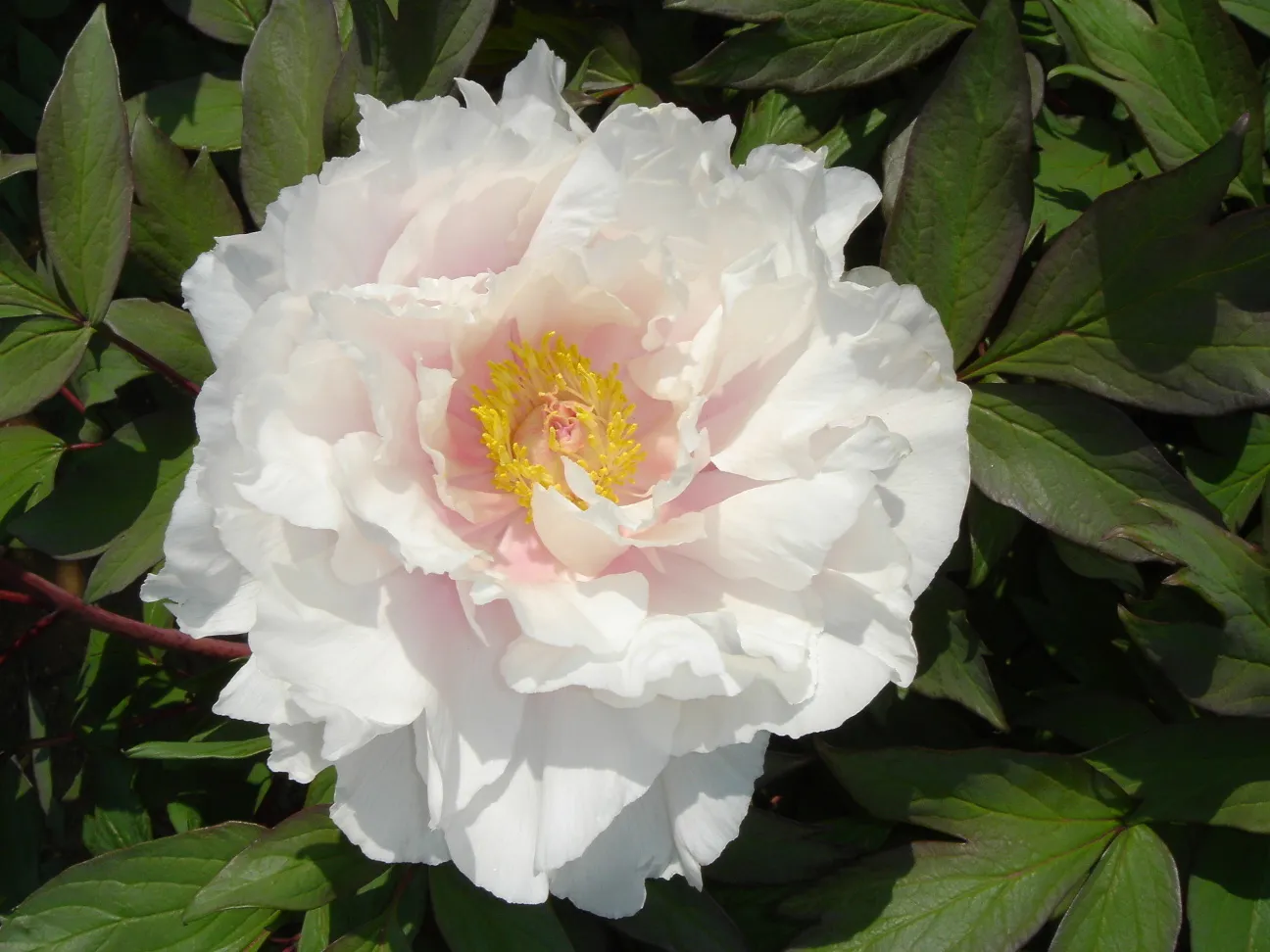
Mu Dan Pi, botanically known as Paeonia suffruticosa, is a revered deciduous shrub celebrated for both its striking ornamental value and profound medicinal properties. Typically reaching a height of 1 to 2 meters, this woody perennial boasts a robust structure. Its distinctive foliage comprises large palmate leaves, each divided into 5 to 9 leaflets that exhibit lanceolate to ovate shapes, measuring approximately 10 to 20 centimeters in length.
The plant's most captivating feature is its spectacular, fragrant flowers, which can span an impressive 10 to 20 centimeters in diameter and display a vibrant spectrum of colors from pristine white to delicate pinks and rich deep reds. These blooms grace the plant from April to June, ushering in a magnificent springtime display. The stems are characteristically woody, encased in bark that ranges from smooth to subtly fissured, differentiating it from herbaceous peony varieties.
Paeonia suffruticosa thrives in well-drained, fertile loamy soils and prefers temperate climates, aligning with its natural distribution across the mountainous regions of central and western China. As a prominent member of the Paeoniaceae family, Mu Dan Pi's cultivation extends beyond aesthetics, deeply integrated into traditional Chinese medicine for centuries, where its root bark is the primary source of its therapeutic compounds, such as paeoniflorin.
Trusted Scientific References
1. Authoritative external sources for Paeonia ×suffruticosa
1.1 Wikipedia — Paeonia ×suffruticosa
1.2 Kew POWO (Plants of the World Online)
1.3 PubMed — peer-reviewed research
1.4 NCBI Taxonomy Browser
1.5 GBIF — Global Biodiversity
1.6Mu Dan Pi should be interpreted through verified botanical identity, practical care, and responsible safety language. This recovery note adds the missing context needed for a complete profile: match light to the plant's habit, use well-drained soil, water according to season, and avoid unsupported medicinal or edible claims. For publishing, the plant can be presented as a source-backed medicinal plant with clear care guidance, common problem diagnosis, and conservative safety wording.
1.1.Mu Dan Pi — Highlights
- ✓Traditional Chinese Medicine Staple — A foundational herb in TCM for centuries, known as 'Moutan Cortex.'
- ✓Potent Anti — inflammatory — Contains paeoniflorin and paeonol, recognized for significant inflammation reduction.
- ✓Natural Analgesic — Offers effective pain relief, particularly for inflammatory and menstrual discomfort.
- ✓Blood Cooling and Invigorating — Unique dual action in TCM to clear heat from the blood and promote circulation.
- ✓Rich in Antioxidants — Provides cellular protection against oxidative stress with its phenolic compounds.
- ✓Ornamental and Medicinal Value — Highly prized for both its stunning large flowers and therapeutic root bark.
- ✓Wide Application Range — Used for fevers, skin issues, menstrual irregularities, and cardiovascular support.
- ✓Deciduous Woody Shrub — Distinct botanical characteristics differentiating it from herbaceous peonies.
- ✓Temperate Climate Native — Originates from mountainous regions of central and western China, thriving in specific conditions.
- ✓Subject of Modern Research — Ongoing scientific studies validate its traditional uses and explore new therapeutic potentials.
1.2.Mu Dan Pi — At-a-Glance Summary
- ✓Mu Dan Pi (Paeonia suffruticosa) is a revered deciduous shrub native to China, known for its beautiful flowers and medicinal root bark.
- ✓Its root bark is a cornerstone of Traditional Chinese Medicine, primarily used to 'clear heat,' 'cool blood,' and 'invigorate blood.'
- ✓Key bioactive compounds include paeoniflorin and paeonol, responsible for its anti-inflammatory, analgesic, and antioxidant effects.
- ✓Traditionally used for fevers, inflammation, pain, and various skin and menstrual conditions.
- ✓Requires professional guidance due to potential interactions with medications and contraindications, especially during pregnancy.
2.Mu Dan Pi — Nomenclature & Classification
3.Mu Dan Pi — Key Data
4.Mu Dan Pi — Botanical Features
5.Mu Dan Pi — Native Range & Habitat
6.Mu Dan Pi — Traditional Uses
7.Mu Dan Pi — Key Phytochemicals
- ✓Monoterpene Glycosides — Key compounds include paeoniflorin, oxypaeoniflorin, and albiflorin, which are largely responsible for the herb's anti-inflammatory, analgesic, and antispasmodic activities.
- ✓Phenolic Compounds — Paeonol is a prominent phenolic component known for its anti-inflammatory, antioxidant, and antimicrobial properties; other phenolics like gallic acid and methyl gallate also contribute to its therapeutic profile.
- ✓Flavonoids — A diverse group of compounds offering significant antioxidant, anti-inflammatory, and protective effects against cellular damage.
- ✓Triterpenoids — These compounds contribute to the plant's adaptogenic and anti-inflammatory actions, influencing various physiological pathways.
- ✓Volatile Oils — Present in the root bark, these essential oils contribute to the aromatic profile and may possess antimicrobial and calming effects.
- ✓Tannins — These astringent compounds contribute to the herb's ability to clear heat and reduce inflammation, often found in the bark.
- ✓Alkaloids — While less prominent than other classes, certain alkaloids may be present, contributing to the plant's complex pharmacology.
- ✓Steroids — A small proportion of steroid compounds may be found, potentially influencing hormonal balance and inflammatory responses.
- ✓Fatty Acids — Particularly in the seed oil, various fatty acids are present, offering skin conditioning and protective benefits.
8.Mu Dan Pi — Evidence-Based Benefits
- ✓Anti-inflammatory Action — Mu Dan Pi is highly valued for its potent anti-inflammatory properties, primarily attributed to compounds like paeoniflorin and paeonol, which help modulate inflammatory pathways and reduce swelling.
- ✓Analgesic Effects — The root bark exhibits significant pain-relieving capabilities, traditionally used to alleviate various types of pain, including menstrual discomfort and pain associated with inflammatory conditions.
- ✓Blood Cooling — In Traditional Chinese Medicine (TCM), Mu Dan Pi is renowned for its ability to 'cool the blood,' making it effective in treating conditions characterized by heat signs such as fevers, hot flashes, and skin eruptions.
- ✓Blood Invigoration and Stasis Resolution — It helps to invigorate blood circulation and disperse blood stasis, which can be beneficial for conditions like bruising, traumatic injuries, and certain types of menstrual irregularities.
- ✓Antioxidant Protection — Rich in phenolic compounds, Mu Dan Pi offers robust antioxidant support, helping to neutralize free radicals and protect cells from oxidative stress and damage.
- ✓Immune System Support — Research suggests its compounds may modulate immune responses, contributing to overall immune balance and supporting the body's defense mechanisms.
- ✓Skin Health — Historically applied topically and internally, it aids in clearing skin conditions such as rashes, boils, carbuncles, and urticaria by reducing inflammation and clearing heat.
- ✓Menstrual Regulation — Its blood-invigorating and cooling properties make it a traditional remedy for dysmenorrhea (painful menstruation), amenorrhea (absence of menstruation), and irregular cycles associated with blood heat or stagnation.
- ✓Antithrombotic Activity — Certain constituents have been observed to possess antithrombotic effects, potentially aiding in the prevention of blood clot formation.
- ✓Cardiovascular Support — Traditional uses and emerging studies indicate potential benefits for cardiovascular health, particularly in managing hypertension and improving microcirculation.
8.1.Mu Dan Pi — Therapeutic Indications
9.Mu Dan Pi — Safety Considerations
9.1.Mu Dan Pi — Possible Adverse Reactions
- ✓Gastrointestinal Upset — May cause mild stomach discomfort, nausea, or diarrhea in sensitive individuals, especially with high doses.
- ✓Allergic Reactions — Rare instances of skin rash or other allergic responses have been reported in individuals sensitive to Paeoniaceae family plants.
- ✓Increased Bleeding Risk — Due to its blood-invigorating properties, it may theoretically increase the risk of bleeding, especially when combined with anticoagulant medications.
- ✓Hypotension — In some cases, it may cause a slight decrease in blood pressure, which should be monitored in individuals with already low blood pressure.
- ✓Interactions with Sedatives — Paeonol may have mild sedative effects, potentially enhancing the effects of other central nervous system depressants.
- ✓Cold Symptoms Worsening — As a 'cold-natured' herb in TCM, it may exacerbate symptoms in individuals with pronounced 'cold' constitutions or conditions.
9.2.Mu Dan Pi — Risk Assessment
- ✓Pregnancy and Breastfeeding — Contraindicated during pregnancy due to its blood-invigorating effects, which could stimulate uterine contractions; avoid during breastfeeding due to insufficient safety data.
- ✓Bleeding Disorders — Individuals with known bleeding disorders or those undergoing surgery should avoid use due to potential increased bleeding risk.
- ✓Anticoagulant Medications — Concurrent use with blood-thinning medications (e.g., warfarin, aspirin) is contraindicated due to additive effects and increased risk of hemorrhage.
- ✓Hypersensitivity — Exercise caution in individuals with a history of allergies to plants in the Paeoniaceae family.
- ✓Quality Assurance — Always use products from reputable sources that verify purity and absence of contaminants like heavy metals and pesticides, as outlined by regulatory bodies.
- ✓Professional Consultation — It is highly recommended to consult a qualified healthcare practitioner or medical herbalist before using Mu Dan Pi, especially for chronic conditions or if on other medications.
- ✓Dosage Adherence — Adhere strictly to recommended dosages and duration of use, as excessive intake may increase the likelihood of adverse effects.
10.Mu Dan Pi — Preparation Methods
- ✓Traditional Decoctions — The dried root bark (Mu Dan Pi) is commonly prepared as a decoction by simmering in water, often combined with other herbs in Traditional Chinese Medicine formulas.
- ✓Tinctures and Extracts — Alcohol-based tinctures or concentrated extracts are increasingly utilized for convenient dosing and preservation of active compounds.
- ✓Powdered Form — The finely ground root bark can be consumed as a powder, encapsulated, or mixed into beverages for internal use.
- ✓Topical Applications — For skin conditions, Mu Dan Pi extracts or powdered root bark can be incorporated into creams, salves, or poultices and applied directly to the affected area.
- ✓Herbal Teas — While less common for the root bark, infusions can be made from specific preparations for milder therapeutic effects.
- ✓Medicinal Wines — In some traditional practices, Mu Dan Pi is infused into alcoholic beverages to create medicinal wines for long-term tonic use.
- ✓Dosage Adjustment — Dosing varies significantly based on the specific condition, individual constitution, and the form of preparation; always consult a qualified herbalist or practitioner.
- ✓Quality Sourcing — Ensure the source is reputable and the product is tested for heavy metals and pesticide residues, as recommended by safety guidelines.
11.Mu Dan Pi — Cultivation & Care
- ✓Soil Preference — Thrives in well-drained, rich, loamy soils with a slightly acidic to neutral pH (6.0-7.0).
- ✓Sunlight Requirements — Prefers full sun to partial shade, with adequate sunlight crucial for abundant flowering and robust growth.
- ✓Watering Regimen — Requires regular and consistent watering, especially during dry periods, but avoids waterlogging to prevent root rot.
- ✓Climate Adaptability — Best suited for temperate climates, tolerating cold winters and providing a chilling period essential for bud development.
- ✓Planting Time — Ideally planted in the fall, allowing roots to establish before winter and supporting strong spring growth.
- ✓Pruning Practices — Minimal pruning is needed, primarily to remove dead or damaged branches and spent flowers after blooming to maintain plant health and shape.
- ✓Fertilization — Benefits from a balanced slow-release fertilizer in early spring, or compost to enrich soil fertility.
- ✓Pest and Disease Management — Generally hardy, but monitor for common peony issues like botrytis blight or powdery mildew, ensuring good air circulation.
Reviewed by the Flora Medical Global Botanical Review Panel
Multi-disciplinary editorial group · Botany · Ethnobotany · Herbal-medicine literature
Who reviewed this: This page was checked by the Flora Medical Global Botanical Review Panel — an in-house editorial group of botany graduates, ethnobotany researchers, and horticulture practitioners who collectively maintain our 7,000+ plant encyclopedia. Meet the team.
Our 4-step verification process
1. Taxonomic verification
Scientific names and synonyms cross-checked against Kew POWO, World Flora Online, and The Plant List.
2. Phytochemical & medicinal cross-reference
Active compounds, traditional uses, and reported activities are cross-referenced with PubMed, USDA Dr. Duke's database, and peer-reviewed ethnobotanical literature.
3. Conservation & distribution check
Distribution, ecology, and conservation status confirmed against GBIF occurrence records and the IUCN Red List.
4. Editorial & safety review
Every entry passes an editorial pass for clarity, originality, and safety notices (toxicity, contraindications, dosage caveats) before publication.
Last reviewed:
Important medical disclaimer: This content is for educational and research purposes only. It is not medical advice and is not a substitute for consultation with a licensed healthcare provider. Do not use any herb to self-treat a medical condition without professional guidance.
Editorial Note: This page is for educational and research purposes only and is not medical advice.
Written by: Flora Medical Global Editorial Team
Reviewed by: Flora Medical Global Botanical Review Panel
Last Updated: June 15, 2026






Mu Dan Pi — Comments & Community Reviews
Rate this plant